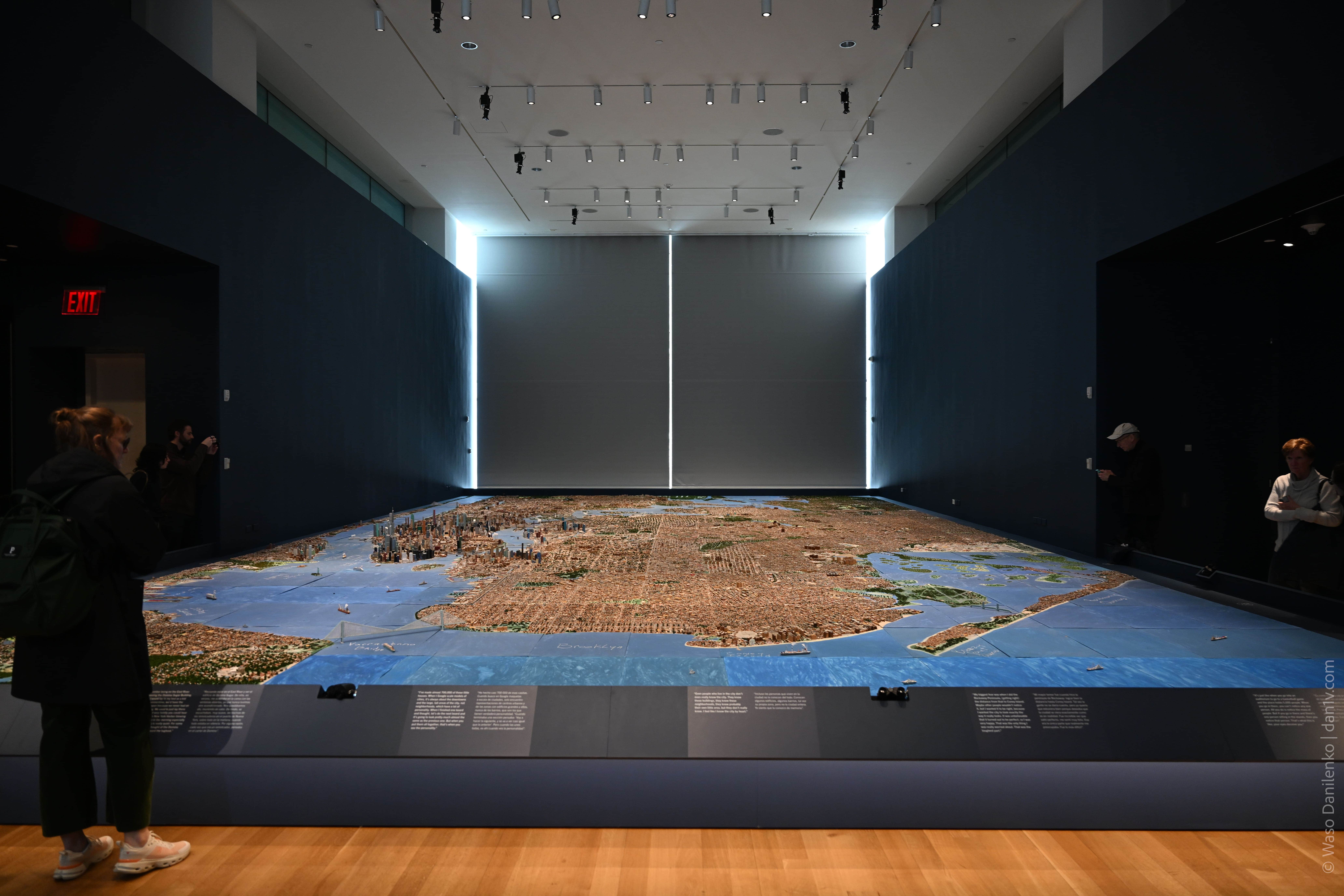
Joe Macken is a 63-year-old truck driver from Queens. In 2004 he moved from New York City to the suburbs and, missing his daily contact with the city, began recreating it. Literally: every evening after work he would go down to his basement and spend a couple of hours there cutting tiny buildings out of balsa wood and gluing them onto foam bases.

Fast-forward 20 years — and Joe has carved about 800,000 (!) tiny buildings. The model covers all five boroughs of New York City, as well as parts of Westchester, Long Island, and New Jersey. The total size is about 15 by 8 meters (50 by 27 feet), and the scale is one inch (2.5 cm) to 160 feet (about 49 meters). That means the wooden Empire State Building in the model is just under 20 centimeters tall.

Interestingly, until the mid-2010s, before Google Maps became truly detailed, the artist relied on books and took his own photos of buildings during trips to Manhattan.
Over twenty years a lot has changed, so the model reflects not the real skyline of the city but rather Joe’s memories of it over that time. For example, in his handmade city the Twin Towers of the World Trade Center still stand next to the new One World Trade Center. Macken used to see them from the window of his home in Queens when he was a child, and for him they were — and still are — an essential part of the city, without which it’s impossible to imagine New York.
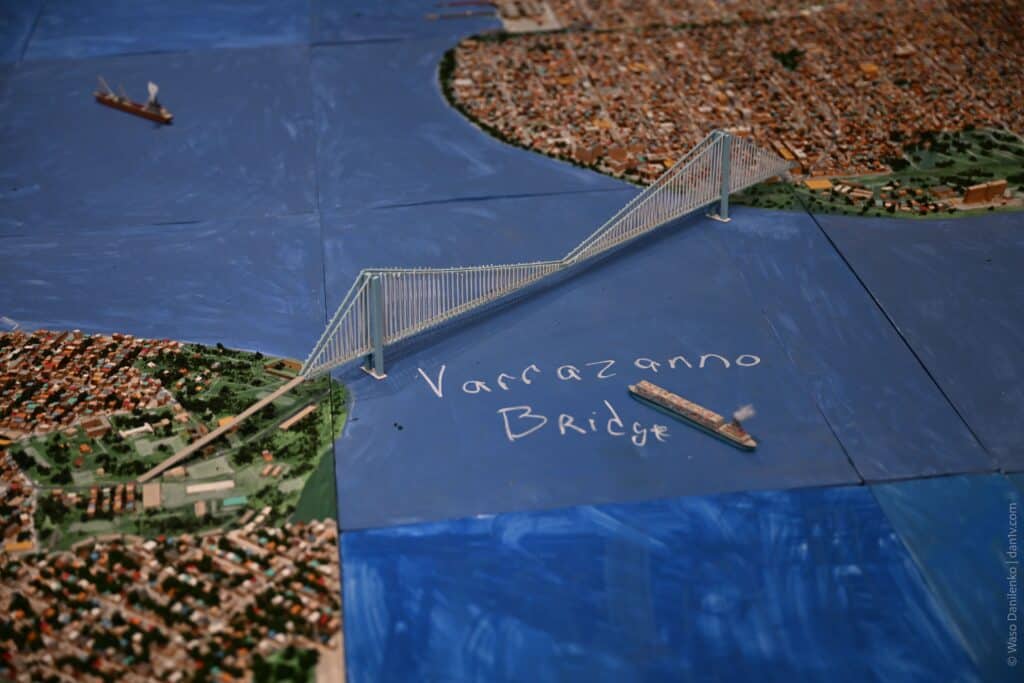
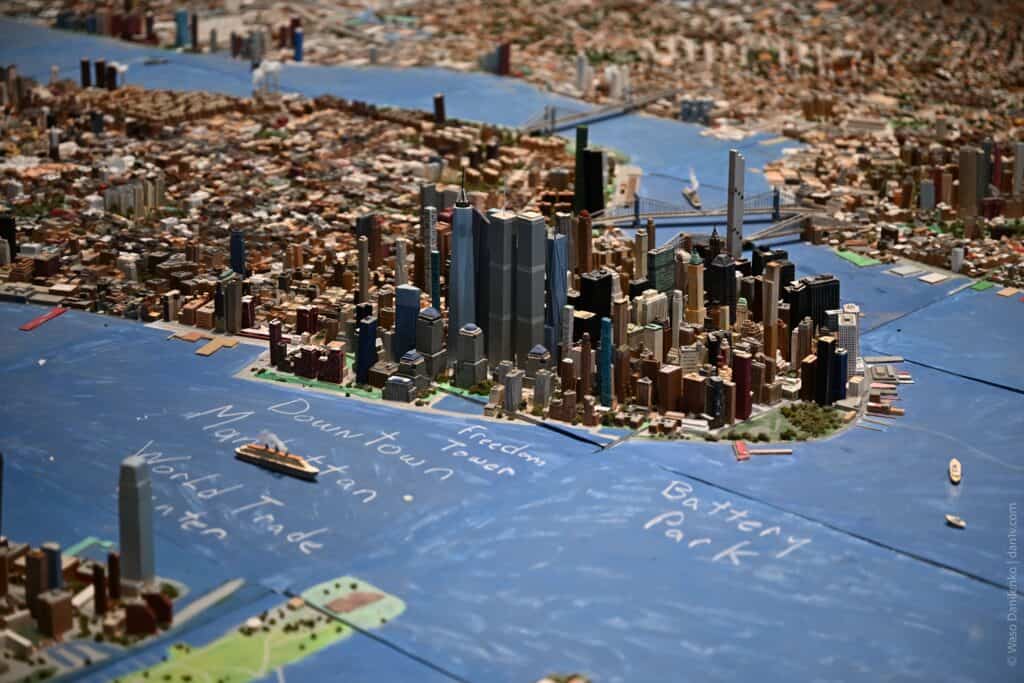
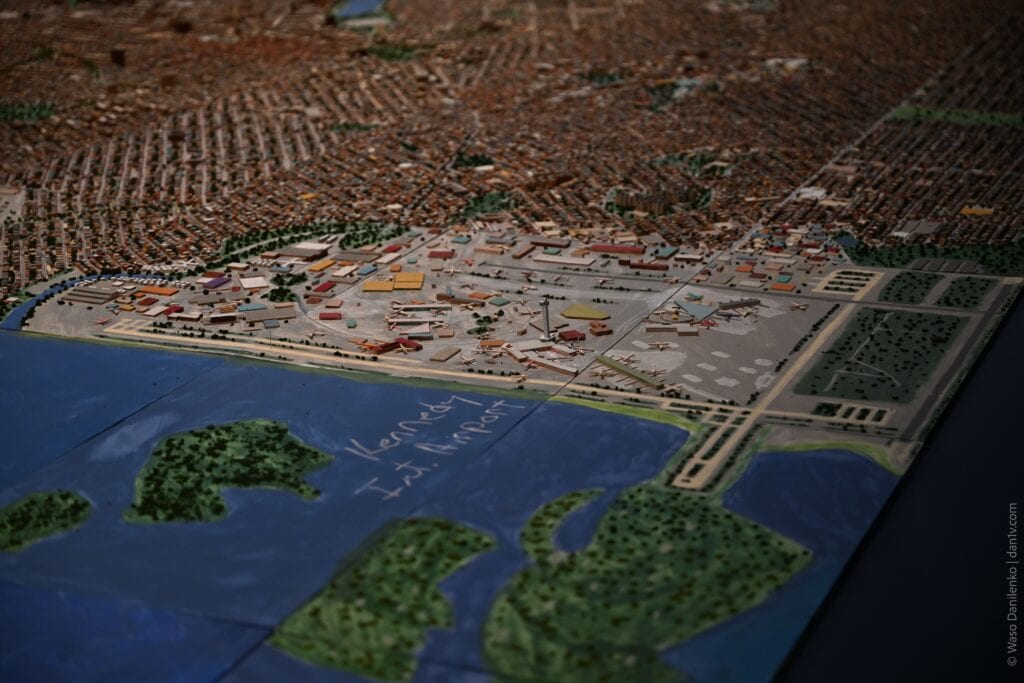
Staff at the Museum of the City of New York (MCNY) saw a TikTok video about Joe Macken’s remarkable model and invited him to create an exhibition. As a result, on February 12 the exhibition “He Built This City: Joe Macken’s Model” opened (it runs through the end of summer).
Unfortunately, the exhibition turned out to be rather unusual — and not in the best way. More than half of the panorama is squeezed between two walls. The southern part of New York can be viewed quite well, but Manhattan — especially Midtown — and Queens are almost impossible to see.

Residents of the Bronx might feel especially disappointed: their borough is physically not visible at all.
The only real beneficiaries might be residents of Staten Island and Coney Island, including Brighton Beach — at least they have a chance to find their home in the form of a wooden cube.
It’s hard not to admire the persistence and dedication of the artist who invested so much time in creating a miniature model of our beloved city. But unfortunately, the sheer number of buildings never quite turned into quality.
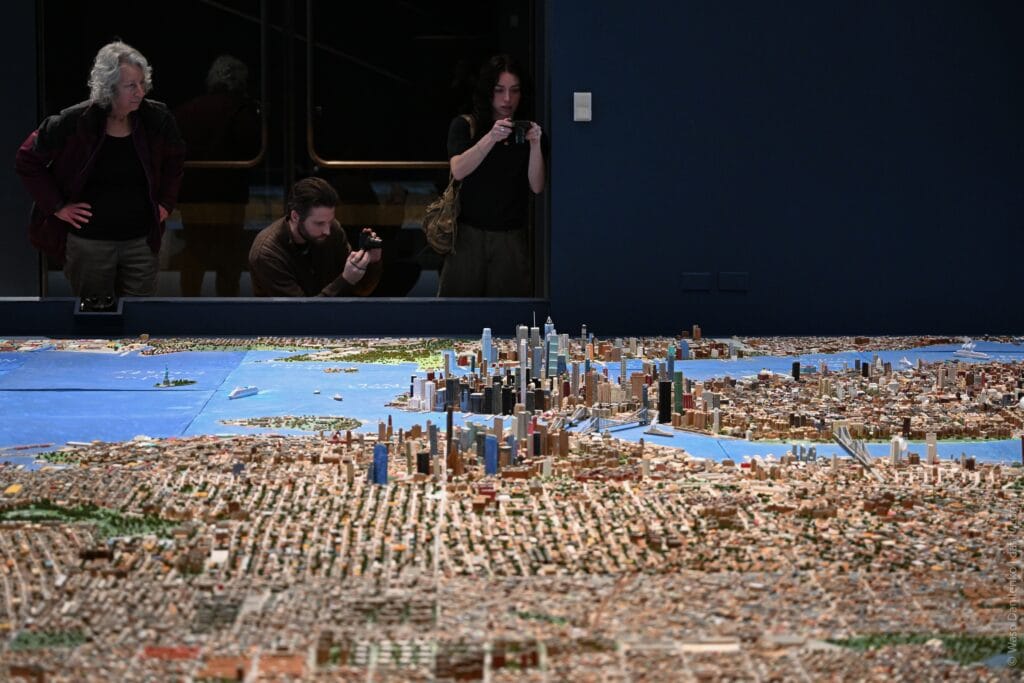
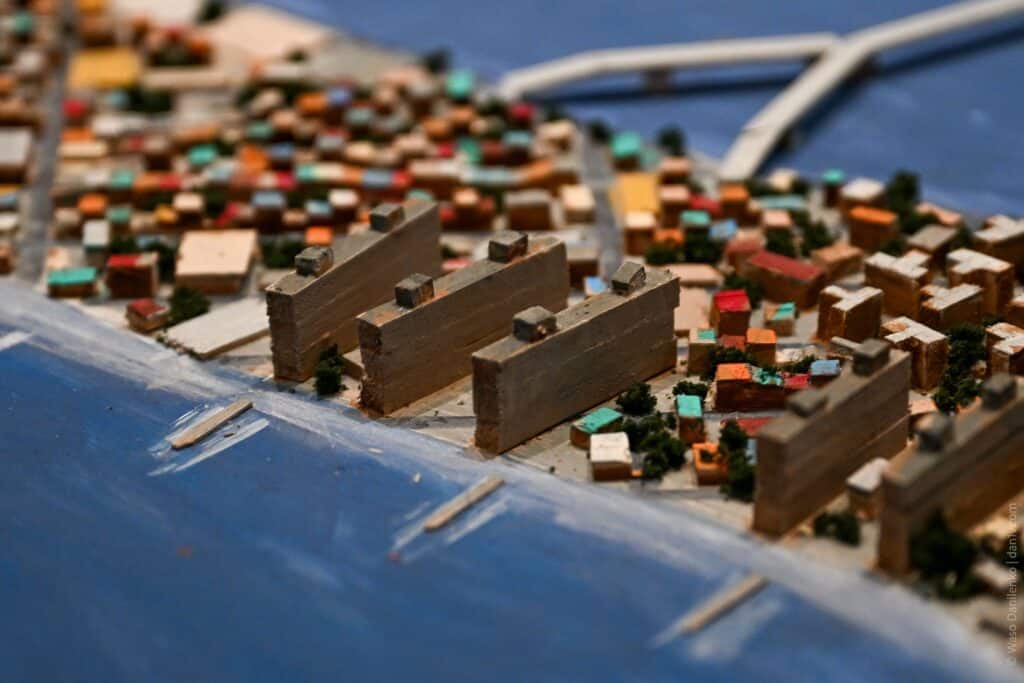
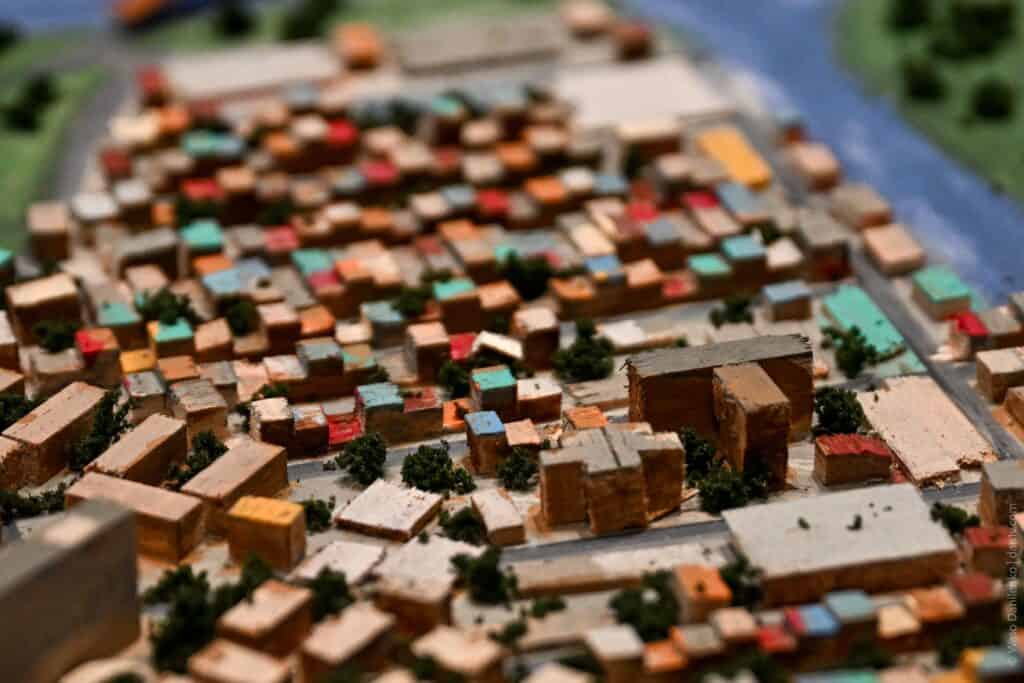
If the original Panorama of the City of New York at the Queens Museum, created in the 1960s, was both a unique document and a form of entertainment — decades before Google Maps, when few people had ever seen cities from above even from airplane windows — then in 2026 these roughly painted wooden cubes resembling brownstones look, to put it mildly, rather idiosyncratic.
So here’s my recommendation: visit the Museum of the City of New York on Wednesday, when admission is free. Then go to the Queens Museum on Sunday to see the real large-scale panorama — it’s seven times bigger and even features a day-and-night lighting cycle.
Visitor’s information
Exhibition “He Built This City: Joe Macken’s Model”
📍 Museum of the City of New York / 1220 5th Ave, New York, NY 10029
When: through the end of summer
Hours: 10 AM – 5 PM on weekdays, until 6 PM on weekends
Admission: $23, free on Wednesdays
Panorama of the City of New York
📍 Queens Museum / Flushing Meadows Corona Park, Building, Corona, NY 11368
Weekdays: 12 PM – 5 PM
Weekends: from 11 AM
Closed Monday and Tuesday
Admission: pay what you wish (suggested $8)
Useful links: list of New York City museums and list of free museums in New York