
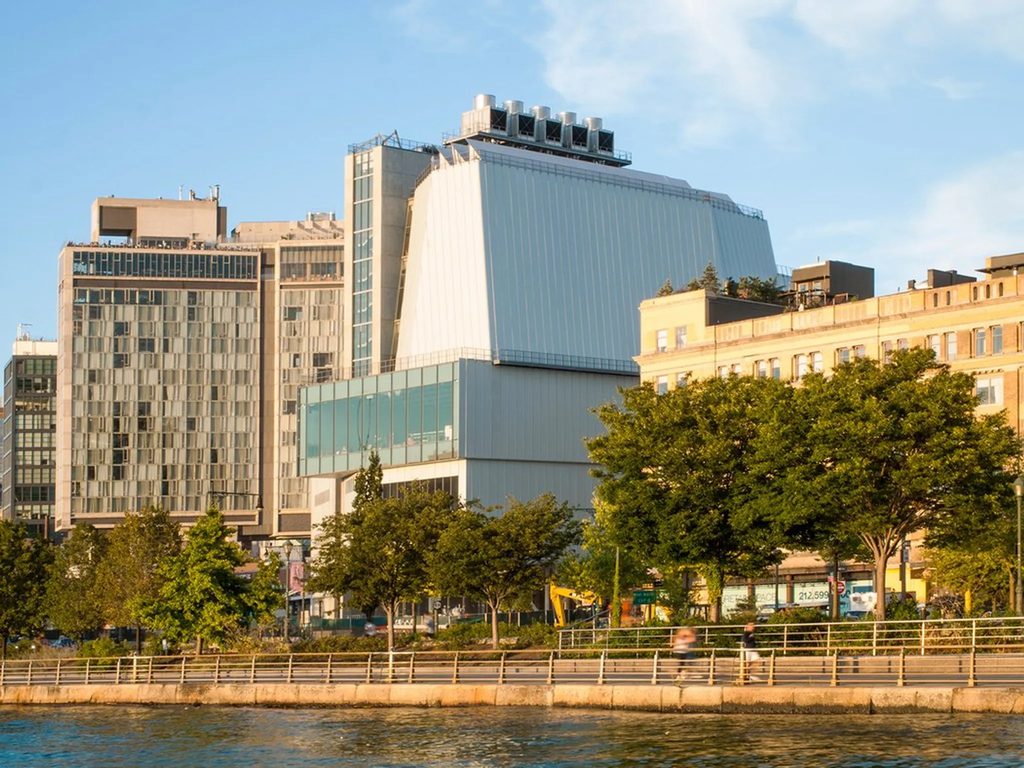
The Whitney Museum of American Art occupies the building at 99 Gansevoort Street in the Meatpacking District, between the High Line and the Hudson River. The building opened on May 1, 2015, and was designed by the famous architect Renzo Piano.
The museum is devoted exclusively to American art of the 20th and 21st centuries. It grew out of the studio of sculptor Gertrude Whitney, who wanted to support artists who were not accepted by official academies. Today, it is one of the leading venues for contemporary art in the United States. The museum hosts the Whitney Biennial, the longest-running regularly scheduled survey of American art.
Interesting Facts About the Whitney Museum of American Art
- In 1907, Gertrude Vanderbilt Whitney opened an art studio in Greenwich Village. This was the beginning of the future museum.
- In 1920, the studio hosted the first solo exhibition of the then little-known artist Edward Hopper. In 1924, it also hosted the first exhibition of American folk art in the United States. It was organized by Juliana Force, a colleague of Whitney.
- In 1930, Whitney and Force acquired Hopper’s painting Early Sunday Morning. It became one of the most important works in the collection. A year later, the Whitney Museum of American Art opened, and Hopper’s painting was included in its first exhibition.
- In 1932, the museum began holding regular survey exhibitions of American art. This tradition later developed into the Whitney Biennial.
- After Gertrude Whitney died in 1942, there were plans to close the museum and transfer its collection to the Metropolitan Museum of Art. Thanks to Juliana Force, this did not happen.
- In 1966, the museum moved to a new building on Madison Avenue designed by Marcel Breuer. Its unusual shape is often compared to an inverted pyramid.
- In 1983, the museum acquired Calder’s Circus. More than 500 people from 26 states and other countries contributed money toward the purchase.
- In 2012, beehives were installed on the museum’s roof. A few years later, honey from the hives began to be sold in the museum shop.
- In 2015, the museum’s honey won the blind tasting competition called the “Battle of the Bees.” The same year, the museum opened its new building in the Meatpacking District, designed by Renzo Piano.
- In 2025–2026, the museum dedicated a special exhibition to the 100th anniversary of Calder’s Circus, and in March 2026, the latest Whitney Biennial opened.
History of Whitney Museum of American Art
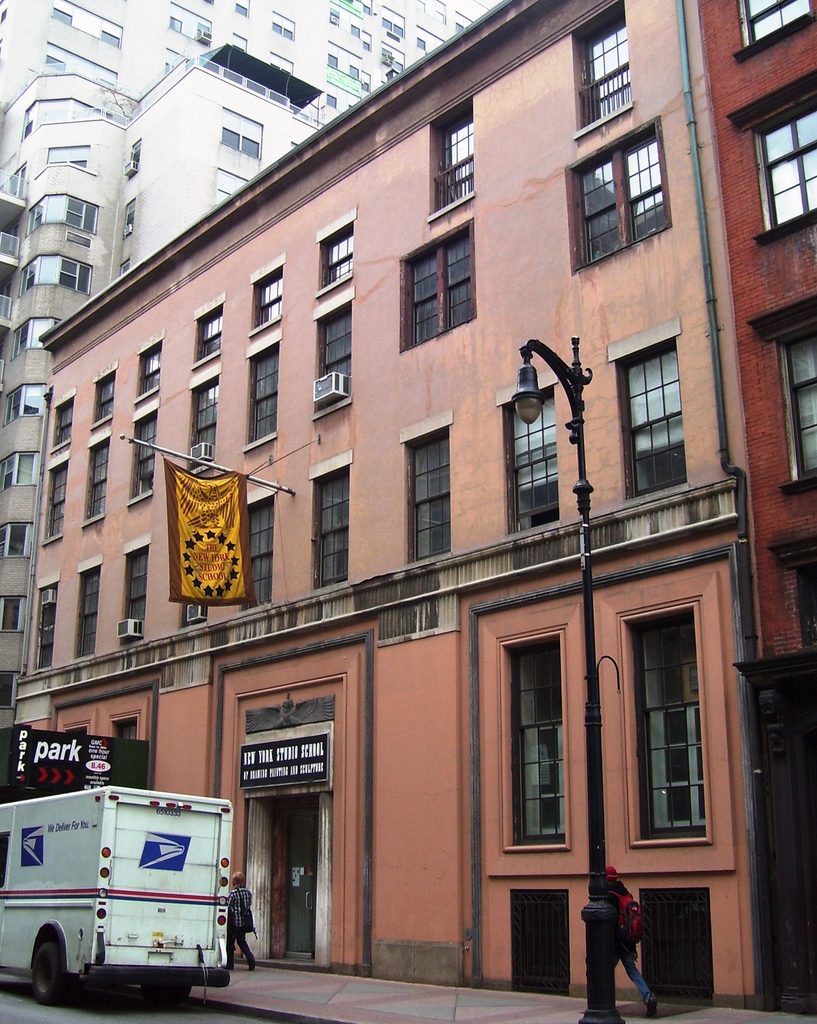
Gertrude Vanderbilt Whitney was born in 1875 into one of the wealthiest families in America. She was a sculptor herself and a well-known patron of the arts. In 1907, Gertrude opened an art studio in Greenwich Village and gradually became acquainted with local artists who lacked places to exhibit their work.
To support them, she opened the Whitney Studio nearby and put Juliana Force in charge of it. In 1918, it became the Whitney Studio Club, a place where artists could not only exhibit their work but also meet and socialize. Later, in 1928, the club was replaced by the Whitney Studio Galleries.
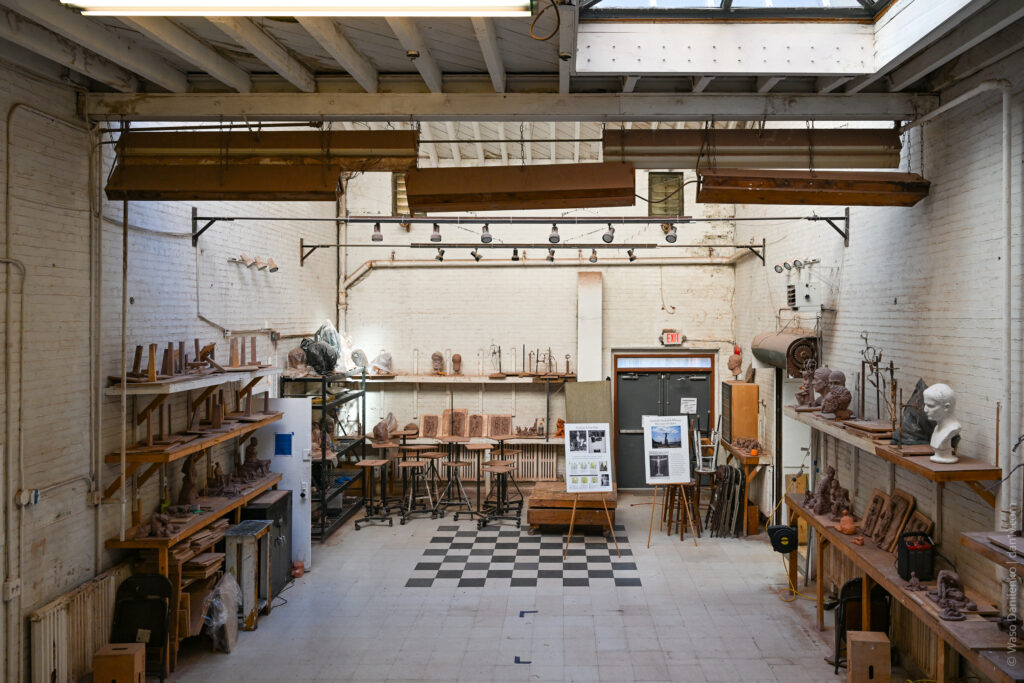
By the end of the 1920s, Gertrude had built a large collection of modern American art. In 1929, she offered to donate it to the Metropolitan Museum of Art, but the museum declined. Whitney then decided to create her own museum.
The museum was founded in 1930, and on November 18, 1931, it opened in three connected townhouses on West 8th Street in Greenwich Village. Juliana Force became its first director. Together with curator Lloyd Goodrich, she turned the small museum into one of the leading institutions dedicated to American art. At the time of its opening, the collection consisted of about 600 to 700 works.
Since then, the museum has changed locations several times. In 1954, it moved to West 54th Street, and in 1966, it moved into the famous building designed by Marcel Breuer on Madison Avenue. Today, the building is occupied by Sotheby’s.
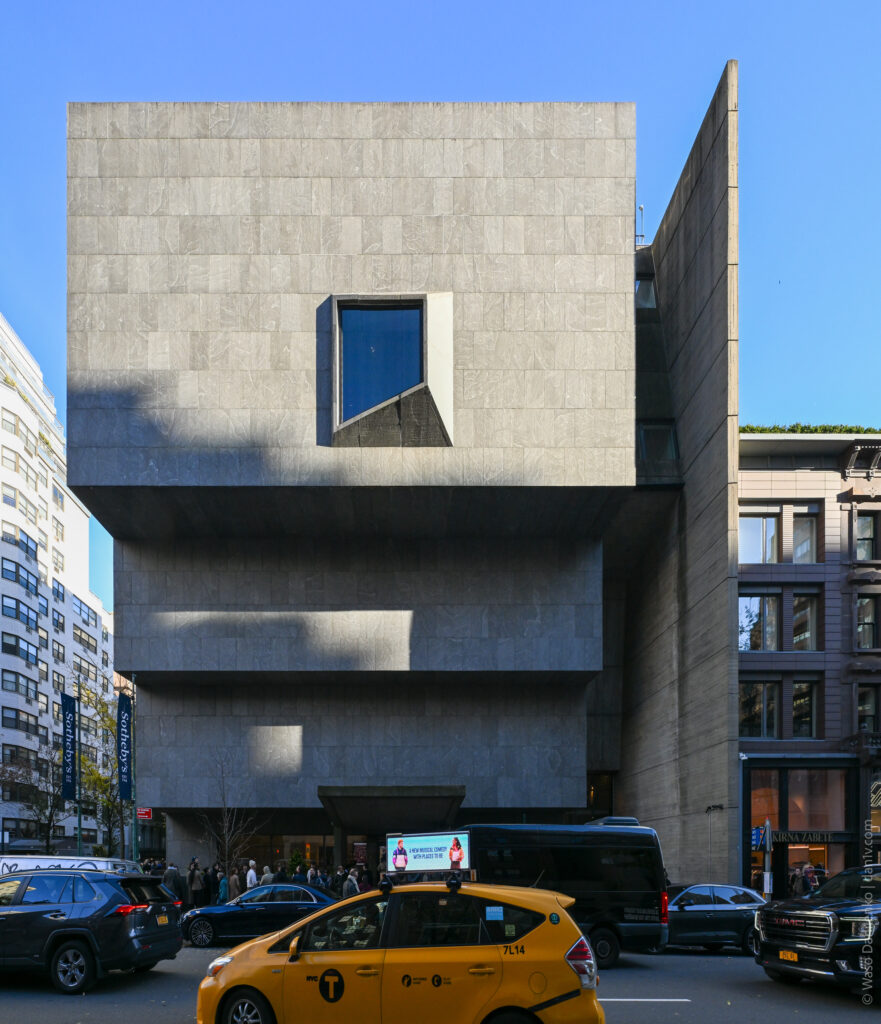
The museum remained there until 2014, after which it moved to its current building in the Meatpacking District in 2015. The building was designed by Renzo Piano.
Architecture of the Whitney Museum of American Art
By the early 2000s, the museum’s building on Madison Avenue could no longer accommodate the growing collection. The artworks occupied about 32,000 square feet of space, and expanding the building on the existing site proved impossible. Several designs for a new building were developed by Michael Graves, Rem Koolhaas, and Renzo Piano, but none of them were realized at the time.
Eventually, the museum chose a site in the Meatpacking District next to the High Line. In 2015, it moved into a new building designed by Renzo Piano in collaboration with the Cooper Robertson architectural firm. The building has almost seven times more exhibition space than the previous one. Its total area is 20,400 square meters, including 4,650 square meters of gallery space.
The building consists of several volumes arranged in a series of staggered levels. This design not only created open terraces but also allowed the museum to fit into the surrounding Meatpacking District, with its low industrial buildings, fire escapes, and water towers. The terraces are also used for exhibitions and performances.
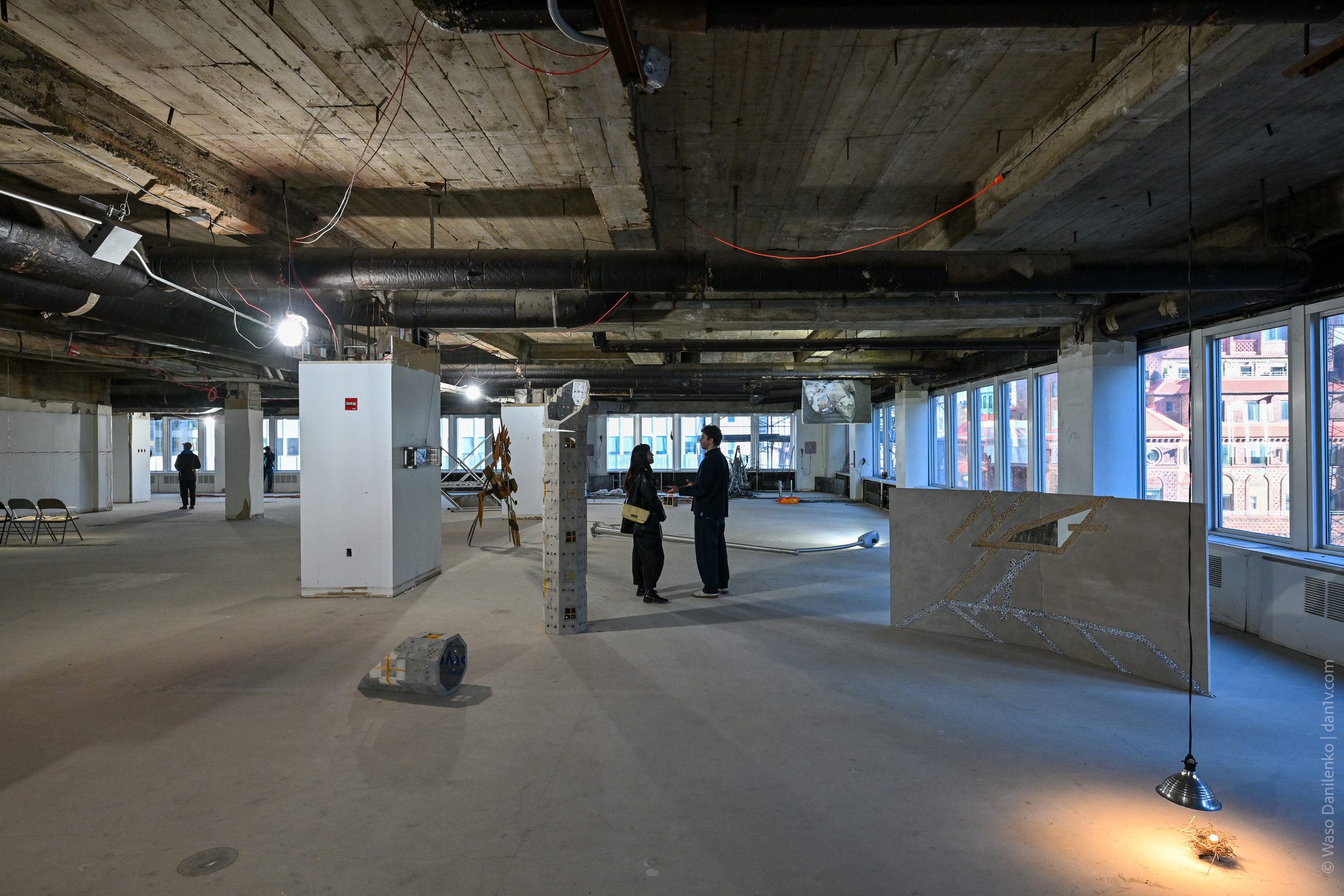
The fifth floor contains a huge 1,670-square-meter hall, the largest column-free museum space in New York. Two floors are dedicated entirely to the permanent collection.
Another notable feature is the open plaza at the main entrance on Gansevoort Street. It is covered by a large cantilevered canopy and is only a few steps from the southern entrance to the High Line. The building also contains an education center, a library, conservation studios, storage facilities, a museum shop, a cafe, and a 200-seat theater.
The museum is just a few minutes from the beginning of the High Line, and the surrounding area has many cafes and galleries.
The Museum Collection
The museum’s collection covers all major movements in American art of the 20th and 21st centuries, including painting, sculpture, drawing, installation art, and photography. It contains more than 18,000 works by renowned artists such as Andy Warhol, Mark Rothko, Jackson Pollock, and many others.
One of the museum’s main events is the Whitney Biennial, a prestigious exhibition of contemporary American art held every two years. It attracts attention from the international art community and often influences the direction of American art in the years that follow. The Biennial presents works by some of the most innovative artists, focusing on current issues and social changes.
The Whitney Museum also regularly hosts musical events and performances, featuring both established and emerging artists. These events bring different forms of art together and attract a diverse audience, further expanding the museum’s cultural influence.