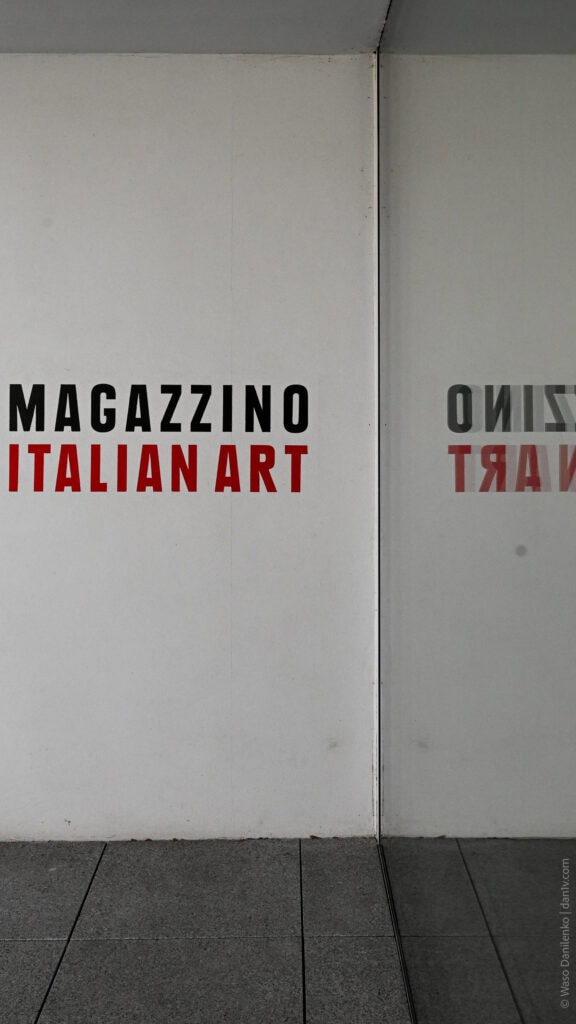
New York City isn’t elastic. The truly stylish and conceptual museums can no longer fit within the borders of Manhattan — and that’s not necessarily a bad thing. Today’s discovery beyond the island is Magazzino Italian Art.
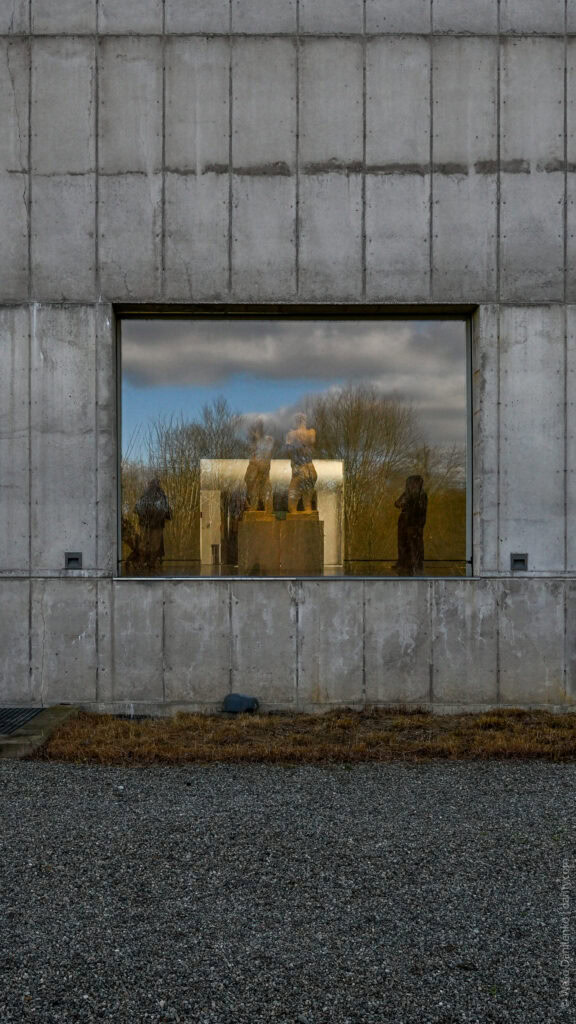
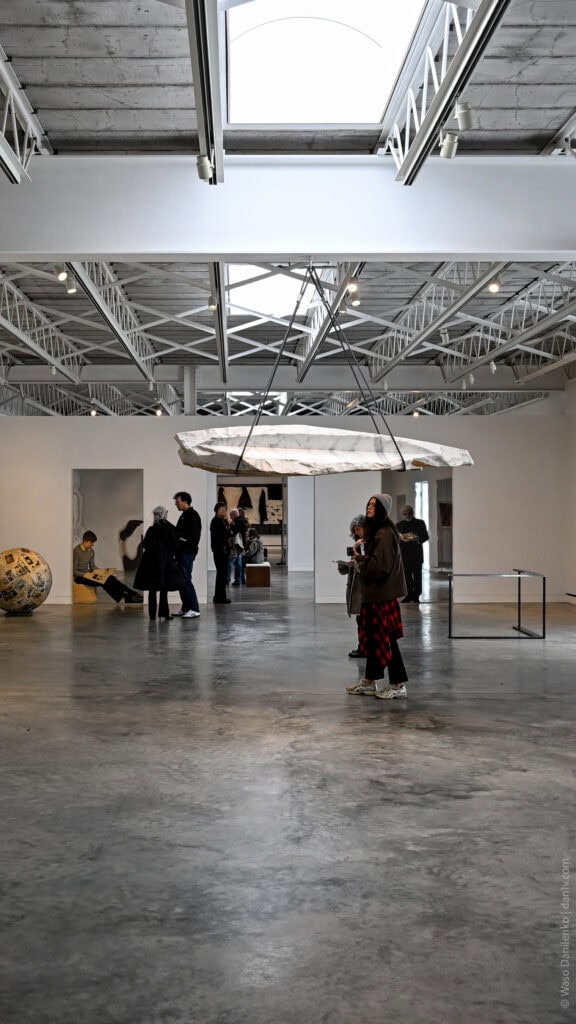
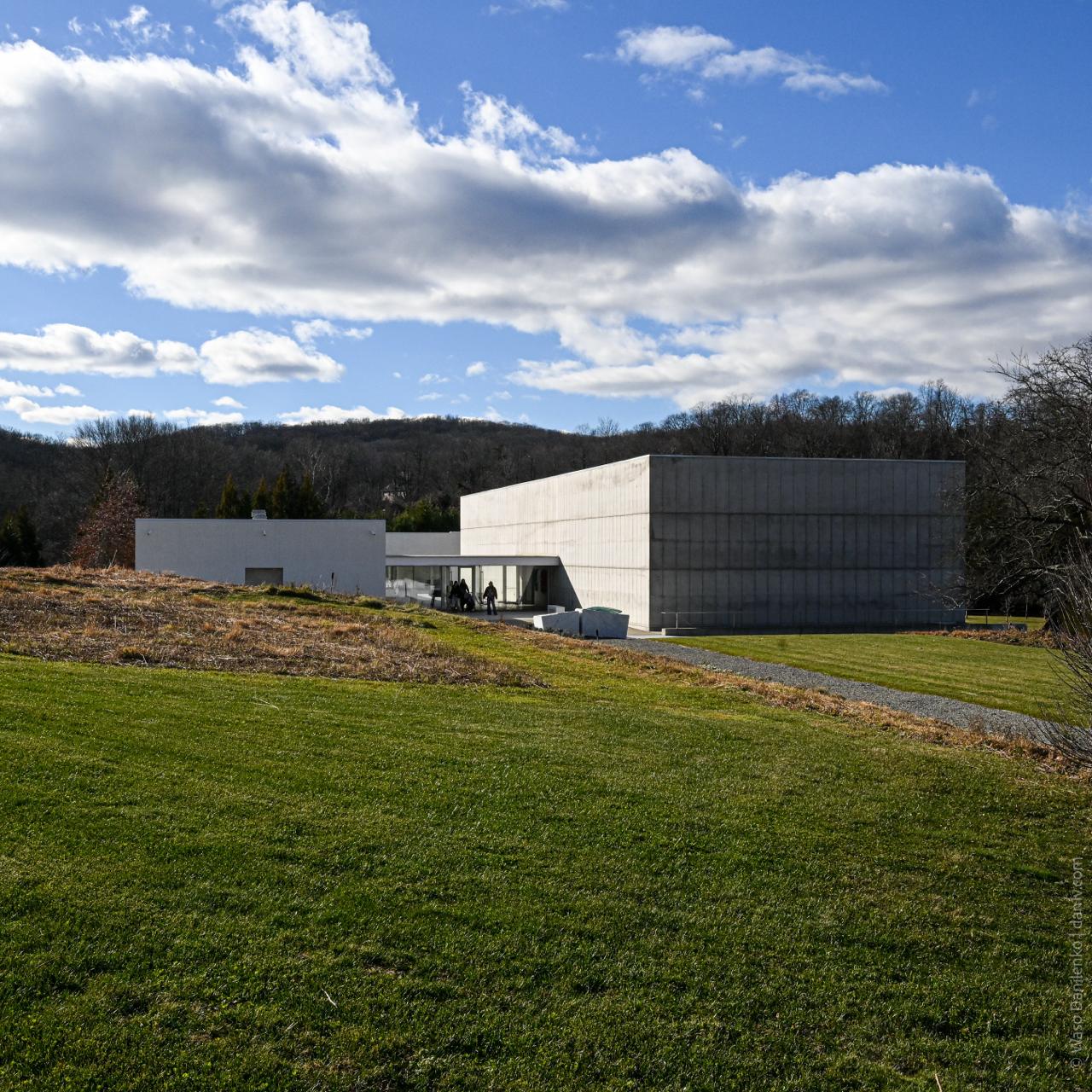
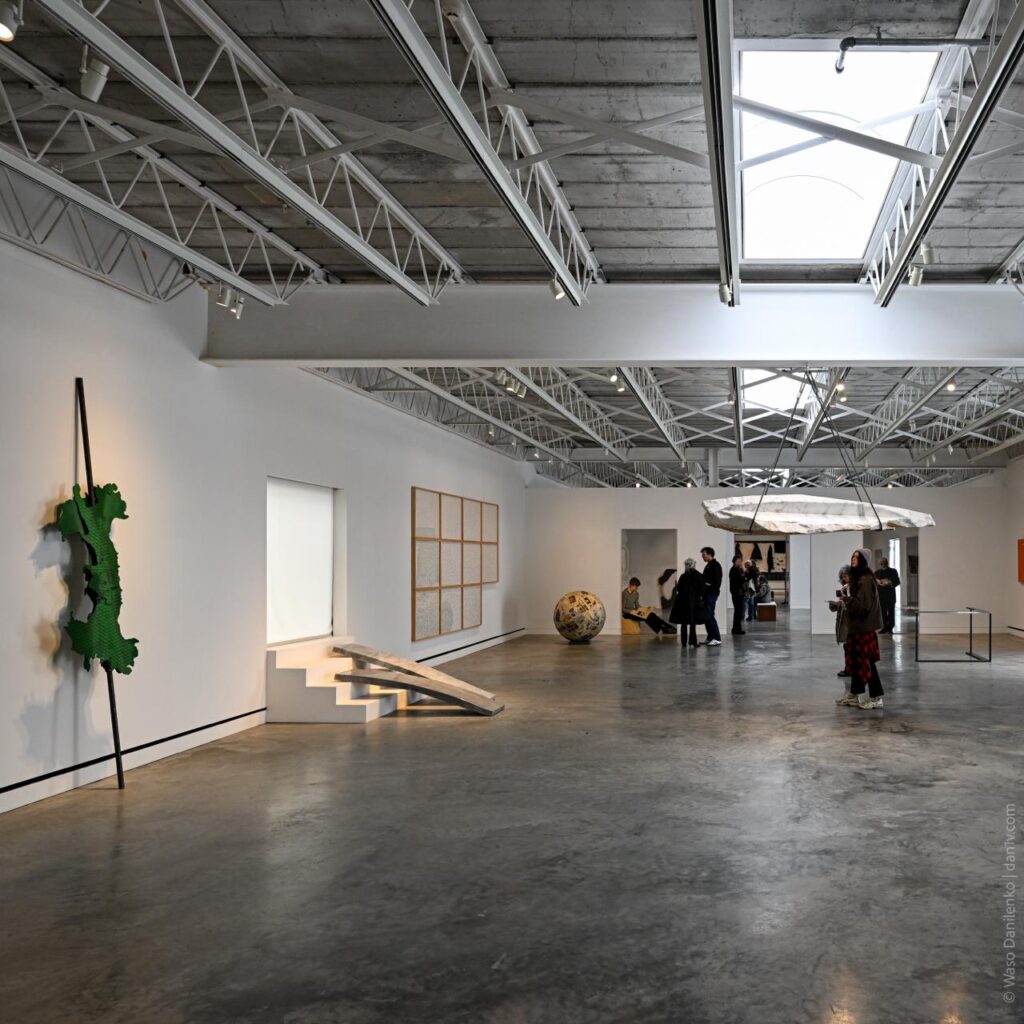
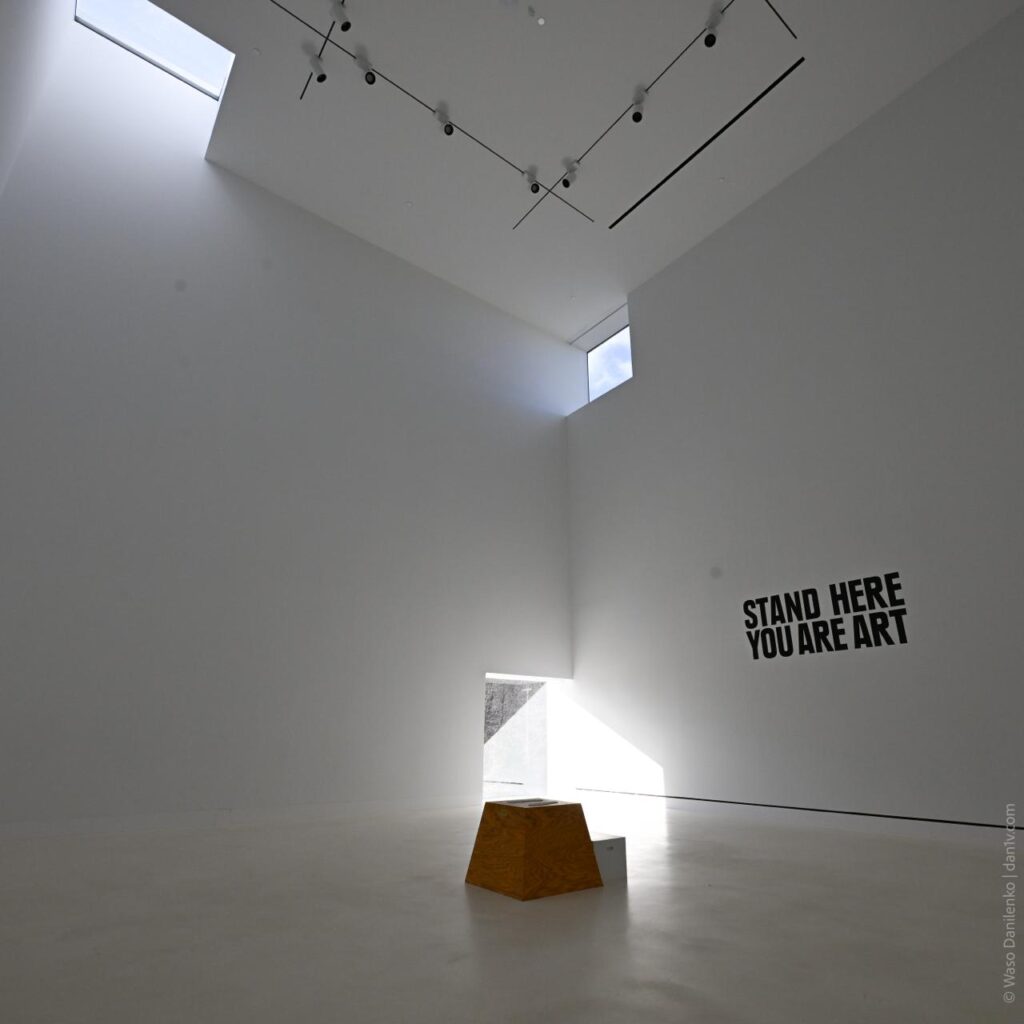
This is one of the most striking and photogenic museums in Upstate New York: a contemporary, minimalist, almost monastic space located about an hour from the city. The museum is dedicated exclusively to Italian art of the second half of the 20th century and today — with a primary focus on the Arte Povera movement.
About the Museum’s Concept
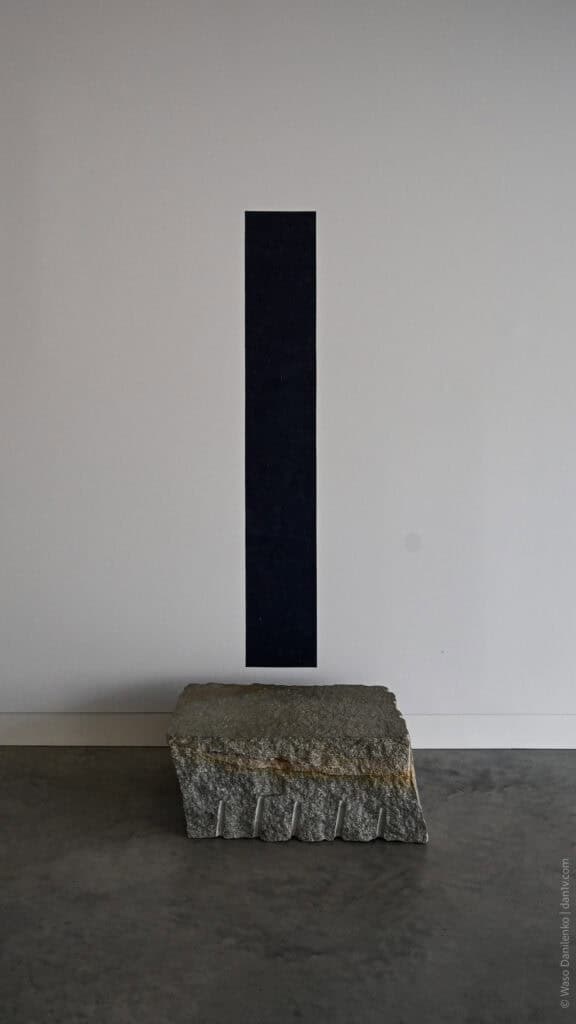
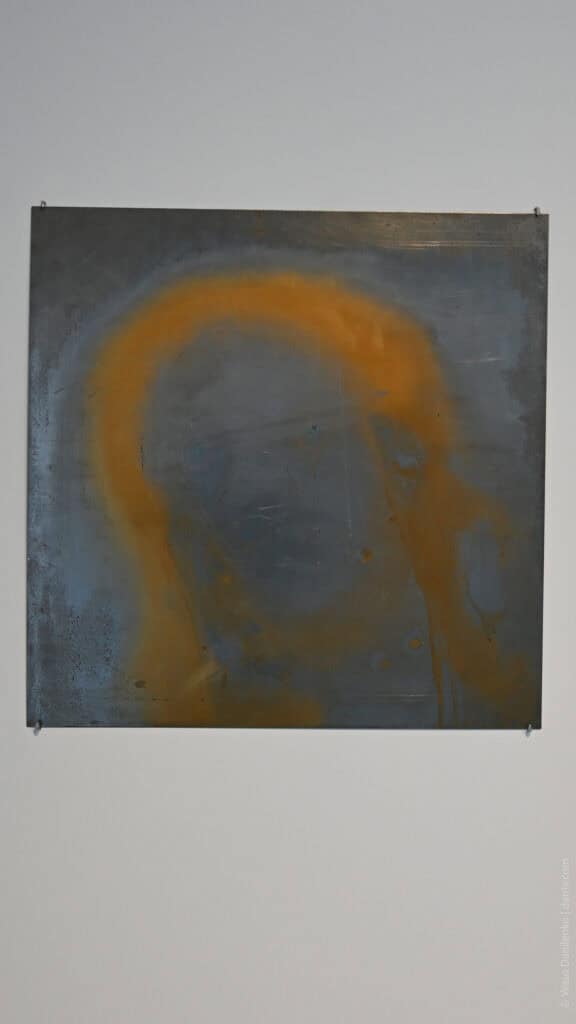
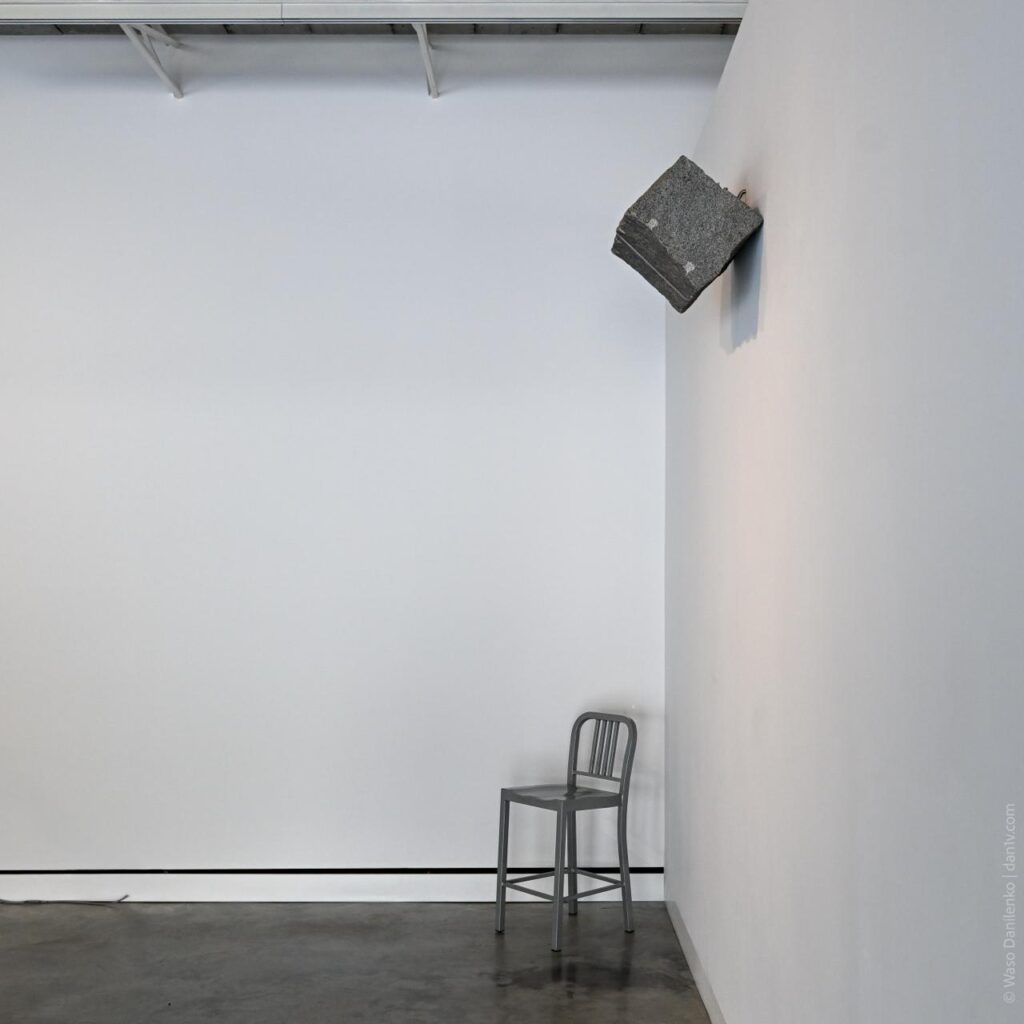
Arte Povera is one of the most radical movements of European modernism. Its artists used everyday, often rough materials: wood, metal, fiberglass, earth, stones, and industrial debris. Their goal was to disrupt conventional notions of what can be considered art and to explore the interplay between material, light, and space.
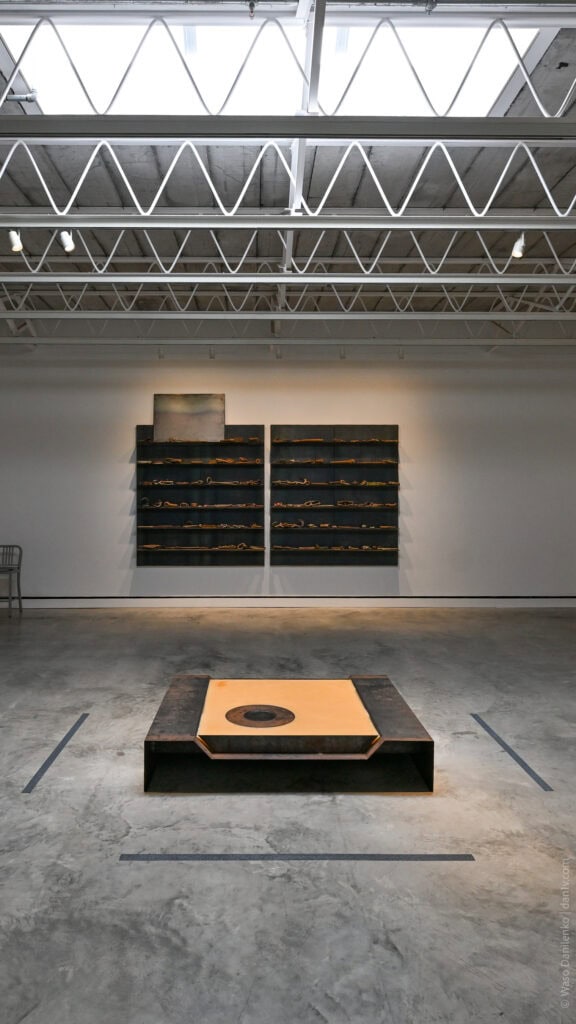
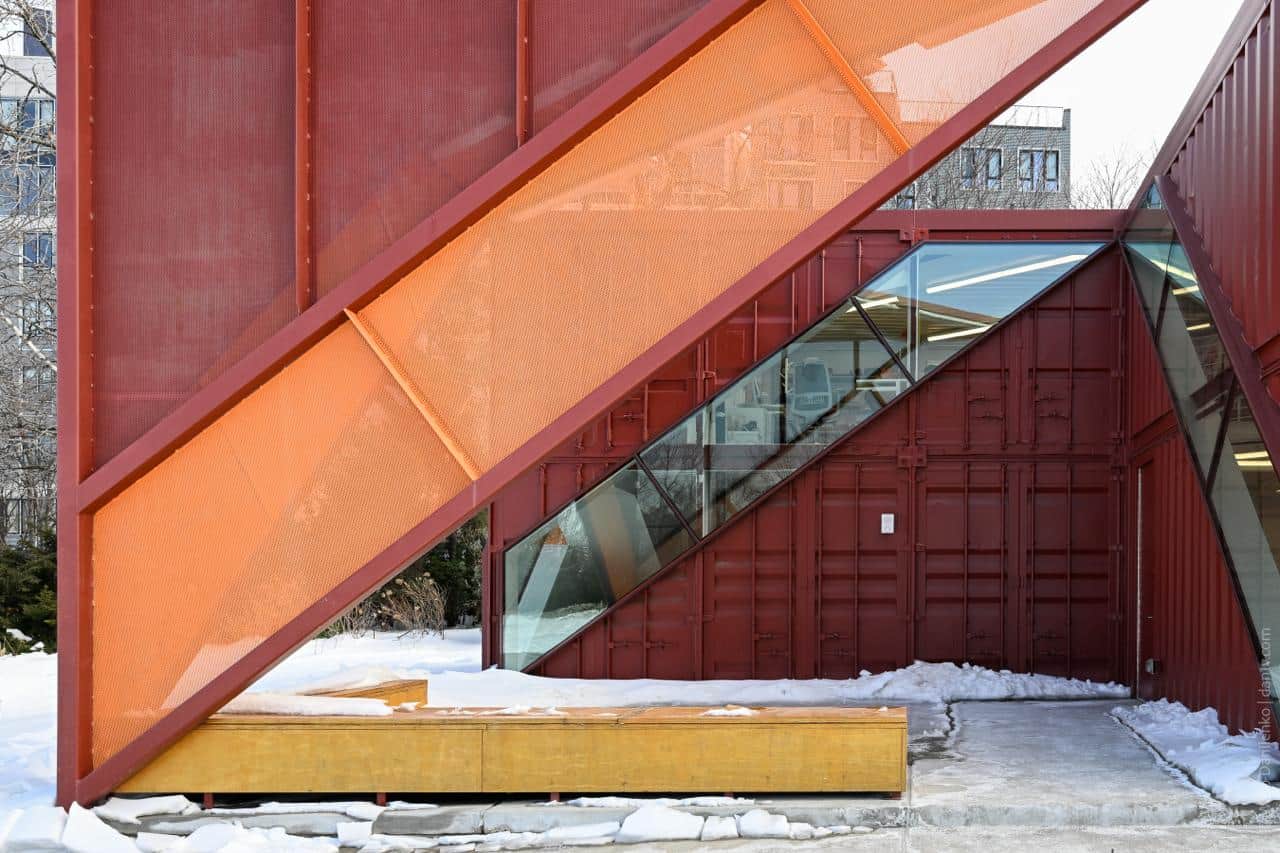
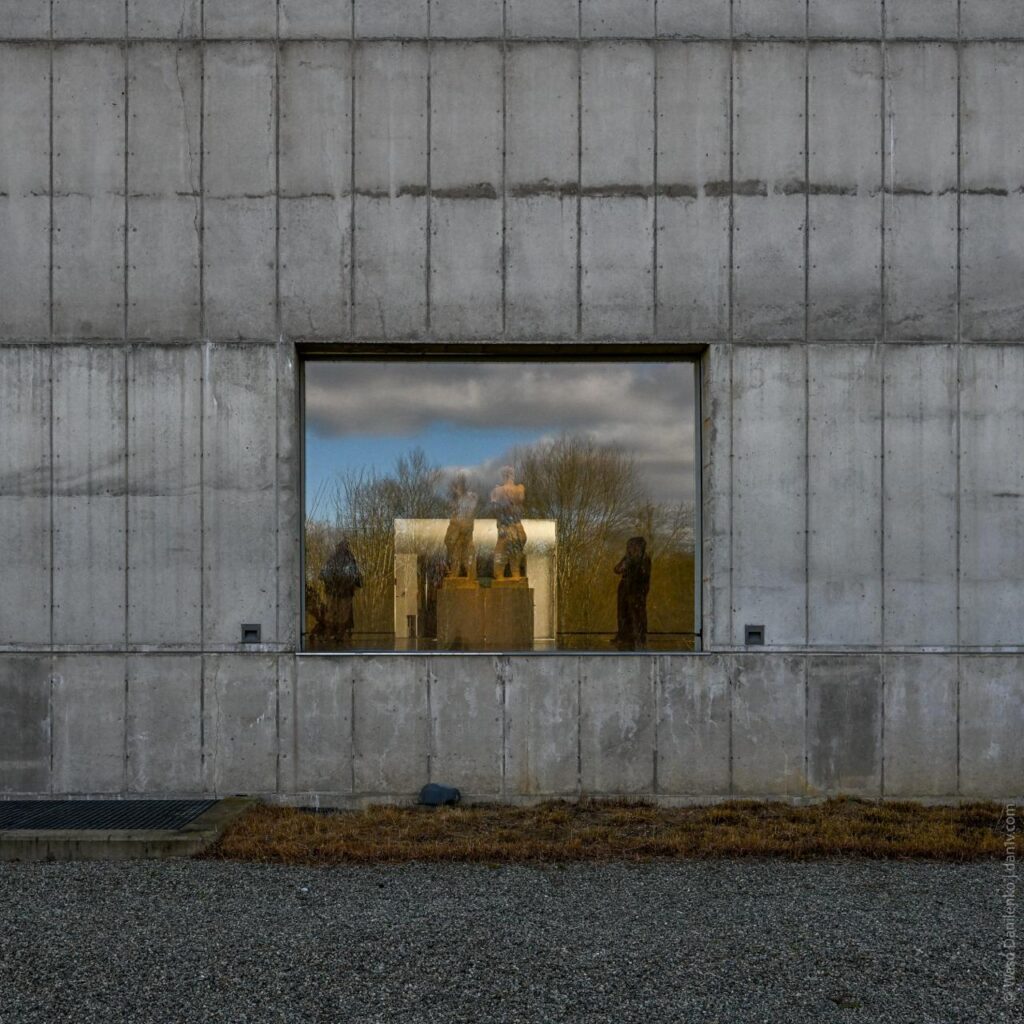
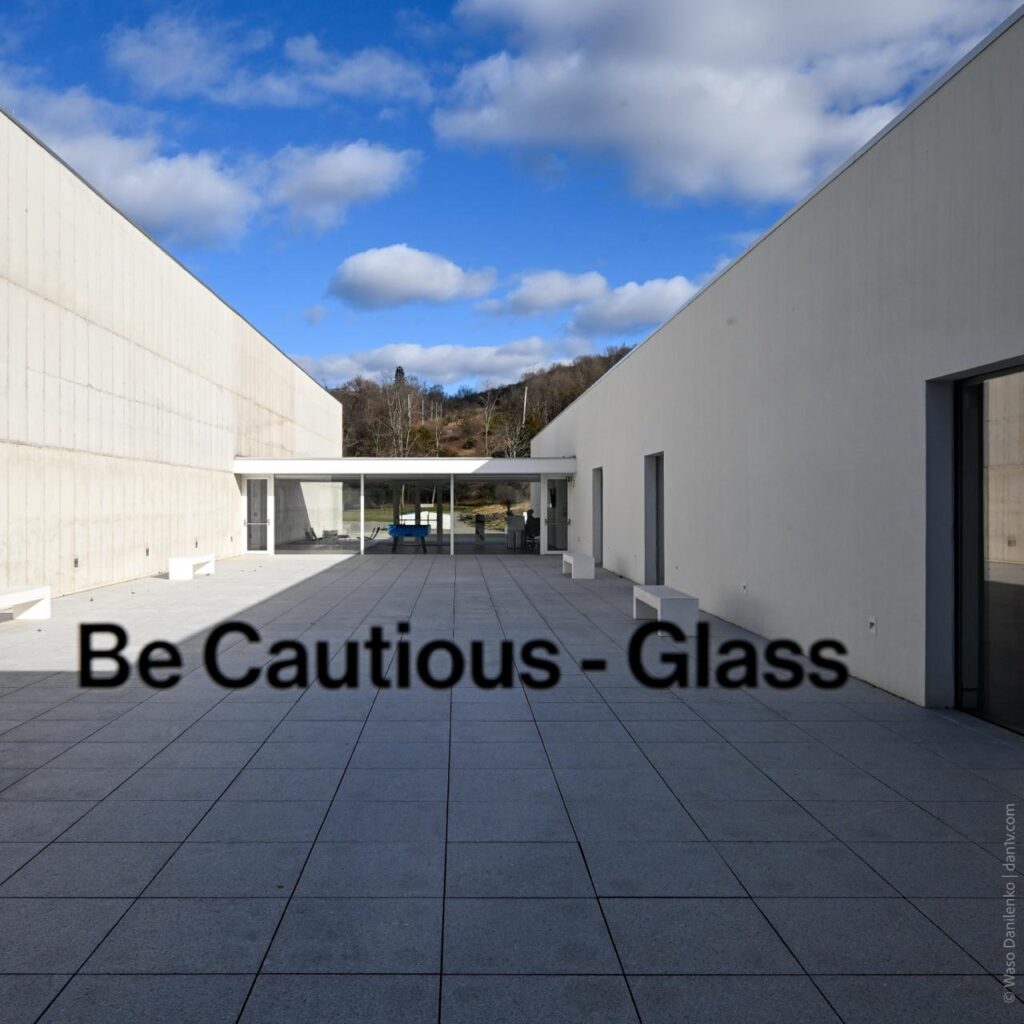
The word “magazzino” in Italian means “warehouse,” which is reflected in the museum’s aesthetic — concrete, glass, metal, and generous spatial voids.
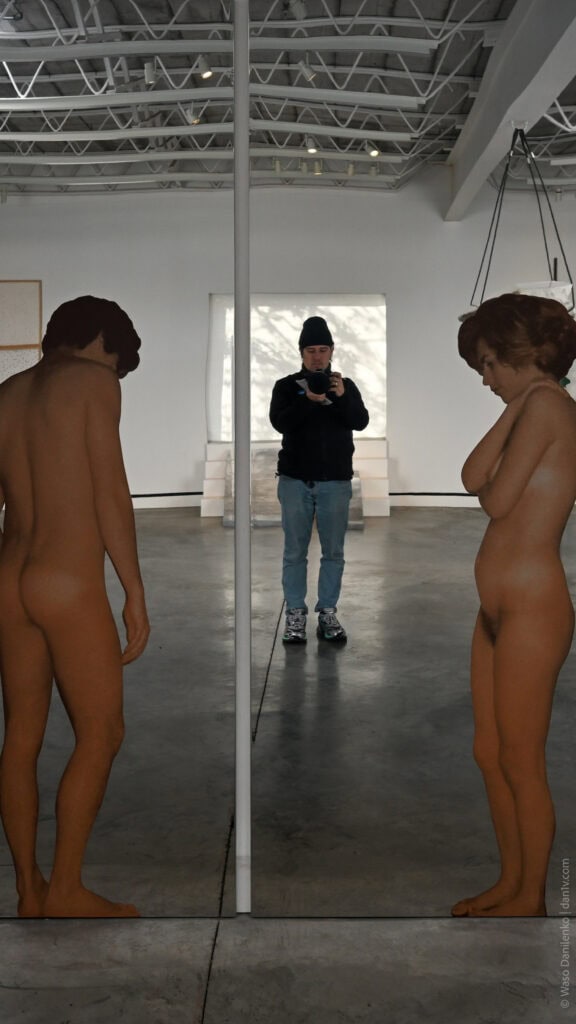
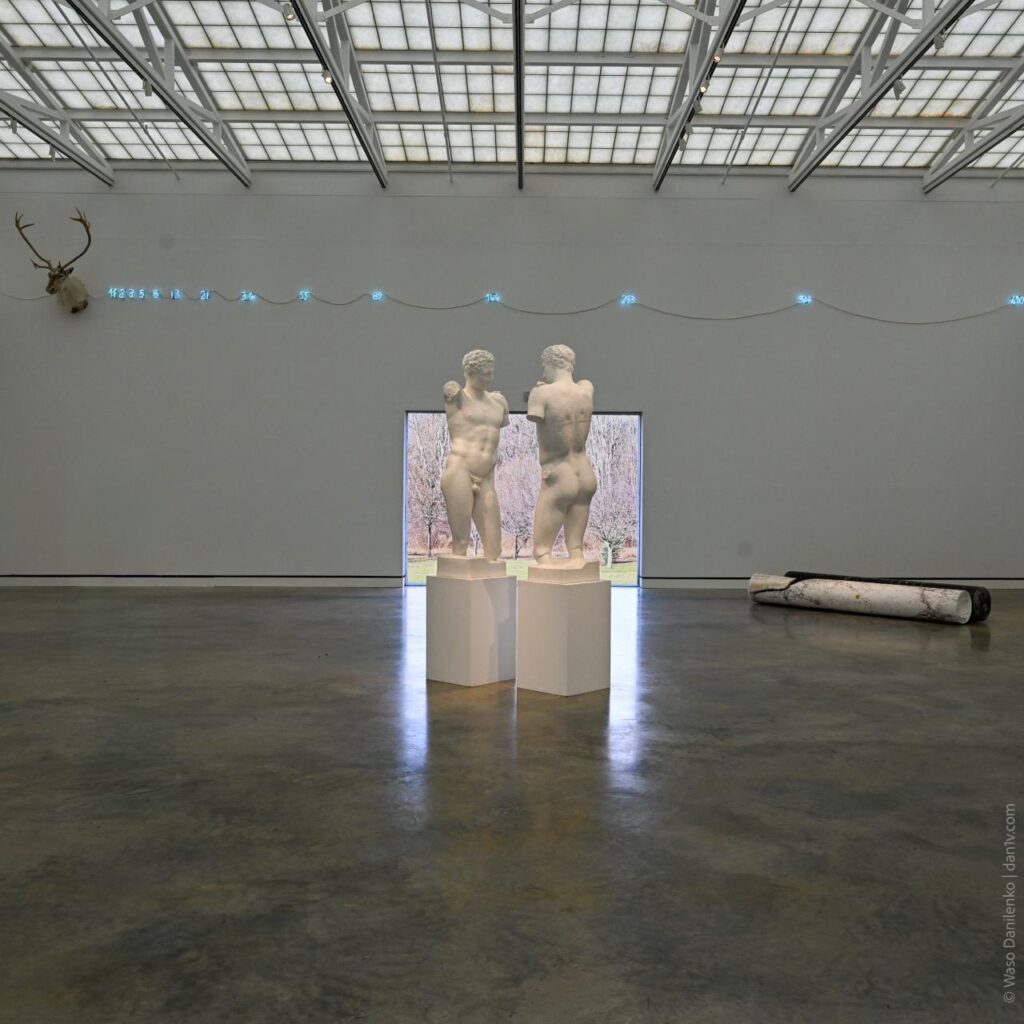
Magazzino showcases key figures of Italian radicalism: Michelangelo Pistoletto, Mario Merz, Giulio Paolini, Giovanni Anselmo, Giuseppe Penone, and Alighiero Boetti. Though groundbreaking 70 years ago, today their work feels like the witty, relevant contemporary art we’re used to seeing at places like Dia Beacon.
Architecture and Setting
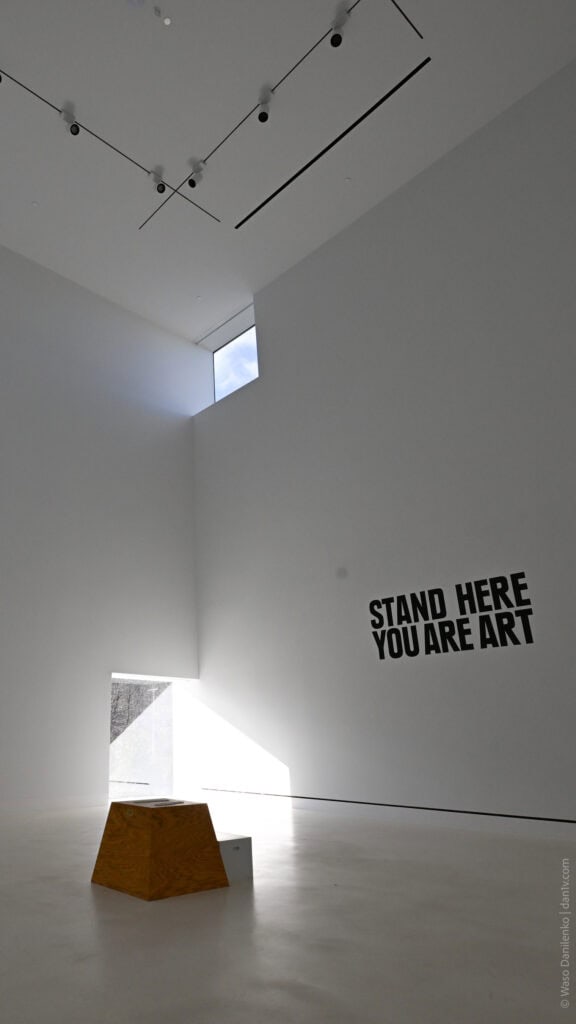
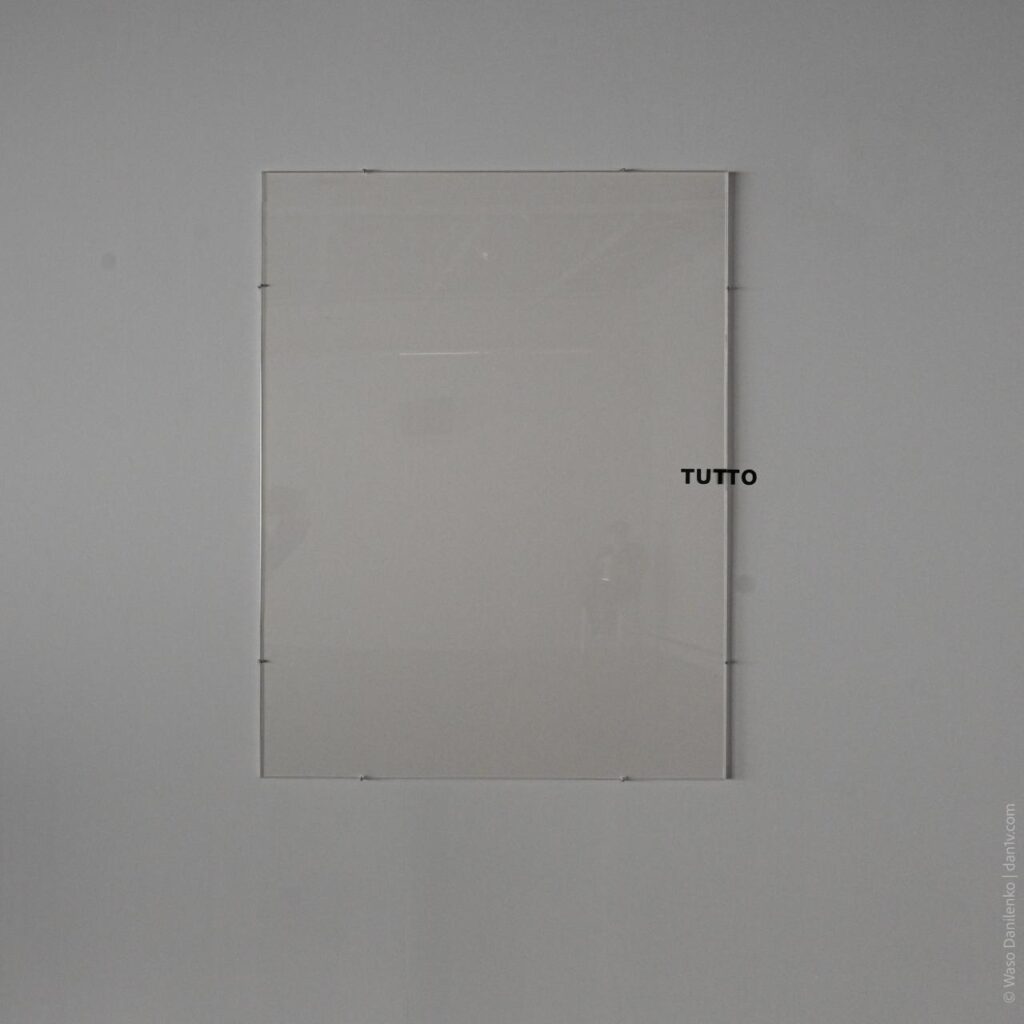
Since Magazzino was originally designed for a specific collection, each artwork is placed within architecture that suits it perfectly. Every piece has its own spatial volume and visual territory. Despite the museum’s modest size, you get the sense that you’re engaging with each work — painting, object, or installation — one-on-one.
This dynamic works both ways: the art highlights the originality and conceptual precision of the building itself. While exploring the collection, you are simultaneously taking an architectural tour of a project by the relatively young New York–based studio MQ Architecture.
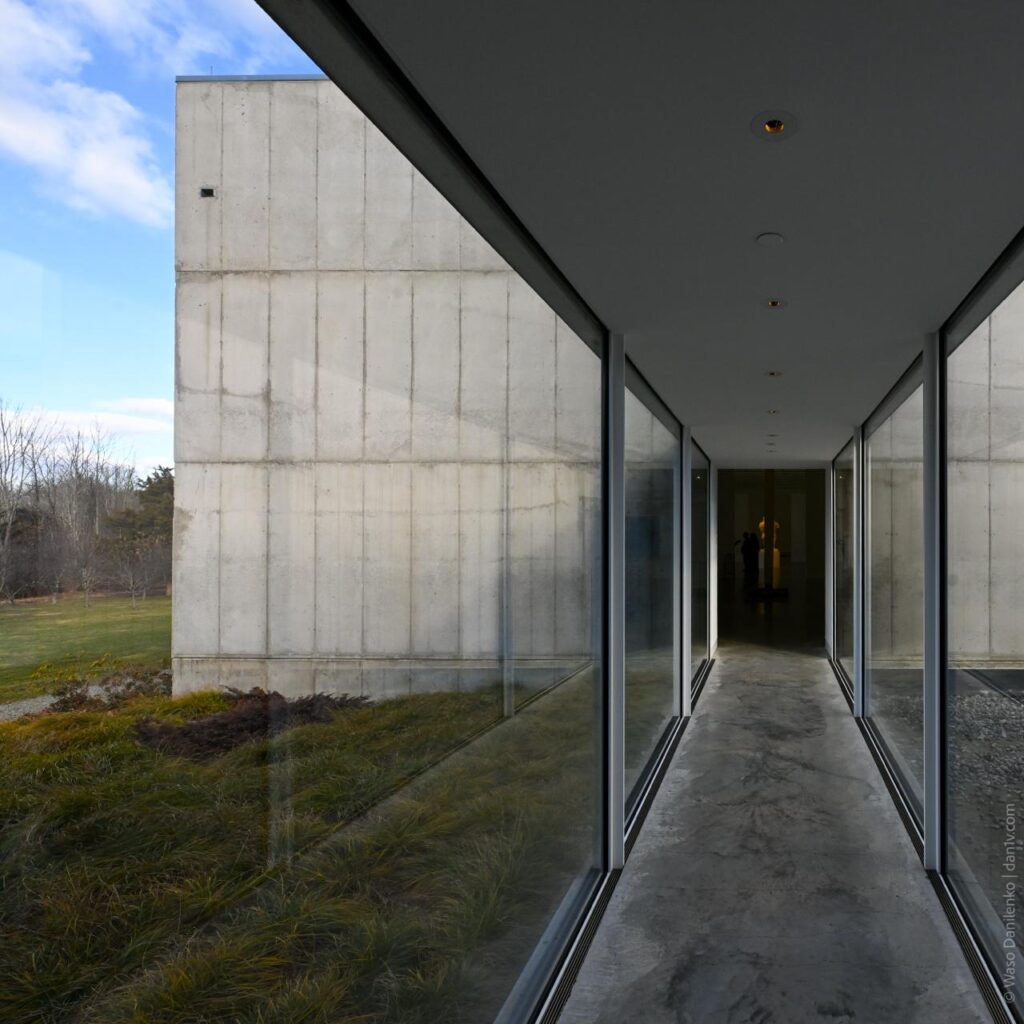
The museum sits on a quiet stretch of the Hudson Valley, surrounded by open views of hills and forests. Add to this the beautifully designed landscape, outdoor art installations, and even a pair of donkeys living on the grounds — and the atmosphere becomes that of a small art retreat, offering space to observe, breathe, and reset after intense days in New York.
Just 10 minutes away is the town of Cold Spring, an ideal stop before or after your visit. Cafés, antique shops, mountain views, and a charming “little Europe” vibe just an hour from Manhattan. A museum shuttle runs from the town, costing $3.

Café Silvia
In 2023, the museum added the Robert Olnick Pavilion, designed by the same architects. It offers extra gallery spaces, a small bookstore and gift shop, and an unexpected yet perfectly fitting element — Café Silvia. This is not just a museum café; it’s designed as a seamless extension of the museum experience.
The menu, developed by chef Luca Galli, blends Italian simplicity with the local Hudson Valley philosophy. Most ingredients come from regional farms or are grown on-site; the kitchen follows a farm-to-table approach, which feels like a natural continuation of the museum’s core ideas about material, context, and nature.
And the coffee deserves a special mention — I highly recommend ordering a macchiato. I also picked up some Italian marinated peppers there for my New Year’s table.
Visitor Information
Address: Magazzino Italian Art / 2700 US-9, Cold Spring, NY 10516
Admission: $20.00. Tickets should be reserved in advance at: magazzino.art/visit
Instagram: @magazzino