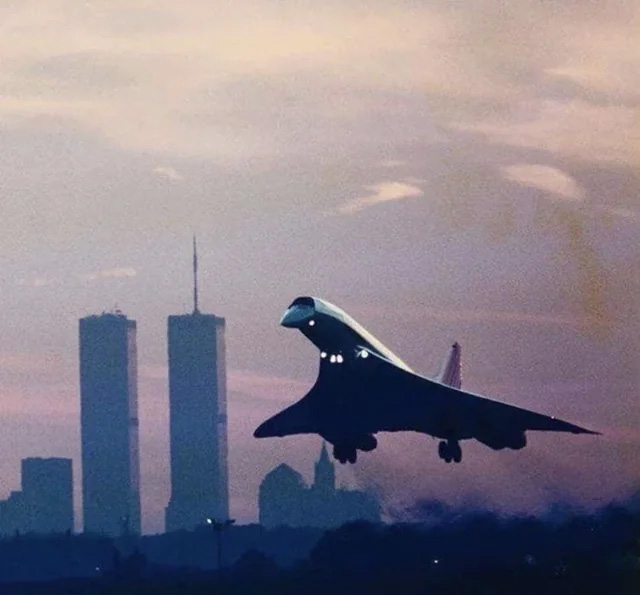
Exactly 50 years ago, on January 21, 1976, commercial service of the Concorde supersonic passenger jet officially began.
Two aircraft took off that day, one from Paris and one from London. The French Concorde flew to Rio de Janeiro, while the British aircraft headed to Bahrain.
Why not London–New York, which would later become Concorde’s main route and, in many ways, the reason the project existed at all — Europe to America?
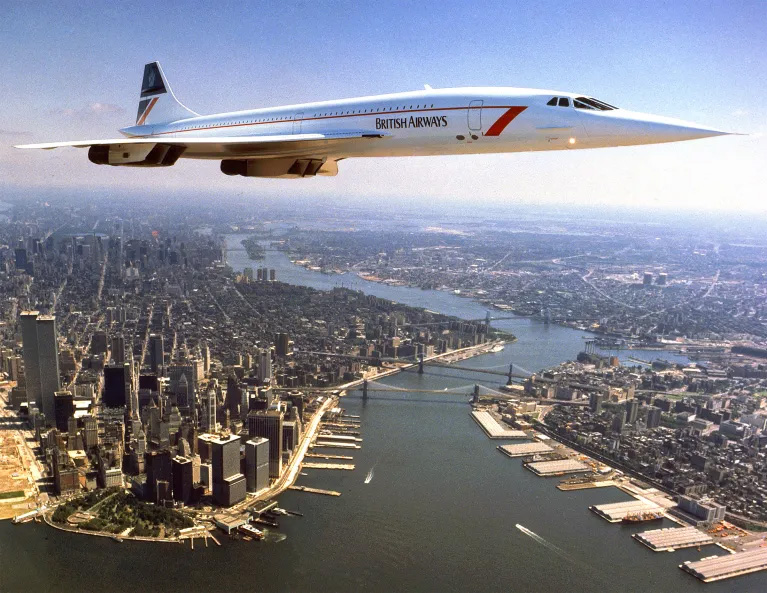
For a long time, US authorities refused to grant permission because of noise concerns and environmental protests. The noise really was extreme. At the same time, everyone understood that the hesitation was also tied to the failure of America’s own supersonic project, the Boeing 2707.
The first Concorde flight to the US didn’t happen until November 1977 — almost two years after commercial operations had begun. Sadly, the era of supersonic passenger travel lasted just 27 years.
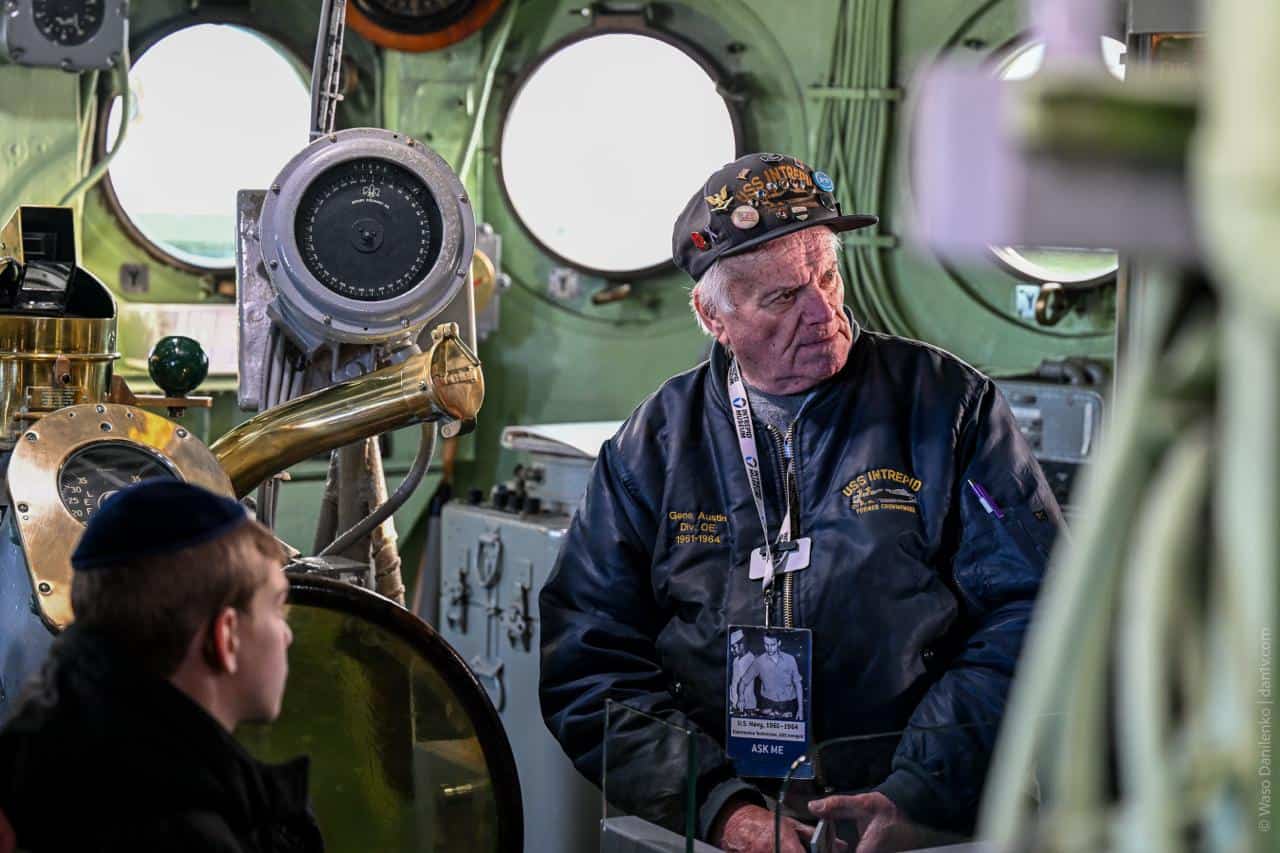
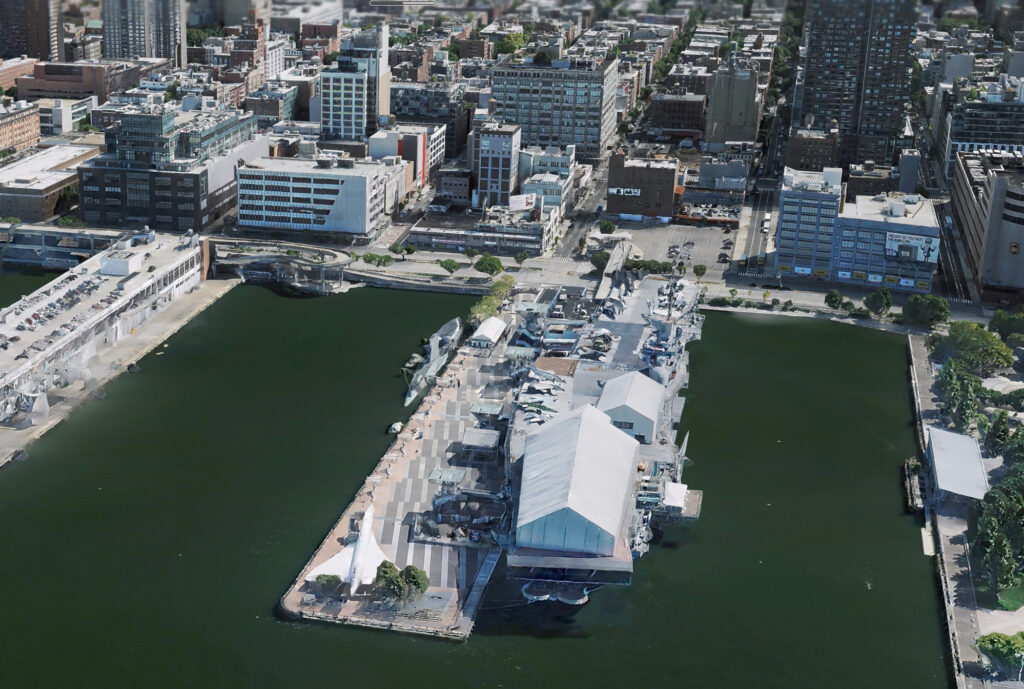
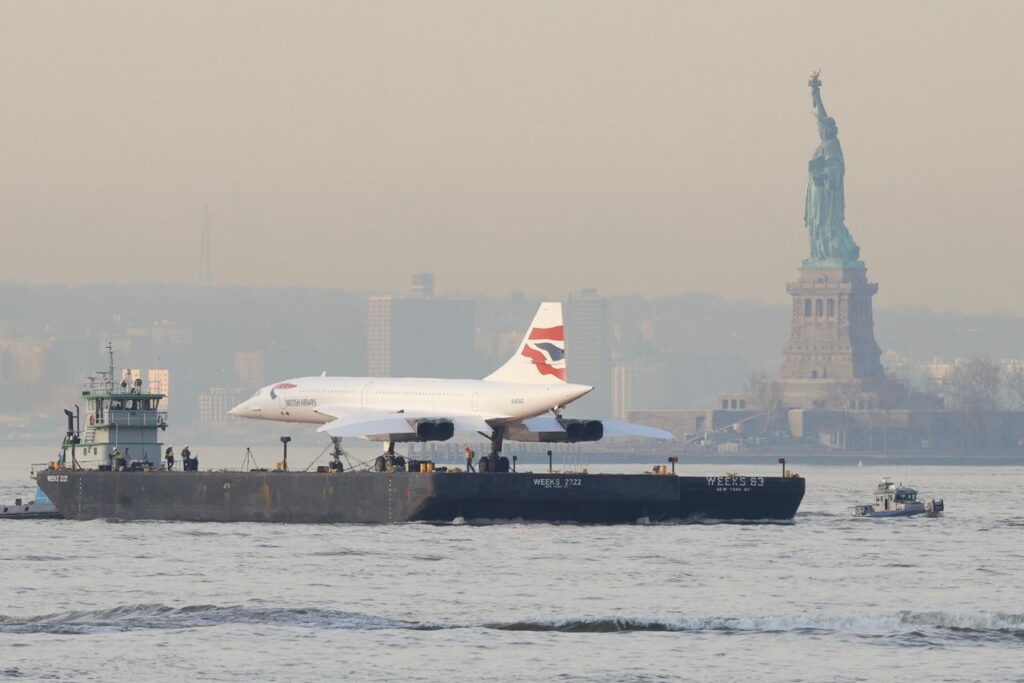
Today, one of these aircraft can be seen in New York. A Concorde is permanently parked on the pier at the Intrepid Sea, Air & Space Museum.
As part of a guided tour, you can actually step inside the fastest passenger plane in history. It’s also a good moment to put things into perspective: only 20 Concordes were ever built, and the New York aircraft is number fourteen — tail number 210 / G-BOAD. It flew from 1976 to 2003 and logged more flight hours than any other Concorde.
It was this very plane that set one of the most famous records in civil aviation in 1996: flying from New York to London in 2 hours and 53 minutes. A time that still sounds almost unreal today.
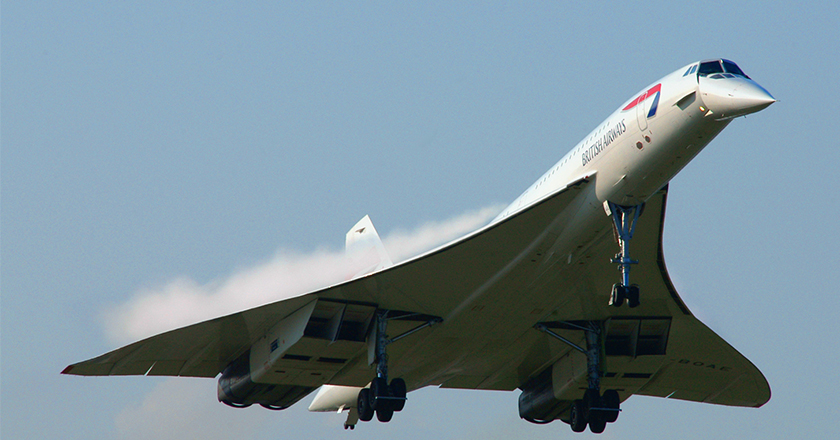
Concorde, in general, is a story told through records. It cruised at 2,167 km/h, was one of the first passenger aircraft to use a fly-by-wire system, where controls are transmitted electronically rather than mechanically, and flew at around 18,000 meters — high enough that the curvature of the Earth stops being a theory and becomes something you can actually see.
At the same time, Concorde was record-breakingly loud. So loud that protests from residents and pressure from environmental groups led to bans on its flights in the US, as well as route restrictions over Malaysia and India.
Fuel consumption was record-setting too — along with ticket prices. In 1997, a one-way ticket cost $6,703. And that was for a fairly modest cabin with small windows that, by today’s standards, feel more disappointing than impressive. Concorde was never about comfort. It was about the idea.
There’s even an almost mythical detail: over all those decades, there is essentially only one photograph of Concorde flying at supersonic speed — simply because nothing else could fly fast enough to photograph it.
If you find yourself with a free hour in New York, stop by the Intrepid Museum’s Concorde tour. For a symbolic $15, you can sit in the cabin, peek into the cockpit, and literally take the pilots’ seats. The museum also honestly acknowledges the Soviet Tu-144 — the other supersonic experiment of the era, which completed just 55 passenger flights.
Practical information
📍 Address: Concorde Tour at Intrepid Museum/ Pier 86, W 46th St, New York, NY 10036
🎟️ Ticket: $15 via the museum’s website