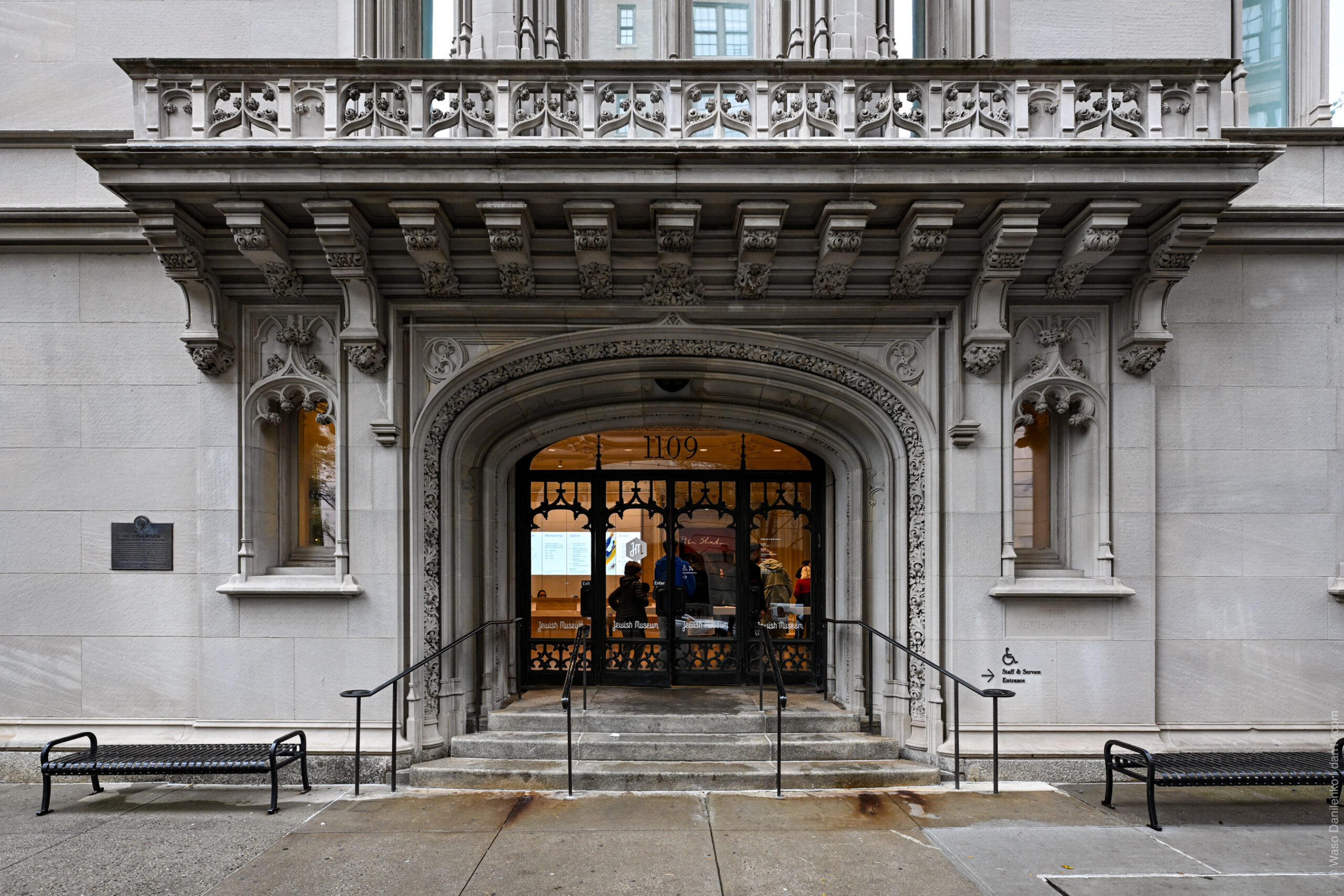
Jewish Museum in New York is a unique museum on Fifth Avenue dedicated to the history, art, and heritage of the Jewish people. It is considered one of the best museums in New York City and is also one of the most important Jewish museums in the United States.
The museum houses archaeological finds, ritual objects, ethnographic collections, as well as works by artists such as Andy Warhol, Alice Neel, Alex Katz, Adolph Gottlieb, and others. Thanks to its rich collection, deep historical context, and prime location near Central Park, the Jewish Museum on Fifth Avenue is a must-visit for anyone interested in history and culture.
History
The history of the Jewish Museum in New York began in 1904, when Judge Mayer Sulzberger donated the first exhibits to the Jewish Theological Seminary. Since then, the institution has grown into one of the largest collections of Jewish art in the world.
In 1944, Jewish philanthropist Frieda Schiff Warburg donated her mansion on Fifth Avenue to the museum. This beautiful building, designed in the French Gothic style by architect Charles Gilbert in 1908, became the home of the museum.
In 1947, the Jewish Museum officially opened its doors, becoming a key institution for the preservation of Jewish culture in America.
Collections
The Jewish Museum’s collection started very modestly, with the first 26 works of art donated by Judge Mayer Sulzberger. Today, the museum’s holdings include over 26,000 objects — paintings, sculptures, archaeological artifacts, ritual items, coins, ethnographic materials, books, and much more.
In 1925, the museum acquired the Benguiat family collection, a family of antique collectors from Smyrna (modern-day İzmir, Turkey). This collection included works of art from the Ottoman Empire and Italy.
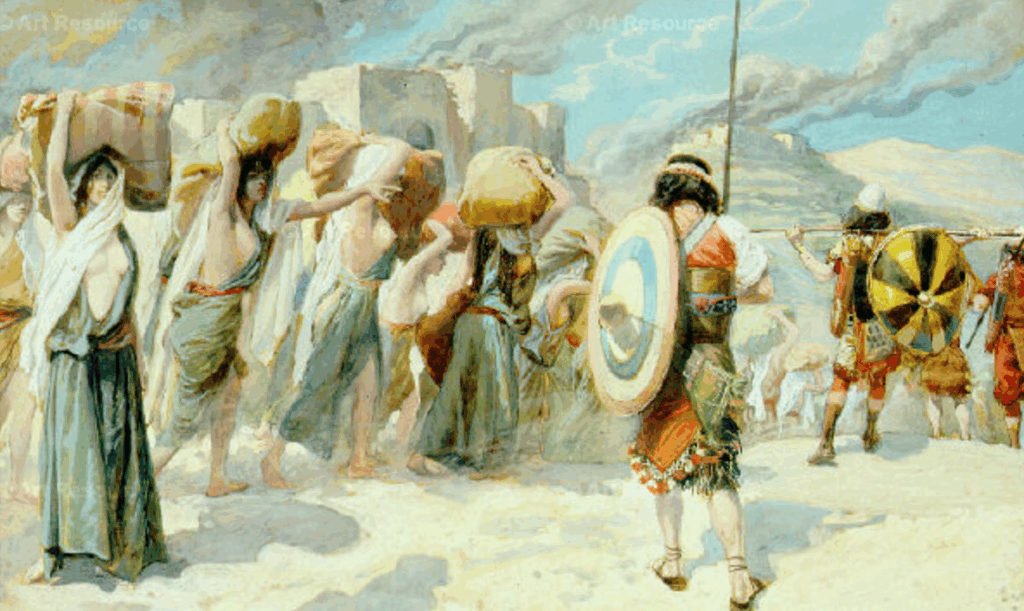
In 1939, the Jewish community of Danzig donated its unique collection of Judaica to the museum to save it from destruction, making an important contribution to preserving the memory of European Jewish culture devastated during World War II.
In 1952, the museum received over 200 ritual objects through the Jewish Cultural Reconstruction, an organization responsible for returning cultural properties confiscated by the Nazis.
Between 1941 and 1965, philanthropist and community leader Dr. Harry G. Friedman donated more than 6,000 works to the museum.
Visitors today can explore:
- Unique ritual objects from different eras;
- Precious Torah scrolls, menorahs, and ceremonial scrolls;
- Artistic works from the 20th and 21st centuries;
- Temporary exhibitions of contemporary art.
The Jewish Museum in New York strives to preserve and transmit the spiritual traditions of Jewish communities to future generations, emphasizing cultural unity despite geographical dispersion. This mission is highlighted in the permanent exhibition “Culture and Continuity: The Jewish Journey”, which tells the story of the Jewish people.
A permanent exhibition, “Culture and Continuity: The Jewish Journey,” reflects on the shared heritage of Jewish communities across the globe, highlighting both unity and diversity throughout centuries of diaspora.
Culture and Continuity: The Jewish Journey
This major exhibition is considered the conceptual core of the museum. Renowned beyond the United States, it provides a deeply immersive experience. The exhibition is organized so that visitors move along a living historical path spanning millennia of Jewish life.
Here, one can see artifacts from ancient Judea and medieval Europe, household items from Sephardic and Ashkenazi communities, ceremonial objects, books, and manuscripts that survived wars and migrations. Each room represents a separate chapter in a grand historical narrative, from antiquity and diaspora to the formation of communities in America and contemporary cultural flourishing.
Special attention is given to the connection between generations, showing how menorahs, hanukkiahs, and Torah scrolls became memory keepers, uniting communities.
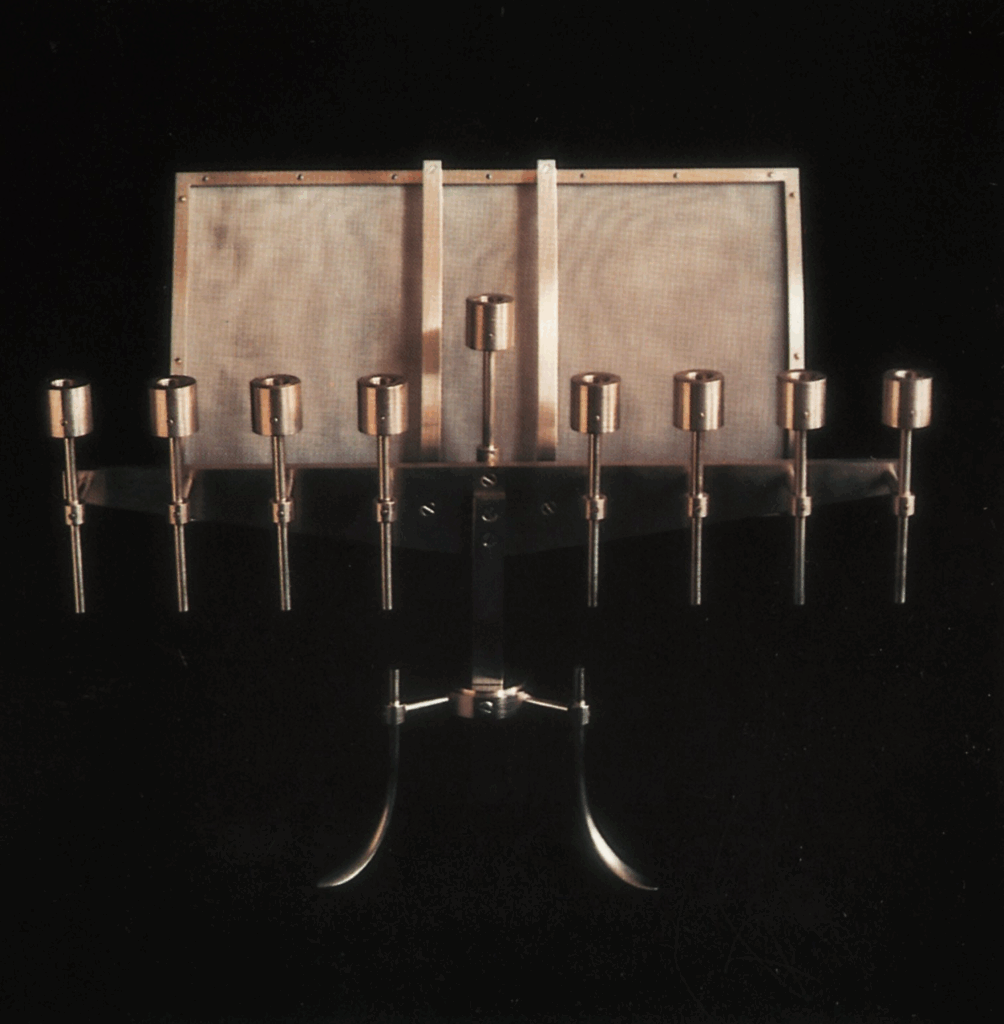
At the conclusion of the exhibition, visitors encounter modern interpretations of Jewish identity, including works by 20th- and 21st-century artists.
Contemporary Art in the Jewish Museum, New York
While the museum is known for its historical ritual objects and archaeological artifacts, contemporary art is an equally important part of its collection.
Since the mid-20th century, the museum has actively included works by contemporary artists, particularly those whose art engages with Jewish identity or culture. Notable examples include:
- Andy Warhol, whose pop-art experiments became symbols of the American avant-garde;
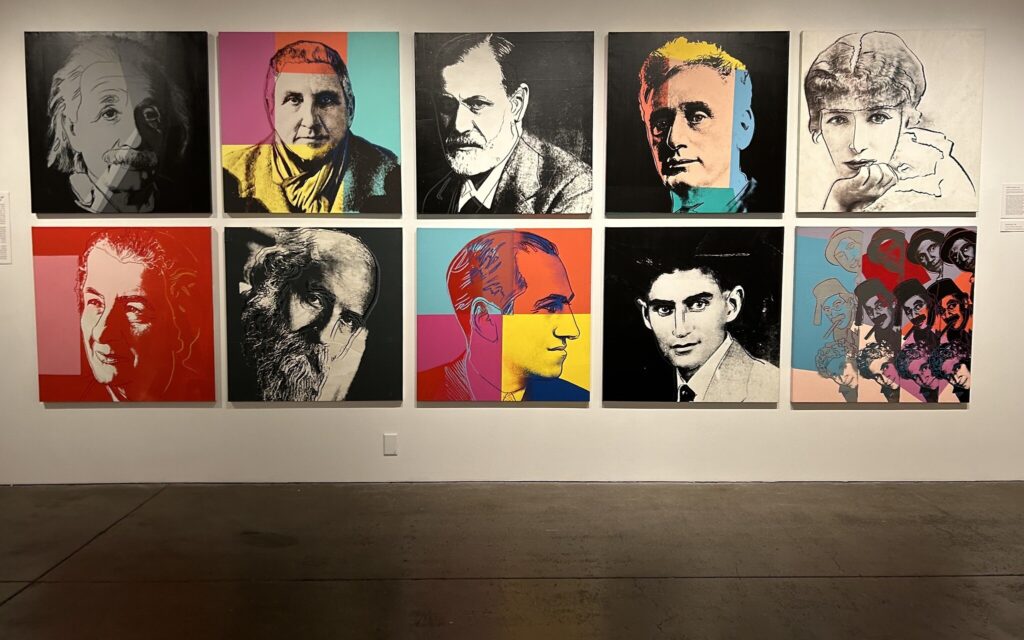
- Alex Katz, known for his bright and dynamic urban landscapes;
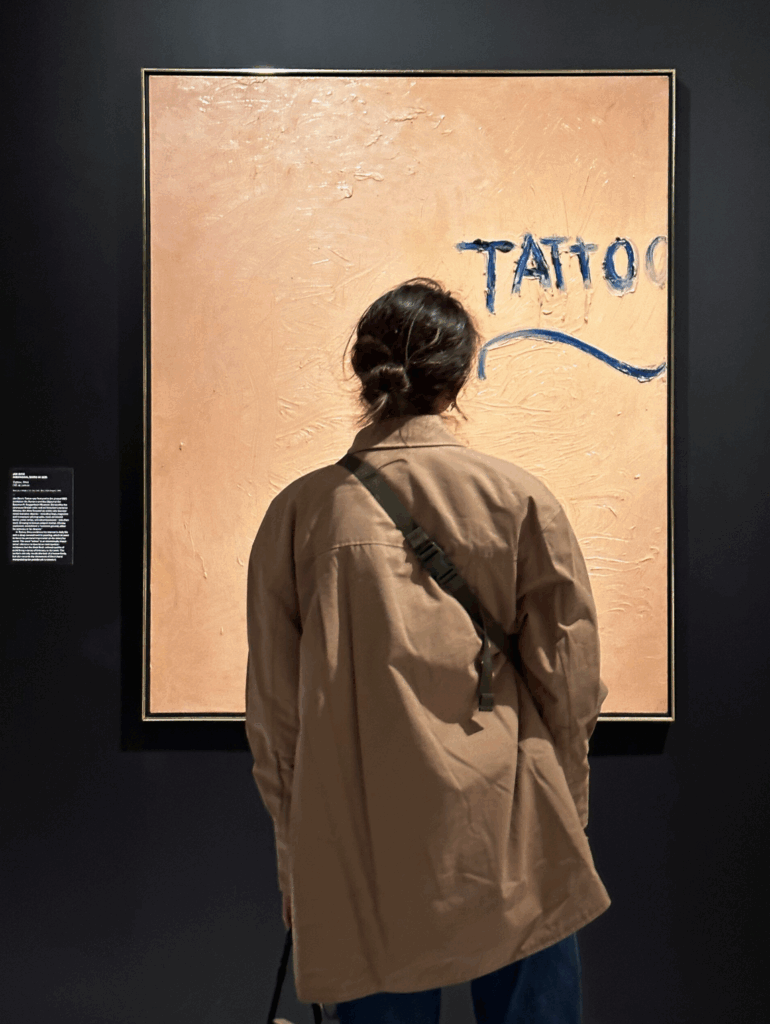
- Alice Neel, who explored abstract forms and color contrasts;
- Adolph Gottlieb, whose paintings combined symbolism with modern techniques;
- Mark Rothko and Jasper Johns, whose works influenced the development of 20th-century visual language.
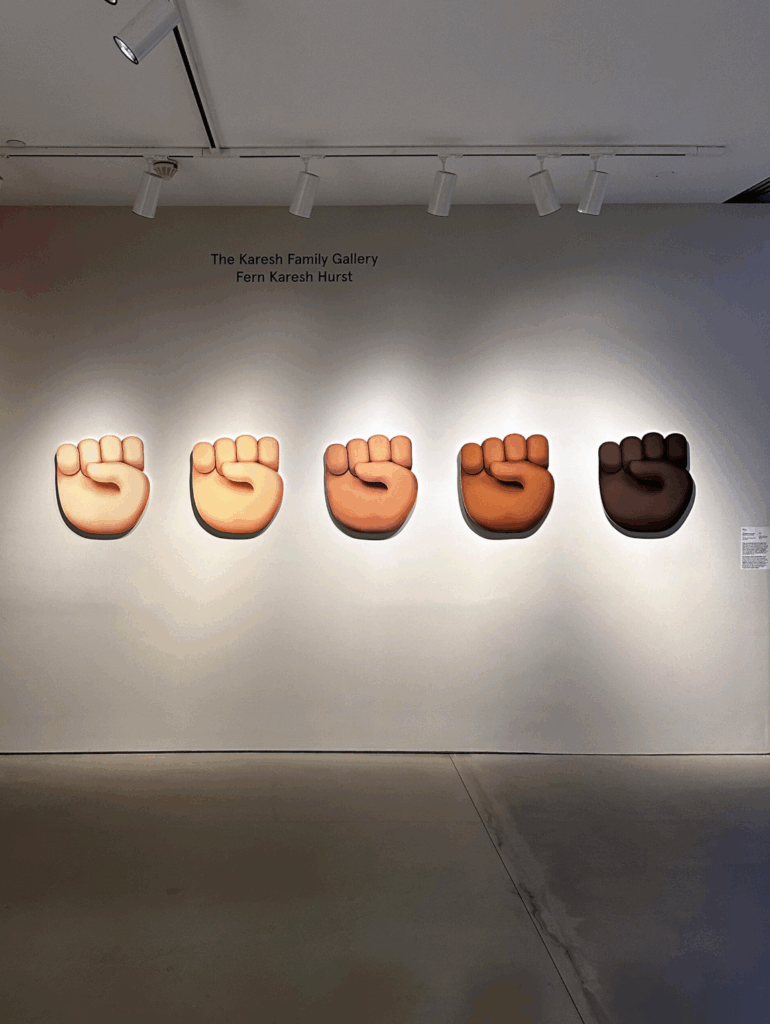
These contemporary works demonstrate how Jewish art adapts to the American context and global culture while maintaining a connection to Jewish history and identity.
Visitor Information
Tickets: $18 general admission; discounts available