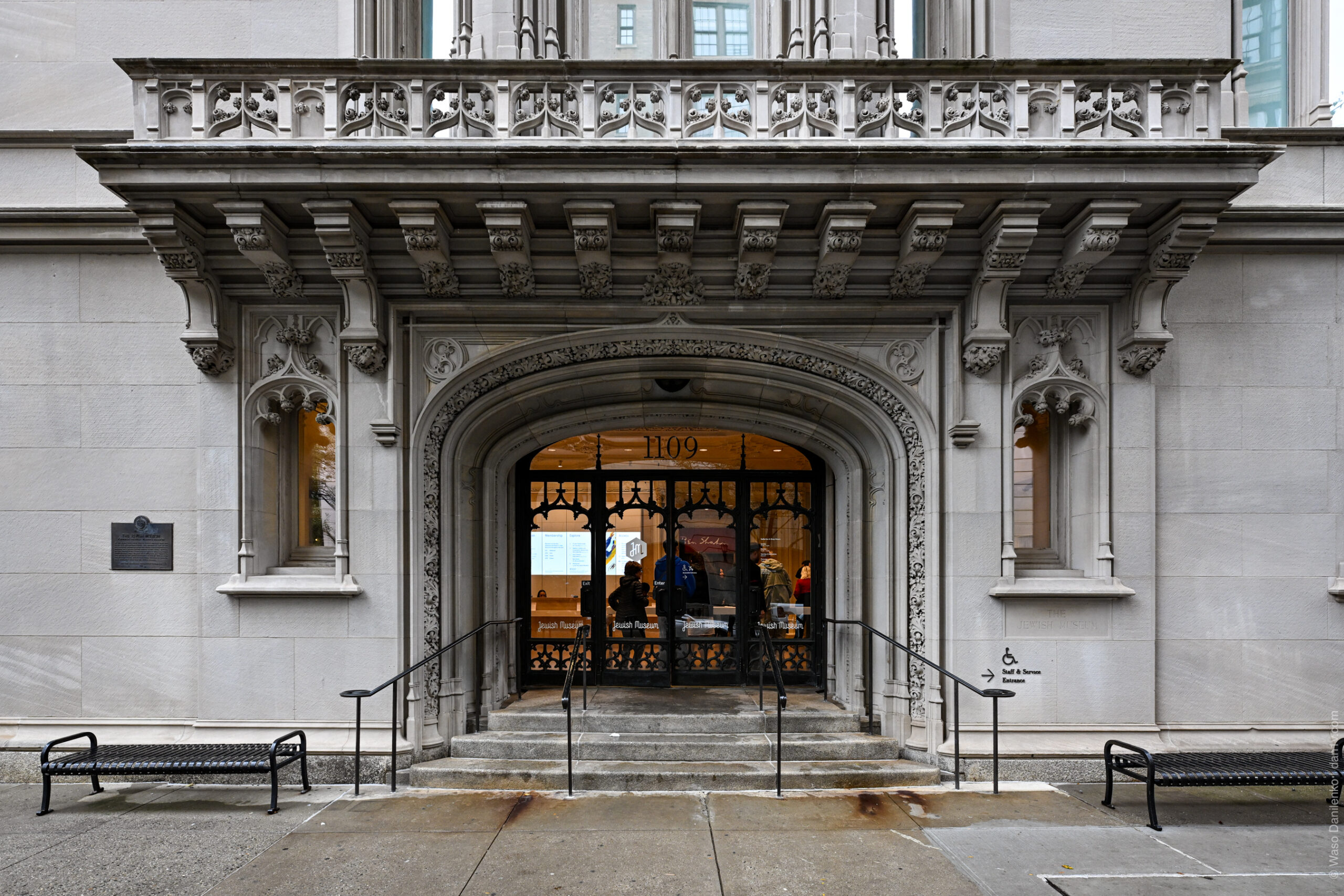
Among New York City’s museums, the Jewish Museum rarely makes it onto the top ten of tourist itineraries. That’s a shame: it is one of the most unusual museums along Museum Mile on Fifth Avenue. Housed in a lavish early 20th-century mansion that resembles a château in the Loire Valley, it explores Jewish culture through art, from ancient ritual objects to works by Marc Chagall, Robert Rauschenberg, and contemporary artists.
The collection contains nearly 30,000 objects and spans approximately 4,000 years of Jewish history and culture around the world. This is neither a Holocaust museum nor an exclusively religious institution. Visitors can see medieval silverware, paintings, and photography, then step into an adjacent gallery featuring contemporary art.
Interesting Facts About the Jewish Museum in New York City
- The Jewish Museum was founded in 1904, when Judge Mayer Sulzberger donated a collection to the Jewish Theological Seminary. It became the first Jewish museum in the United States and one of the oldest in the world.
- The museum occupies the former Fifth Avenue mansion of financier Felix Warburg. In 1944, his widow, Frieda Schiff Warburg, donated the house to the museum, saving it from demolition and preserving one of the few surviving mansions from what was once known as Millionaires’ Row.
- The museum opened in the Warburg mansion in 1947. Frieda Warburg wanted it to be a place celebrating Jewish life, culture, and traditions rather than a monument to suffering. This vision remains an important part of the museum’s mission.
- Felix Warburg’s son, Edward, played a significant role in New York’s cultural life. He became one of the founders of the Museum of Modern Art (MoMA) and helped establish the School of American Ballet.
- In the 1960s, the Jewish Museum became an important venue for contemporary art. It hosted early museum exhibitions of works by Robert Rauschenberg and Jasper Johns. In 1966, it presented Primary Structures, an exhibition that became a landmark in the development of Minimalism in the United States.
- The museum’s exhibitions explore not only religion and traditional art but also contemporary culture. Past exhibitions have featured musicians Leonard Cohen and Amy Winehouse.
- In October 2025, the museum opened renovated third and fourth floors featuring the approximately 7,000-square-foot Pruzan Family Center for Learning. The space includes creative studios, interactive areas, and a play zone where children can try their hand at being archaeologists.
History of the Jewish Museum in New York City
The history of the Jewish Museum in New York City began in 1904, when Judge Mayer Sulzberger donated a collection of Jewish ritual objects to the Jewish Theological Seminary. Initially, the objects were stored and displayed in the seminary’s library. This marked the beginning of the first public collection of Jewish art in the United States.
The building that houses the museum today was constructed in 1908 for banker Felix Warburg. Architect C. P. H. Gilbert designed the mansion in the style of French Gothic castles and Renaissance palaces. Its pointed roofs, turrets, ornamental plasterwork, and carved stonework set it apart from other buildings along Fifth Avenue.
After Felix Warburg’s death in 1937, his family decided to donate the mansion to the museum. In 1944, the financier’s widow, Frieda Schiff Warburg, officially transferred ownership of the building, and a permanent exhibition opened there in 1947. The museum gained a dedicated space of its own and became more accessible to the general public.
In the 1960s, the museum expanded its program and began actively showcasing contemporary art. It hosted exhibitions featuring Robert Rauschenberg and Jasper Johns, and in 1966, it presented Primary Structures, an exhibition that played an important role in the development of Minimalism in the United States. As a result, the museum became known not only for its collection of Jewish art but also for its support of emerging artistic movements.
A new wing was added to the historic mansion in the 1960s, and the museum underwent another expansion in the early 1990s. The architects sought to integrate the new additions with the original building to preserve the complex’s overall architectural character.
In the spring of 2020, the museum temporarily closed due to the COVID-19 pandemic and reopened on October 1 of that year. In the following years, it continued to develop its exhibition and educational programs, including the opening of renovated learning spaces for children and families in October 2025.
Collections
The Jewish Museum’s collection started very modestly, with the first 26 works of art donated by Judge Mayer Sulzberger. Today, the museum’s holdings include over 26,000 objects — paintings, sculptures, archaeological artifacts, ritual items, coins, ethnographic materials, books, and much more.
In 1925, the museum acquired the Benguiat family collection, a family of antique collectors from Smyrna (modern-day İzmir, Turkey). This collection included works of art from the Ottoman Empire and Italy.
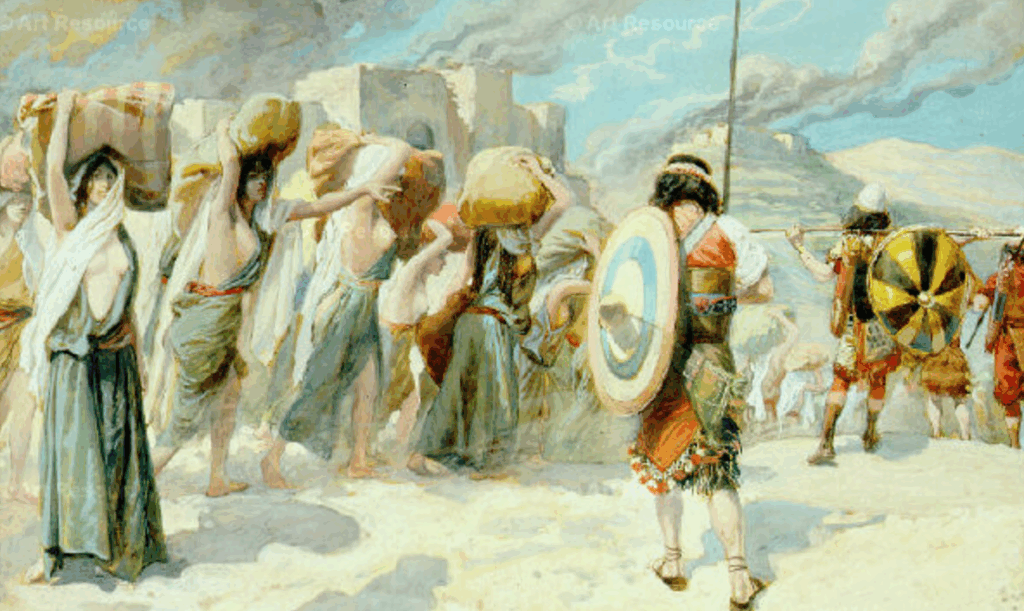
In 1939, the Jewish community of Danzig donated its unique collection of Judaica to the museum to save it from destruction, making an important contribution to preserving the memory of European Jewish culture devastated during World War II.
In 1952, the museum received over 200 ritual objects through the Jewish Cultural Reconstruction, an organization responsible for returning cultural properties confiscated by the Nazis.
Between 1941 and 1965, philanthropist and community leader Dr. Harry G. Friedman donated more than 6,000 works to the museum.
Visitors today can explore:
- Unique ritual objects from different eras;
- Precious Torah scrolls, menorahs, and ceremonial scrolls;
- Artistic works from the 20th and 21st centuries;
- Temporary exhibitions of contemporary art.
The Jewish Museum in New York strives to preserve and transmit the spiritual traditions of Jewish communities to future generations, emphasizing cultural unity despite geographical dispersion. This mission is highlighted in the permanent exhibition “Culture and Continuity: The Jewish Journey”, which tells the story of the Jewish people.
A permanent exhibition, “Culture and Continuity: The Jewish Journey,” reflects on the shared heritage of Jewish communities across the globe, highlighting both unity and diversity throughout centuries of diaspora.
Culture and Continuity: The Jewish Journey
This major exhibition is considered the conceptual core of the museum. Renowned beyond the United States, it provides a deeply immersive experience. The exhibition is organized so that visitors move along a living historical path spanning millennia of Jewish life.
Here, one can see artifacts from ancient Judea and medieval Europe, household items from Sephardic and Ashkenazi communities, ceremonial objects, books, and manuscripts that survived wars and migrations. Each room represents a separate chapter in a grand historical narrative, from antiquity and diaspora to the formation of communities in America and contemporary cultural flourishing.
Special attention is given to the connection between generations, showing how menorahs, hanukkiahs, and Torah scrolls became memory keepers, uniting communities.
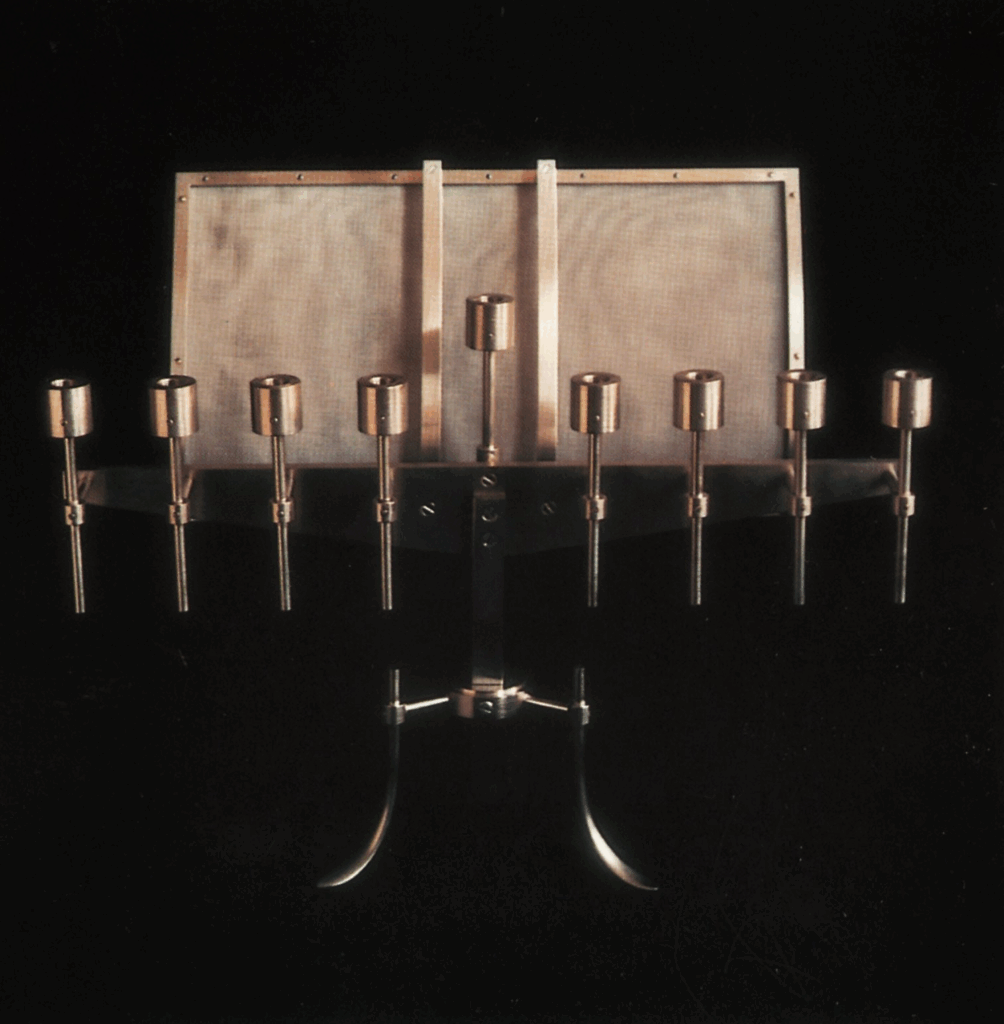
At the conclusion of the exhibition, visitors encounter modern interpretations of Jewish identity, including works by 20th- and 21st-century artists.
Contemporary Art in the Jewish Museum, New York
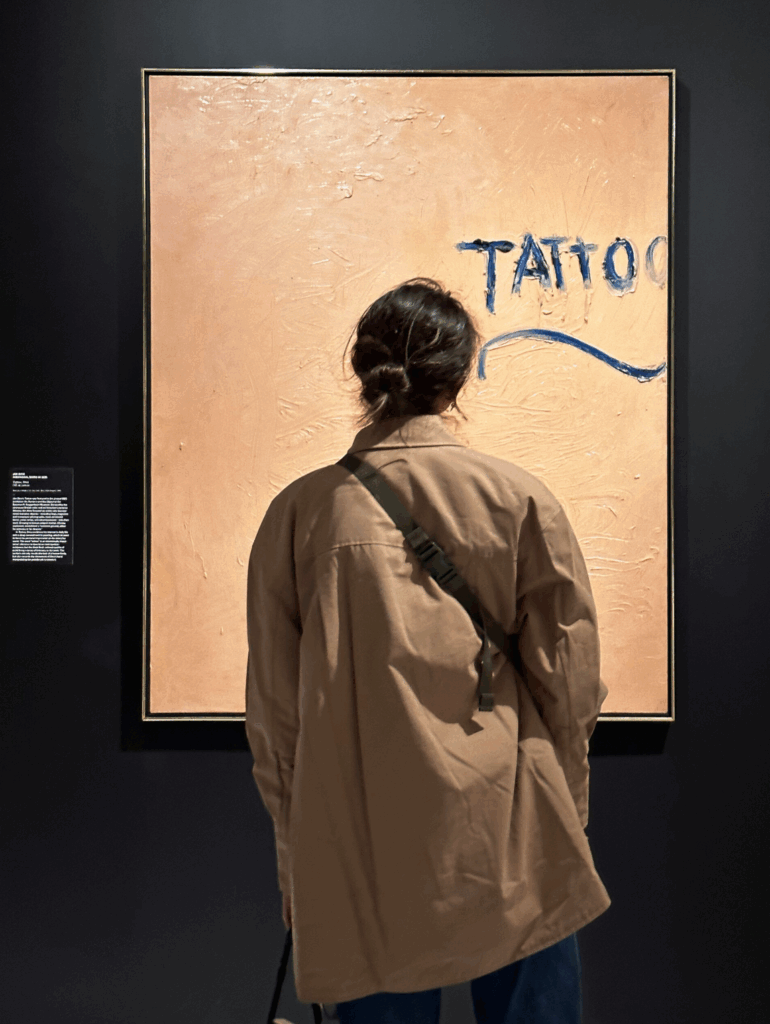
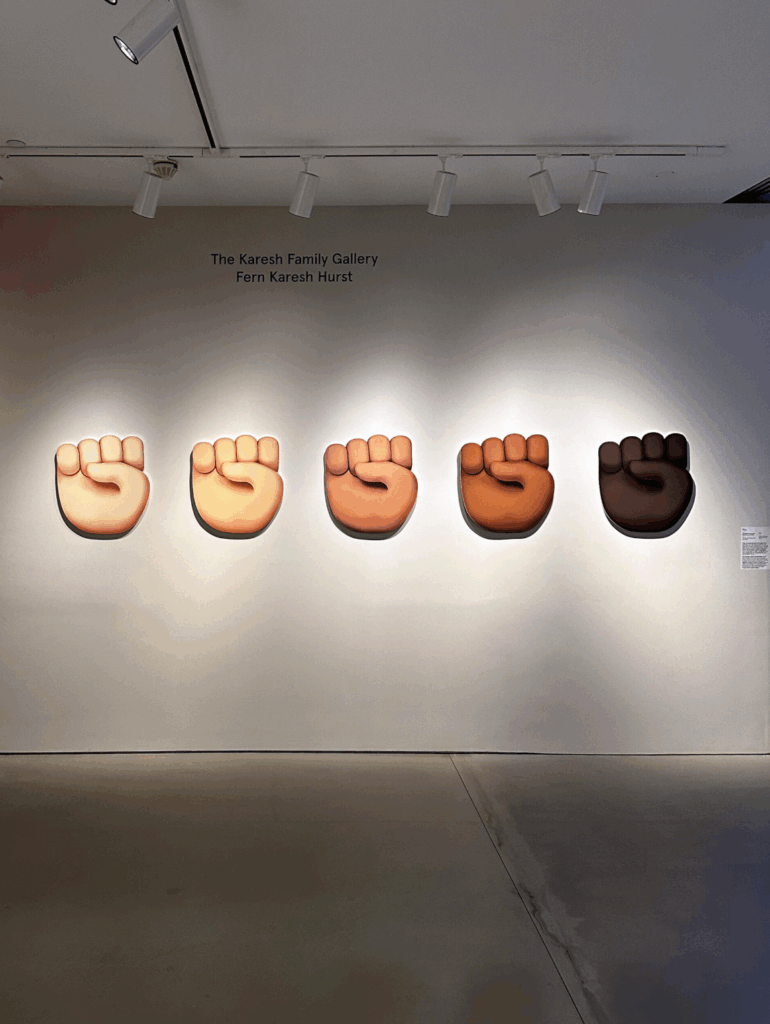
While the museum is known for its historical ritual objects and archaeological artifacts, contemporary art is an equally important part of its collection.
Since the mid-20th century, the museum has actively included works by contemporary artists, particularly those whose art engages with Jewish identity or culture. Notable examples include:
- Andy Warhol, whose pop-art experiments became symbols of the American avant-garde;
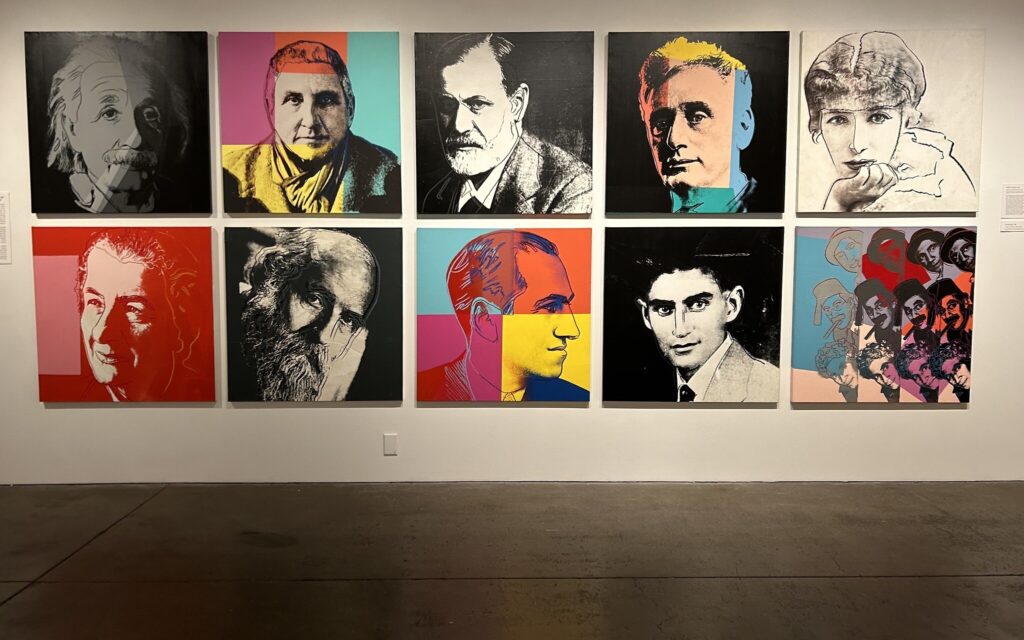
- Alex Katz, known for his bright and dynamic urban landscapes;
- Alice Neel, who explored abstract forms and color contrasts;
- Adolph Gottlieb, whose paintings combined symbolism with modern techniques;
- Mark Rothko and Jasper Johns, whose works influenced the development of 20th-century visual language.
These contemporary works demonstrate how Jewish art adapts to the American context and global culture while maintaining a connection to Jewish history and identity.