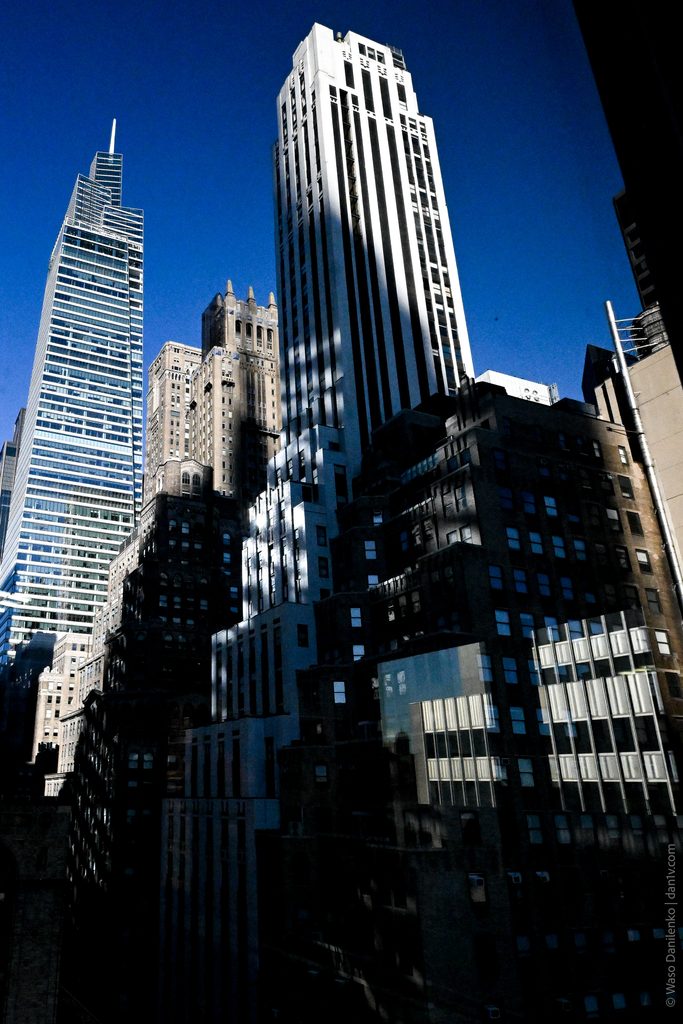
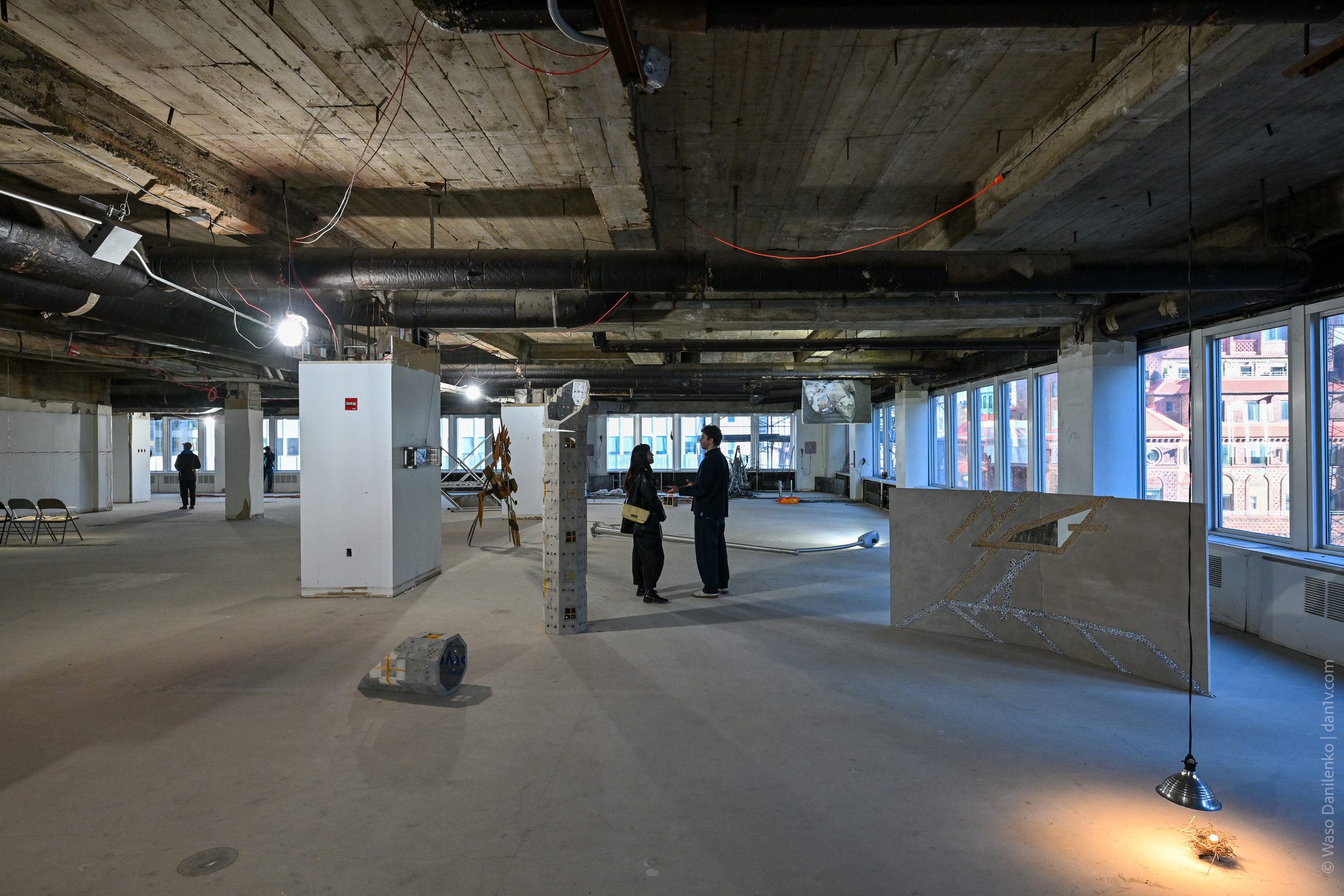
Midtown Manhattan is hosting an impressive contemporary art exhibition called 260 Madison. The entire 14th floor of the skyscraper at the address suggested by its name has been transformed into a space for the boldest ideas of more than 50 artists.
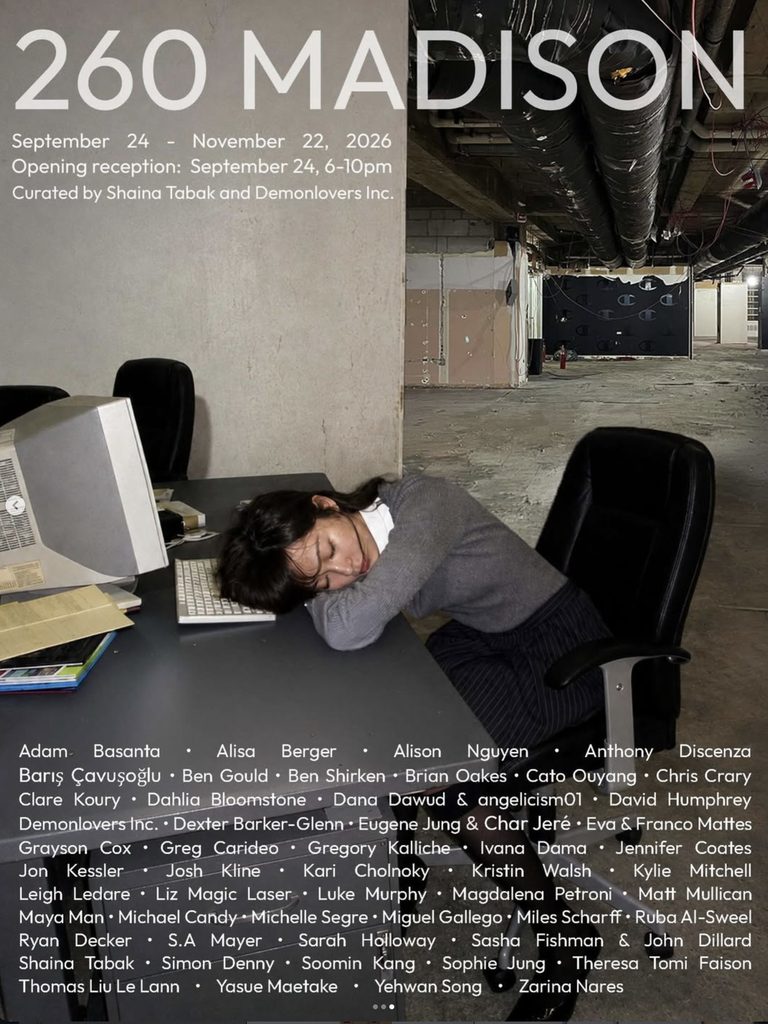
The Location of the 260 Madison Exhibition
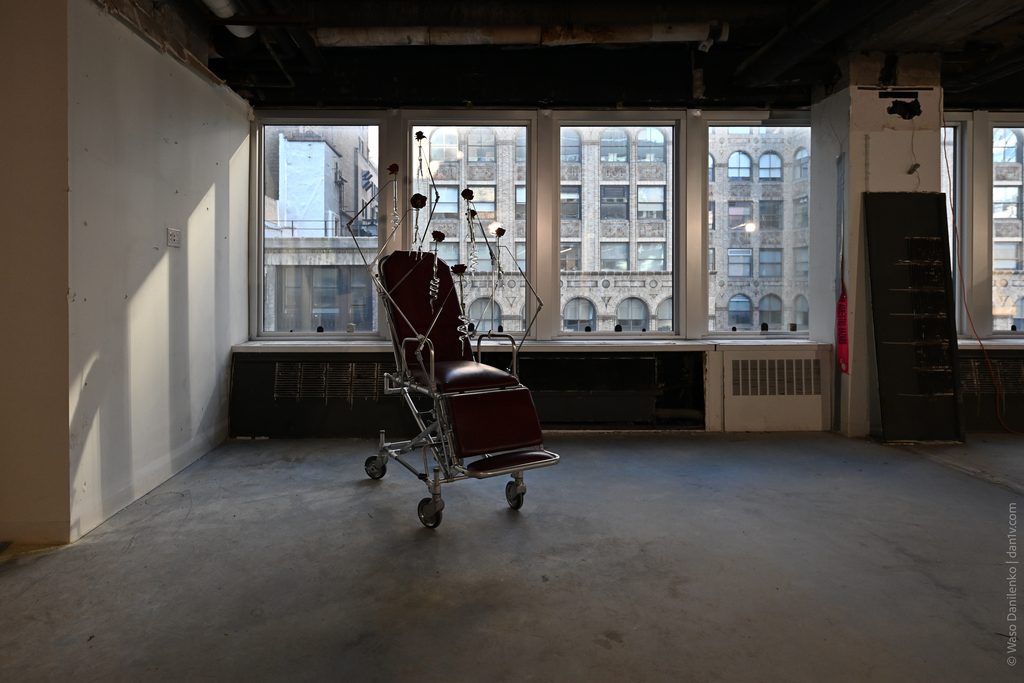
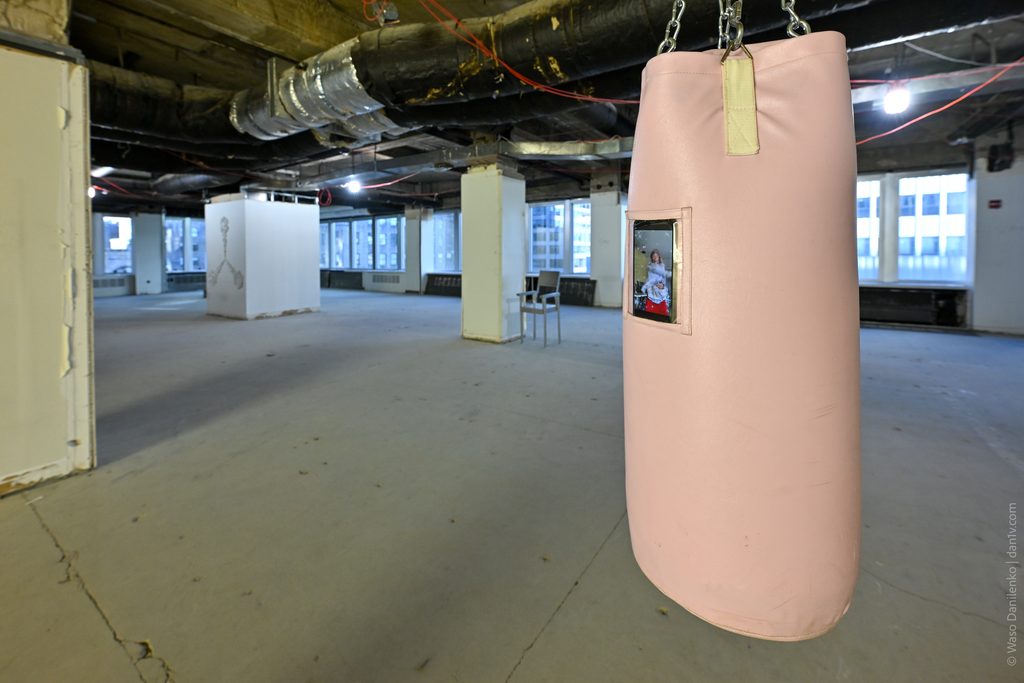
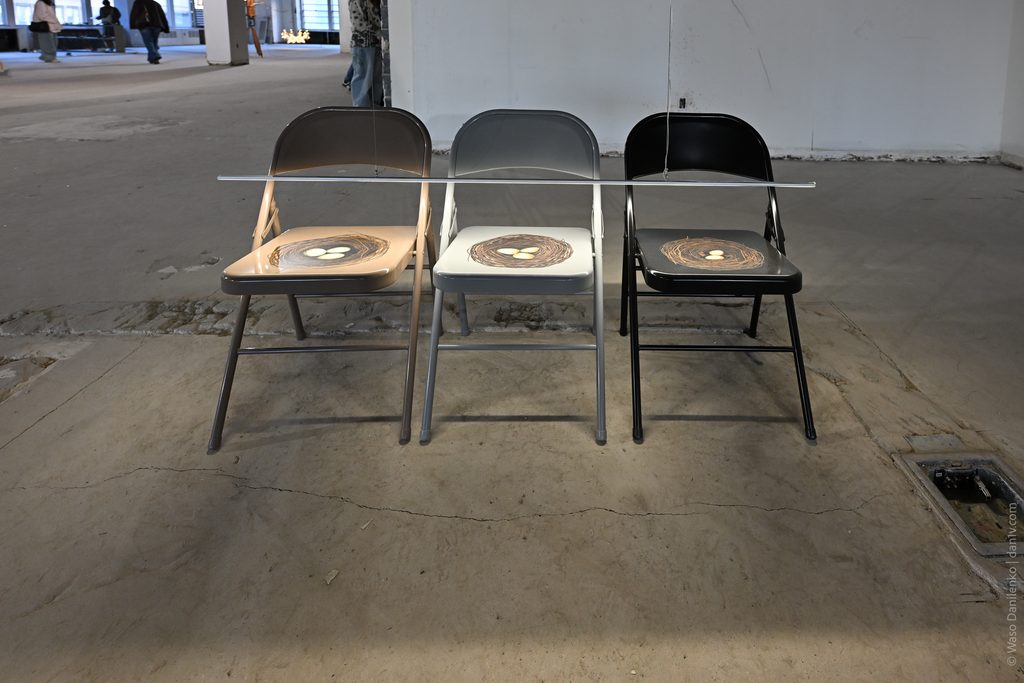
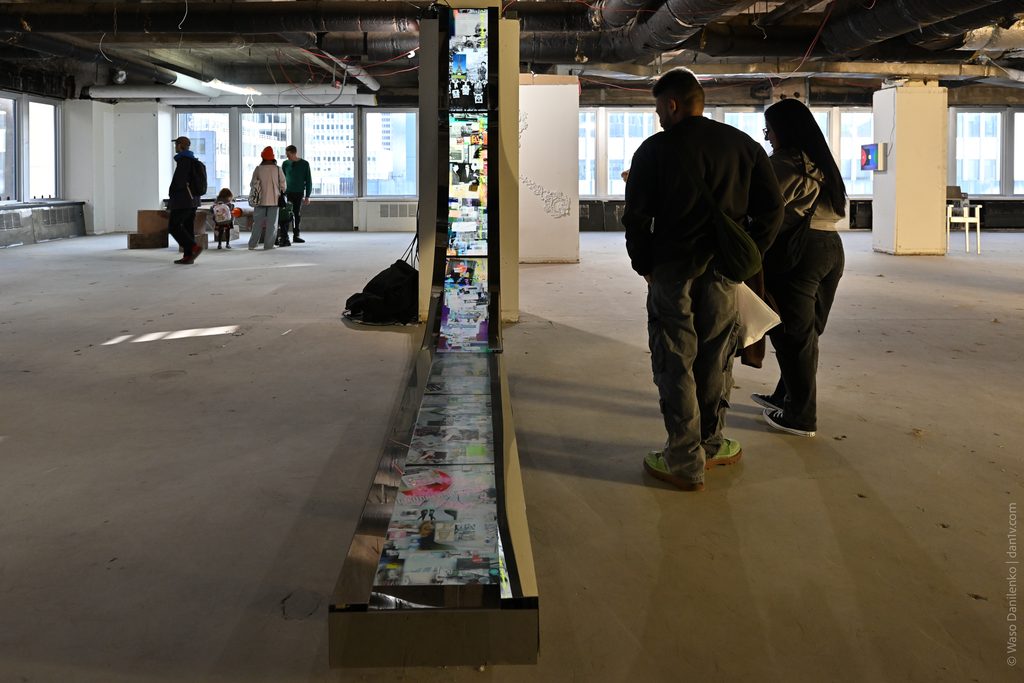
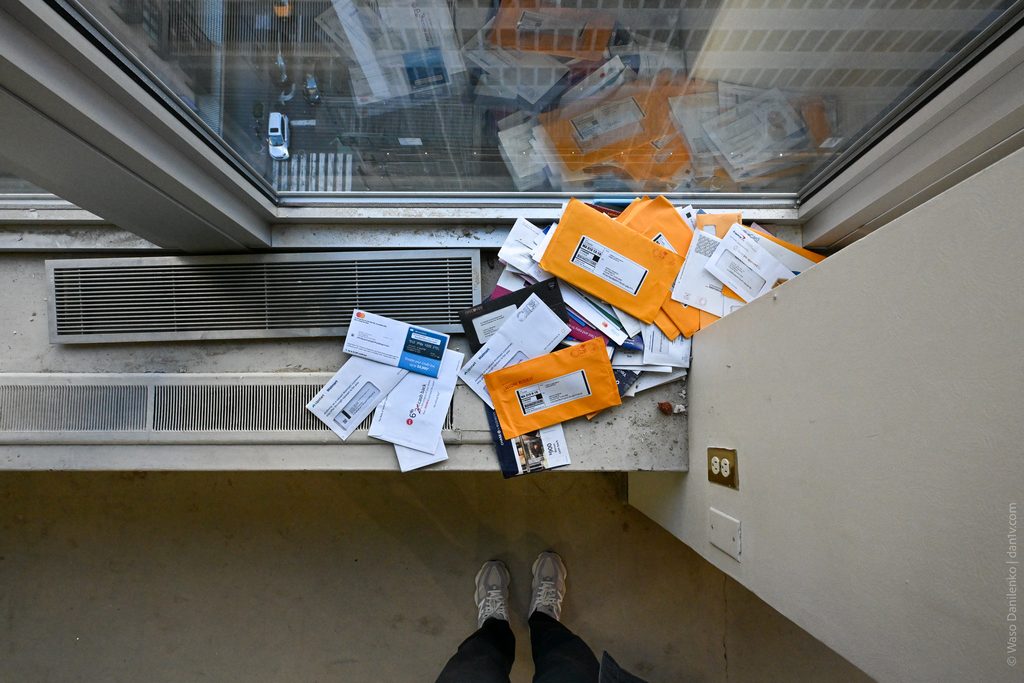
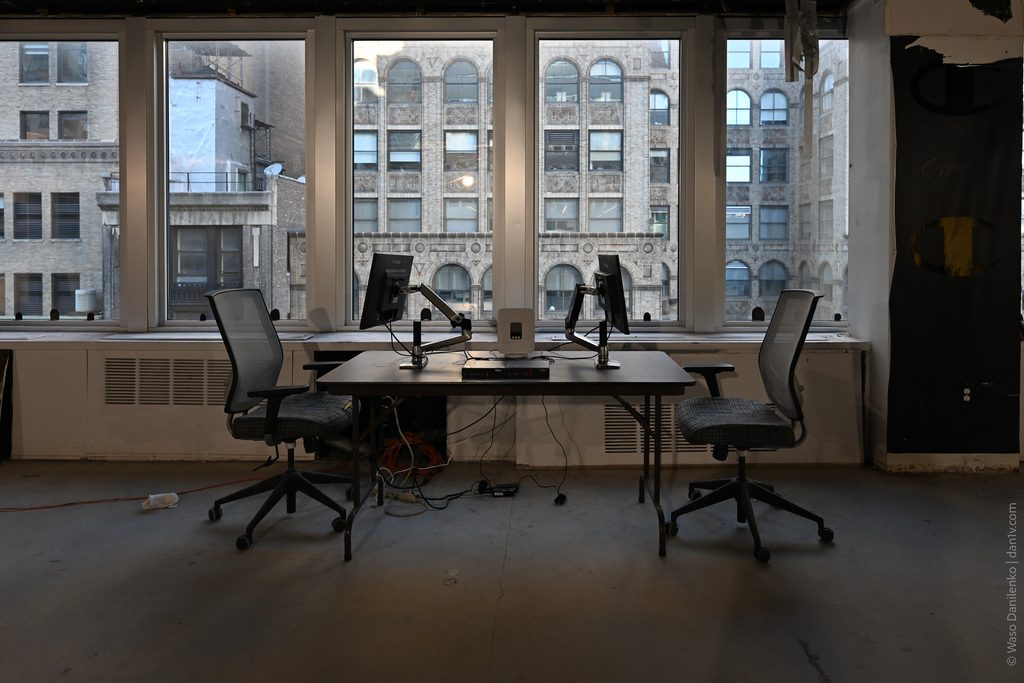
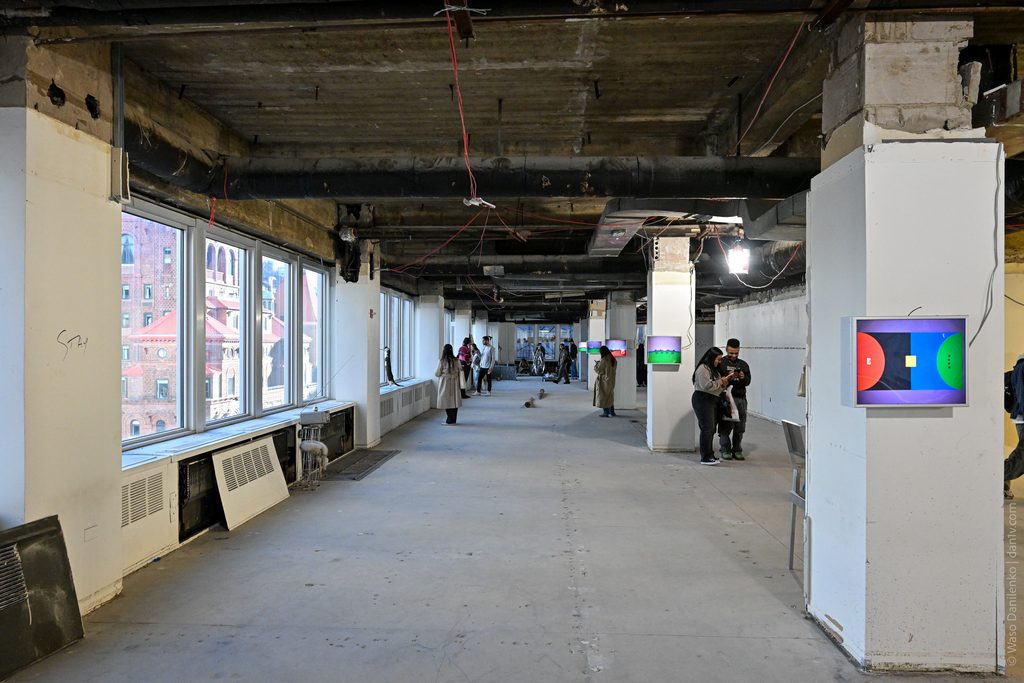
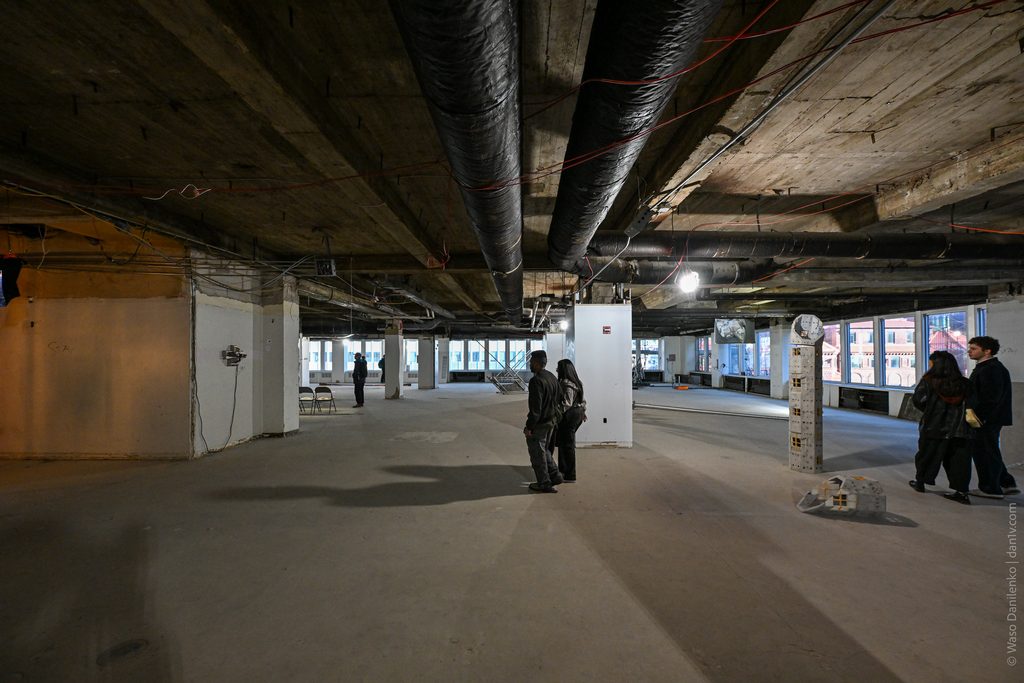
The location itself deserves attention first, because it is almost the main attraction. The exhibition occupies an enormous, unfinished floor: bare walls, exposed utility spaces, and a sense that office life has left the building and art has taken its place. The sterile white cube of a traditional gallery, with its immaculate walls and carefully controlled atmosphere, feels a world away. Here, the artworks inhabit a space that has not yet become anything in particular.
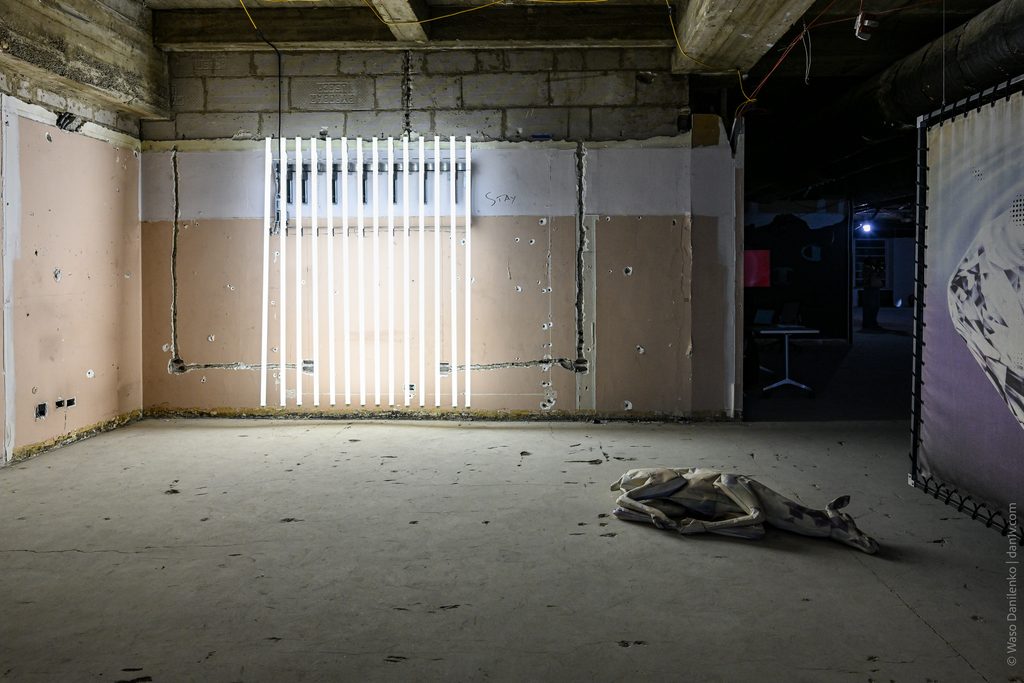
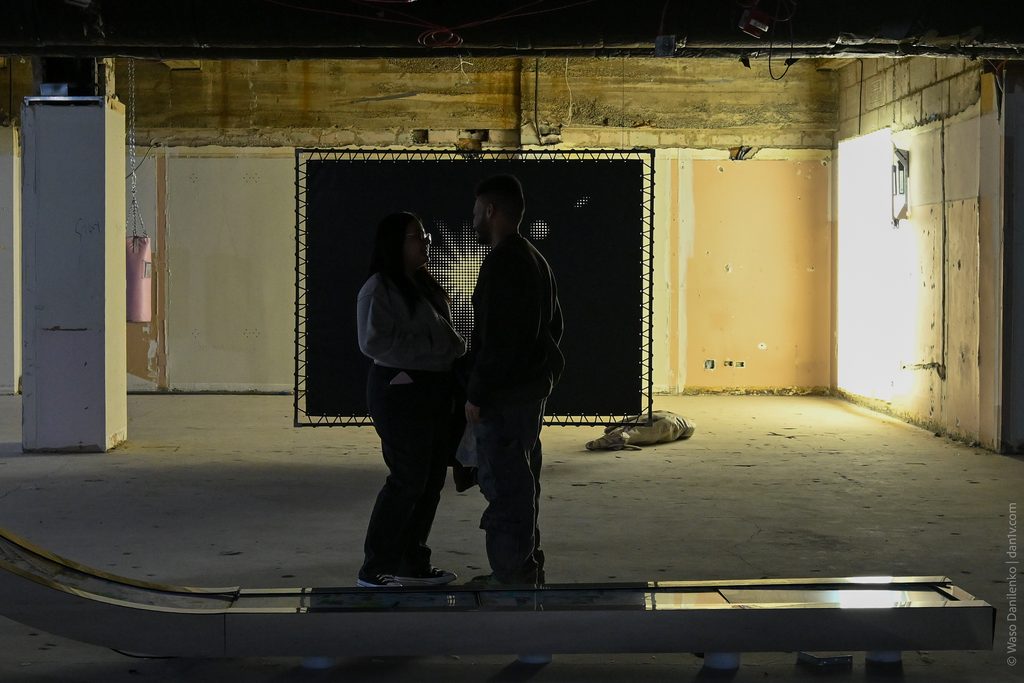
This setting also reinforces the exhibition’s central themes. More than 50 artists are taking part, and, judging by the announced program, they are addressing issues that are impossible to ignore today: control and surveillance, artificial intelligence, the ethics of data collection, and the physical structures that determine how we work and move around. The last theme feels particularly relevant when you consider that you are standing inside one of these very structures.
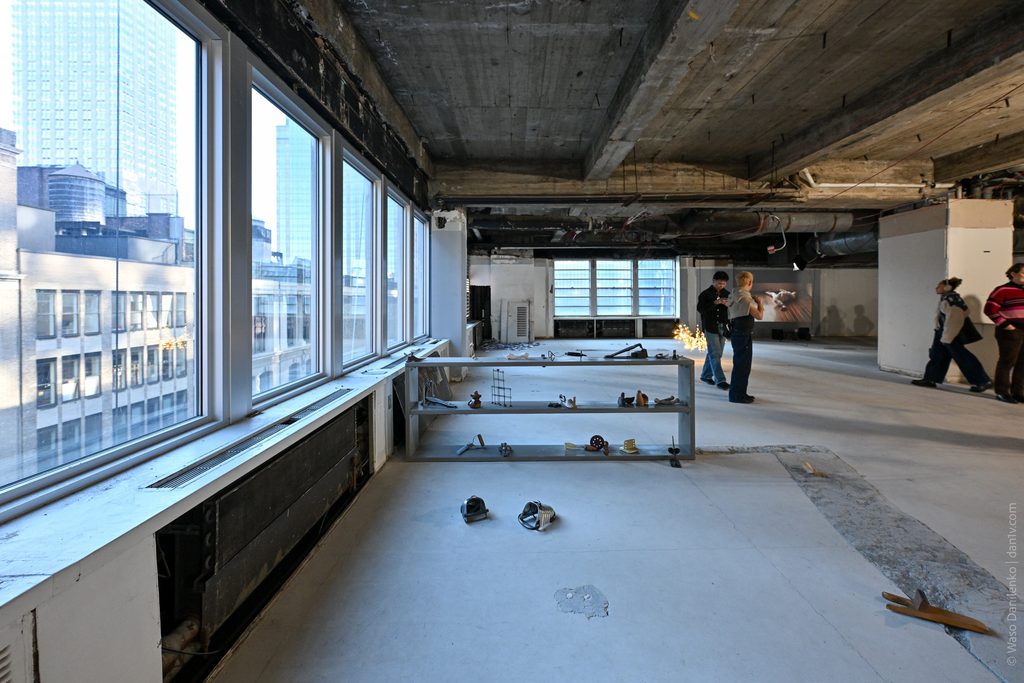
The exhibition features a variety of formats, including sculpture, new media, video, and installations.
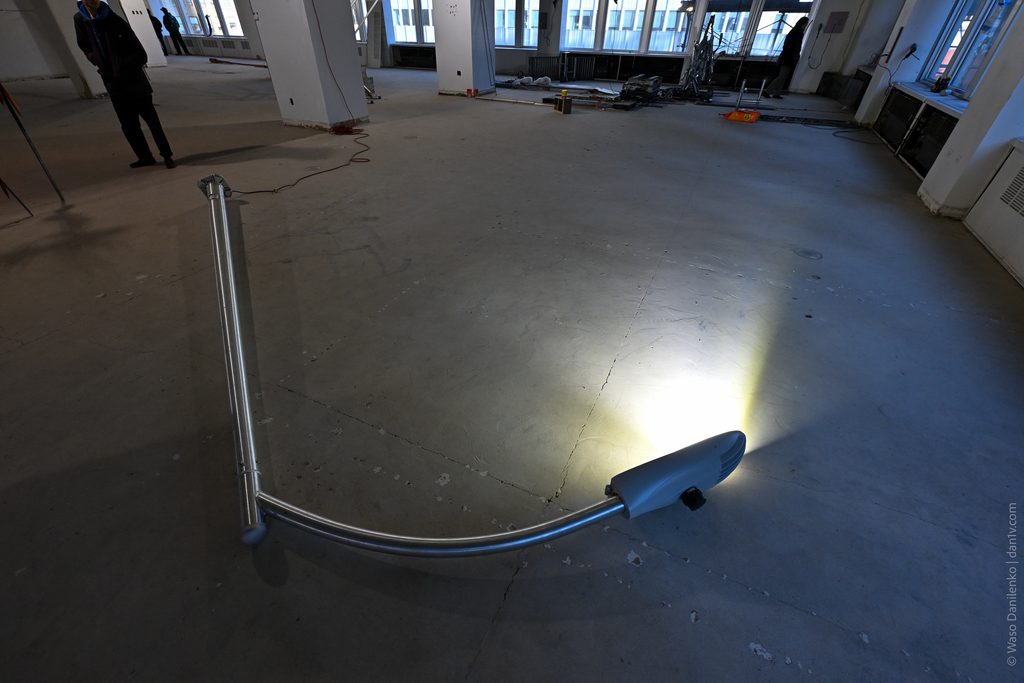
The Themes of the 260 Madison Exhibition
The exhibition description references Rem Koolhaas’s essay Junkspace, which explores the spaces left behind by large-scale development: endless, anonymous environments assembled from everything commonly associated with “modern architecture.”
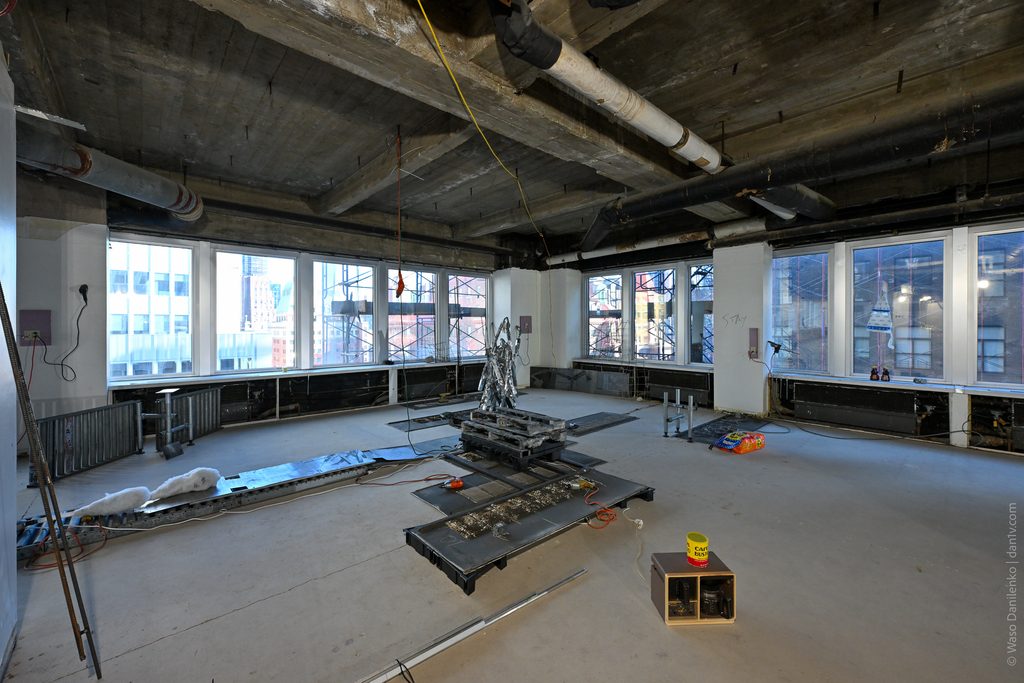
The exhibition’s central idea is built around a contrast. On one side are systems that become detached from human beings and begin serving themselves, reducing people to mere users. On the other is life itself, which stubbornly resists and disrupts these systems. The organizers describe this relationship as an “ongoing act of love and self-preservation.” The idea that people can resist a system simply by continuing to live their lives sounds unexpectedly warm in a discussion about surveillance and algorithms.
Longcat, or How a Meme Became a Sculpture
Perhaps the most photographed artwork in the exhibition is Longcat by Eva and Franco Mattes. It is a sculpture of a cat with an impossibly long body, as though it had been stretched out by its front paws. Anyone who has spent enough time on the internet will recognize the character: Longcat originated in early internet meme culture, and few people would have expected to see it displayed alongside works of serious contemporary art.
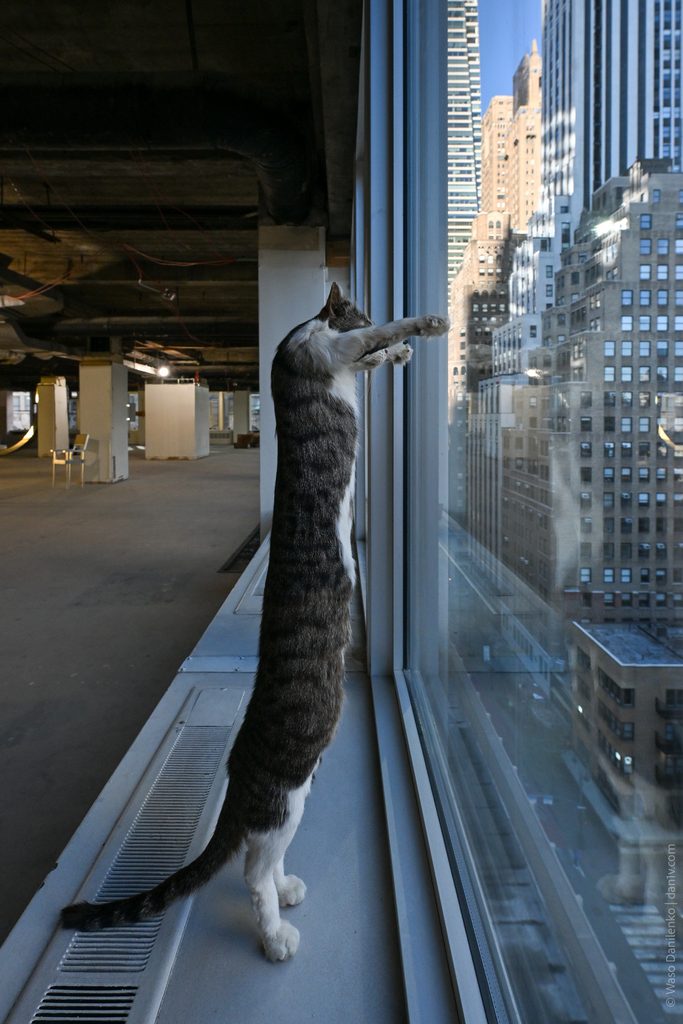
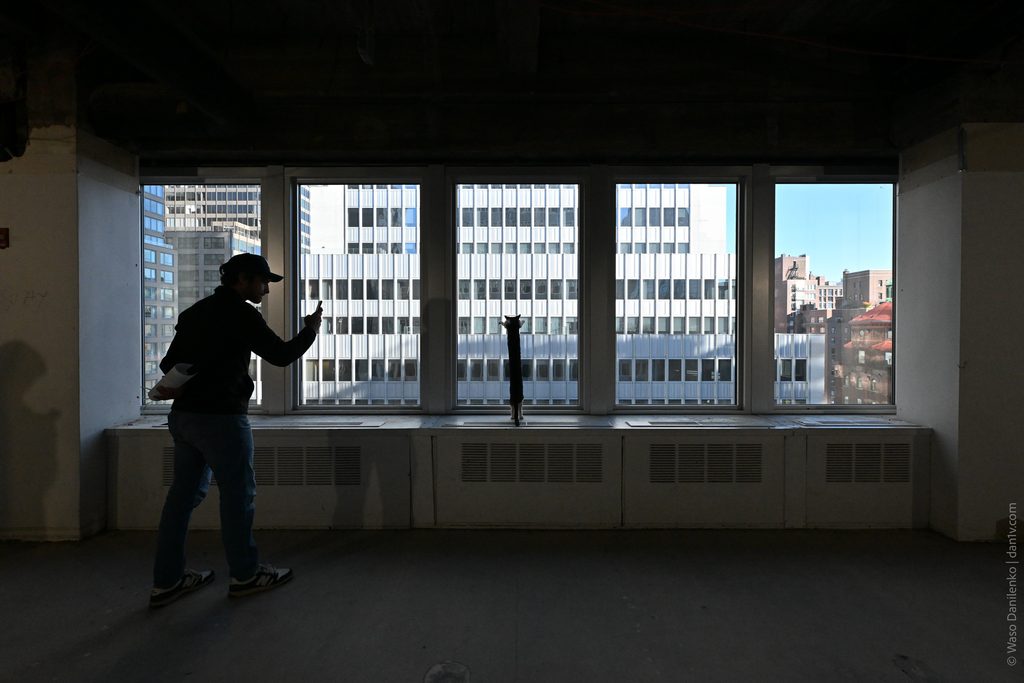
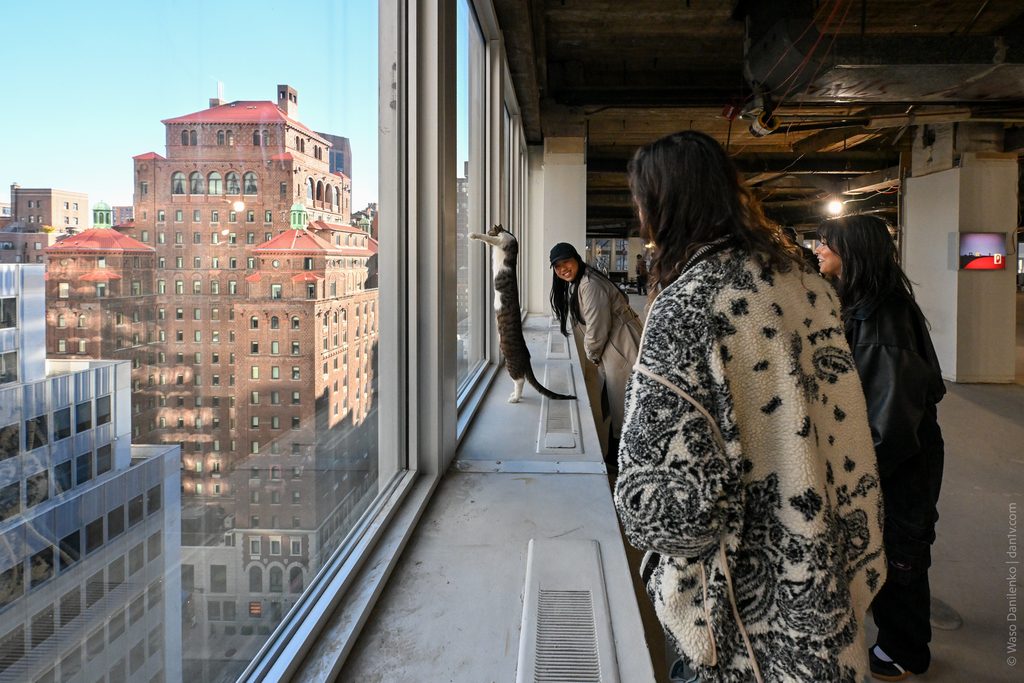
Eva and Franco Mattes have been exploring internet culture for many years, so their choice makes perfect sense. The sculpture demonstrates how a meme that we might scroll past in a second can acquire physical weight, volume, and the right to occupy an entire room. It also raises a question that runs throughout the exhibition: what happens to something when it is taken out of the feed and placed in a physical space?
Practical Information
📍 260 Madison / 260 Madison Ave, New York, NY 10016
Admission: Free. No tickets required.
Dates and hours: Through November 22, 2026. Friday through Sunday, from noon to 6 p.m.