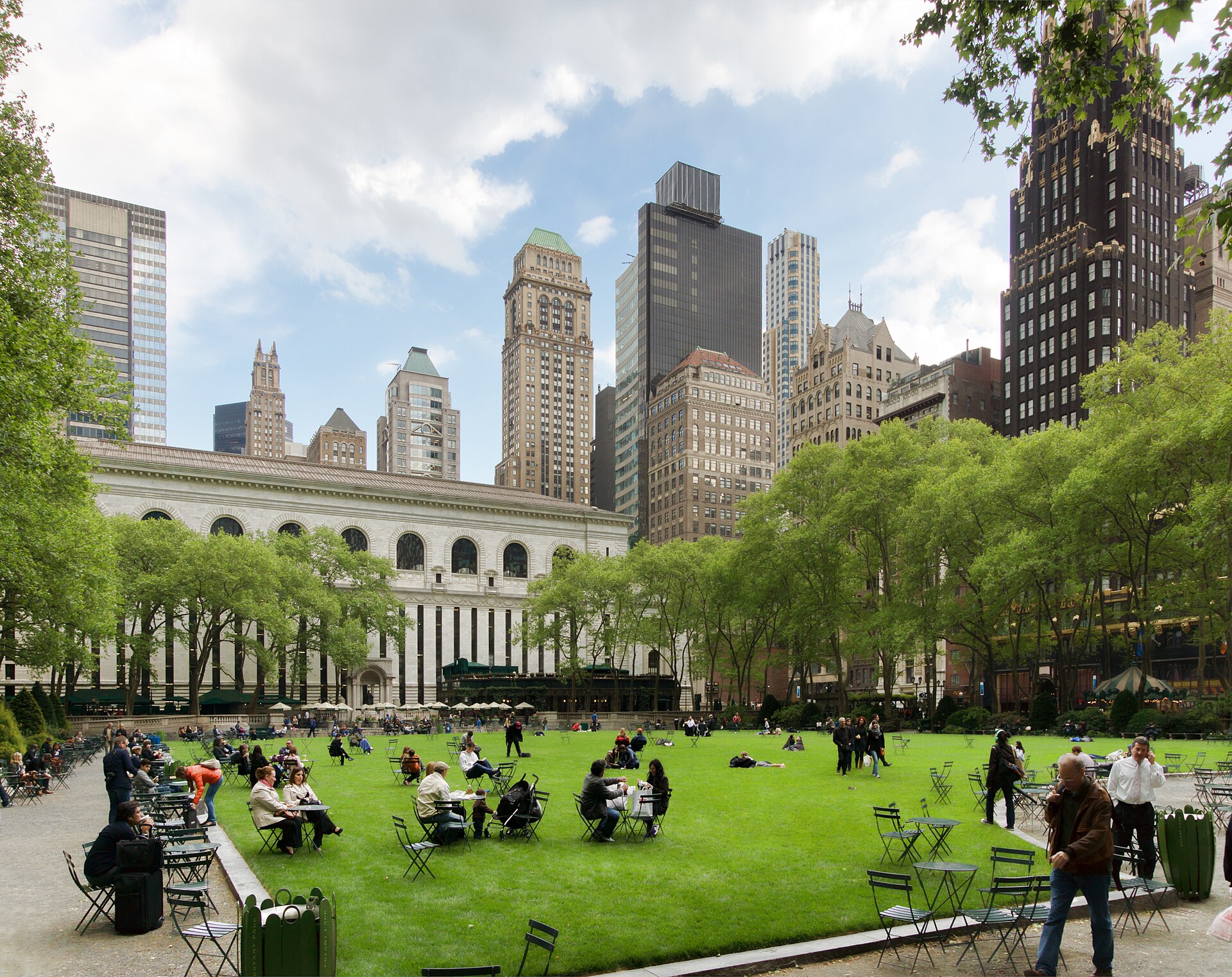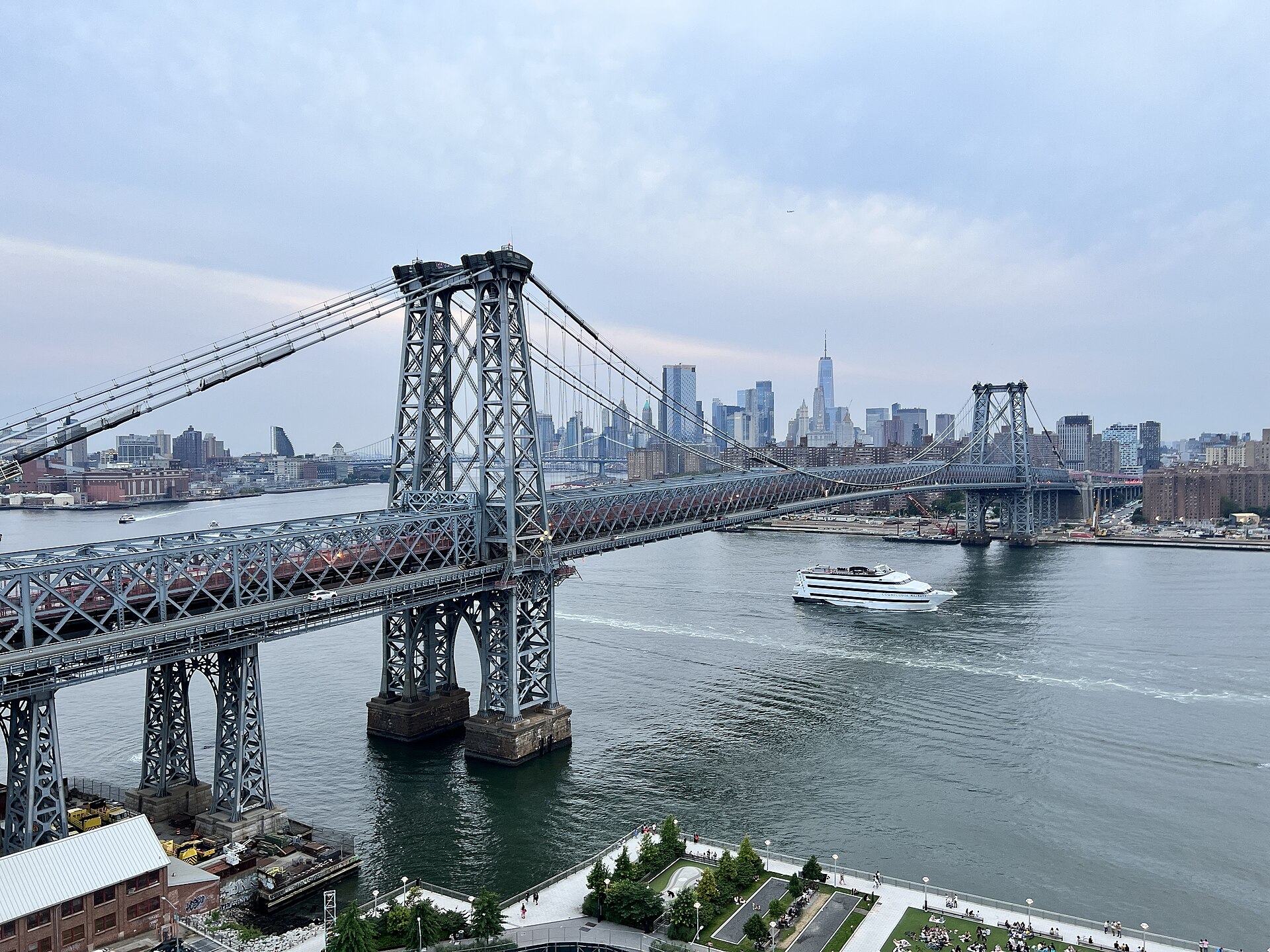

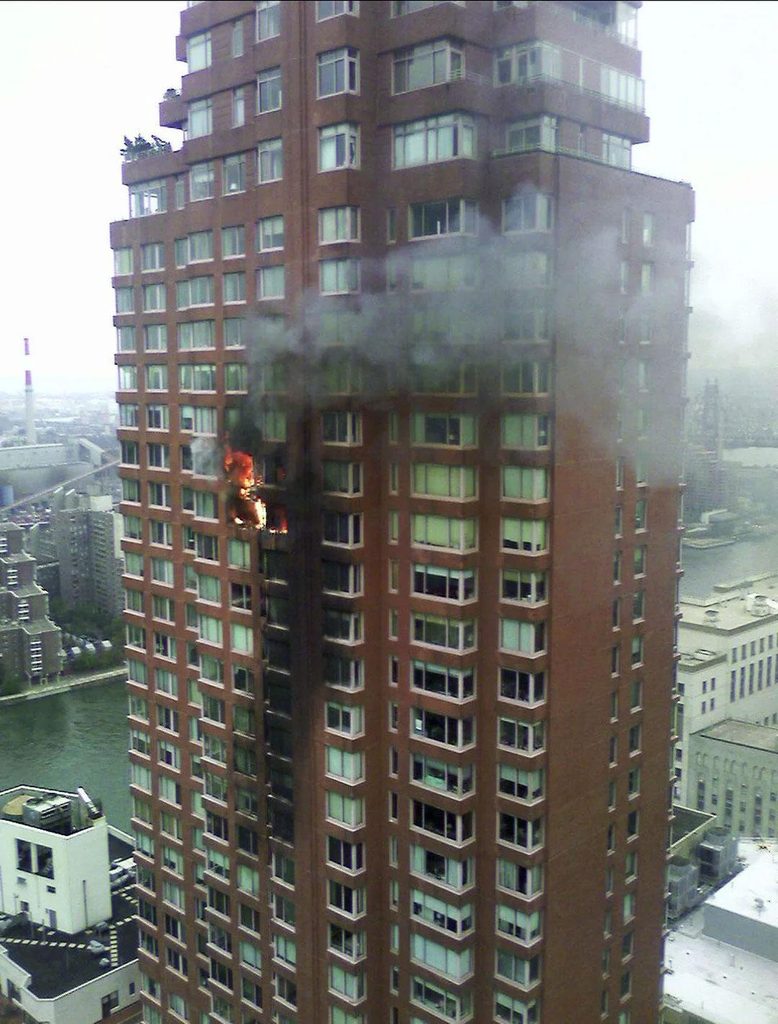
Twenty years ago, on October 11, 2006, a single-engine Cirrus SR20 aircraft crashed into a skyscraper on the Upper East Side of New York City.
There were two people on board: 34-year-old New York Yankees player Cory Lidle, who had obtained his pilot’s license eight months earlier, and his 26-year-old flight instructor from California, Tyler Stanger.
They took off from Teterboro, a small but major airport for business and private aviation serving New York City, although it is located across the river in New Jersey. They crossed the Hudson River, circled over the Statue of Liberty, flew around the southern tip of Manhattan, and headed north along the East River.
There was no particular purpose to the flight. Lidle was showing the instructor the city from the air. The following day, they were planning to ferry the aircraft back to California.
The airspace over New York City is among the busiest in the world: three major airports within a radius of 30 kilometers, plus Teterboro for private aviation. Most of this airspace is off-limits to aircraft flying without air traffic control clearance. However, along two rivers, the Hudson and the East River, so-called visual flight rules corridors, or VFR corridors, have been designated below a certain altitude. Pilots can fly through them independently, without clearance, using visual references, at an altitude of no more than 335 meters above the river.
Tourist helicopters fly this way, and in 2006 any private pilot could do the same. The corridor over the Hudson is long and wide. The corridor over the East River is a narrow dead end. It begins in the harbor, runs north past the Brooklyn, Manhattan, and Williamsburg Bridges, and ends at the northern tip of Roosevelt Island. Beyond that point, LaGuardia Airport’s airspace begins, and pilots cannot enter without air traffic control clearance. A pilot reaching the end of the corridor must either obtain that clearance or make a 180-degree turn and fly back.
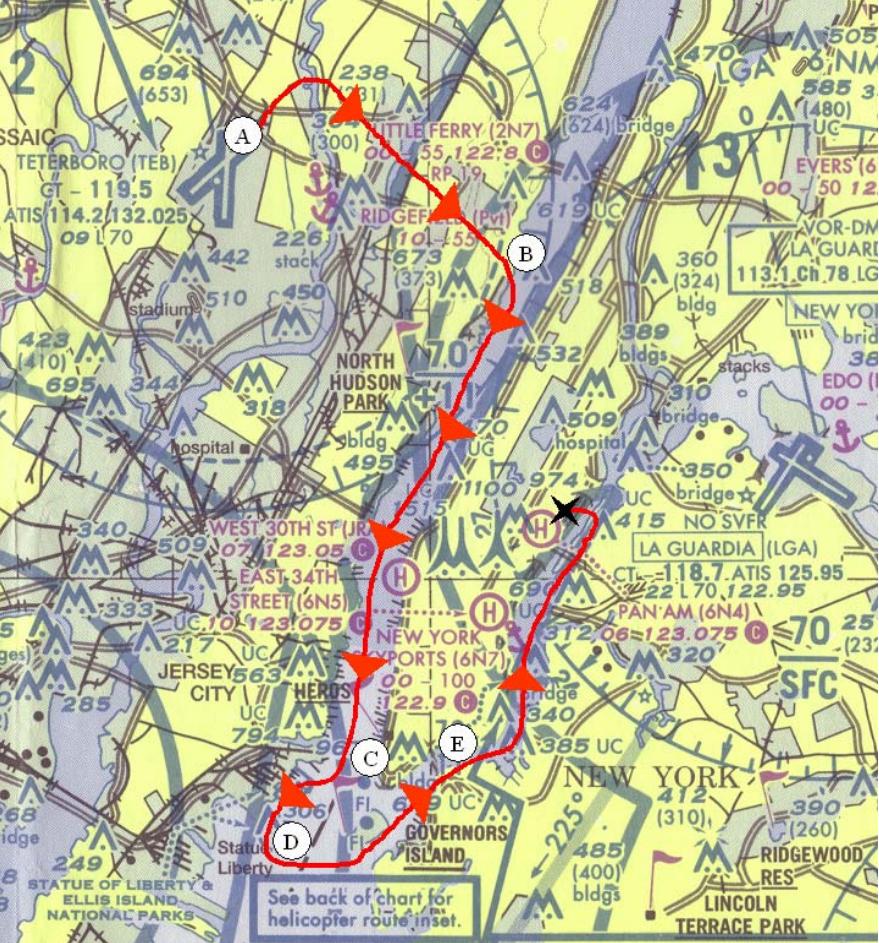
Twelve minutes after takeoff, the Cirrus aircraft had reached the point where the corridor for private aircraft ended.
Turning around in such a location requires a maneuver instructors call a “box turn.” Pilots are taught to perform it in canyons, and the rule is simple: stay close to one edge to make use of the entire available width, turn into the wind, and enter the turn with the appropriate bank angle already established. According to their flight logs, neither Lidle nor Stanger had previously flown along the East River.
For some reason, which investigators would later identify as the pilot’s principal error, the aircraft began turning left toward Manhattan instead of moving closer to Queens, the eastern side of the corridor. It began the turn directly over the river instead. This immediately consumed 120 meters of the 640 meters of available space.
That day, the wind was blowing from the east at 13 knots, or 24 kilometers per hour. During the turn, it pushed the aircraft toward Manhattan by approximately 120 meters. This left roughly 400 meters in which to turn an aircraft traveling at 180 kilometers per hour.
At the end of the turn, the pilot sharply increased the bank angle and, according to the investigation’s conclusions, brought the aircraft to its critical angle of attack. The aircraft dropped approximately 100 meters.
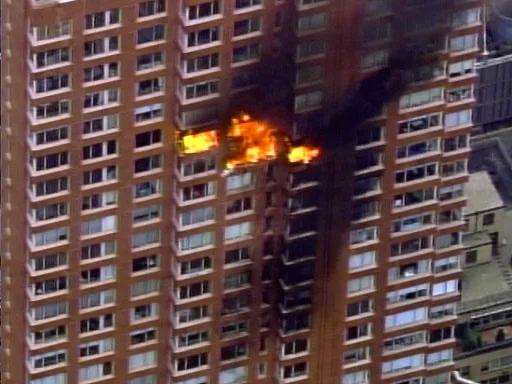
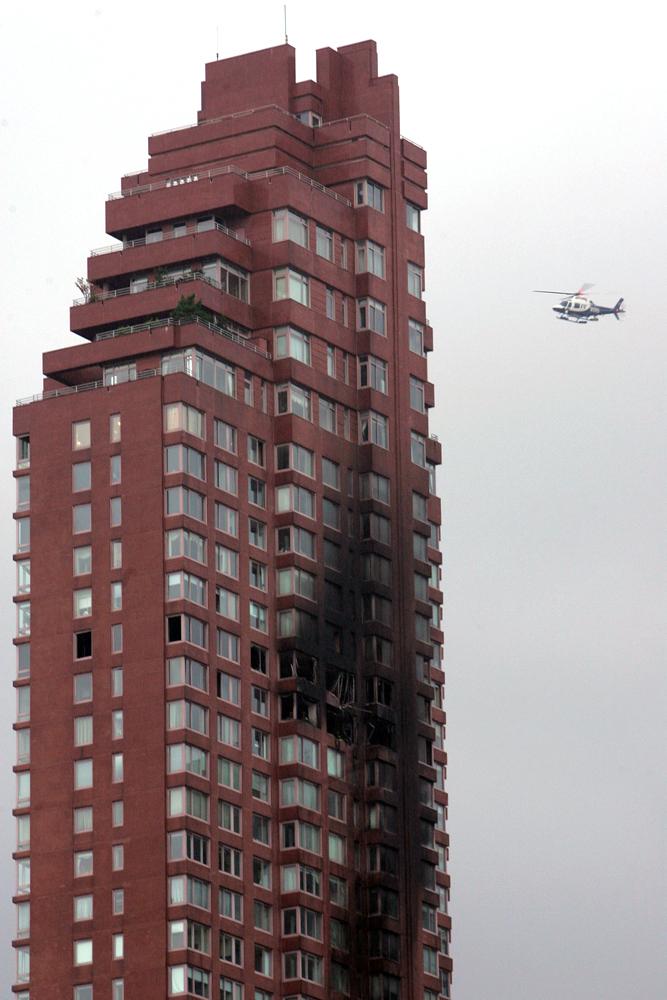
At 2:42 p.m., its nose struck the northern facade of the 42-story Belaire Condominium tower, around the thirtieth floor. Debris and fuel rained down onto East 72nd Street.
The first thought that crossed everyone’s mind in the city was the same. It was October 11, 2006. The Twin Towers had fallen five years earlier, and an aircraft had just crashed into a Manhattan skyscraper.
Authorities scrambled fighter jets over several cities. Television networks interrupted their broadcasts. An hour later, the White House announced that there were no indications of terrorism.
Firefighters arrived quickly. Residents of the upper floors were evacuated. By 3:30 p.m., the fire had been extinguished.
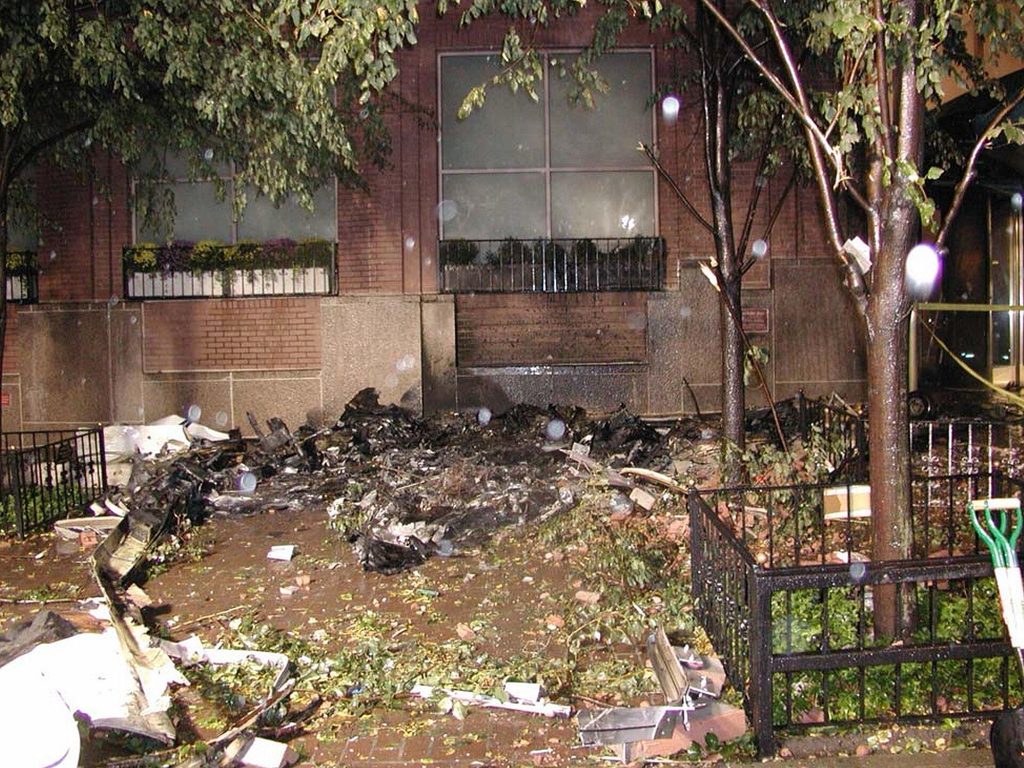
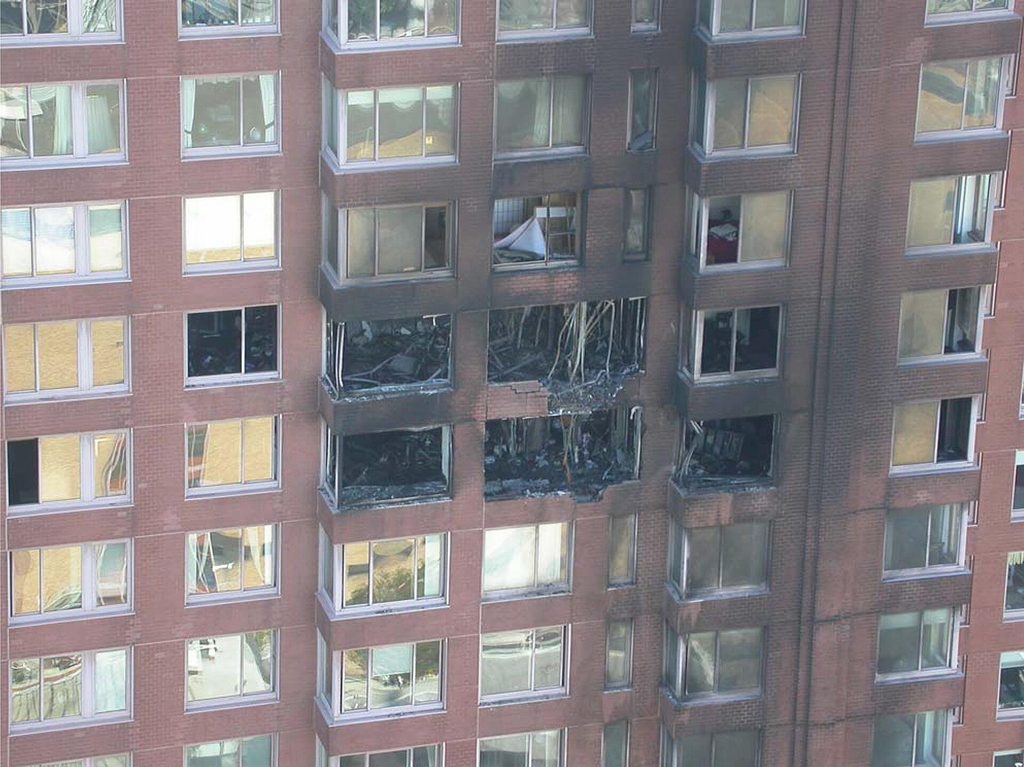
Of the 21 people injured, most were firefighters who suffered minor injuries and residents who had inhaled smoke. The most seriously injured person was a woman who had been inside an apartment on the floor where the aircraft struck. She suffered severe burns.
On October 13, 2006, the Federal Aviation Administration introduced a rule requiring aircraft, though not helicopters, to obtain clearance from LaGuardia air traffic control before entering the East River corridor. The rule remains in effect today.
The Hudson River corridor was left unchanged at the time. Its turn came three years later: on August 8, 2009, a tourist helicopter and a private aircraft collided over the Hudson River, killing nine people.
Following that accident, the Federal Aviation Administration revised the rules for the Hudson corridor as well. The new requirements included mandatory radio frequencies, altitude separation, and mandatory familiarization with the corridor’s rules before flight.
📍 Belaire Condominium / 524 East 72nd Street, Apartment 23E, New York, New York 10021