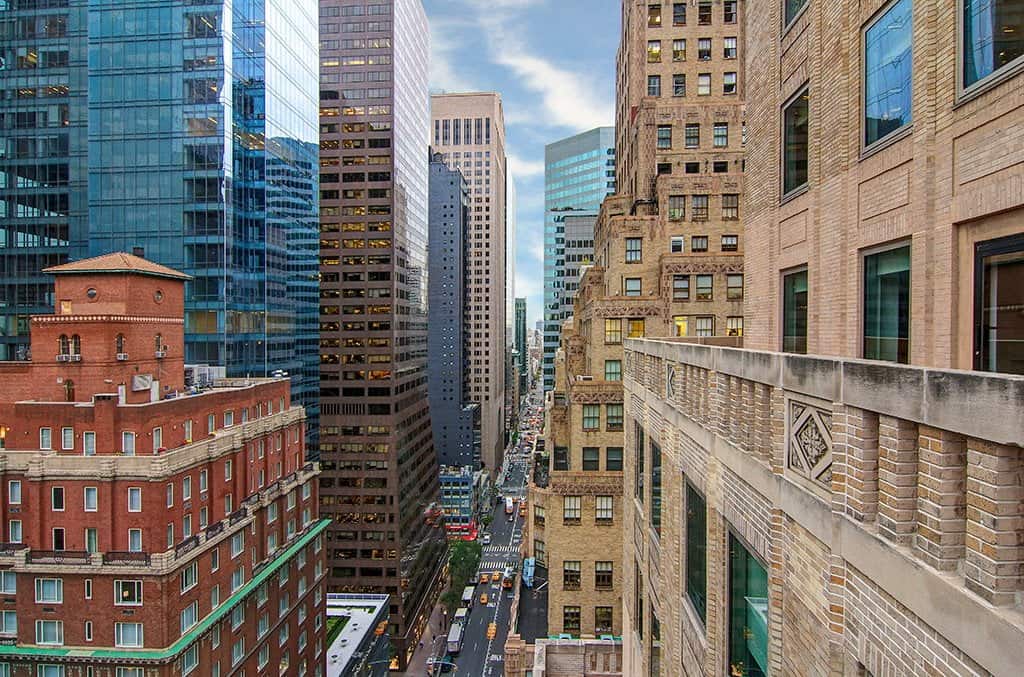
Madison Avenue is one of Manhattan’s five major avenues, running north to south parallel to Fifth Avenue and Park Avenue. The street begins at Madison Square (23rd Street) and ends at the Madison Avenue Bridge at 138th Street, crossing the entire island. Its total length is approximately 8 kilometers.
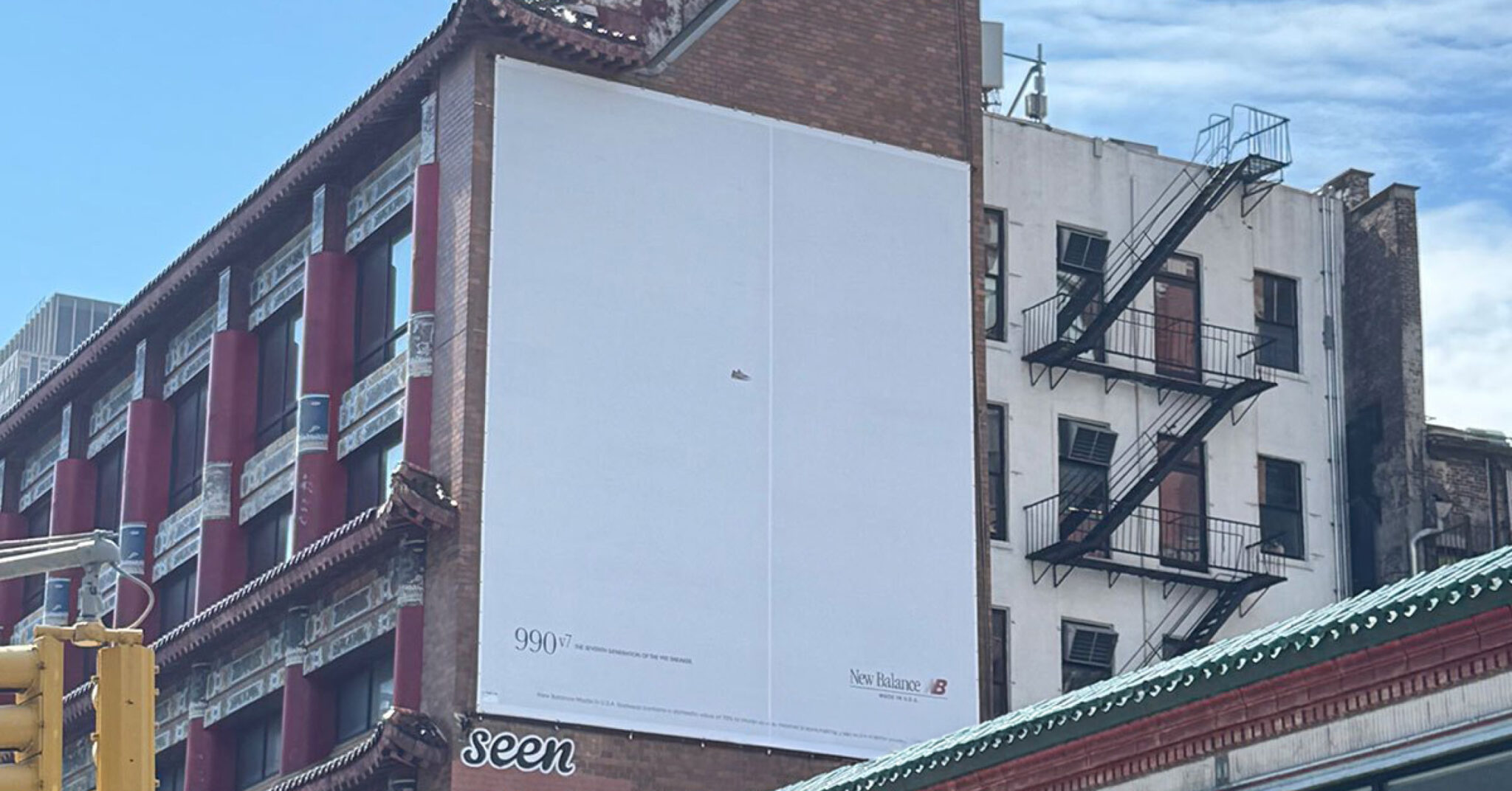
This name is known worldwide in two very different contexts. First, as a symbol of the advertising industry. In the mid-20th century, the world’s largest advertising agencies were concentrated here, and the word “Madison Avenue” became a byword for the entire industry. Second, as a concentration of luxury boutiques — the upper section of the avenue between 57th and 86th Streets is today considered one of the most expensive shopping addresses in the world.
Interesting facts about Madison Avenue
- Since the 1960s, the name “Madison Avenue” has come to symbolize advertising, marketing, and the manipulation of public opinion for critics of consumerism.
- People working on Madison Avenue in the 1960s consulted with the crew of the TV series “Mad Men” to accurately convey the atmosphere of the place and time. The sets recreated the real offices of the Young & Rubicam agency.
- Activists used a show on Madison Avenue to persuade city officials to fund the construction of the Statue of Liberty. In 1876, the statue’s arm holding a torch was displayed in Madison Square, and New Yorkers could climb it for 50 cents.
- In 1879, the first arena, Madison Square Garden, stood on the site of today’s Murray Hill neighborhood. The wooden building hosted circus performances and boxing matches. There were four versions of this arena, three of which were located near Madison Square, not at its current location near 33rd Street.
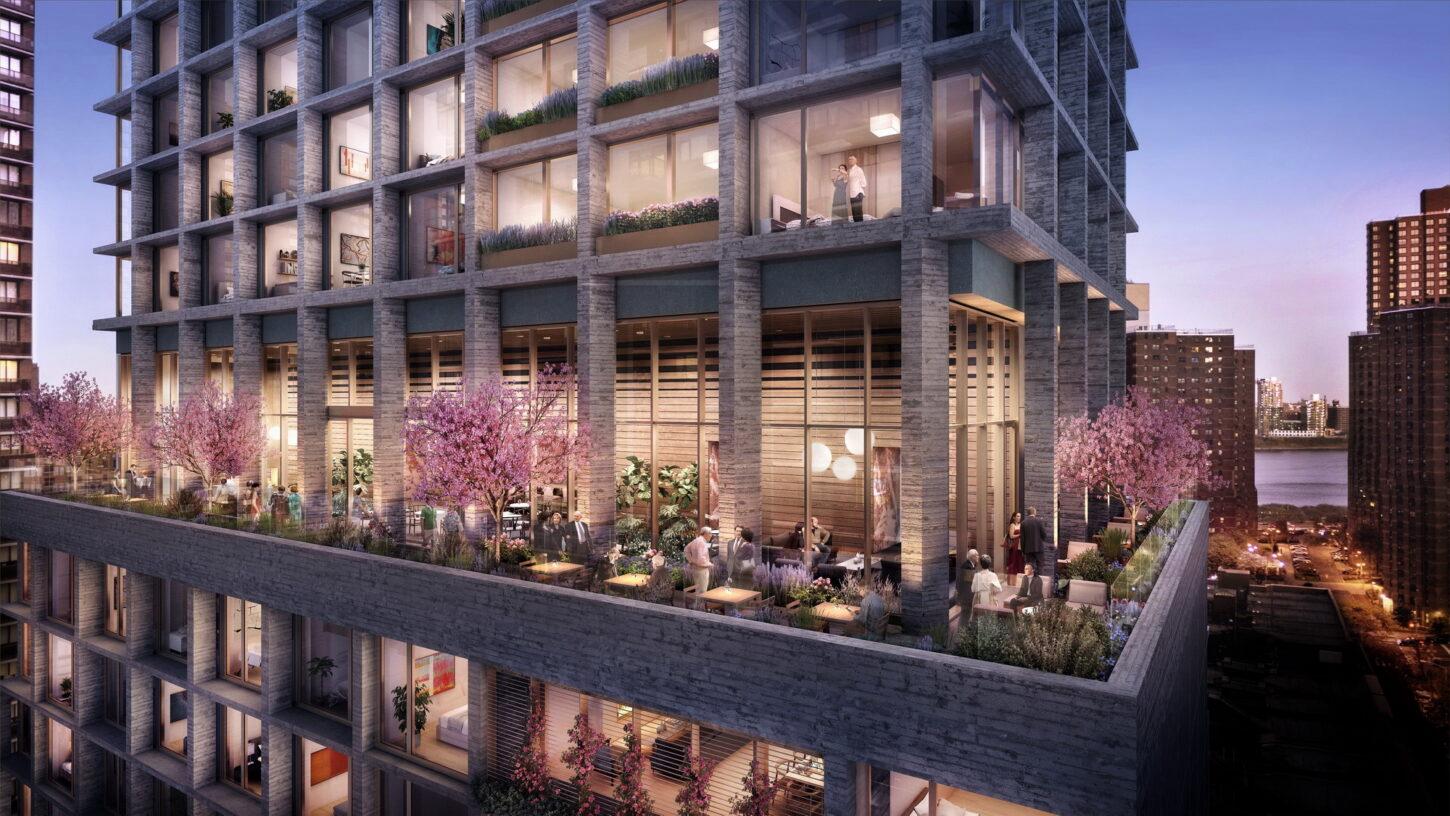
- An apartment on Madison Avenue on the Upper East Side costs between $5 and $30 million on average. Buyers are selected by a special committee of residents, and there have been cases of billionaires being denied entry.
- James Madison is the only US president to have a street named after him in New York City, although he never visited the city. The avenue was named after him just three weeks after his death.
Top Attractions on Madison Avenue
Metropolitan Life Insurance Company Tower
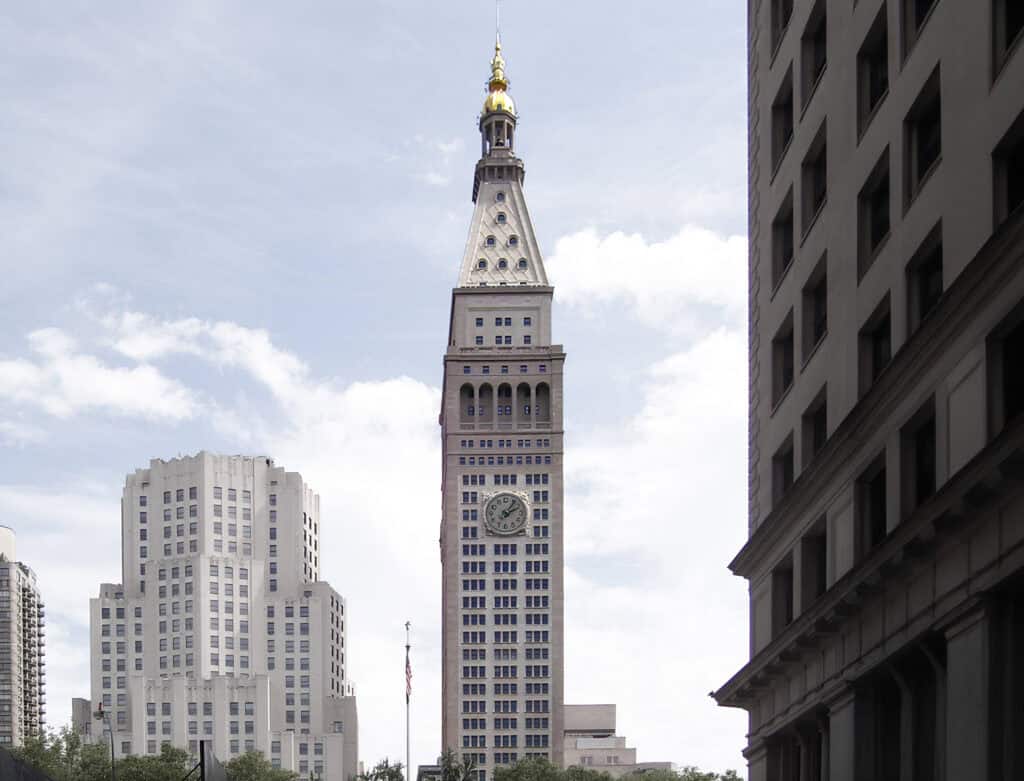
Built in 1909, this tower, modeled on the Venetian Campanile in St. Mark’s Square, stands 213 meters tall. It was the tallest building in the world until 1913. Its four-faced clock mechanism is visible even from lower Midtown. Today, it is an office building, but its façade is remarkably well-preserved.
Madison Square Park
📍11 Madison Ave, New York, NY 10010
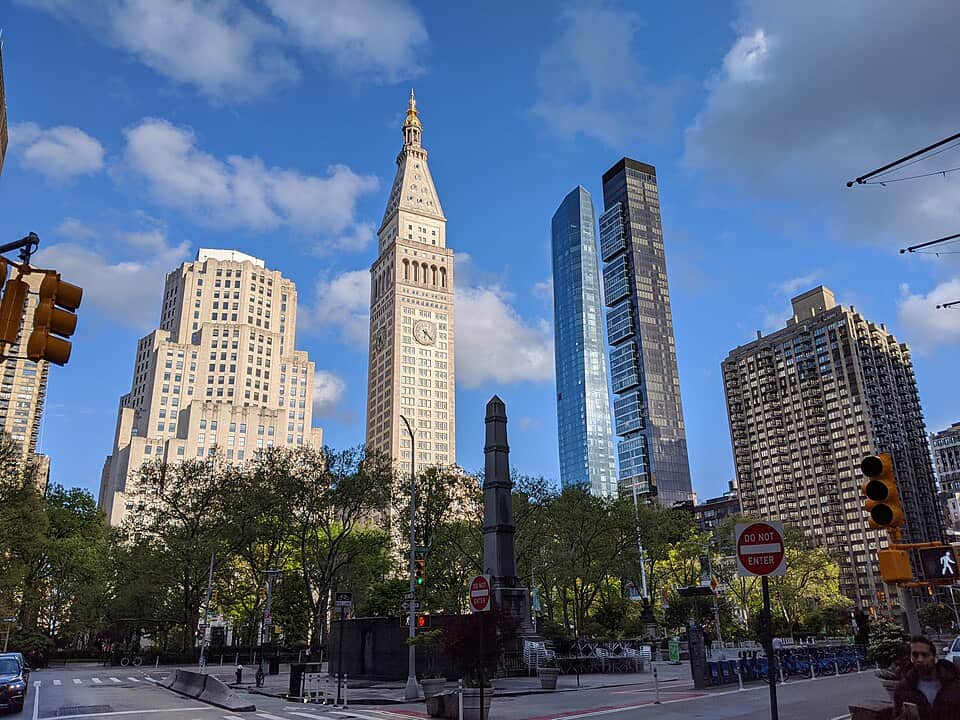
This small, historic park opened in 1847. It was one of New York City’s first public parks. It was here in 1870 that the original arm of the Statue of Liberty was on display to raise money for its construction.
The park is home to the famous Shake Shack, the first location of the fast food chain that became a global phenomenon. Today, the park is known for its rotating art installations by leading international artists and stunning views of the Flatiron Building.
Flatiron Building
📍175 5th Ave, New York, NY 10010
This building is formally located on Fifth Avenue, but it is visible from anywhere in Madison Square. The triangular “flatiron building” was built in 1902 to designs by Daniel Burnham in the Beaux-Arts style with terracotta cladding.
The building’s north corner is only 2 meters wide. 19th-century residents were convinced the building would collapse during the first storm, but it has stood for 120 years. It is currently closed for renovation and is being converted into a residential complex.
St. Patrick’s Cathedral
📍5th Ave, New York, NY 10022 (one block from Madison Avenue)
The largest Catholic cathedral in the United States and one of the most beautiful neo-Gothic churches in the world. Construction lasted from 1858 to 1878, with the spires added in 1888. The cathedral seats 2,400 and welcomes 5 million visitors annually.
Although the cathedral faces Fifth Avenue, its aisle faces Madison. Many famous New Yorkers have had weddings, baptisms, and funerals here. Admission is free — it is a working church, open to the public.
The Morgan Library & Museum
📍225 Madison Ave, New York, NY 10016
One of New York’s most underrated museums — and one of its most magnificent. The complex originated from the private library of banker J.P. Morgan. The Italian Renaissance-style building was built in 1906 by architect Charles McKim.
The collection includes three copies of the Gutenberg Bible (of which only 48 remain in the world), manuscripts by Mozart, Thoreau, Byron, and Dickens, drawings by Rembrandt and Leonardo da Vinci, and medieval illuminated manuscripts. It also hosts excellent temporary exhibitions and jazz evenings.
St. Bartholomew’s Church
📍325 Park Ave, New York, NY 10022
This 1919 church was built in the Romantic Revival style with Art Deco elements. Stanford White’s bronze works were relocated from the church’s previous building. In 1987, the building was nearly demolished to make way for a skyscraper, but city residents saved it.
The Carlyle Hotel
📍35 E 76th St, New York, NY 10021
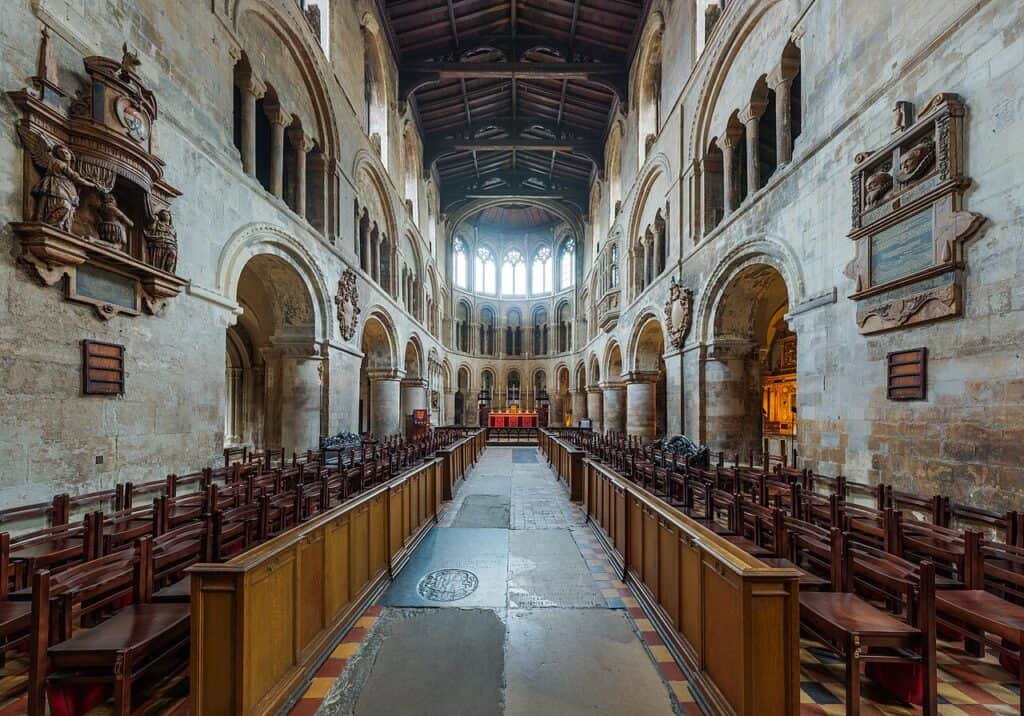
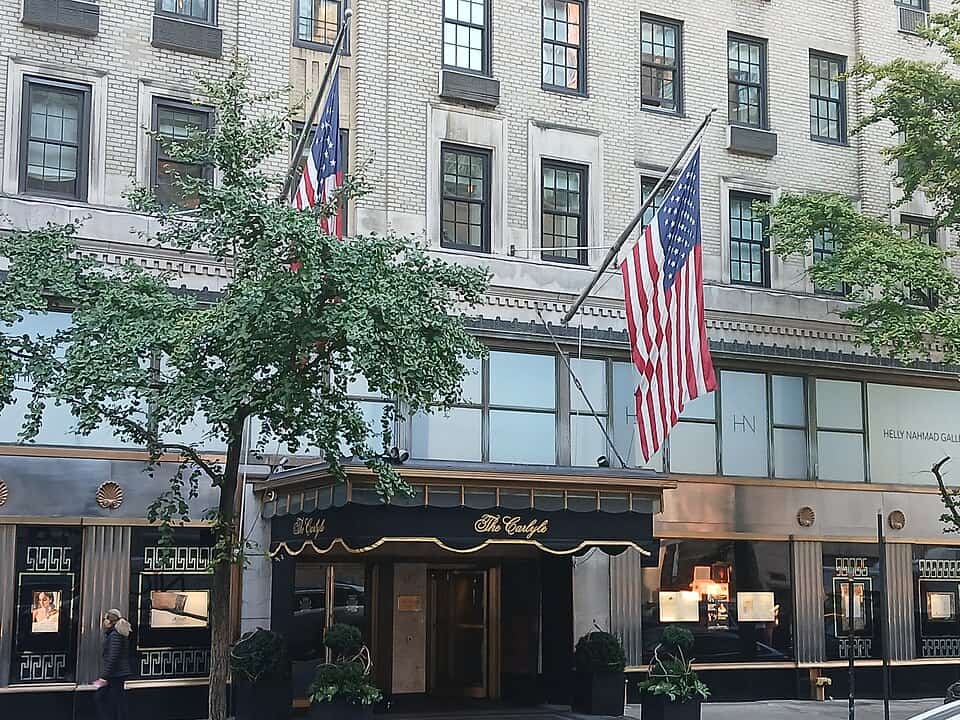
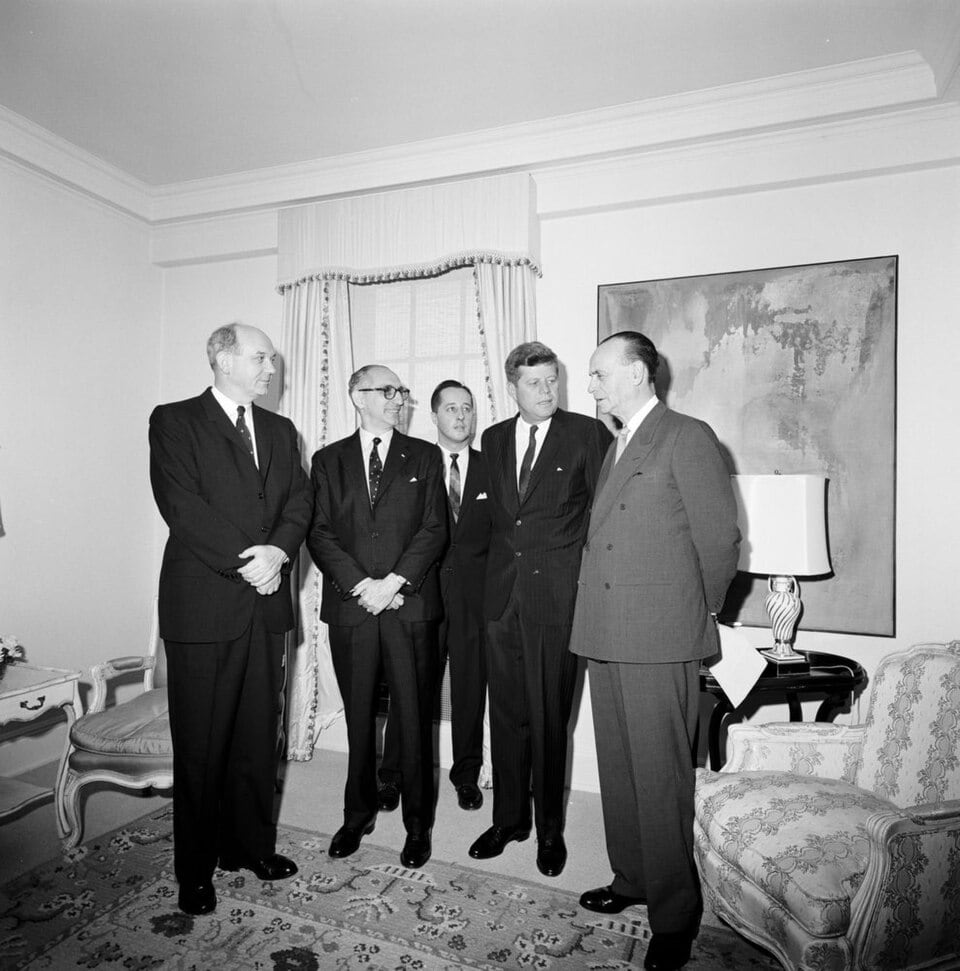
One of New York’s most legendary hotels. Opened in 1930, the Art Deco hotel has hosted American presidents since Harry Truman. John Kennedy rented a permanent residence there, calling the Carlyle his “second White House.”
The Café Carlyle, one of New York’s finest jazz clubs, is especially noteworthy. Woody Allen (he played the clarinet here every Monday for many years), Judy Garland, and Liza Minnelli have all performed here. The hotel also boasts the famous Bemelmans Bar, featuring murals by Ludwig Bemelmans, the illustrator of the Madeline books.
The Metropolitan Museum of Art (The Met)
📍1000 5th Ave, New York, NY 10028 (two blocks from Madison Avenue)
The largest art museum in the United States and one of the largest in the world is located two blocks from Madison Avenue. Its collection contains over 1.5 million objects, from Egyptian sarcophagi to Van Gogh paintings.
Madison Square Garden
Perhaps the most famous sports and concert arena in the world — and one of the most recognizable names inextricably linked to Madison Avenue, although MSG physically moved far away long ago. The confusion over the name is historical: the first three versions of the arena were indeed located near Madison Square, and the name has become firmly entrenched.
The current circular building above Pennsylvania Station opened in 1968 and has never closed for major renovations—it is the busiest arena in the world by number of events per year. Its capacity is approximately 20,000 spectators. It hosts home games of the New York Knicks basketball team and the New York Rangers hockey team, boxing matches, WWE wrestling matches, and concerts by the world’s biggest stars.
The list of artists who have performed here is a history of 20th- and 21st-century pop culture: Elvis Presley, Frank Sinatra, Michael Jackson, Marilyn Monroe (it was here that she sang “Happy Birthday, Mr. President” for Kennedy in 1962), and Billy Joel, who set a record with over 150 concerts on this stage. Sporting events have included Muhammad Ali boxing matches and the NBA and NHL Finals.
Tourists should know that MSG offers regular “All Access Tours” — you’ll get access to team locker rooms, the arena, and VIP boxes, and learn behind-the-scenes stories of this legendary venue. This is one of the few ways to experience the interior without buying a ticket to a game or concert.
History of Madison Avenue
In 1686, the lands that would become Madison Avenue were part of Bloemendaal Farm, one of Manhattan’s first large agricultural holdings, owned by Dutch settlers. The famous Commissioners’ Plan of New York City, adopted in 1811, divided the island into a rectangular street grid. Madison Avenue was absent from this original plan; it was later added as an “additional” street between Fourth and Fifth Avenues.
The street received its official name only in 1836: it was named after the recently deceased President James Madison, one of the Founding Fathers and the author of the US Constitution and the Bill of Rights. The southern portion of the avenue was graced in 1847 by Madison Square, a small park that quickly became a popular promenade for wealthy New Yorkers.
The period from 1880 to 1910 marked the street’s “golden age”: the Murray Hill and lower Midtown neighborhoods were rapidly developing with mansions for bankers, industrialists, and politicians. In the 1920s, office buildings and hotels began to appear in the place of the mansions, and along with them, the first advertising agencies opened.
From the 1950s to the 1970s, Madison Avenue experienced the “Mad Men” era, a time when it became the advertising capital of the world. Toward the end of the 20th century, from approximately 1980 to 2000, advertising agencies gradually left the street, giving way to luxury retail. Boutiques of brands such as Giorgio Armani, Ralph Lauren, Prada, and Valentino opened here.
Today, Madison Avenue is a world-class street, combining museums and high fashion: the Metropolitan Museum of Art, the Whitney Museum, and the Guggenheim Museum are all nearby. Yet, it remains one of the most expensive shopping streets in the world, with retail space rents reaching over $1,000 per square meter per year.
Architecture: What Madison Avenue Looks Like
Madison Avenue is an architectural encyclopedia spanning nearly two centuries of New York City construction. Each block has its own distinct character.
Lower (23rd–42nd Streets)
This area is home to Beaux-Arts and Gothic Revival buildings from the late 19th and early 20th centuries. Low-rise commercial areas sit alongside historic hotels and loft-style buildings, now occupied by tech companies and startups. The Murray Hill area (30th–40th Streets) has preserved several Victorian-era brick mansions — a rarity for Manhattan.
Middle (42nd–57th Streets)
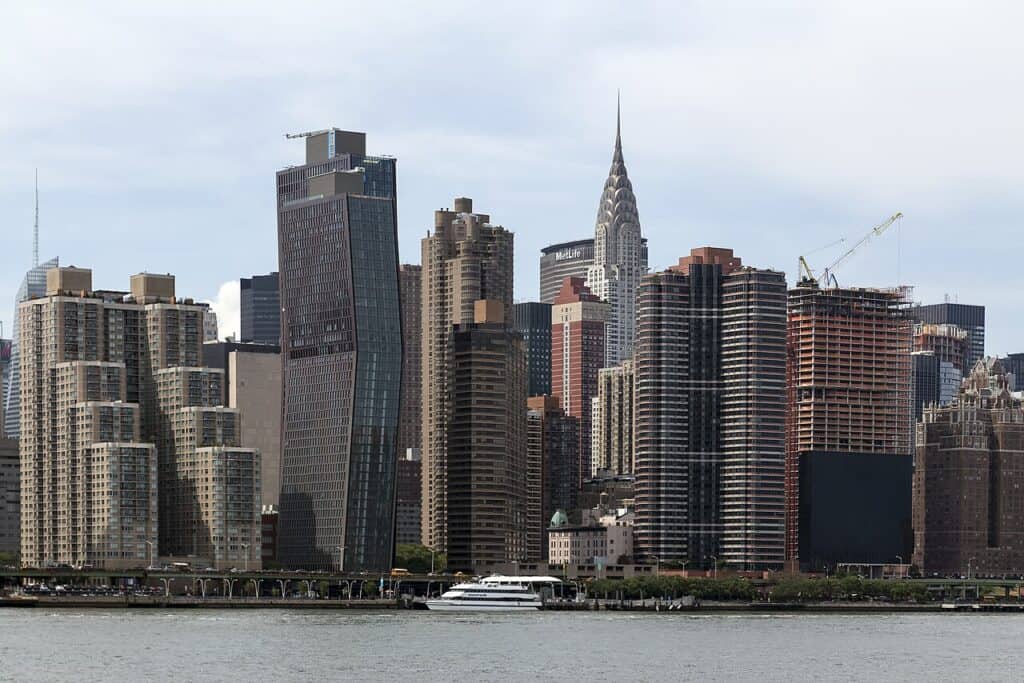
Major skyscrapers and architectural masterpieces. This is where the famous Metropolitan Life Tower, once the tallest building in the world, is located. The neighborhood’s style is Art Deco and Modernism from the 1920s to 1960s, interspersed with modern glass skyscrapers.
Upper East Side (57th–96th Streets)
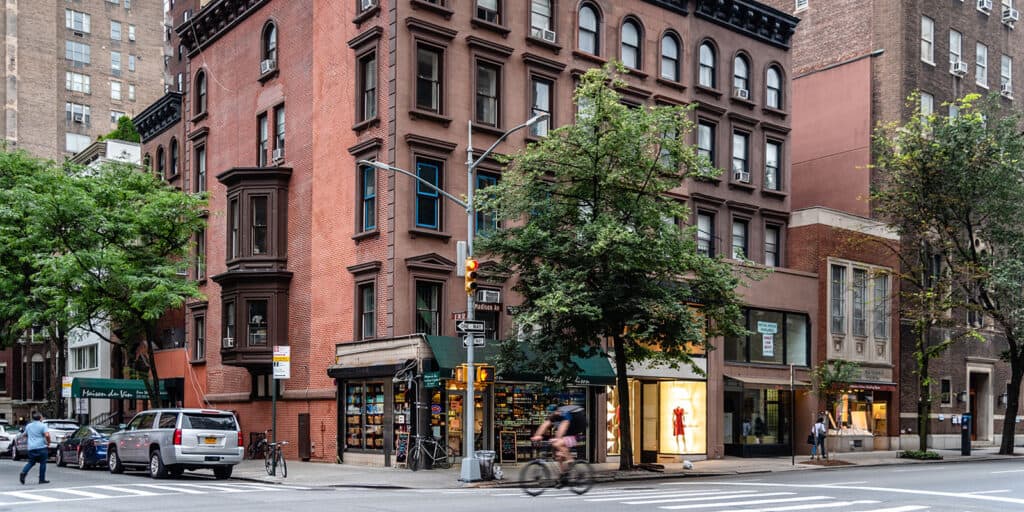
The most prestigious and visually cohesive section of the avenue. Low-rise (6–12 stories) pre-war buildings in the Neo-Renaissance and Art Deco styles with elegant limestone and red brick facades. Many of these buildings are residential for New York’s elite. This is where the “Golden Mile” of boutiques is located.
Celebrities and Madison Avenue
Madison Avenue has always attracted America’s most influential people — politicians, bankers, and artists.
J. P. Morgan
The most powerful banker in US history lived and worked in close proximity to Madison Avenue. His private library on 36th Street is now the world-famous Morgan Museum. In 1907, it was Morgan, not the government, who saved the American economy from collapse by gathering bankers at his home on Madison and forcing them to coordinate anti-crisis measures.
David Ogilvy
The “Father of Advertising” and founder of the Ogilvy & Mather agency, headquartered on Madison Avenue. Ogilvy coined such phrases as “The Man in the Hathaway Shirt” and the Rolls-Royce advertisement about the sound of a watch. His book, “Confessions of an Advertising Man,” has become the bible of marketers worldwide.
Don Draper
Although this advertising executive never existed, he made Madison Avenue famous again in the 1960s. The AMC series “Mad Men,” set in the Sterling Cooper agency on Madison, won 16 Emmy Awards and revived public interest in the golden age of American advertising. Today, tourists flock to the avenue with photos from the series.
Ralph Lauren
The flagship store of the Ralph Lauren empire, Polo Ralph Lauren, is located in the magnificent Rinaldo Trentino mansion on the corner of Madison and 72nd Street. Lauren transformed his store into a veritable museum of American style: wood paneling, leather chairs, and display of sports trophies. Even those who don’t buy anything come here simply to browse.
Woody Allen
Legendary New York director and jazz clarinetist. Many of his films were shot on and around Madison Avenue. His Monday night performances at the Café Carlyle became a city tradition for several decades – tickets sold out weeks in advance.
Theodore Roosevelt
The 26th President of the United States was born at 28 Madison Avenue (the house has since been demolished and replaced by a modern building). Today, the Theodore Roosevelt Home and Museum, the only presidential home museum in New York City, stands nearby. The restored Victorian townhouse recreates the atmosphere of the future president’s childhood.