The Museum of the Moving Image is a true paradise for cinephiles. Its exhibitions trace the entire evolution of cinema — from the works of the Lumière brothers to the most advanced computer games. Visitors can enjoy a rich interactive program: dubbing scenes from movies and TV shows, creating animations, or even sitting in a recreated 1930s movie theater. The museum also regularly hosts screenings and film festivals, making it easy to combine your visit with a cultural event.
Interesting Facts About the Museum of the Moving Image
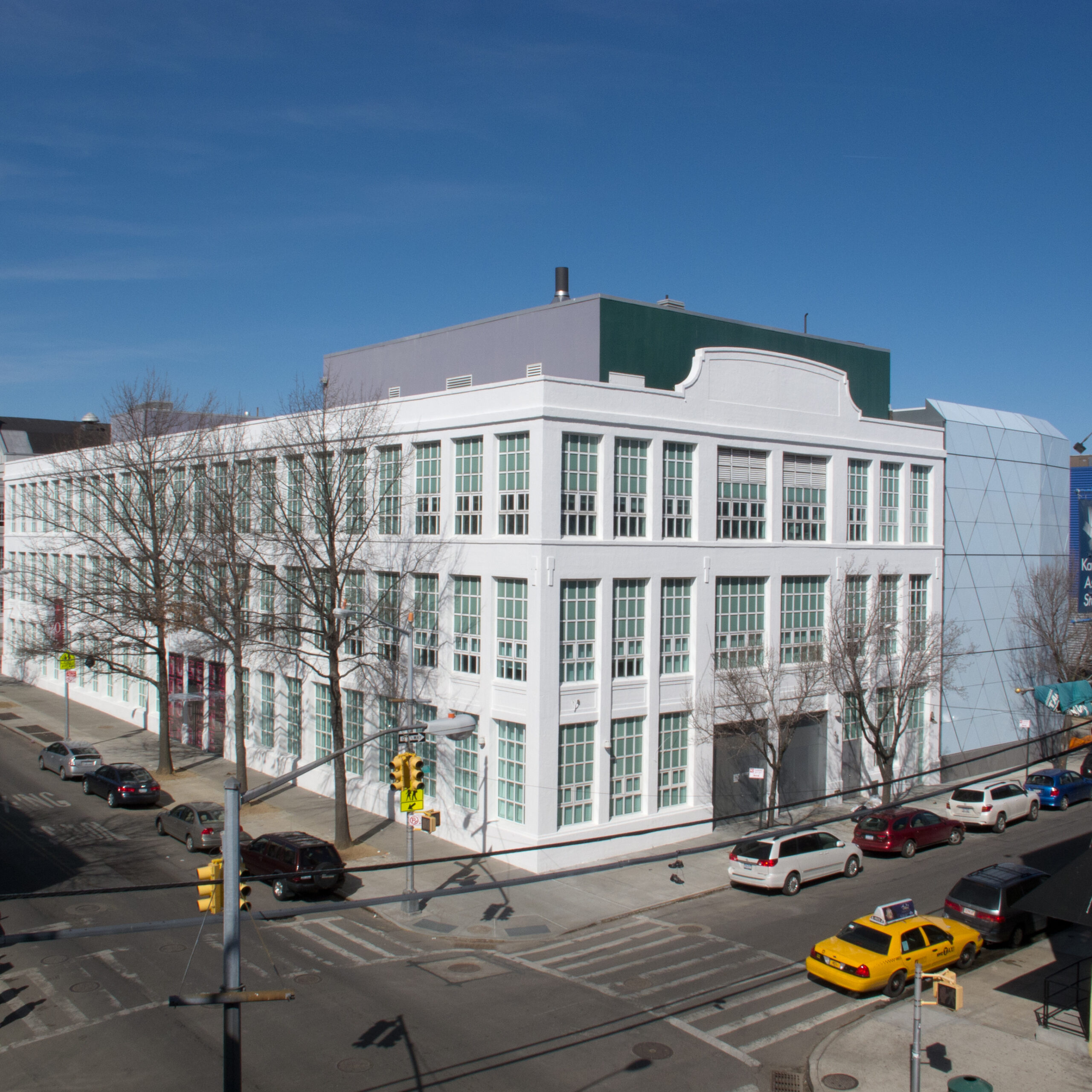
- The museum building was once home to Paramount Studios, where films from the silent film era and the early days of sound cinema were produced.
- Famous actors worked at the studio, including Gloria Swanson, Rudolph Valentino, and the Marx Brothers. Later, popular television shows such as Sesame Street and The Cosby Show were filmed here.
- In 2011, the museum reopened following a major renovation. The new wing, designed by architect Thomas Leeser, added a 267-seat cinema, classrooms, and a spacious lobby.
- The main screening room, the Reynolds Theater, resembles a futuristic cave thanks to its curved walls and unusual lighting. It hosts film screenings, premieres, and meetings with directors.
- The permanent exhibition Behind the Screen explores how films are made, from scriptwriting to editing, sound design, and special effects.
- Visitors can try their hand at creating animation, recording sound effects for a film, or editing a short video sequence.
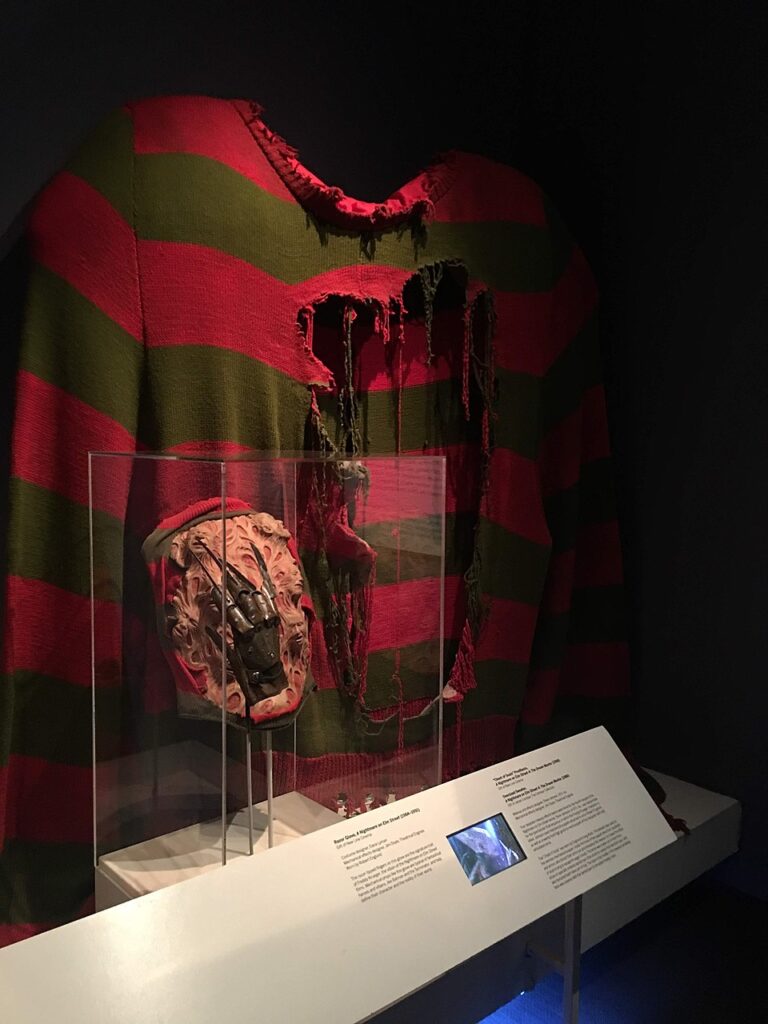
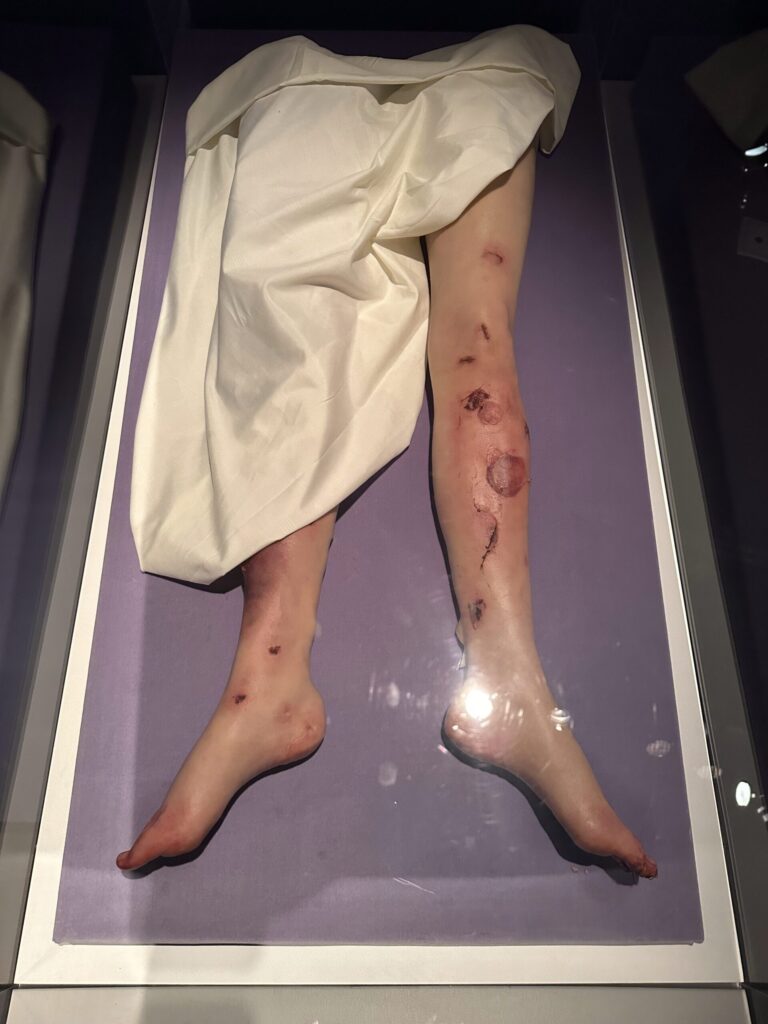
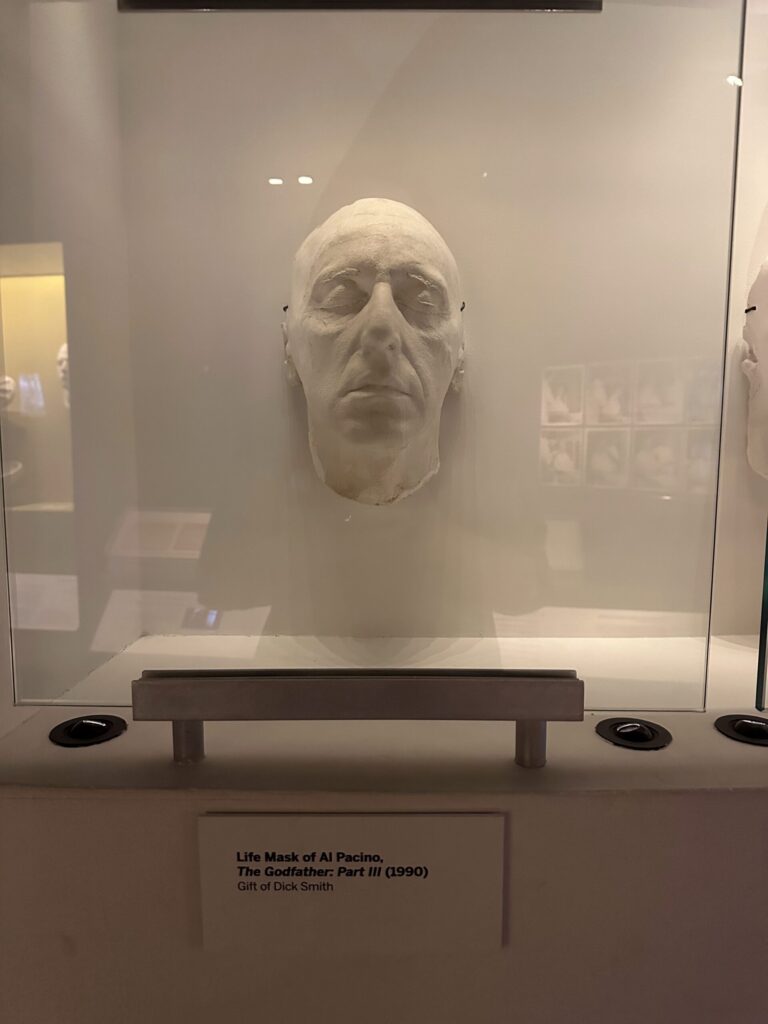
- The museum’s collection contains more than 130,000 objects, including costumes, props, cameras, projectors, video game consoles, and promotional materials.
- The museum also pays special attention to video games. Visitors can learn about the history of gaming consoles and arcade machines, as well as the influence of video games on cinema and art.
- The museum regularly hosts festivals, retrospectives, and special screenings. These include films shown on 35-millimeter film, preserving the tradition of classic theatrical cinema.
History of the Museum of the Moving Image
The Museum of the Moving Image was founded in 1970 in the historic Astoria Studios building, where some of the most important films of the early 20th century were produced. It became the first institution in the United States dedicated entirely to the history and technology of film, television, and video.
For its time, the museum featured a state-of-the-art theater capable of projecting in 70mm, 35mm, and 16mm formats. It was also one of the few places in New York that could screen rare nitrate film prints. Exhibitions recreated iconic moments in television and video culture — for instance, visitors could watch programs in a mid-20th-century–styled TV living room.
In 2008, the museum doubled in size, adding a new theater and educational spaces. The expansion was designed by Leeser Architecture.
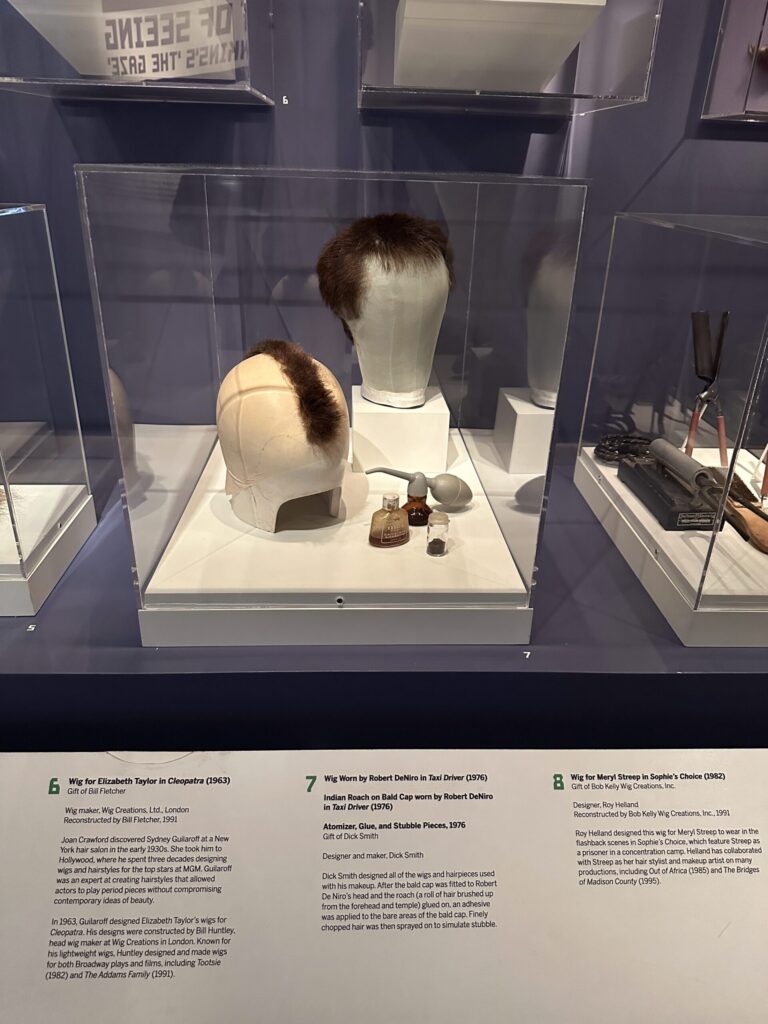
Collection and Exhibits at the Museum of the Moving Image
The museum’s main exhibition, Behind the Screen, explores the creative process of filmmaking, animation, and all forms of screen media. It features:
- historic film and television cameras, projectors, and recording equipment,
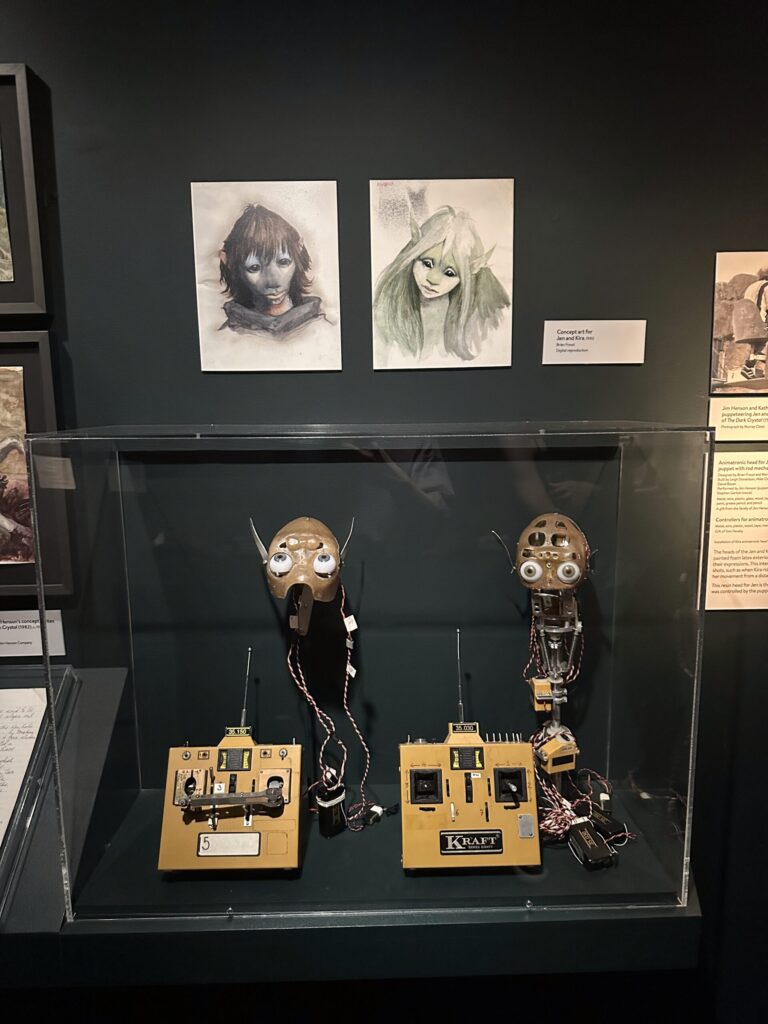
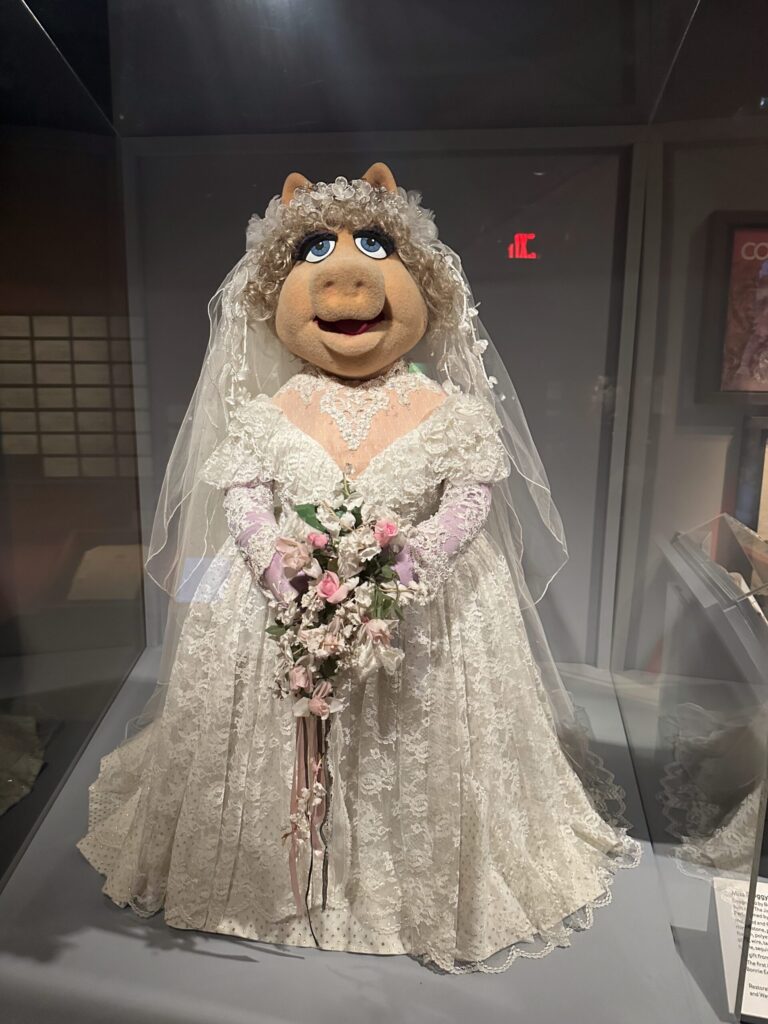
- costumes, set design sketches, makeup tools, magazines, and posters,
- collectible objects from across film and television history.
The museum’s interactive elements are especially engaging. Visitors can explore a collection of arcade and console video games — and play many of them. They can also create their own animations, dub scenes from famous films, add sound effects and music, or record a sequence of photos to make a flipbook.
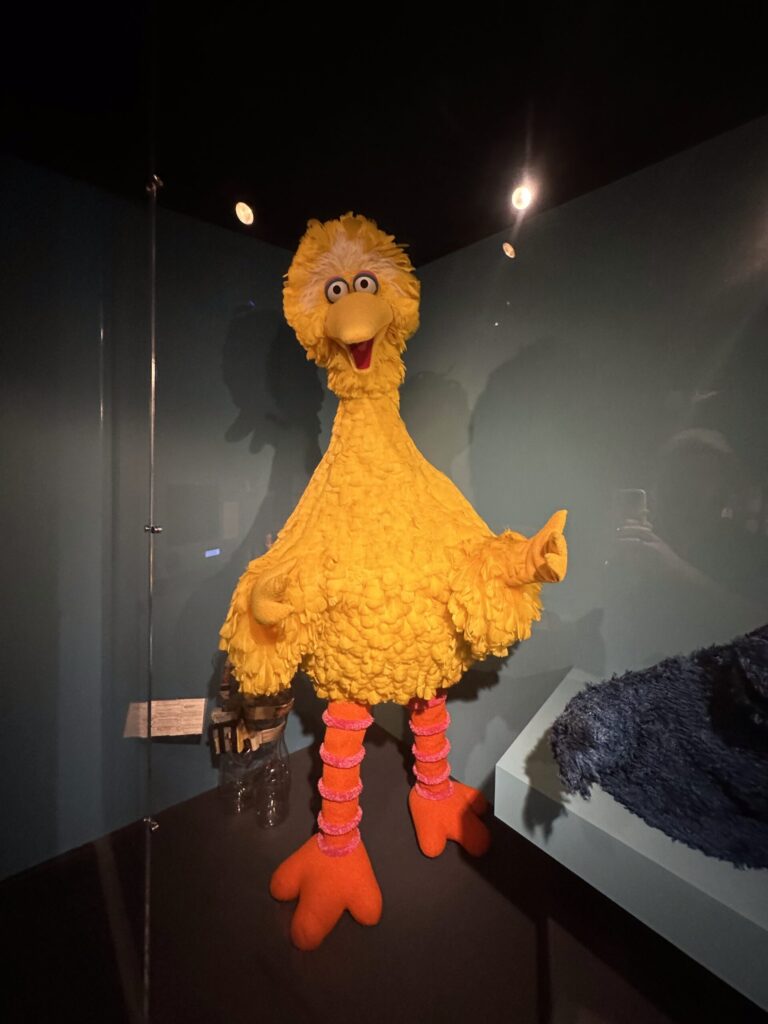
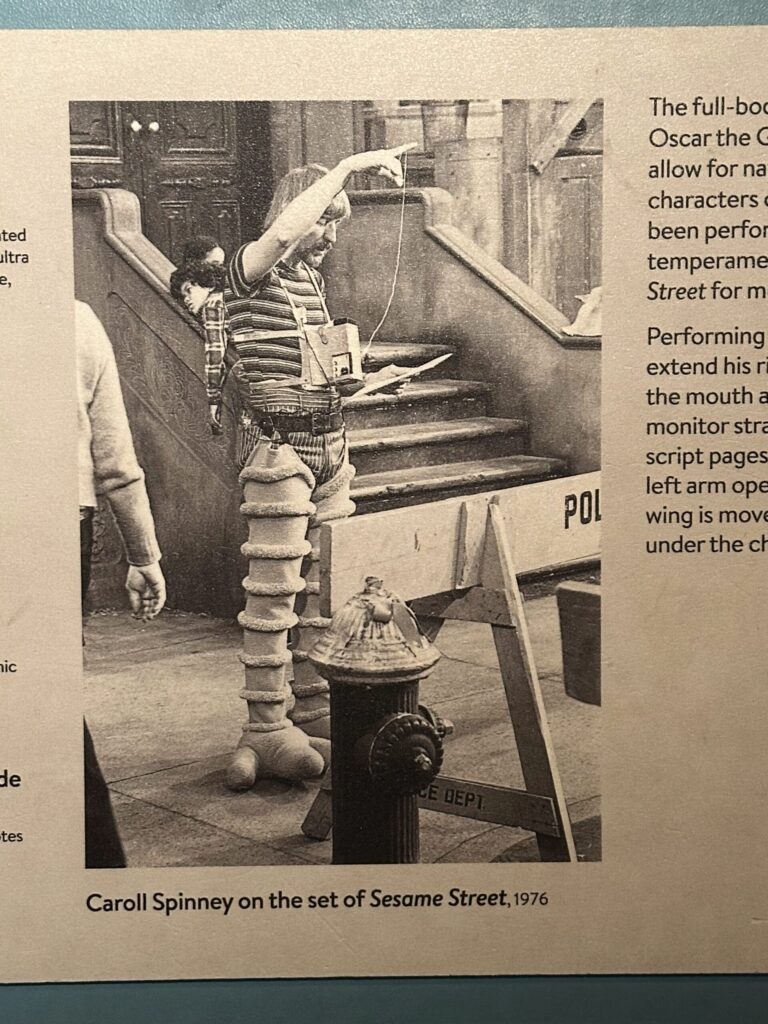
The museum also houses a cinema that hosts screenings and events. For example, as part of a program dedicated to Jim Henson, visitors can see an exhibition and screening of Sesame Street: Follow That Bird. Alongside original Sesame Street puppets, the film features Chevy Chase, John Candy, and Waylon Jennings in a story about Big Bird being relocated by a social worker and his adventurous journey back to Sesame Street.
Since 2011, the museum has hosted the First Look Festival, which has quickly become a significant cultural event. The festival showcases some of the most innovative works in independent and world cinema, experimenting with form, genre, and storytelling.
Architecture of the Museum of the Moving Image
The building’s design is based on the idea of bringing architecture and cinema together. Visiting the museum is meant to feel like watching a film: visitors move from one room to another, as if progressing from one frame to the next.
One of the most unusual spaces is the main screening room, the Redstone Theater, which seats 267 people. Its walls and ceiling are covered in blue felt, giving the room the appearance of a glowing cocoon. This finish not only creates a distinctive atmosphere but also improves the acoustics.
Another interesting space can be found on the main staircase. A small amphitheater with built-in benches occupies the first landing. Visitors can watch screenings and explore exhibitions here, while the wall above the staircase serves as a projection screen. As a result, the staircase functions simultaneously as a passageway, an auditorium, and an exhibition space.
The building also contains a smaller cinema with 68 seats. A pink corridor leads to it, and inside, visitors are drawn to the exposed speakers and the gray perforated wall surfaces. Rather than being concealed, the technical elements are deliberately left visible and become part of the interior design.
The museum’s rear façade is equally unusual. It is clad in light blue, triangular metal panels. They were installed with remarkable precision: despite the façade being approximately 60 meters long, the permitted deviation was only about 5 millimeters.
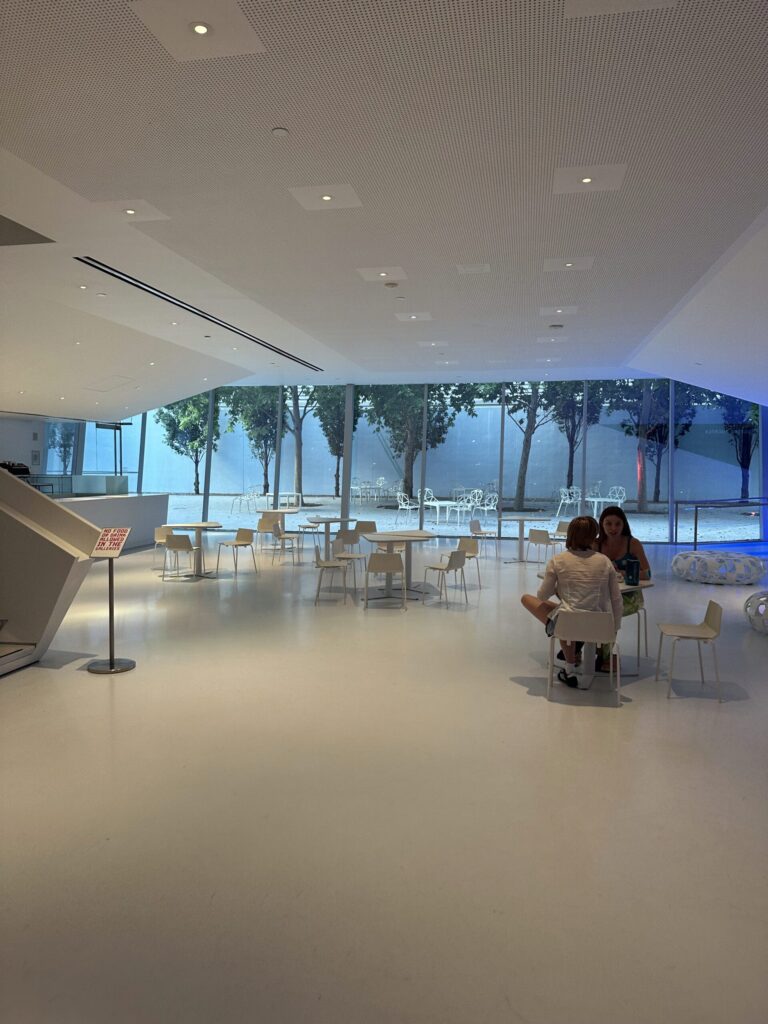
Among the newer additions is a landscaped courtyard, where film screenings and other events are held during the warmer months.