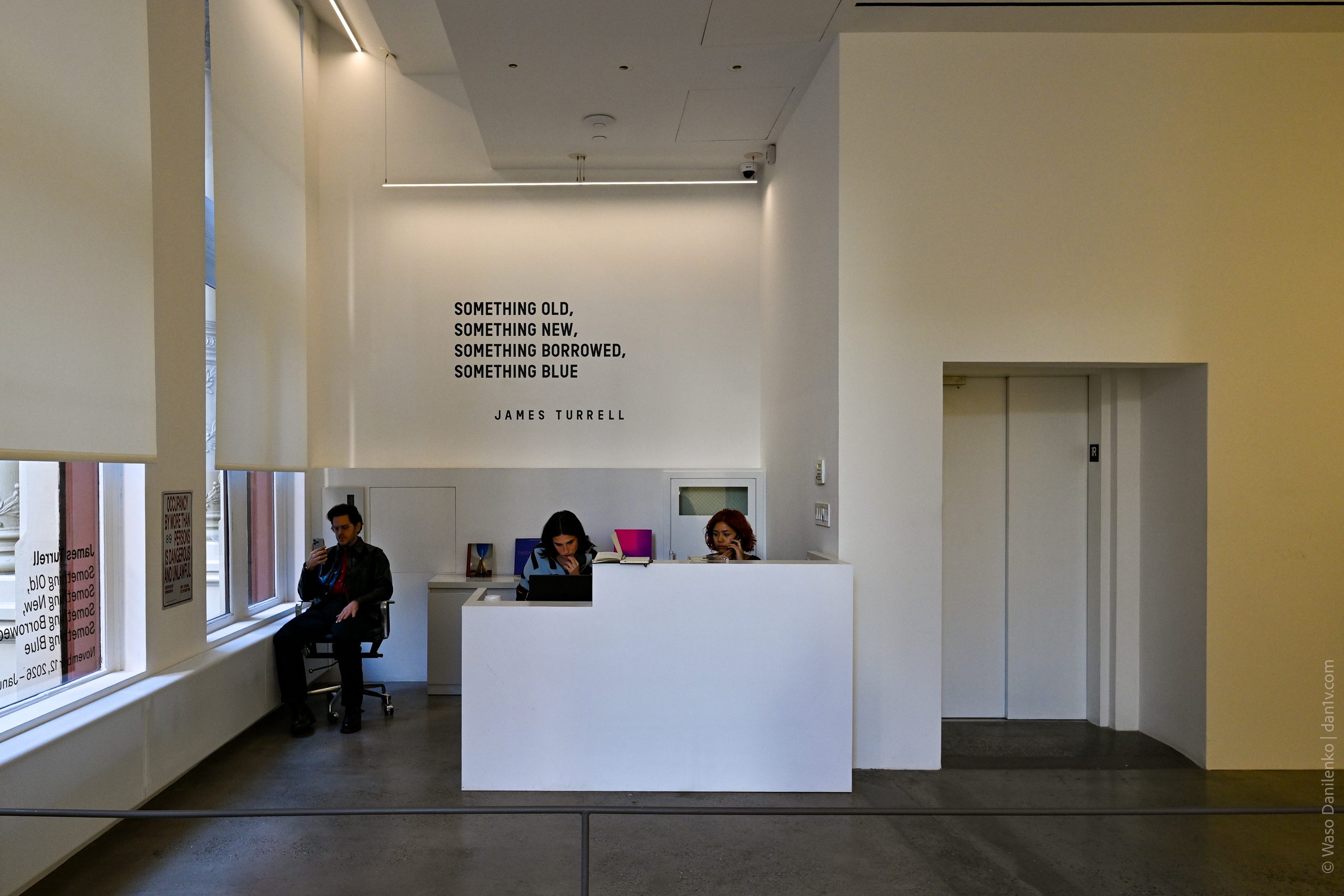
On November 12, an exhibition by James Turrell, my favorite artist, opened at the Almine Rech gallery in Tribeca. It is titled Something Old, Something New, Something Borrowed, Something Blue. Turrell works with light as if it were a material he could sculpt, and this exhibition offers a good look at exactly how he does it.
The Meaning Behind the Title of James Turrell’s Exhibition
The title comes from an English wedding tradition: a bride is supposed to wear something old, something new, something borrowed, and something blue. For Turrell, this familiar formula has a long history behind it, and each of the four elements has its own place in the exhibition.
Something New
The new works on view come from three series: Cross Corner, Shallow Space, and Glassworks. Each offers a different answer to the question of what can be done with light in a room.
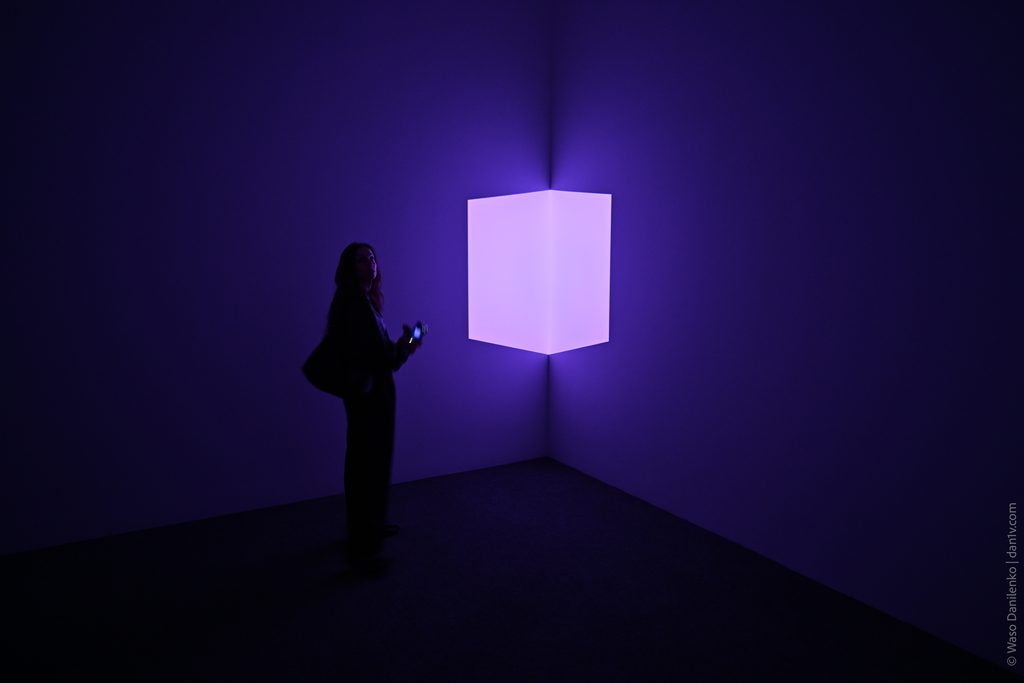
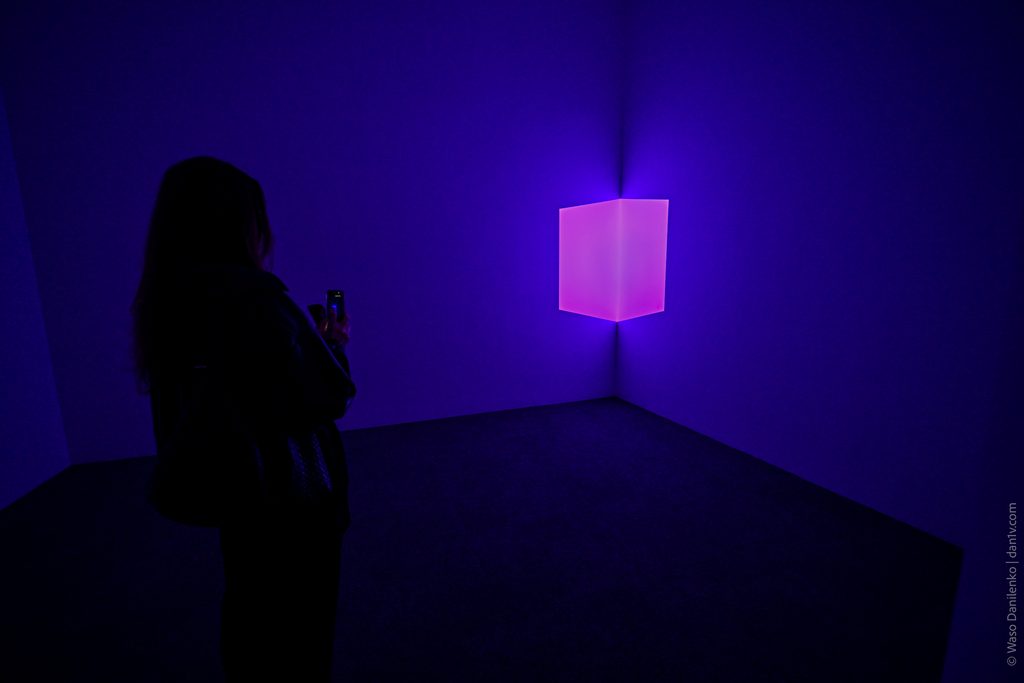
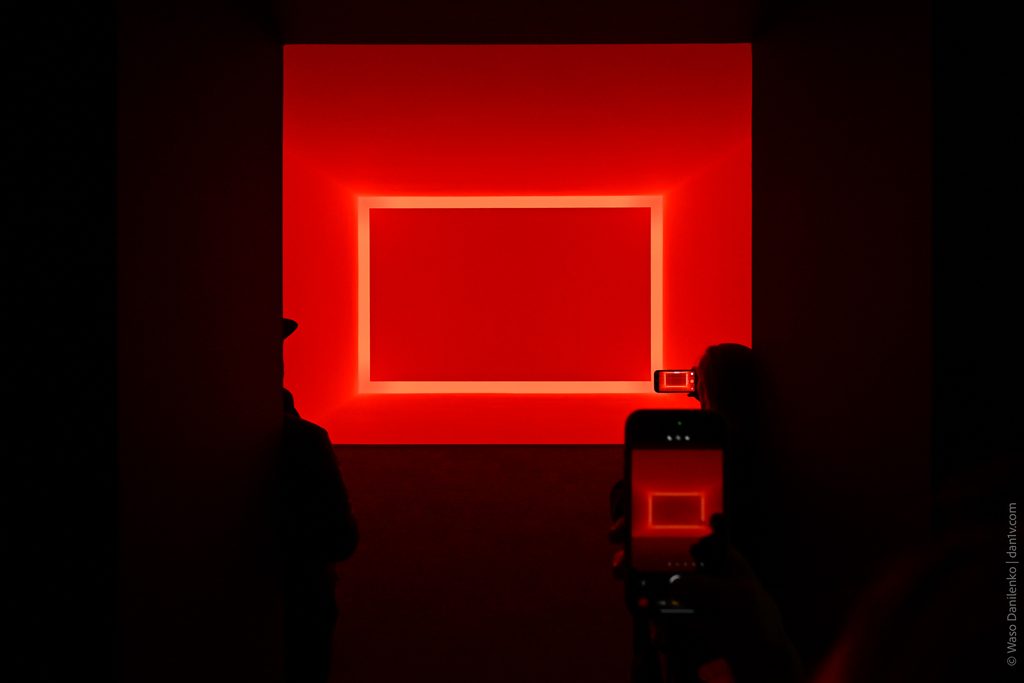
- Cross Corner. A beam of light falls into a corner in such a way that a flat projection appears three-dimensional. The eye sees an object where there is nothing but light.
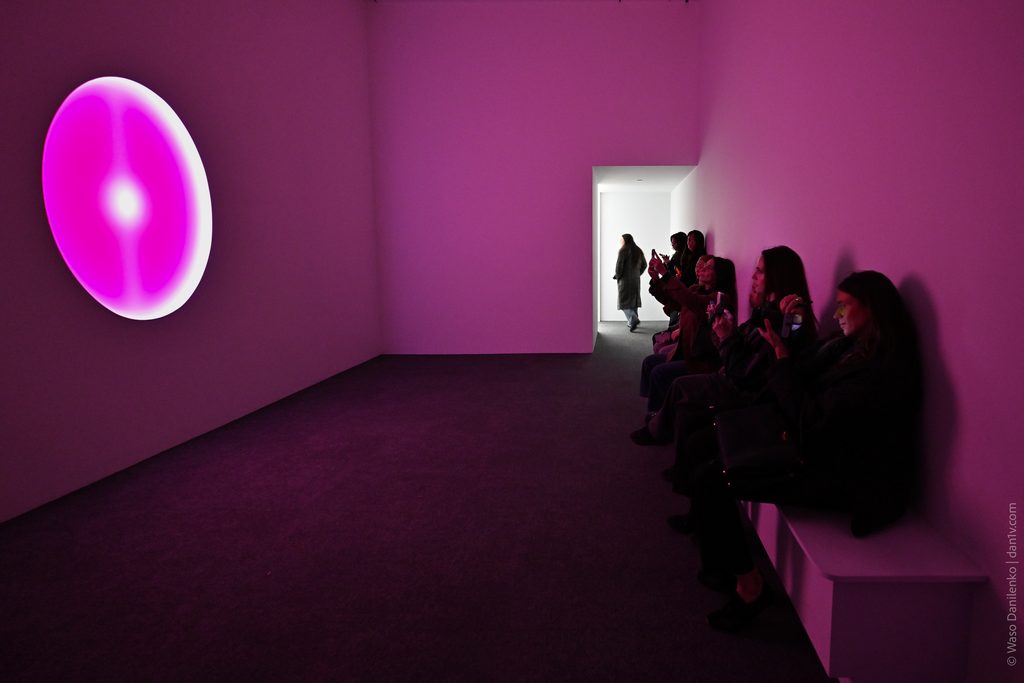
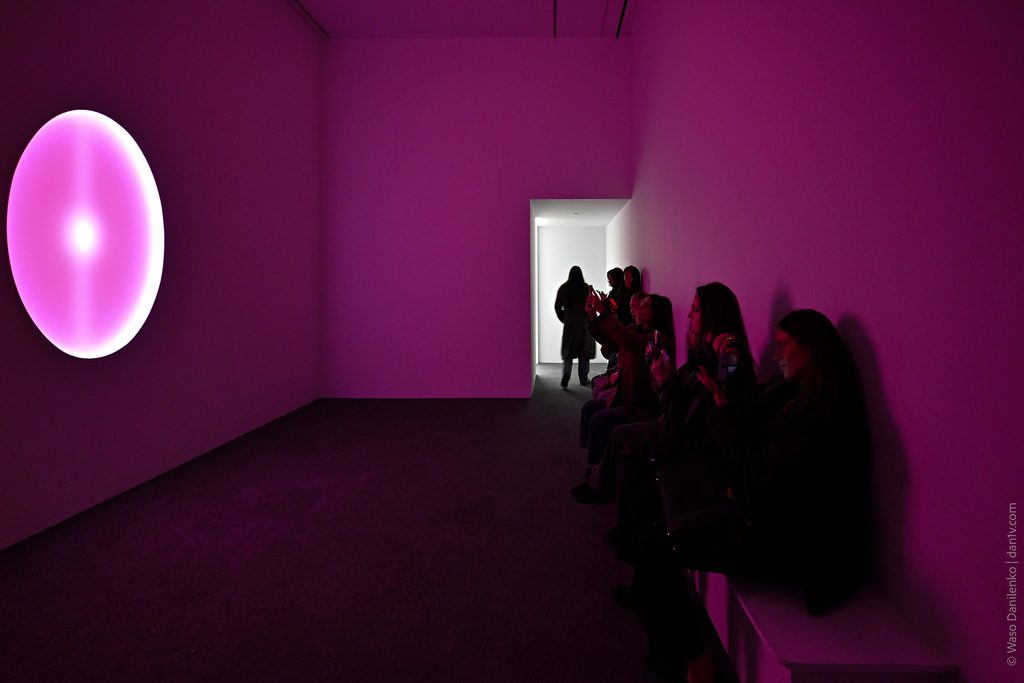
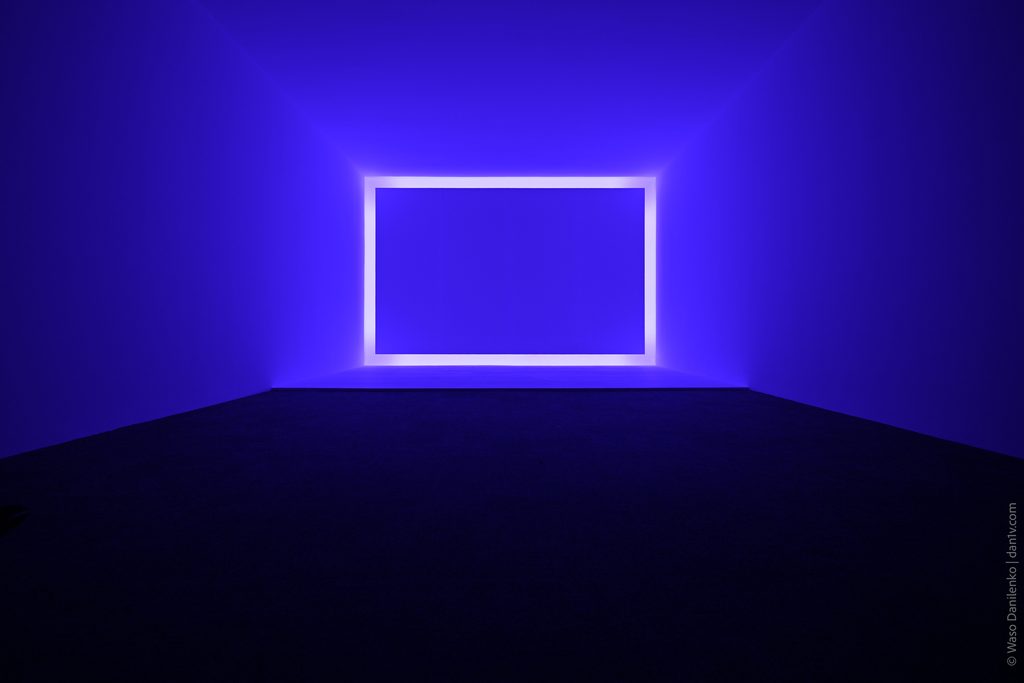
- Shallow Space. Turrell conceals the light source, making it difficult for the eye to judge the distance to the wall. It becomes impossible to tell whether the wall is near or far, or whether there is any space behind the illuminated surface.
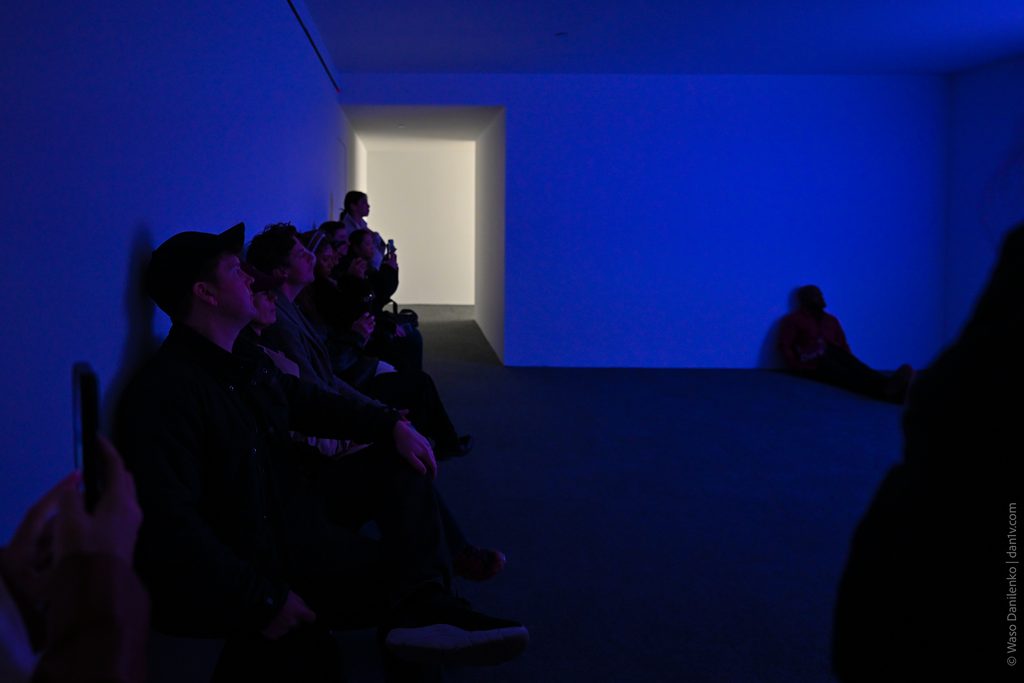
- Glassworks. The color changes so slowly that the transition is easier to notice if you look away and then look back. In a sense, the work asks viewers to be patient.
Something Old
In November 1989, Almine Rech, whose name the gallery bears, opened her first gallery in Paris with James Turrell’s light installation Blood Lust. It was the artist’s first gallery exhibition in Europe.
The New York exhibition is Turrell’s thirteenth solo show with Rech and his first in the United States. Their relationship, which began in Paris more than thirty years ago, now continues in New York.
Something Borrowed
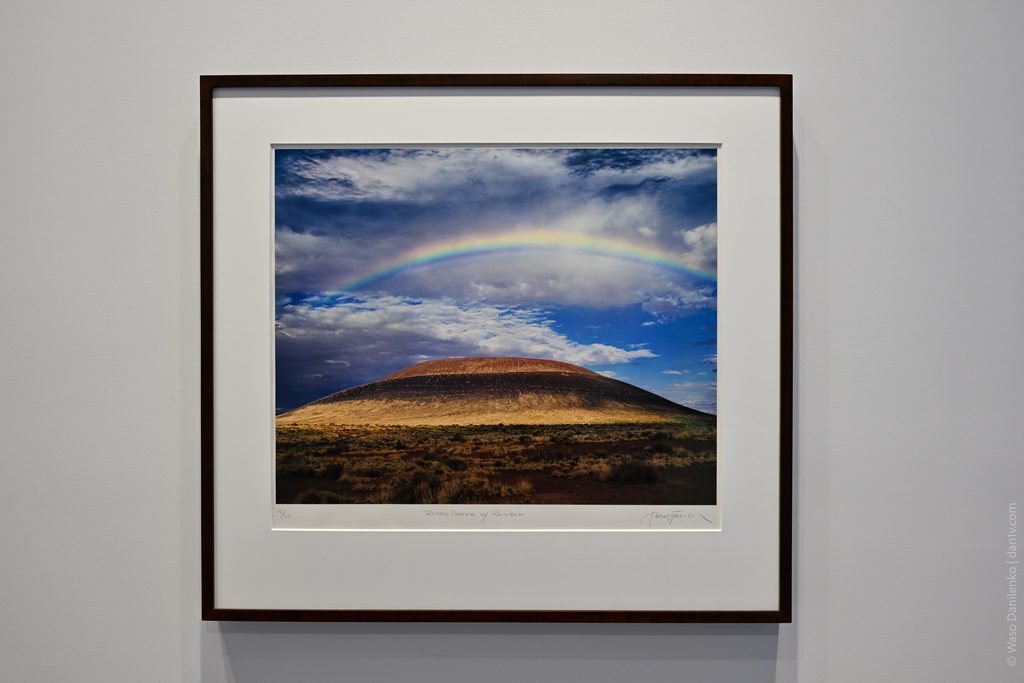
What is borrowed here is not someone else’s work, but Turrell’s own. The artist revisits ideas he first developed many years ago. In 1967, he created Afrum I (White): a white cube appears to float in the corner of a room. At least, that’s what it looks like until you get closer. Up close, it becomes clear that there is no cube at all — its edges are formed by light projected onto two walls.
Cross Corner has clear parallels with this earlier work. The corner of a room and the illusion of three-dimensional volume where none actually exists have remained central to Turrell’s artistic approach for more than half a century.
Themes and Ideas Behind James Turrell’s Exhibition, Something Old, Something New, Something Borrowed, Something Blue
James Turrell studied perceptual psychology at Pomona College before beginning to experiment with light and the way it affects our sense of depth and space. That’s why his work is concerned not so much with light itself as with how people perceive it.
The key to this exhibition is not simply looking at the installations but spending several minutes with them. The longer you look, the harder it becomes to distinguish real space from optical illusion.
The exhibition features more than fifteen works, all exploring how light changes our perception of space. The artist plays with depth, form, and distance, making viewers question what they are seeing.
Shallow Space: Where Does the Wall End?
In this series, Turrell uses the architecture of the room itself. He creates a second wall in front of the existing one, leaving narrow gaps along the edges. He then fills the space between the two walls with light. The result is a glowing shape that appears flat, even though there is actually depth behind it. Viewers may find it difficult to tell whether they are looking at a wall, an opening, or a screen.
Glassworks: What Lies Behind the Light?
Works in this series look like elongated, glowing openings in the wall. They are covered with frosted glass, behind which LED displays are installed. The color of the light changes very slowly: a full cycle in some works takes around three and a half hours. Shades gradually blend into one another, with almost no visible boundaries between them.
The glass itself is nearly invisible, creating the impression that the color exists directly inside the wall. Turrell originally used neon for works like these, but later switched to LEDs, which allow him to produce a wider range of shades and smoother transitions.
Cross Corner: Can Light Look Three-Dimensional?
This series dates back to 1966. Turrell projects a rectangular beam of light onto the corner of a room. From a particular viewing point, it looks like a three-dimensional cube protruding from the wall. In reality, it is nothing but light, but the brain perceives it as a solid object.
Interestingly, even when viewers can see the projector and understand how the illusion works, it does not disappear. Turrell later developed this idea further in his Cross Corner Constructions, which combine projections with architectural recesses designed to hold light. This is how the series became connected to his later Shallow Space works.
Visitor Information
📍 Almine Rech Gallery / 361 Broadway, New York, NY 10013
Free tickets: eventbrite.com
Gallery website: alminerech.com
On view through: January 30, 2027
Attentive readers may remember that I’ve already written about Turrell and his Skyspace project, which is freely accessible at locations such as MoMA PS1 in Queens.