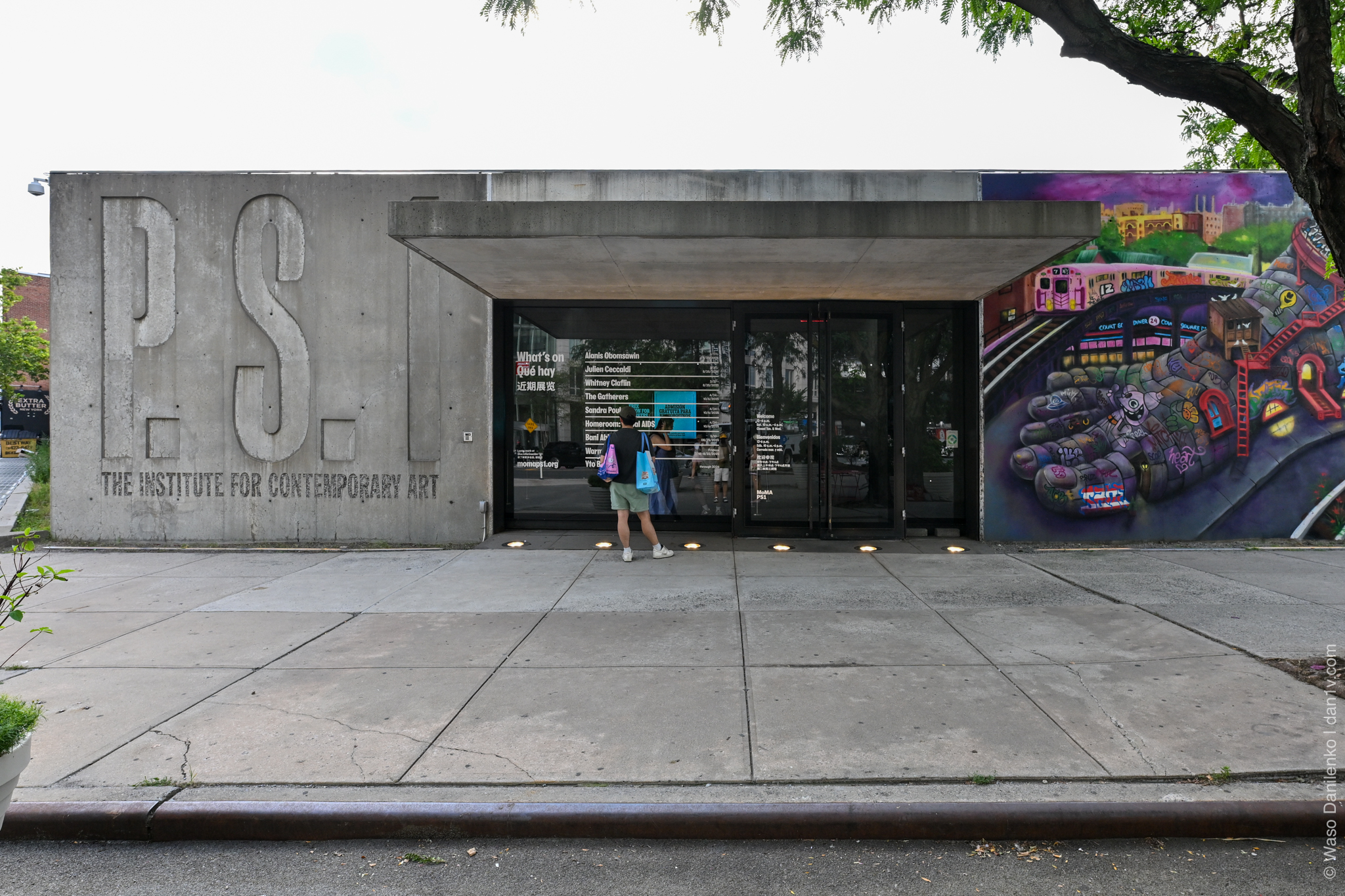
Located in Long Island City, Queens, MoMA PS1 is one of New York’s leading centers for contemporary art, known for its experimental exhibitions, performances, and music programs. Founded in 1976 in a former public school building, the institution brings together bold artistic projects, educational initiatives, and community events.
From large-scale exhibitions by emerging artists to groundbreaking performances and interactive installations, MoMA PS1 offers something to inspire everyone.
Interesting Facts About MoMA PS1 Contemporary Art Center
- The MoMA PS1 building was constructed in 1892 as a public school in Long Island City, Queens. The name PS1 comes from its original name, Public School 1.
- In 1971, curator Alanna Heiss founded an organization dedicated to turning abandoned buildings in New York City into venues for contemporary art.
- In 1976, the first exhibition, titled Rooms, opened in the former school. Artists created works directly inside the classrooms, using the unique features of each space.
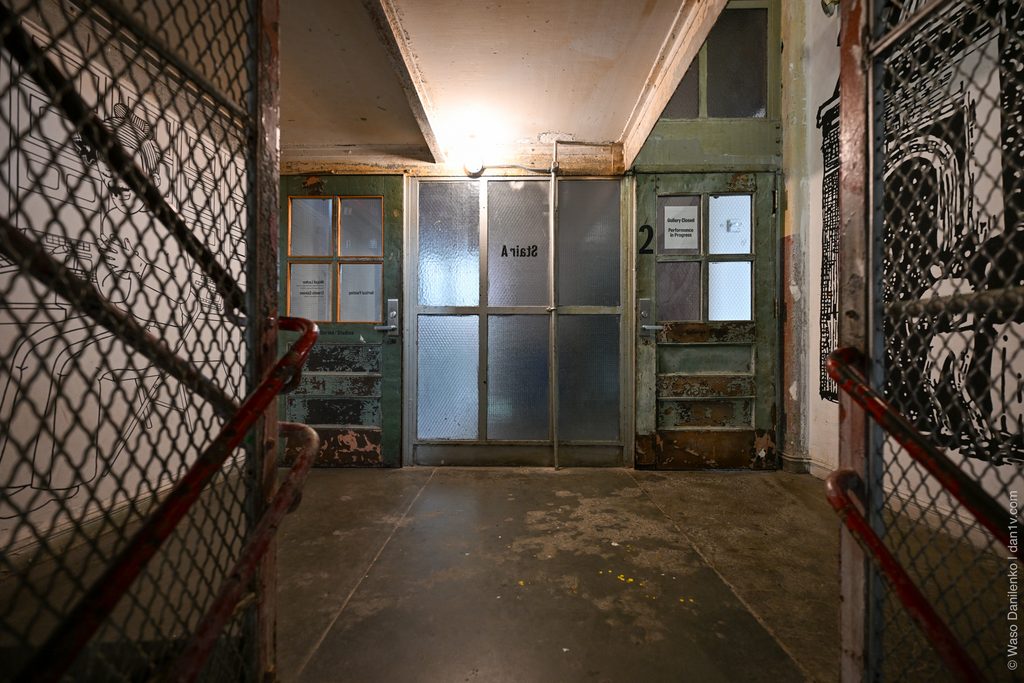
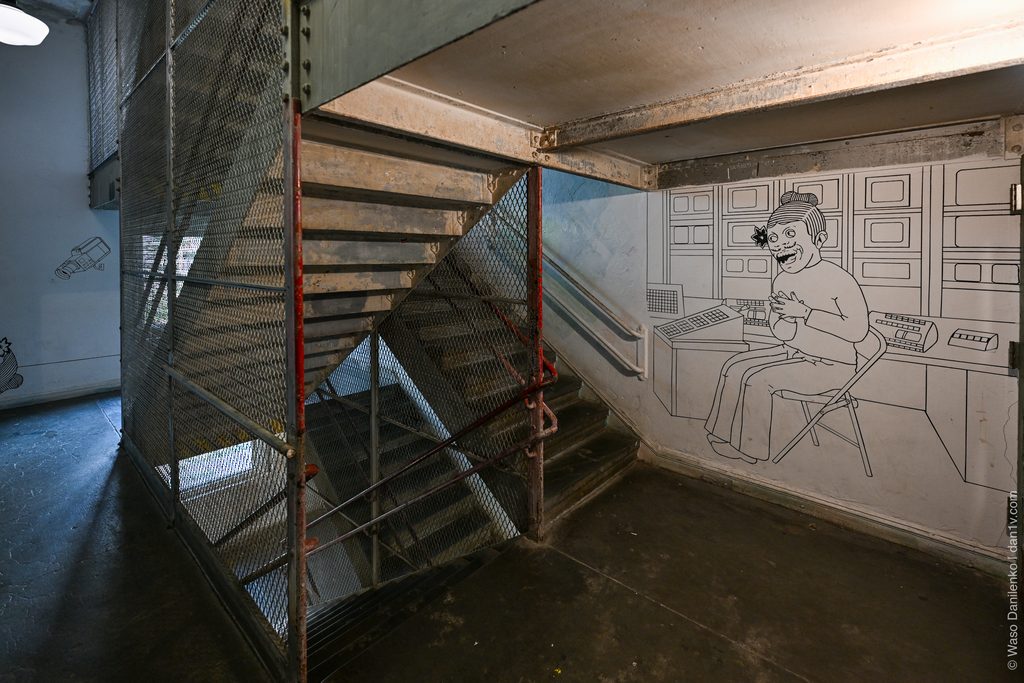
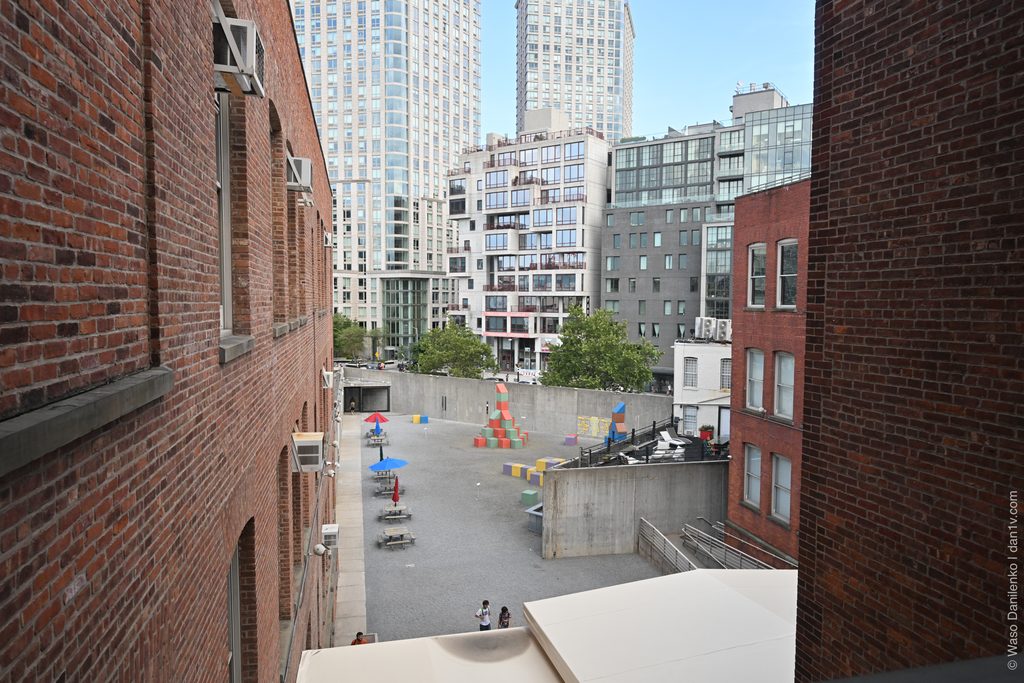
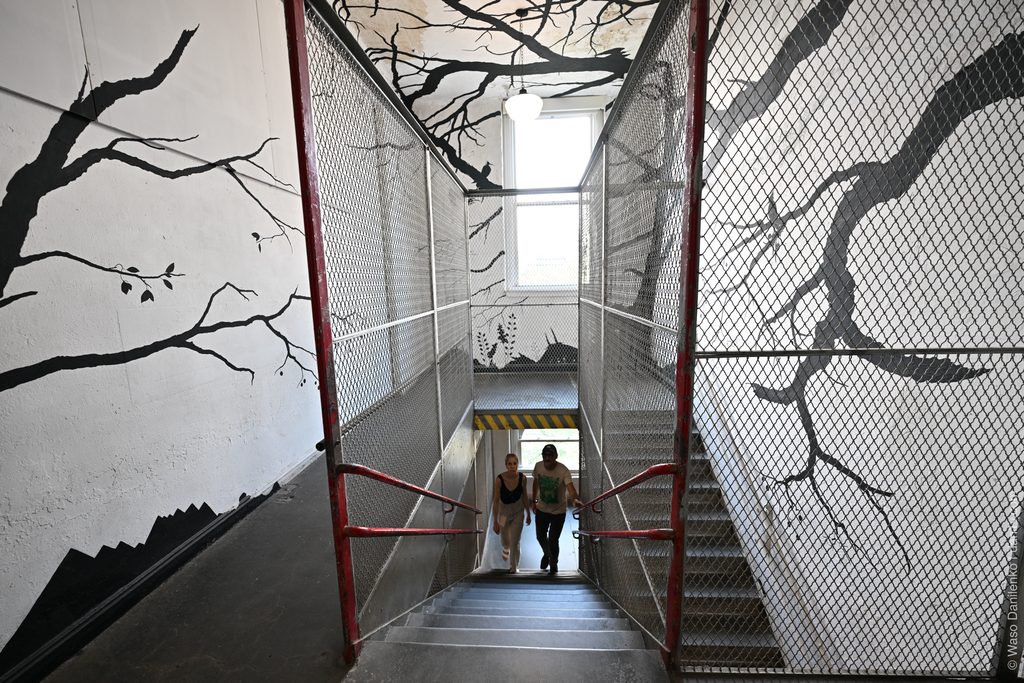
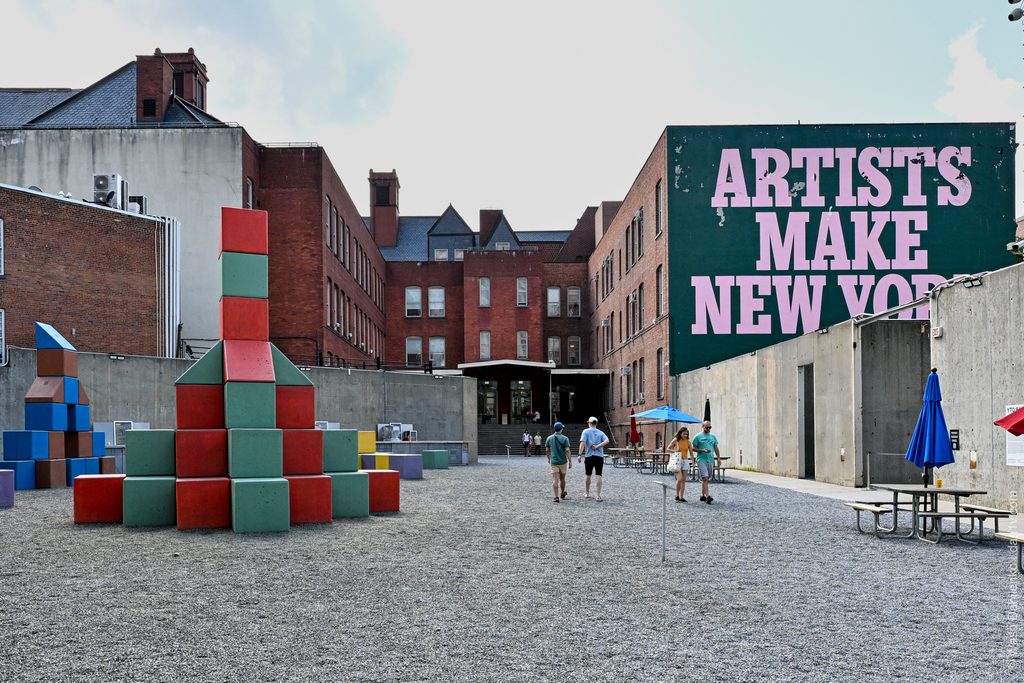
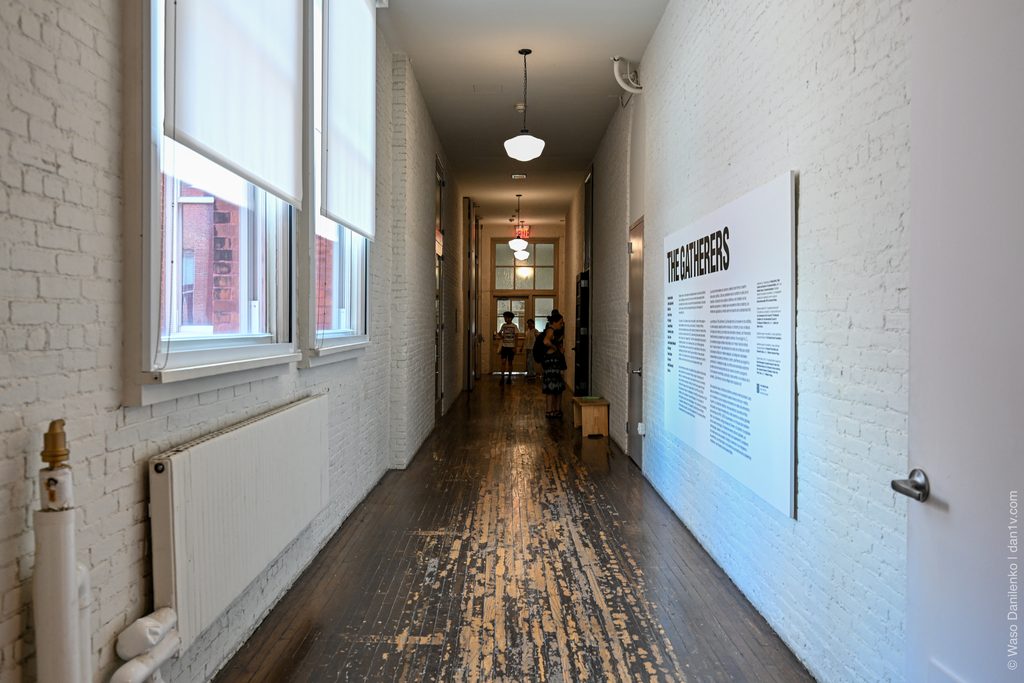
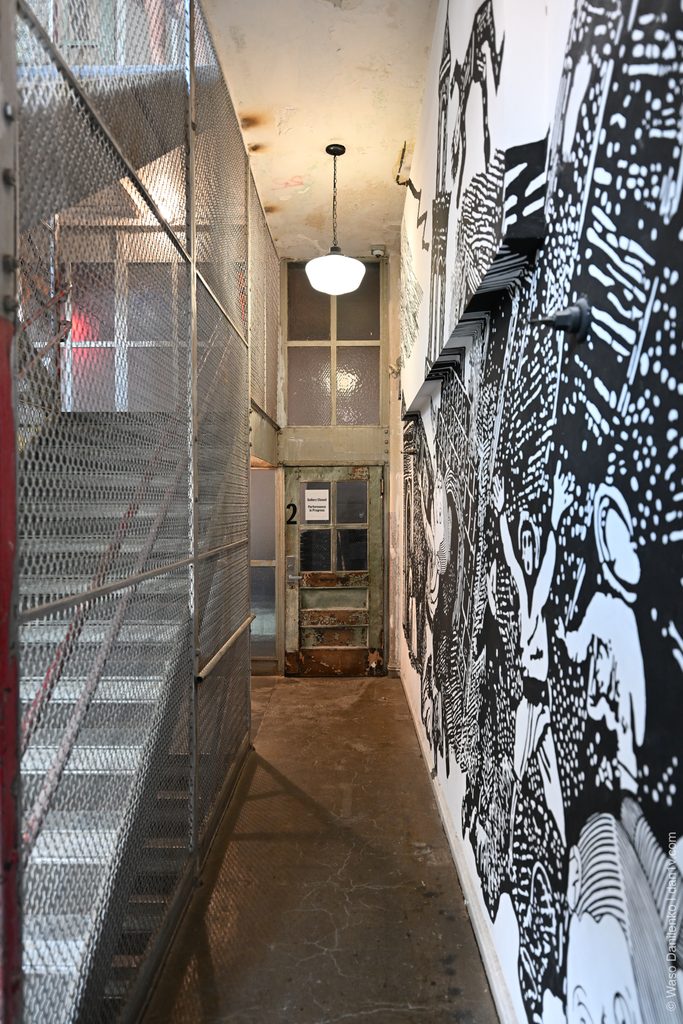
- In 1997, the building was renovated while preserving its old staircases, corridors, and industrial character. That same year, the courtyard began hosting Warm Up, a series of summer music events that eventually became known far beyond the museum.
- In 2000, PS1 merged with the Museum of Modern Art (MoMA), and in 2009, the name MoMA PS1 was officially adopted.
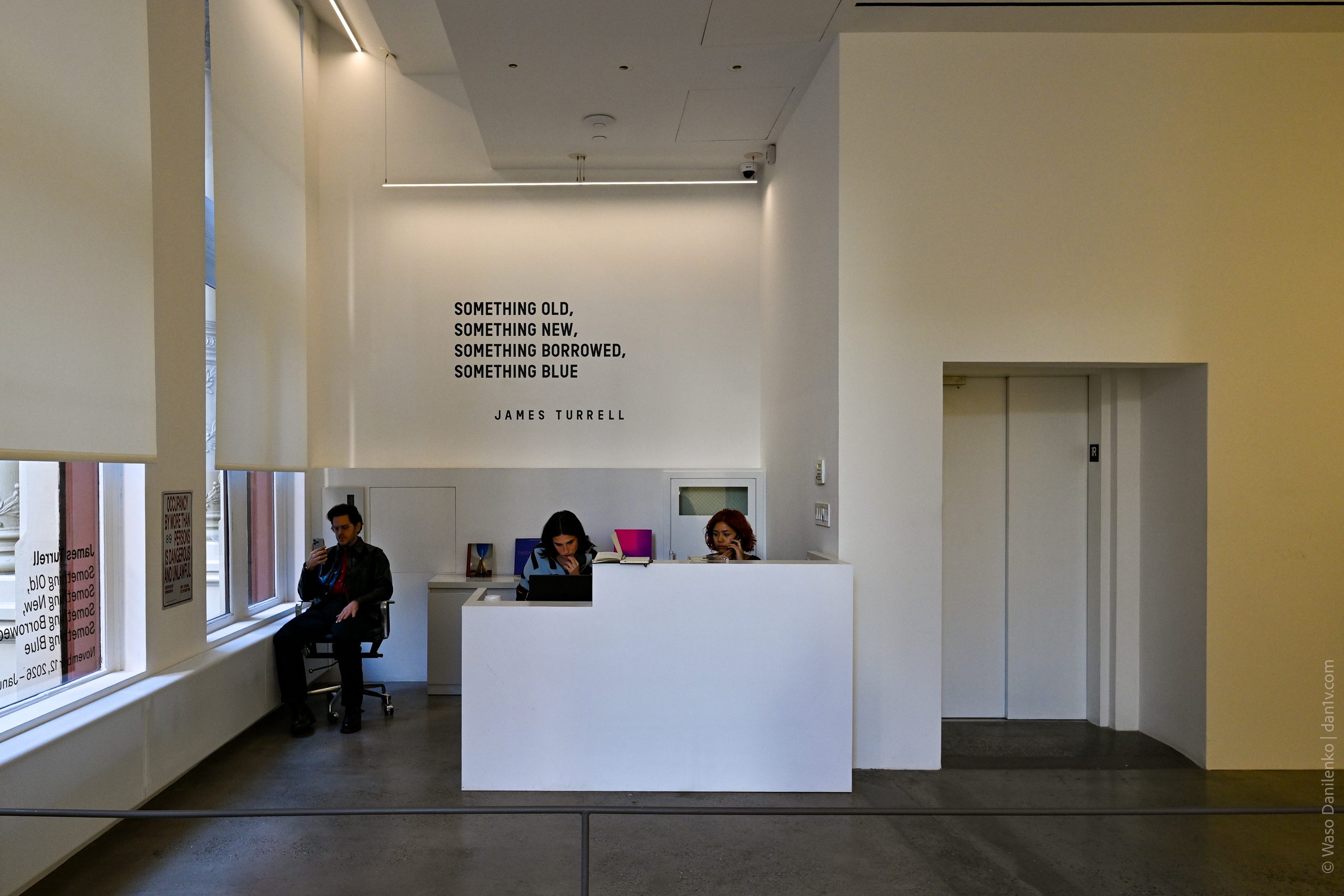
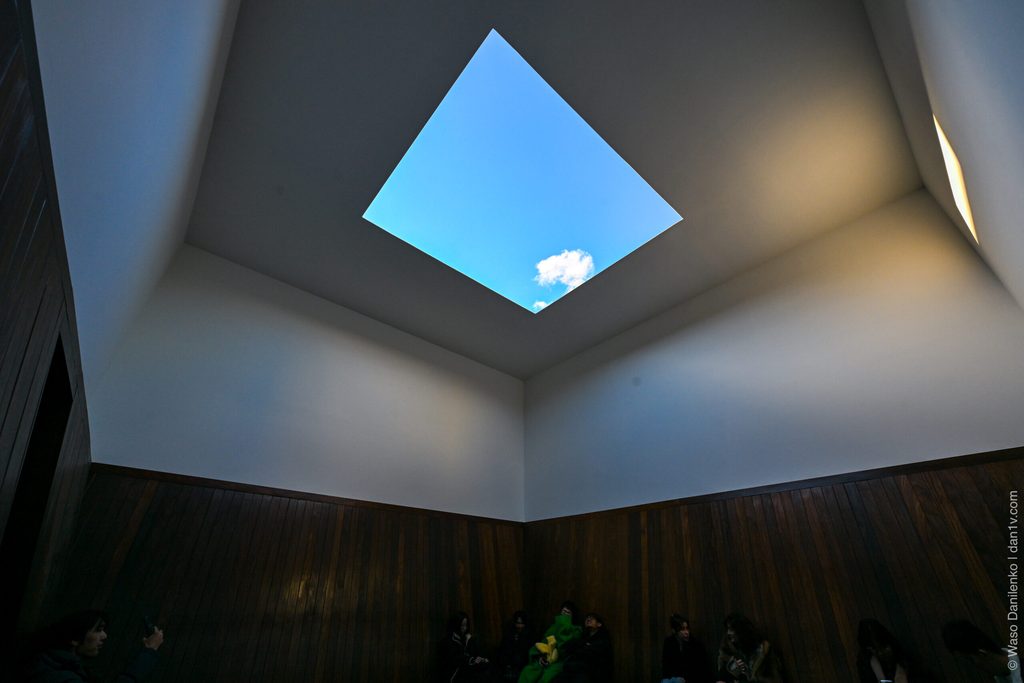
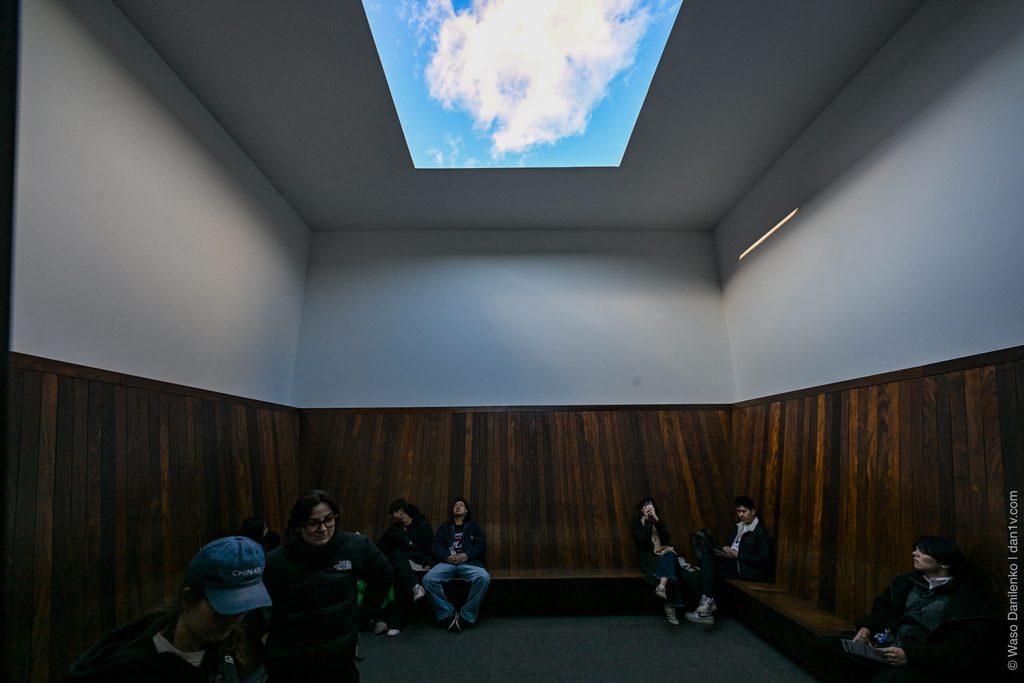
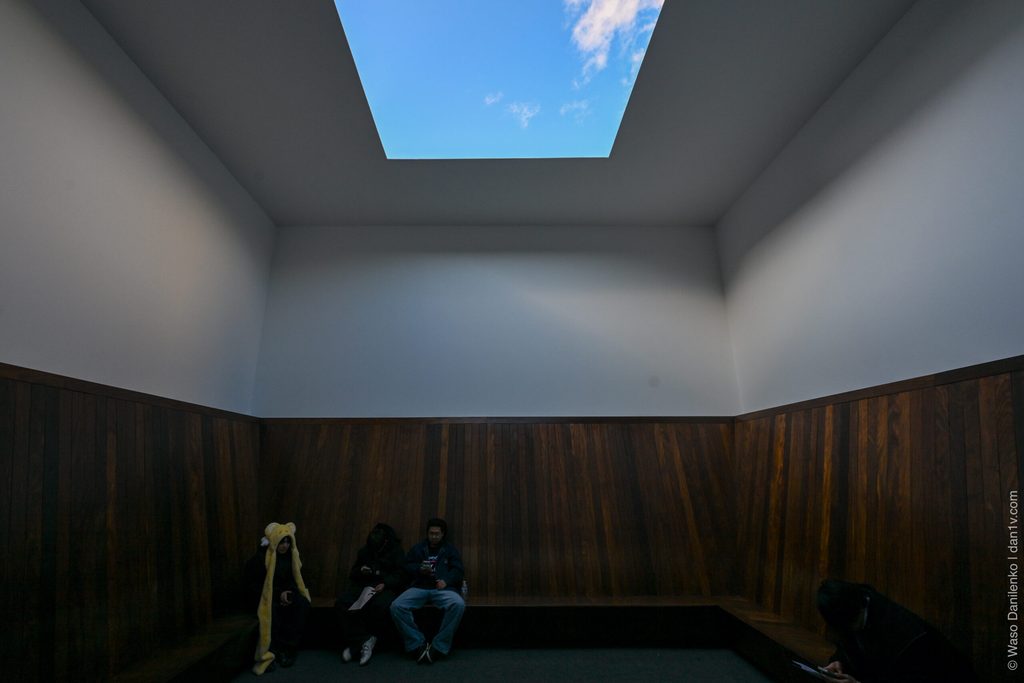
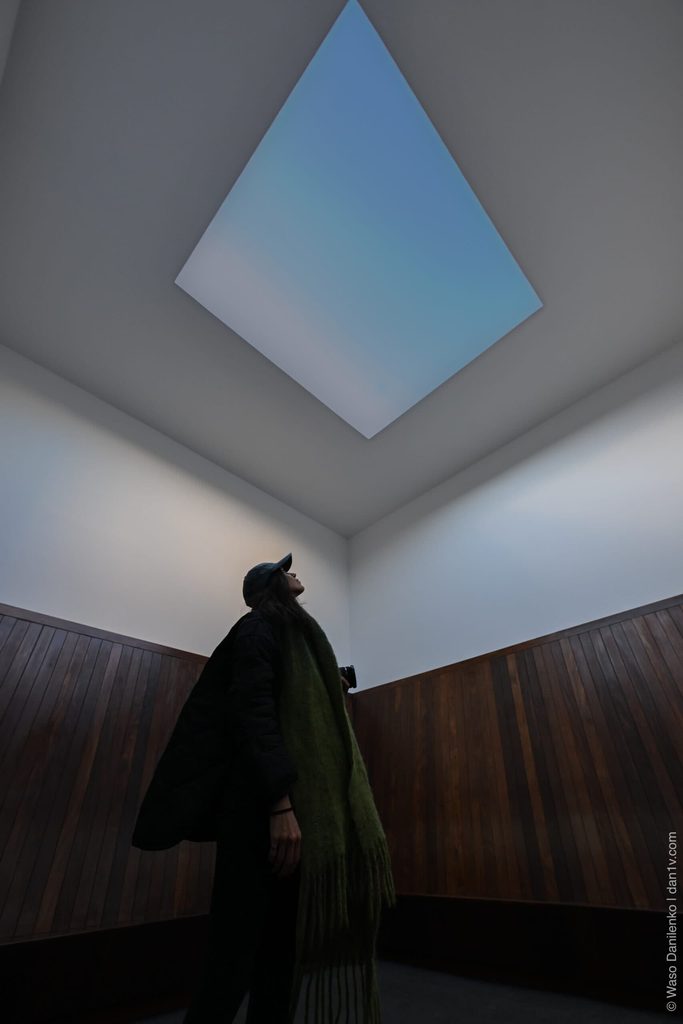
- The museum features James Turrell’s Meeting (1986), a room with a square opening in the ceiling. Visitors can observe the sky and experience the changing effects of natural light.
- Rather than focusing on a large permanent collection, the museum emphasizes temporary exhibitions, installations, performances, and experimental projects by contemporary artists.
History of MoMA PS1 Contemporary Art Center
MoMA PS1 was established in 1976 as the P.S.1 Contemporary Art Center by curator Alanna Heiss. The building, originally a 19th-century school, was transformed into an experimental platform for contemporary art. From the start, PS1 championed young and lesser-known artists, hosting exhibitions, performances, and artistic experiments rarely seen in traditional museums.
A major renovation in 1997 added a spacious courtyard, a new entrance, and two-story galleries designed for ambitious projects. In 2000, P.S.1 officially affiliated with the Museum of Modern Art, becoming MoMA PS1. This partnership strengthened its resources and cemented its role as one of New York’s most influential contemporary art centers.
Exhibitions at MoMA PS1 Contemporary Art Center
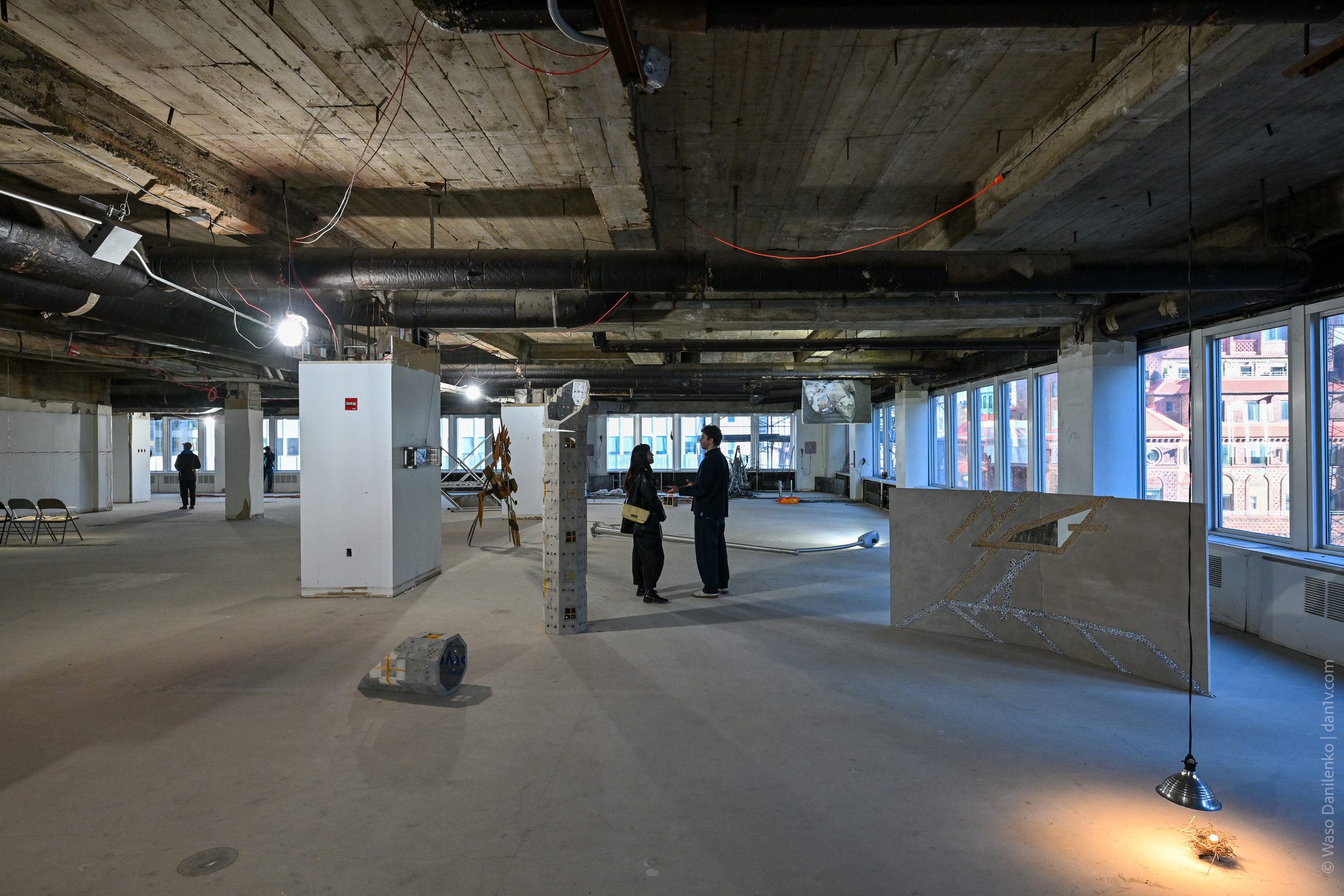
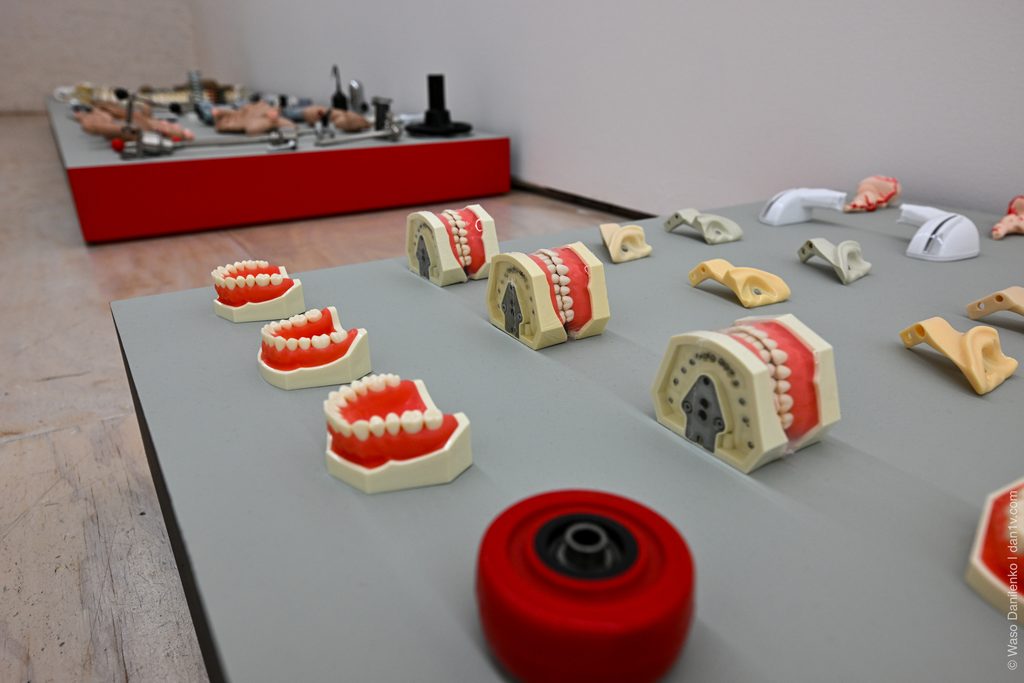
Unlike traditional museums, MoMA PS1 does not maintain a permanent collection. Its strength lies in temporary exhibitions, with a focus on contemporary and experimental practices. Artists often activate unconventional spaces within the building — former classrooms, hallways, and courtyards — making the architecture part of the experience.
Greater New York
One of the institution’s most significant recurring exhibitions is Greater New York, held every five years. The series showcases New York-based artists whose works reflect the city’s cultural and social landscape.
The most recent edition in 2021 featured 47 artists and collectives, including:
- Nadia Ayari — exploring the intersection of the personal and political through symbolic imagery.
- Robin Graubard — presenting her photographic series Peripheral Vision (1979–2021), examining themes of observation and memory.
- Doreen Garner — addressing identity and violence through sculpture and performance.
- Emilie Louise Gossiaux — investigating the perception of the body and sensory experience.
- Milford Graves — legendary jazz musician and visual artist, whose work bridged sound and visual form.
Warm Up
Since 1997, MoMA PS1 has hosted Warm Up, its iconic summer music series. Every Friday from July through August, the museum’s outdoor courtyard transforms into a vibrant stage for electronic music, experimental performances, and cutting-edge sound.
In 2025, the series celebrates its 27th season, featuring artists such as DJ Stingray 313, Marie Davidson, OK Williams, DJ Spanish Fly, Fred Moten & Brandon Lopez, Sarz, Nguzunguzu, and more. Each performance unfolds on a specially designed stage created by artist and musician Jeffrey Joyal. Warm Up has become a staple of New York’s cultural calendar, drawing thousands of visitors each year.
James Turrell’s Skyspace
Skyspace is a series of architectural installations scattered around the world. They are rooms with an opening cut into the ceiling, through which you can see the sky — no glass, no filters. Visitors sit on benches along the perimeter and simply look upward.
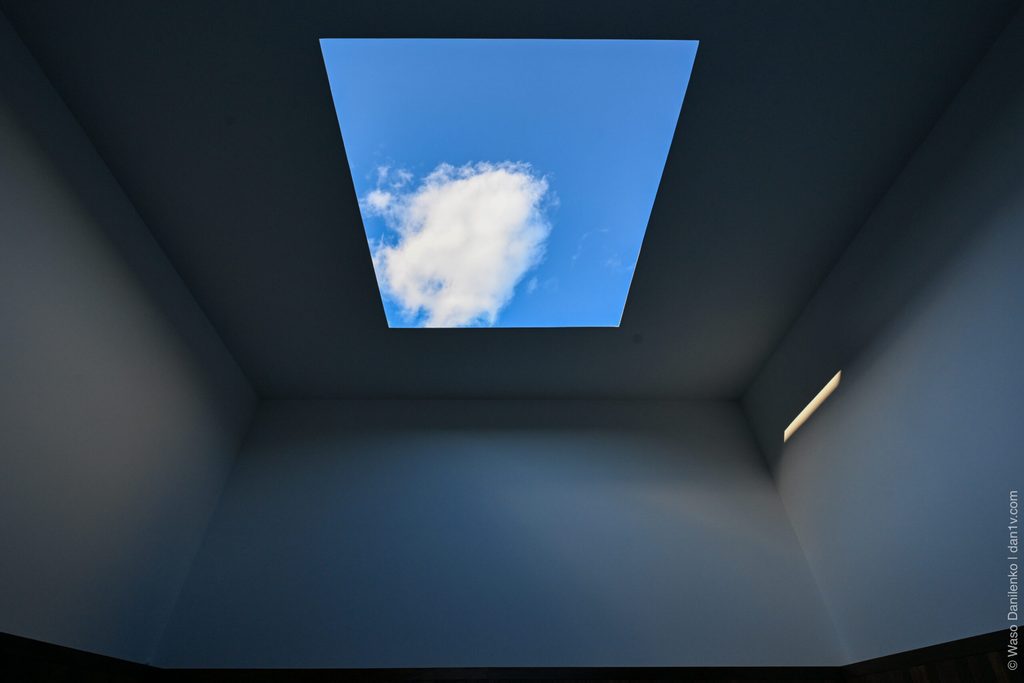
All Skyspace installations are created by American artist James Turrell, who works exclusively with light and space as artistic materials. In 2013, he became the first artist in history to have three major solo retrospectives simultaneously at leading museums: Solomon R. Guggenheim Museum (New York), Los Angeles County Museum of Art (Los Angeles), and Museum of Fine Arts, Houston.
One of the Skyspace installations is publicly accessible and called Meeting. It is located inside MoMA PS1. Notably, it was the second Skyspace in his career, but the first public one and the first in the United States.
Young Architects Program
Launched in 2000, the Young Architects Program (YAP) is an annual competition organized by MoMA and MoMA PS1. It offers emerging architects the chance to build experimental projects for public use. Winning designs become temporary pavilions installed in the PS1 courtyard, often serving as the centerpiece of the Warm Up music series.
Over the years, YAP has become a vital platform for showcasing innovative approaches to architecture and design.