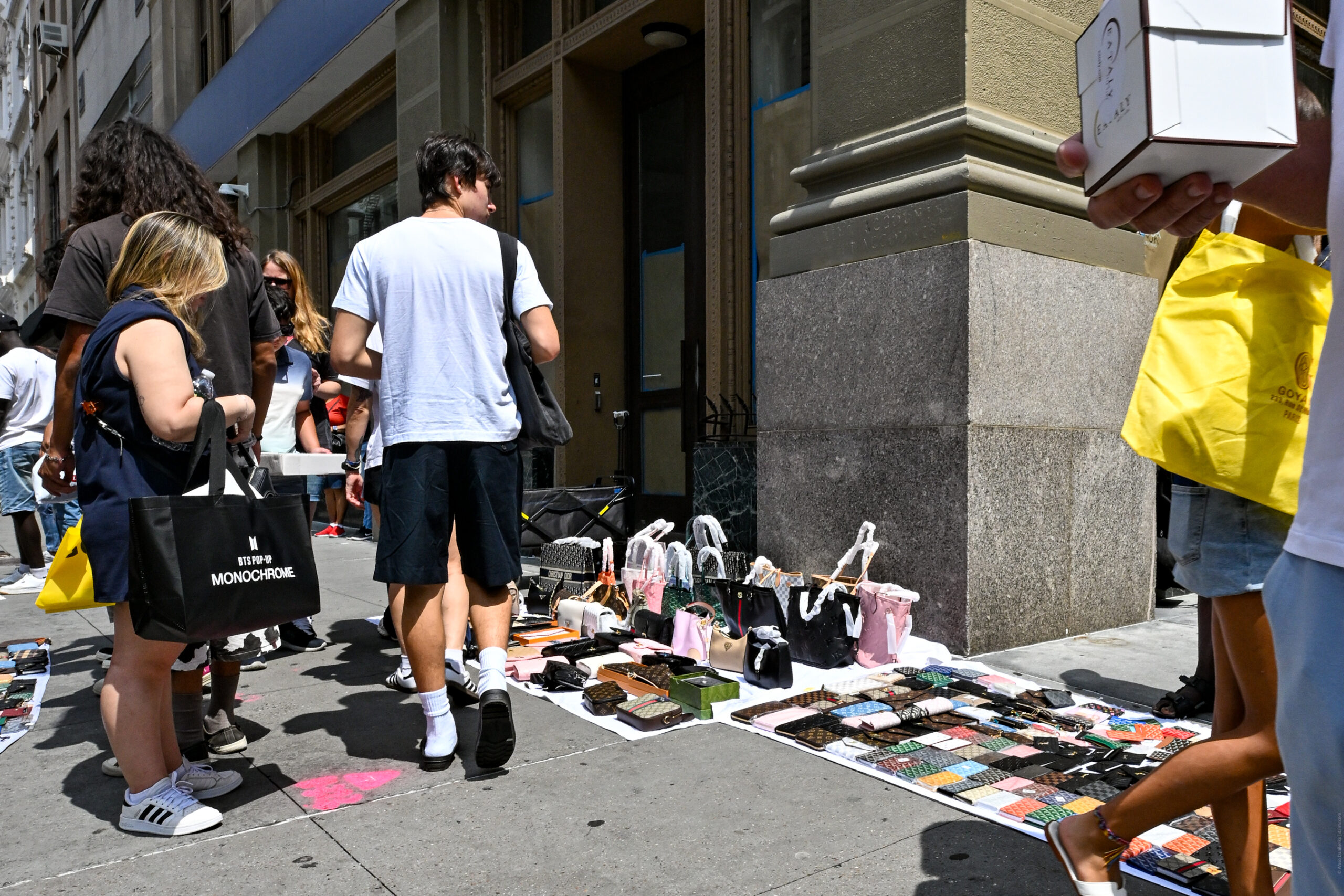
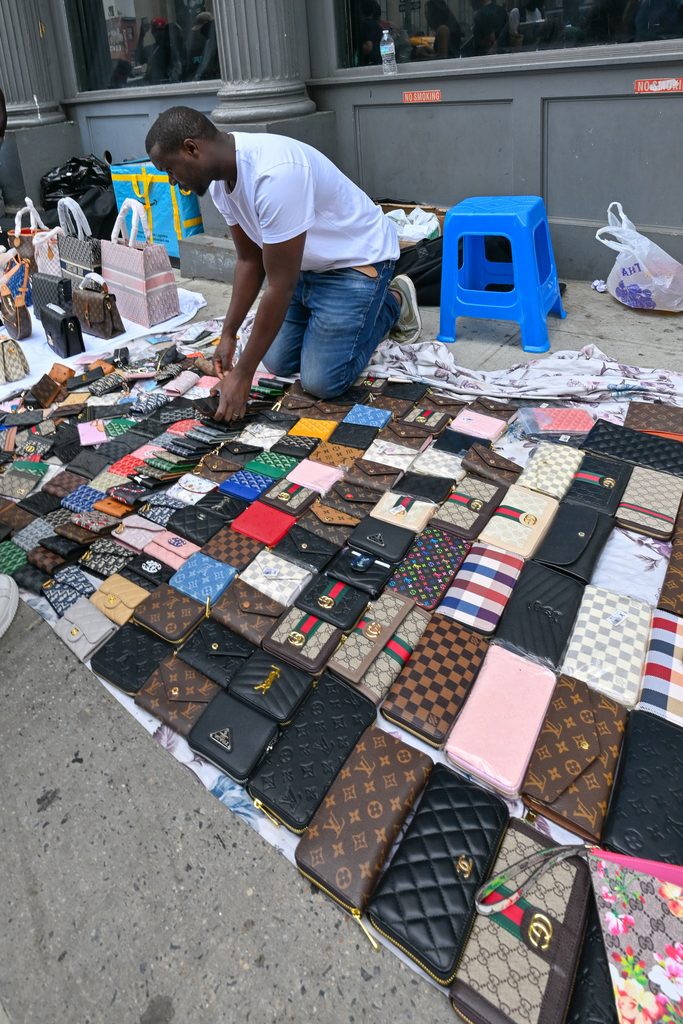
Canal Street is the only street in New York where locals and tourists deliberately go to buy goods that legally should not be sold there.
The Counterfeit Triangle is the name given to the area where blatant knockoffs are sold on a massive scale. But in everyday speech, New Yorkers simply call the area Canal Street, after the street itself and its subway station.
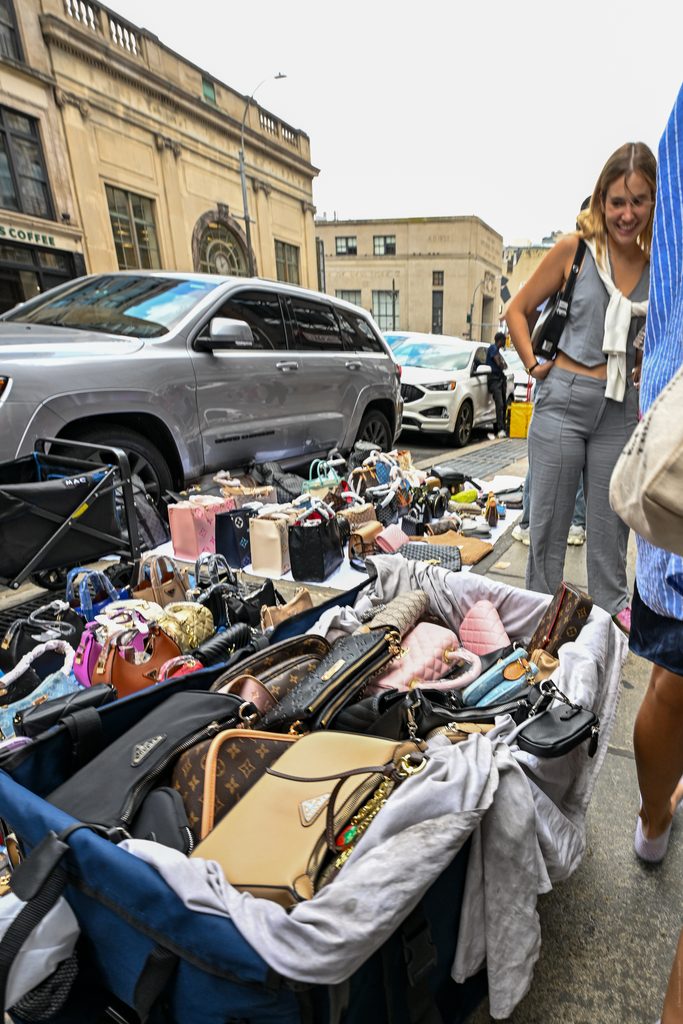
Every few weeks, raids take place here. Police haul away truckloads of Louis Vuitton bags, Rolex watches, and Prada sunglasses, and within a day or two, the trade returns to the same spot.
In fiscal year 2025, U.S. Customs and Border Protection (CBP) seized nearly 79 million counterfeit goods. If they had been genuine, their estimated retail value would have exceeded $7.3 billion.
The largest counterfeit seizure in U.S. history took place in New York: in November 2023, the U.S. Attorney’s Office for the Southern District of New York announced the seizure of 219,000 items from storage units in Manhattan. The estimated retail value of the genuine goods was $1.03 billion.
Authorities have been trying to rid Canal Street of counterfeit goods since at least the time of Mayor Rudy Giuliani. The NYPD, federal agencies, and private investigators hired by fashion brands have all worked on the problem, yet the area remains New York’s main address for buying a “Gucci” bag for $40.
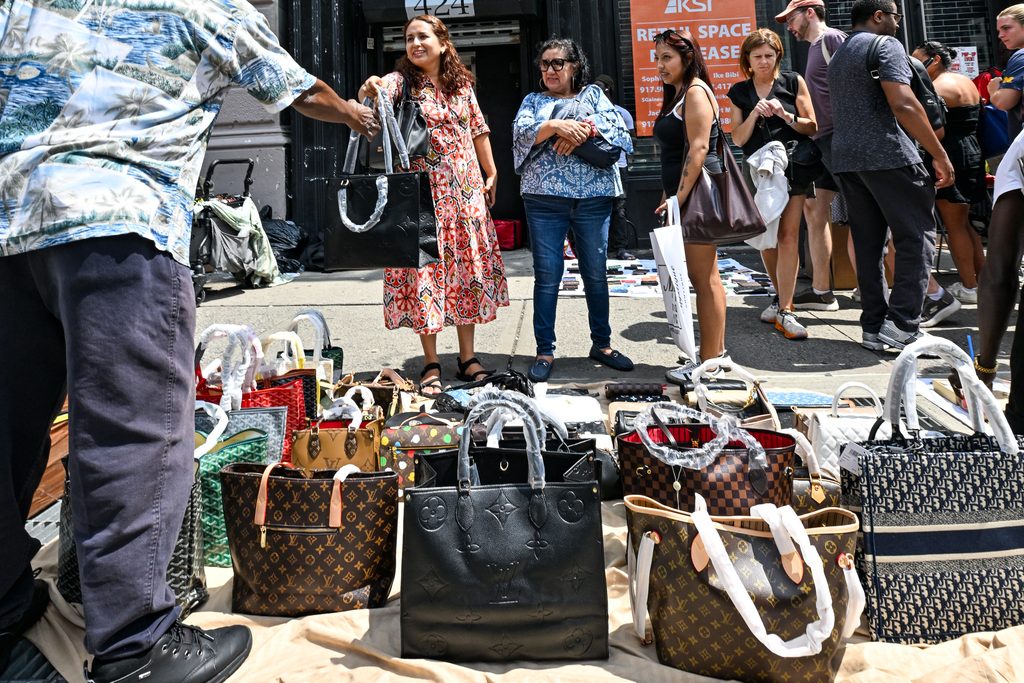
So why can’t the authorities do anything about it? In the past, counterfeit goods arrived in shipping containers through the Port of New York and New Jersey. Today, sellers buy small wholesale quantities on Chinese marketplaces such as DHgate, and packages are delivered directly to their doors. A container can be inspected; a flow of millions of individual packages is practically impossible to control.
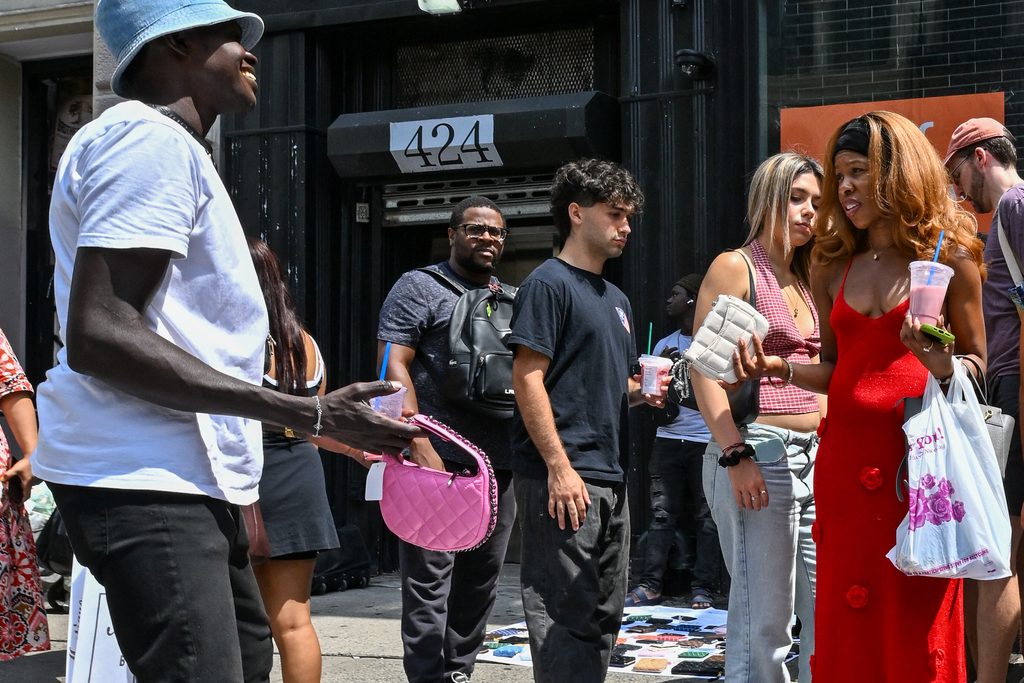
The street operation is also organized as a network with lookouts. People stand on street corners watching for the police, while the merchandise is displayed on sheets that can be bundled up in a matter of seconds.
The legal system works in an interesting way as well. Selling counterfeit goods is considered a nonviolent offense: a seller is arrested, processed, and released the same day to await trial, often without having to post bail at all.
At the same time, every arrest requires a significant amount of time and manpower. A police officer must personally witness the sale, establish that the goods are counterfeit, document everything that was seized, and send it into storage. According to a representative of the NYPD’s 1st Precinct, a single arrest can sometimes require as many as four police officers.
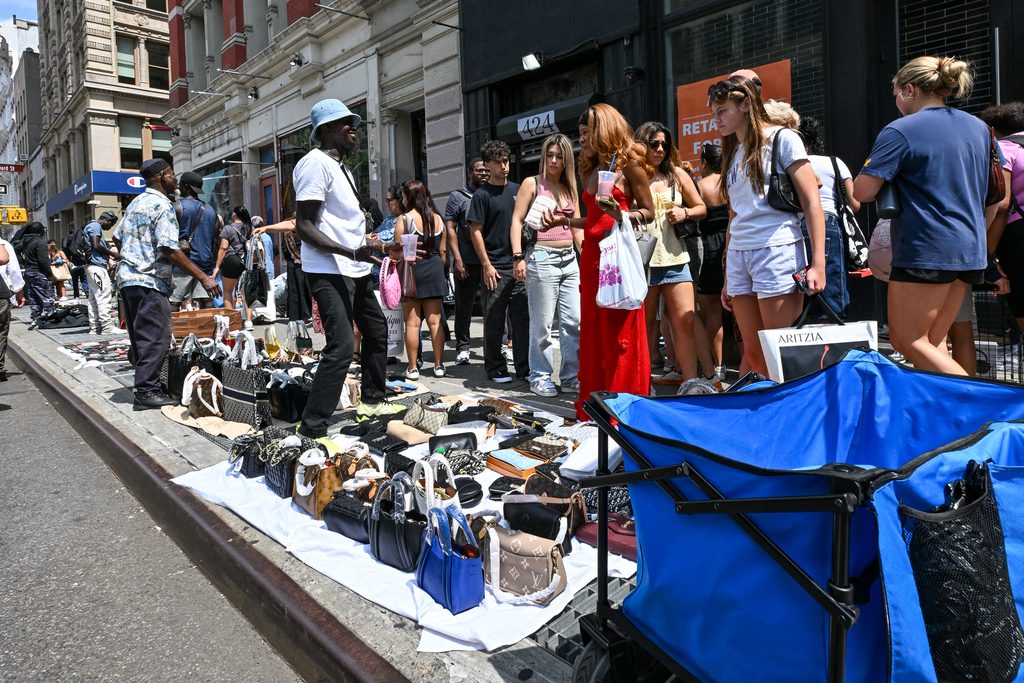
As a result, a large-scale raid involving 50 sellers can occupy a significant part of a precinct for an entire shift. And all this is for cases that often end in a plea agreement with the prosecution: the person pleads guilty to a less serious charge, receives a fine, is credited for time already spent in custody, or has the case dismissed if they stay out of trouble for a certain period of time.
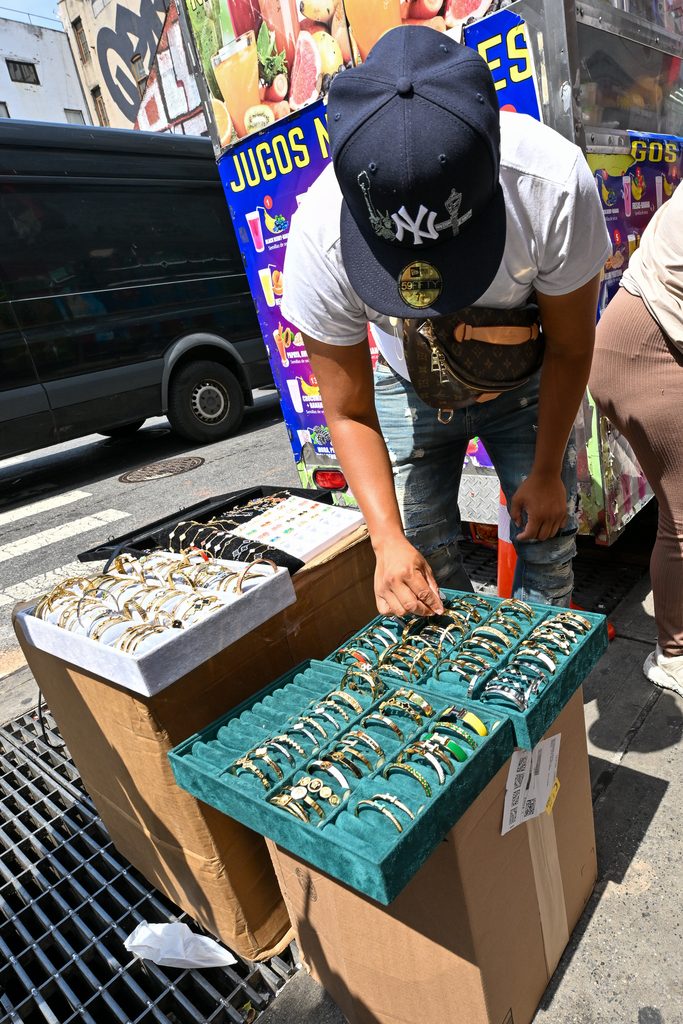
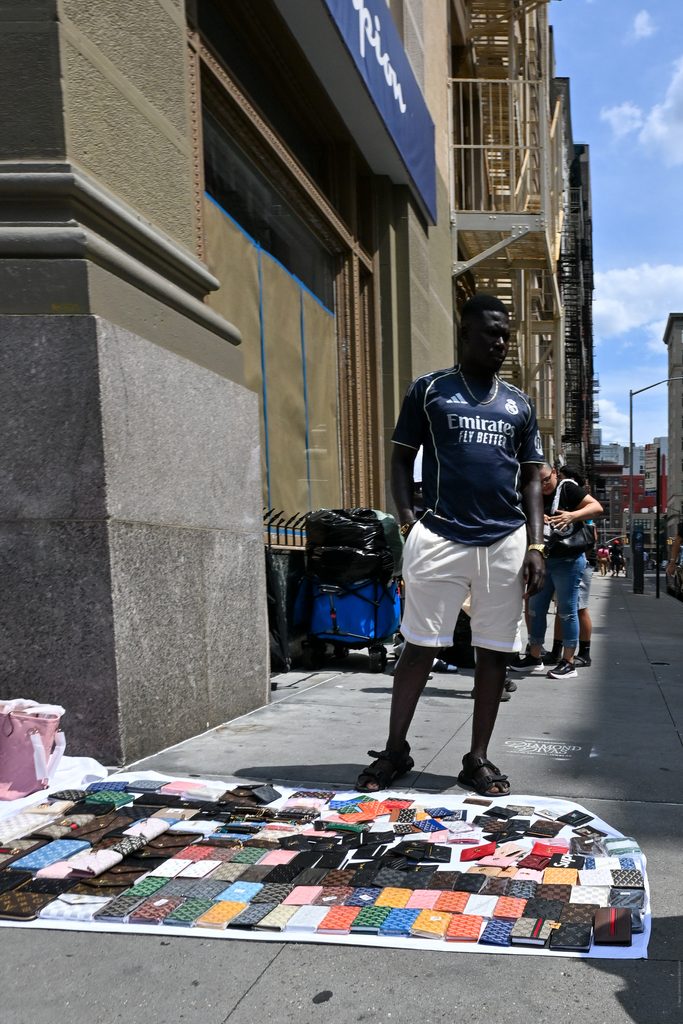
As a result, the police can confiscate the merchandise, but they cannot keep the sellers off the street for long. A week later, the same person may be standing on the same corner again, only this time with a new batch of bags.
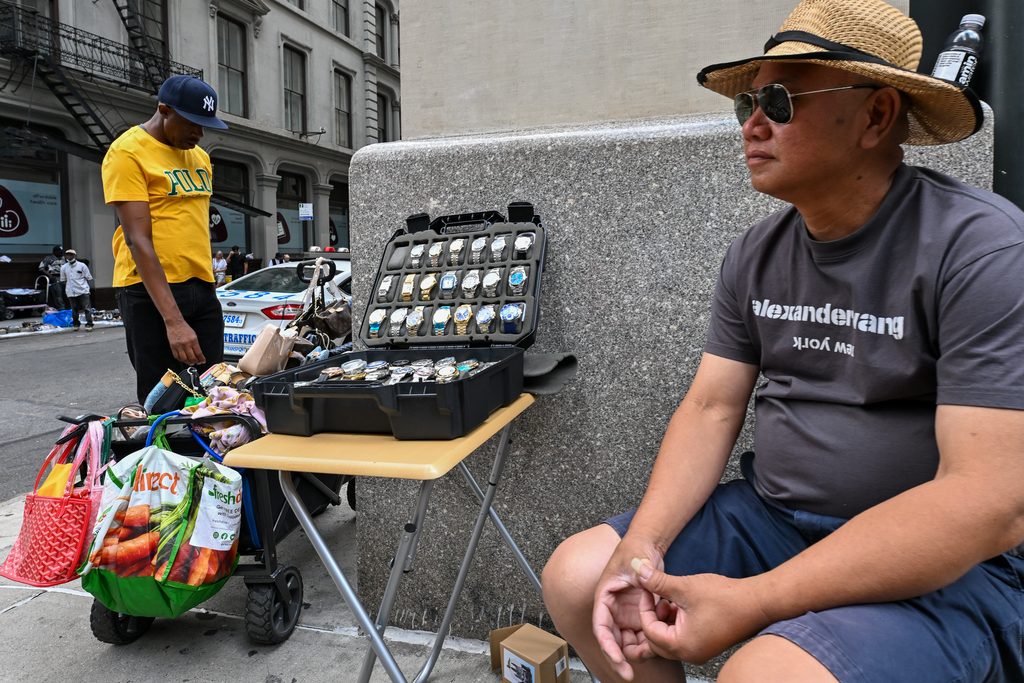
For me, though, the most surprising and depressing part of the whole story is that the demand for blatant knockoffs seems to be even greater than the supply.
Thousands of influencers and people who present themselves as influencers buy fake goods, pass them off as genuine, and display a version of “success” built on the small substitution of a counterfeit for an original.
And as long as there is such enormous demand for this illusion of success, it seems that no amount of police raids will be able to keep the sellers off the streets for long.