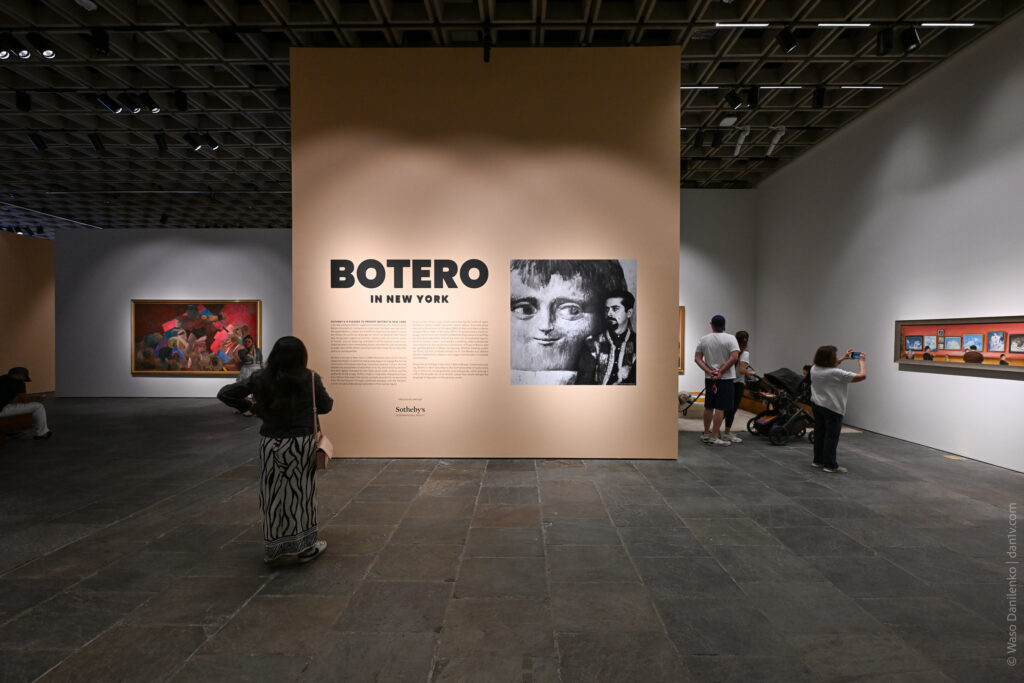
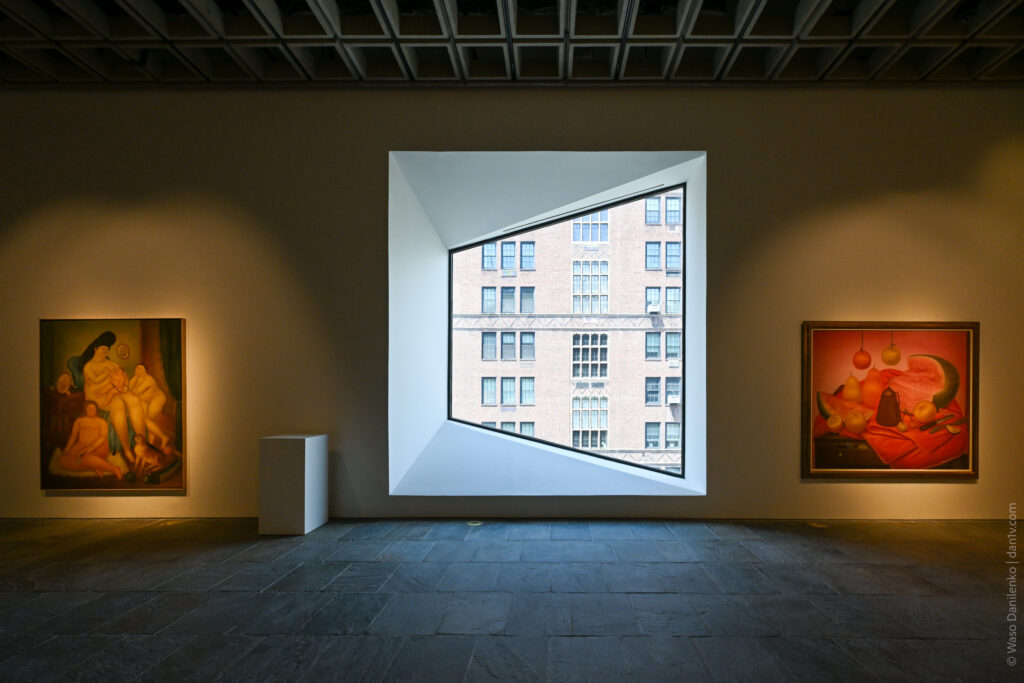
The Botero in New York exhibition is currently on view at Sotheby’s headquarters in New York City. It is dedicated to Fernando Botero, one of the most recognizable and commercially successful Latin American artists of the twentieth century.
The exhibition’s organizer, the auction house Sotheby’s, selected a venue that is not the most obvious choice but is deeply symbolic. The building itself, where the paintings are displayed, is every bit as fascinating as Botero’s work. Before becoming the headquarters of the world’s largest auction house at the end of 2025, it served as the home of three different museums. Admission is free, and the exhibition is an excellent reason to finally step inside if you have never visited before.
Interesting Facts About the Botero in New York Exhibition
- Fernando Botero’s signature style, featuring oversized, inflated figures of people, animals, and everyday objects, has its own name: Boterism.
- In 2024, sales of Botero’s works at auction reached an all-time high of 53.8 million dollars. His personal auction record is 5.1 million dollars for The Musicians (1979).
- Sotheby’s is the largest auction house in the world, with annual sales of approximately 7 billion dollars. Its longtime rival, Christie’s, which I have written about before, ranks second, with sales of about 6.2 billion dollars in 2025.
- In 1993, fourteen monumental Botero sculptures lined Park Avenue, and his Adam and Eve sculptures still welcome visitors at the entrance to Time Warner Center.
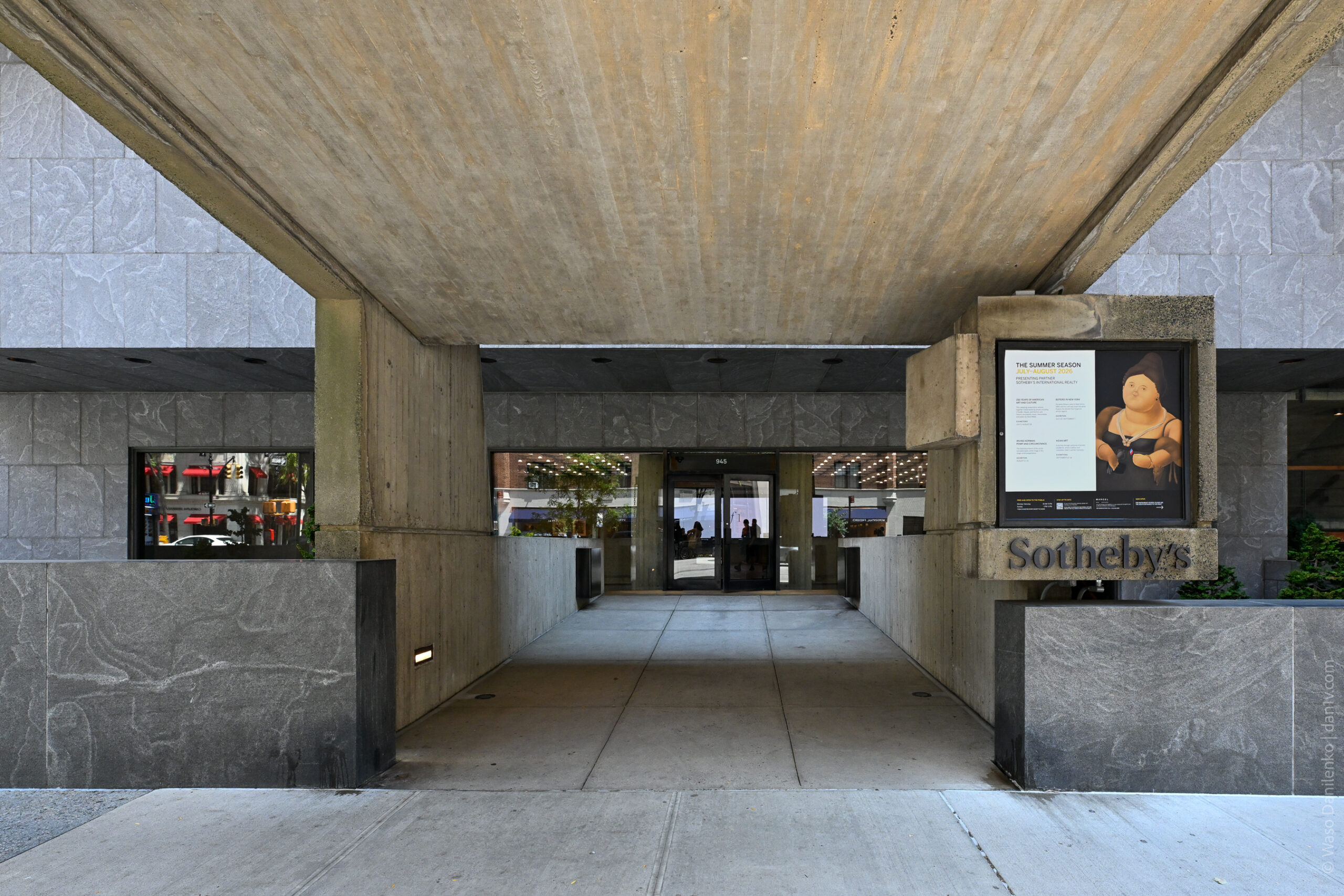
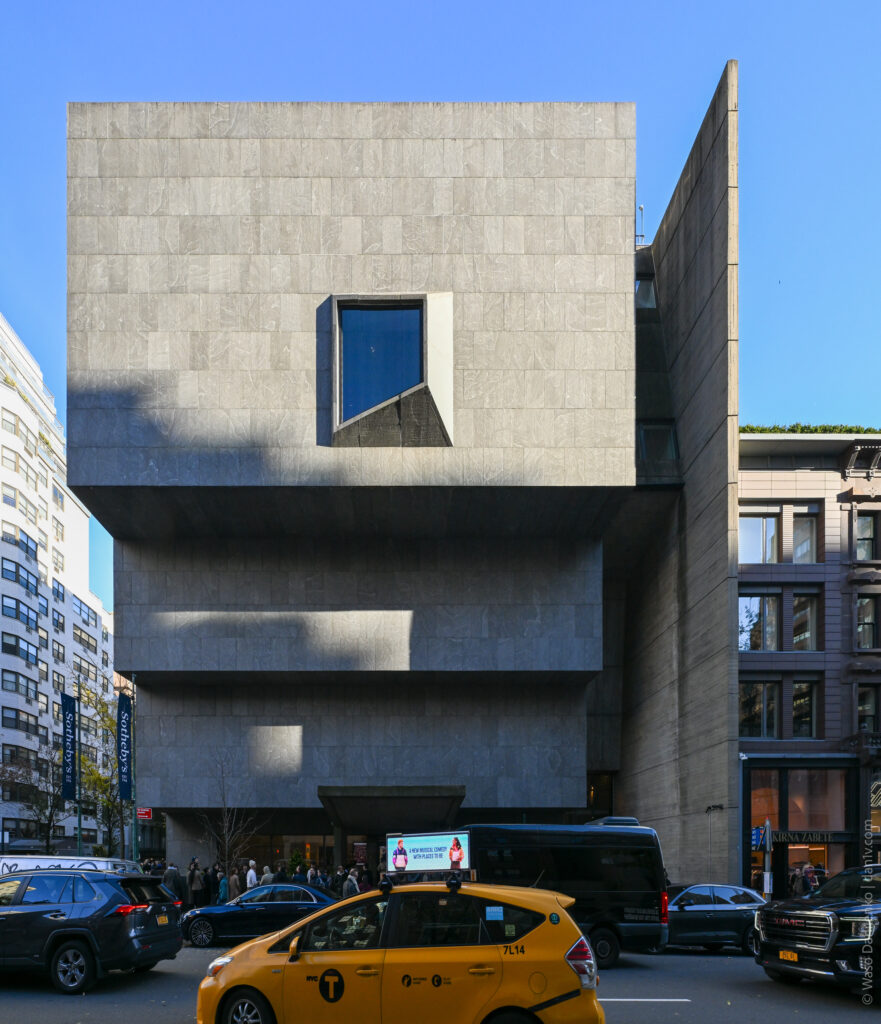
- When the building that now hosts the exhibition opened in 1966, one architecture critic described it as an “upside-down Babylonian ziggurat.” Today, it is recognized as a protected architectural landmark.
- The building’s architect, Marcel Breuer, was one of the leading figures who brought Bauhaus ideas to the United States and was also the designer of the legendary Wassily Chair.
- Sotheby’s purchased the building in 2023 for 100 million dollars and commissioned the Swiss architectural firm Herzog & de Meuron to restore it. This is the same firm that transformed London’s former power station into Tate Modern.
- Over nearly sixty years, the building has had four institutional owners: the Whitney Museum, the Metropolitan Museum of Art, The Frick Collection, and now Sotheby’s. Remarkably, it has never remained vacant for long.
- Unlike the previous tenant, Frick Madison, Sotheby’s now allows visitors to take photographs inside the galleries.
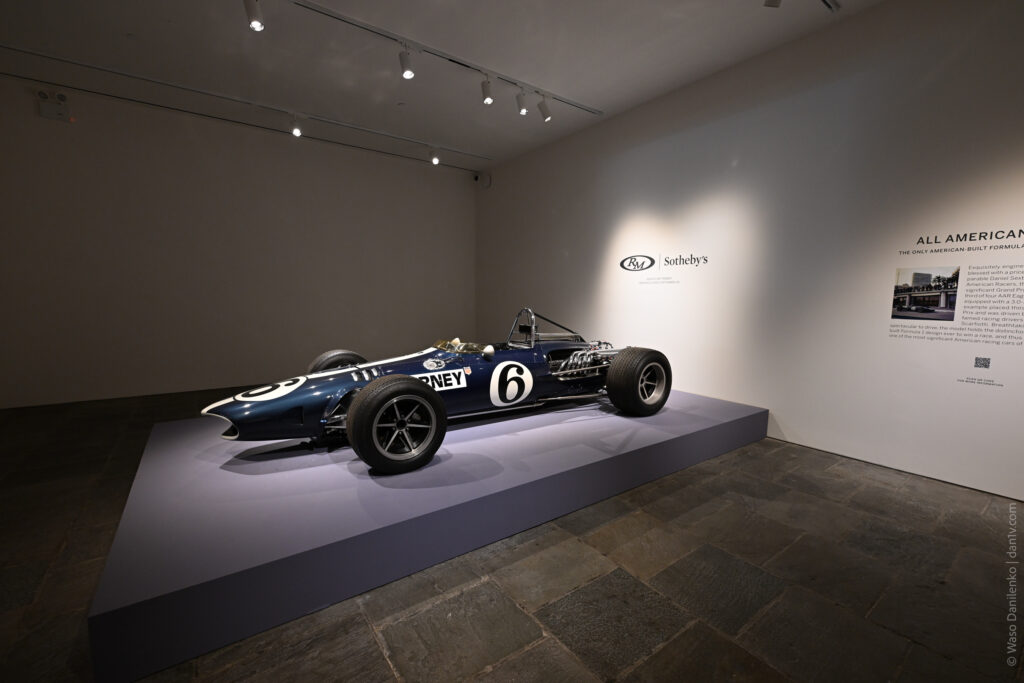
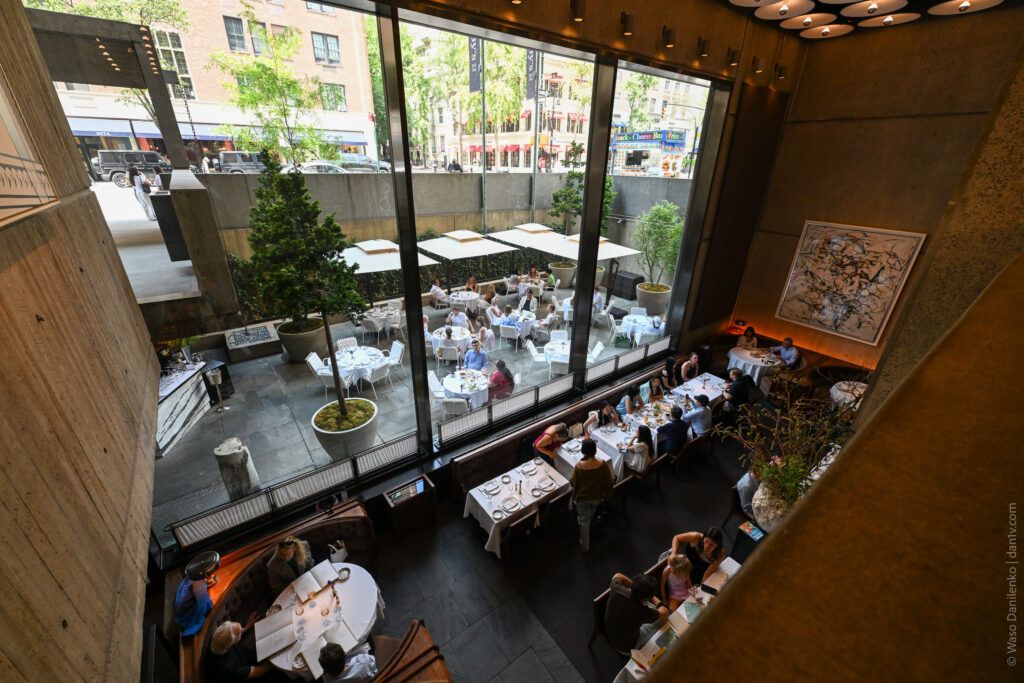
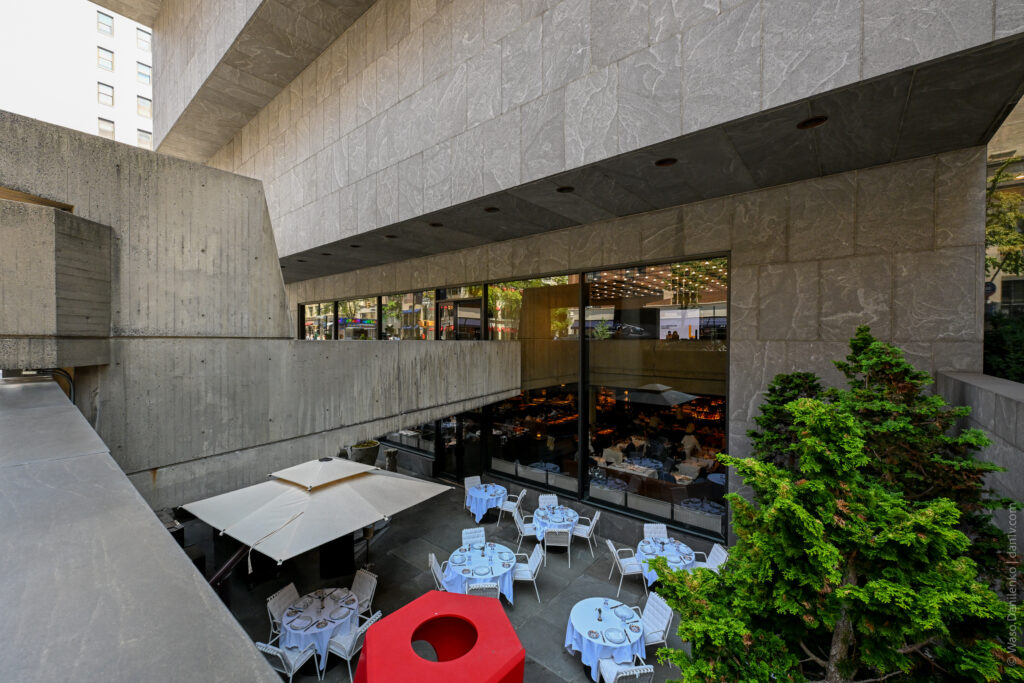
Botero in New York Exhibition
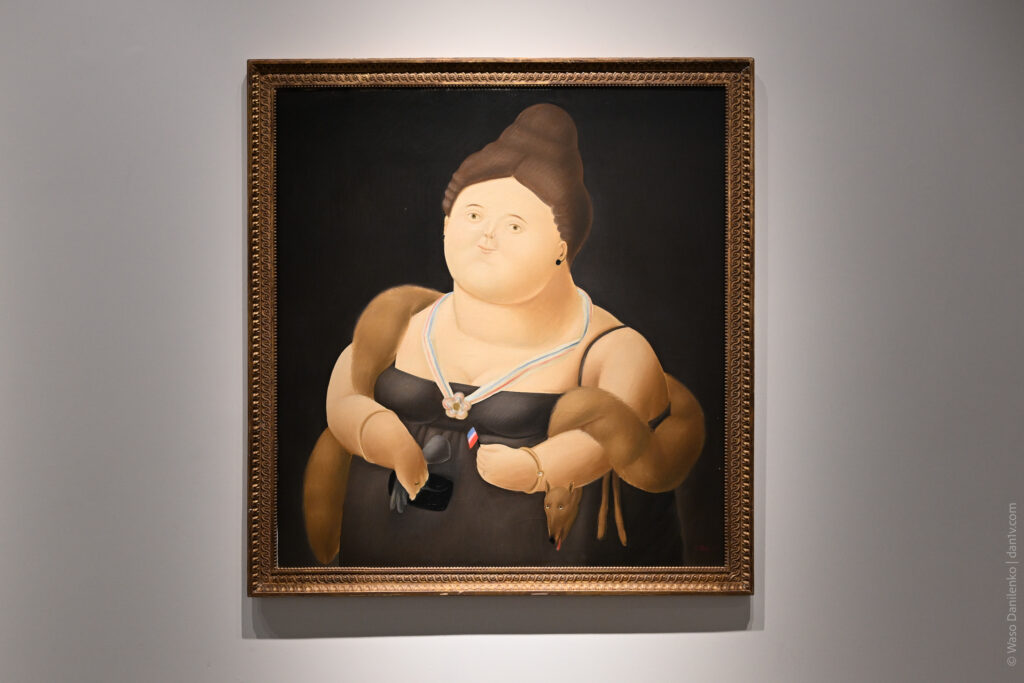
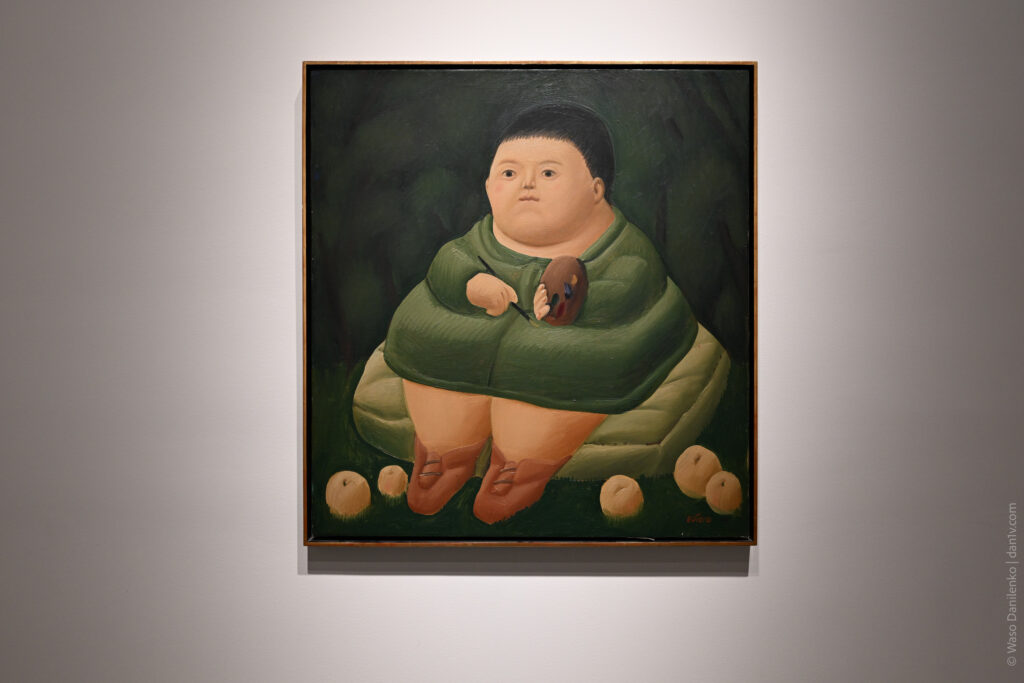
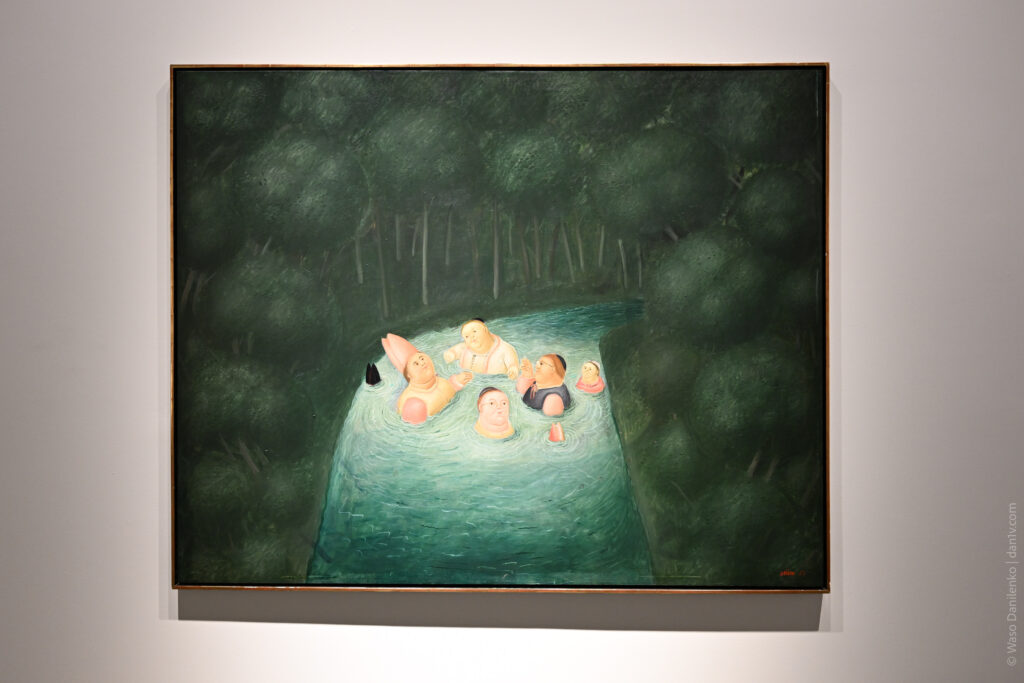
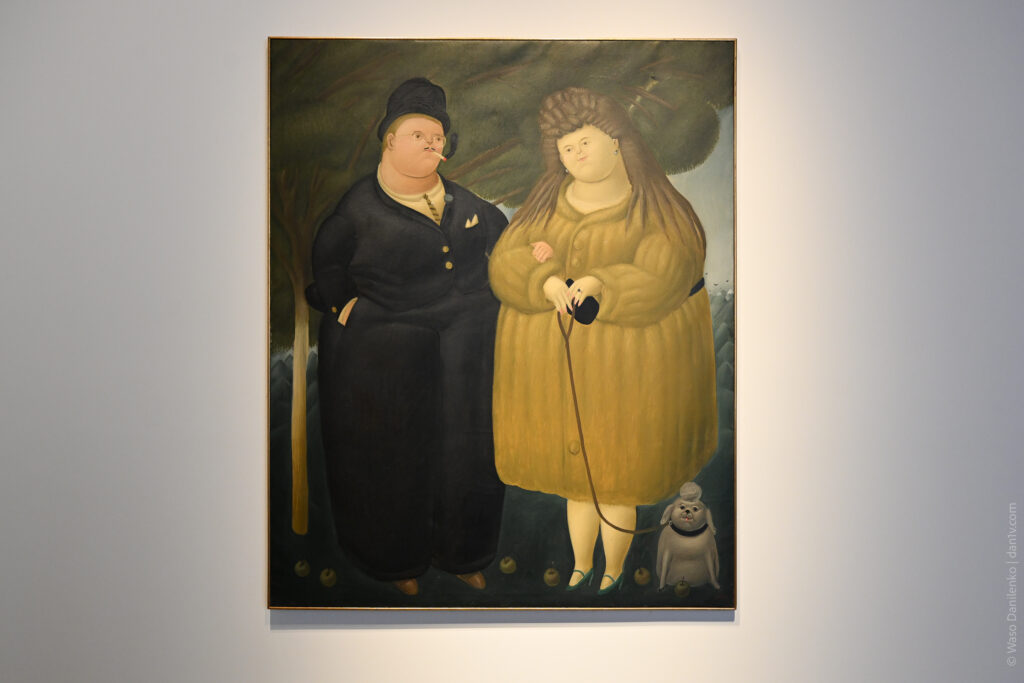
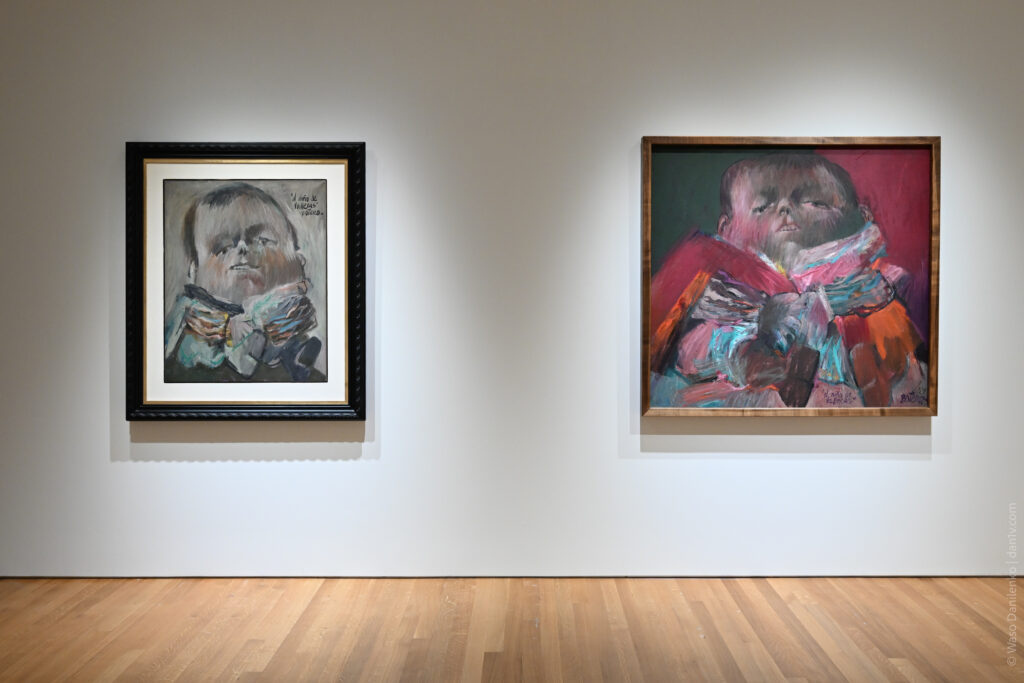
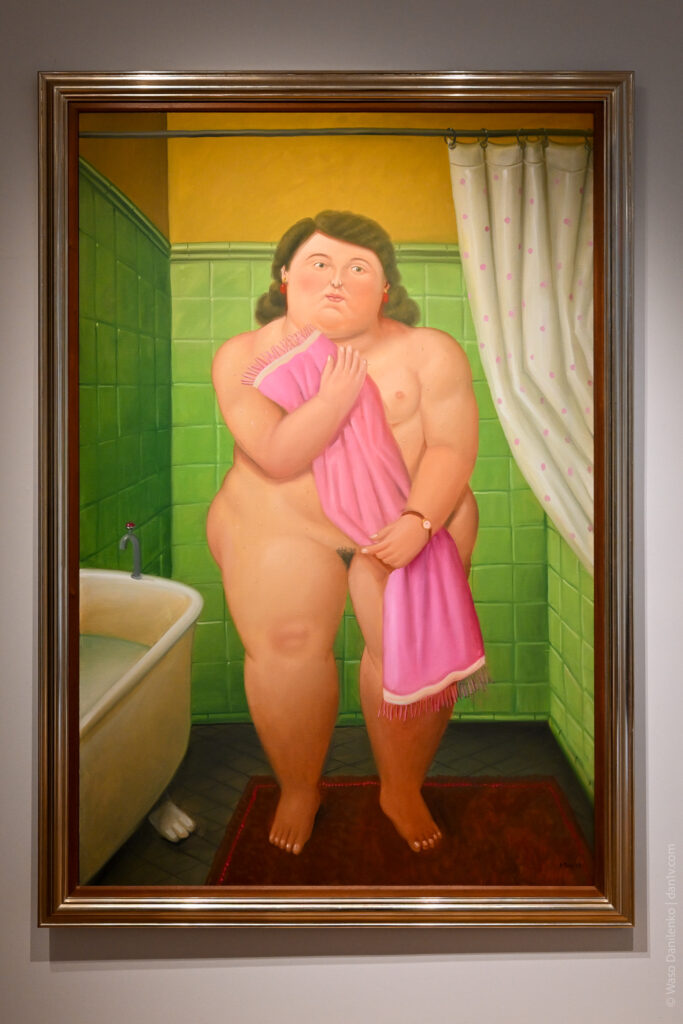
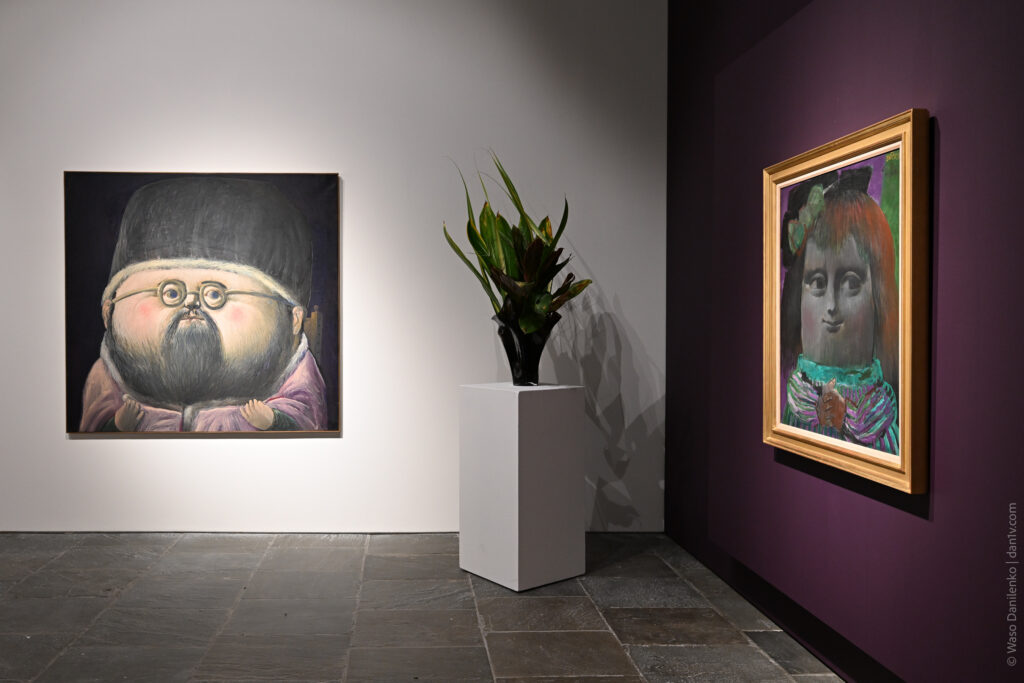
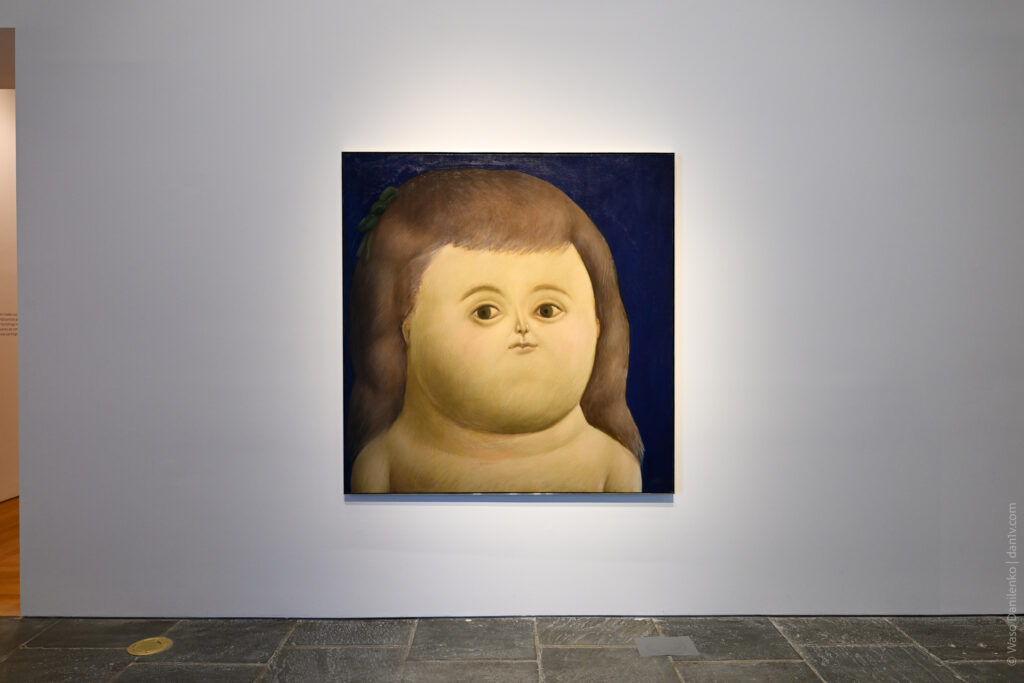
Sotheby’s is presenting more than twenty paintings and sculptures from the artist’s family archive and private collections, many of which have never been displayed publicly before. The exhibition is organized in collaboration with the Fernando Botero Foundation and focuses on the defining period of the artist’s career from 1960 to 1973, when he lived in New York City and fully developed his signature volumetric, almost sculptural visual language.
During these years, Botero deliberately worked in contrast to the dominant Abstract Expressionist movement, remaining committed to figurative painting. At the same time, he closely observed the New York School and the emergence of early Pop Art, adopting some of their ideas while maintaining his own unmistakable style.
Among the exhibition’s highlights are Monalisa a los Trece Años (Mona Lisa, Age Thirteen) from 1959, a closely related version of the painting that the Museum of Modern Art acquired in 1961, and Apotheosis of Ramón Hoyos, dedicated to the Colombian cyclist and notable as one of Botero’s very few works that engages with abstraction.
For Sotheby’s, this is the first solo exhibition devoted to a single artist since moving into the Breuer Building. The choice of Botero is no coincidence, as few artists are so closely associated with both New York City and an international audience at the same time.
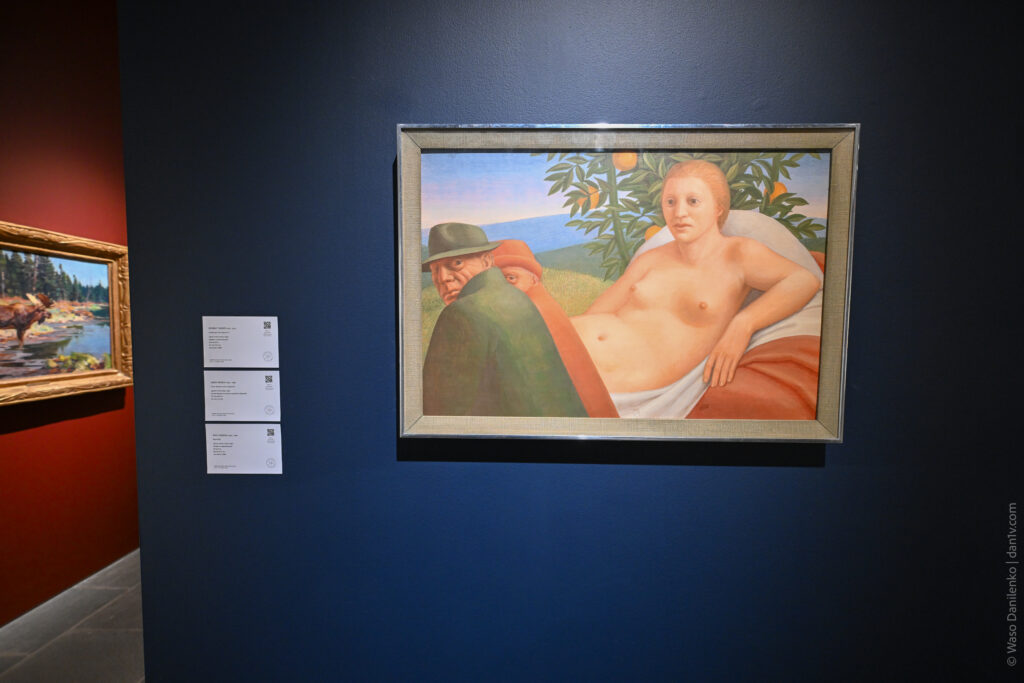
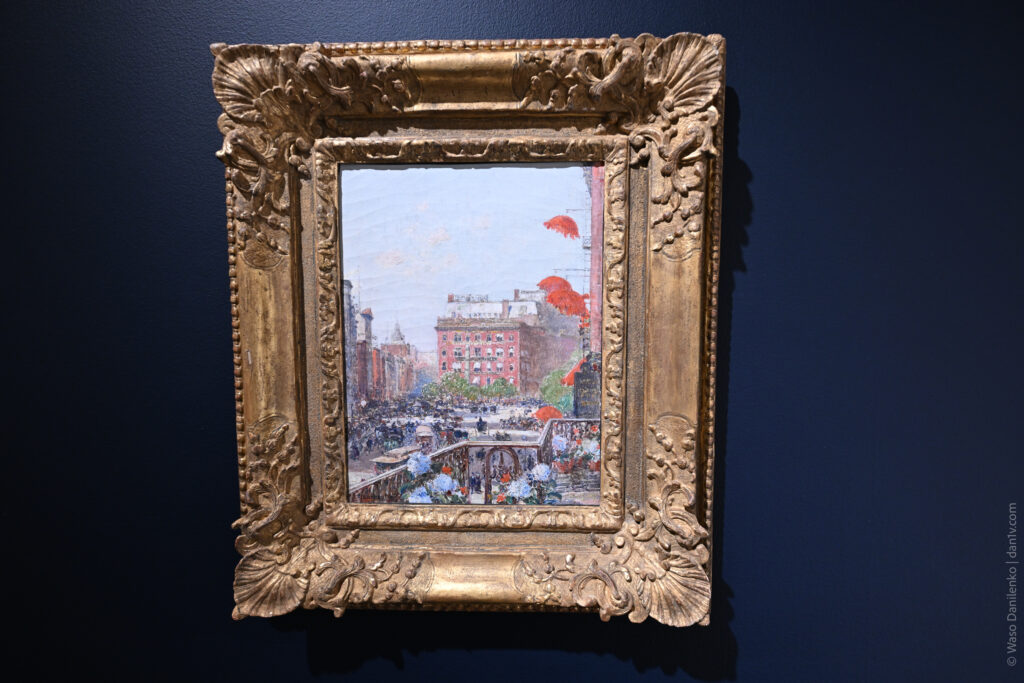
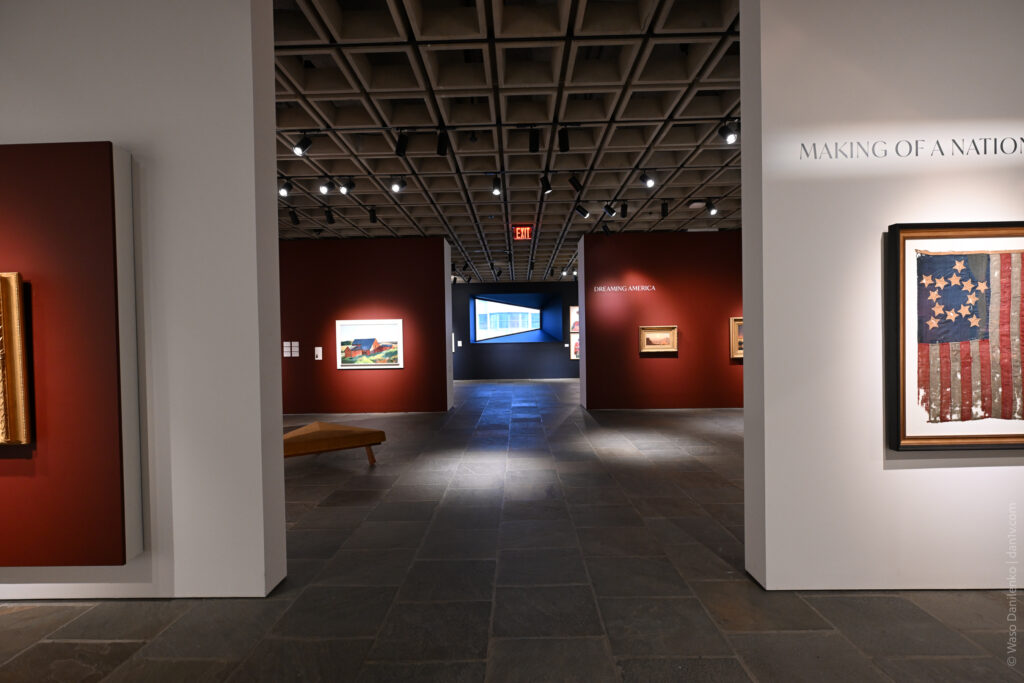
History of the Breuer Building, Home of the Botero in New York Exhibition
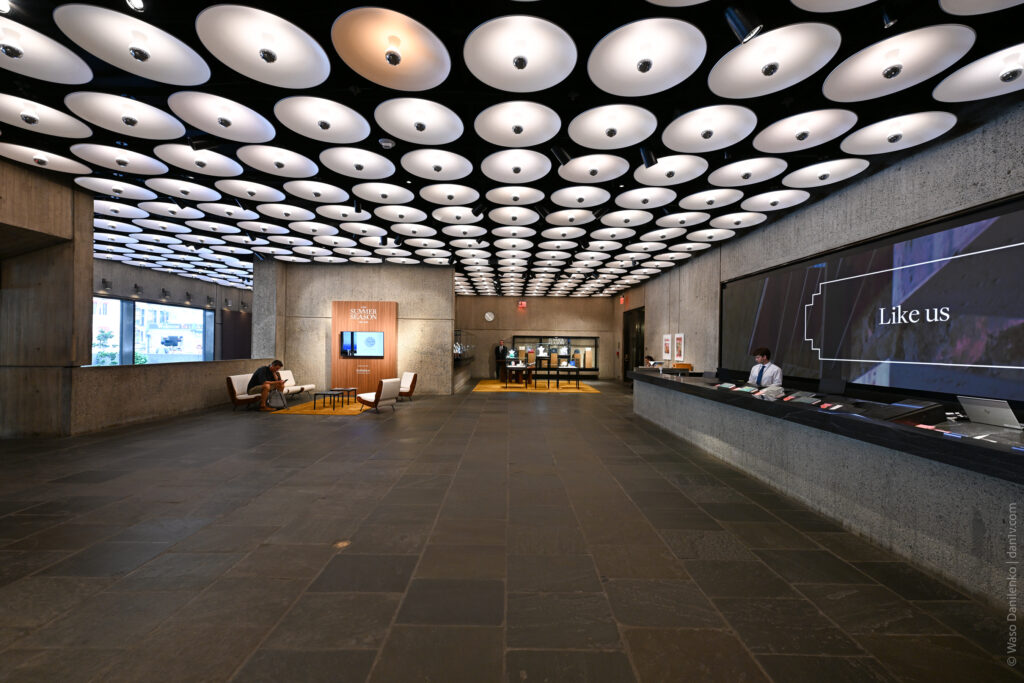
The building at 945 Madison Avenue was constructed between 1964 and 1966 and designed by Marcel Breuer and Hamilton Smith as the third home of the Whitney Museum of American Art. Its low granite exterior, asymmetrical sloping windows, and massive cantilevered form projecting over the street stood in sharp contrast to the surrounding Upper East Side mansions. At first, it shocked both critics and neighbors.
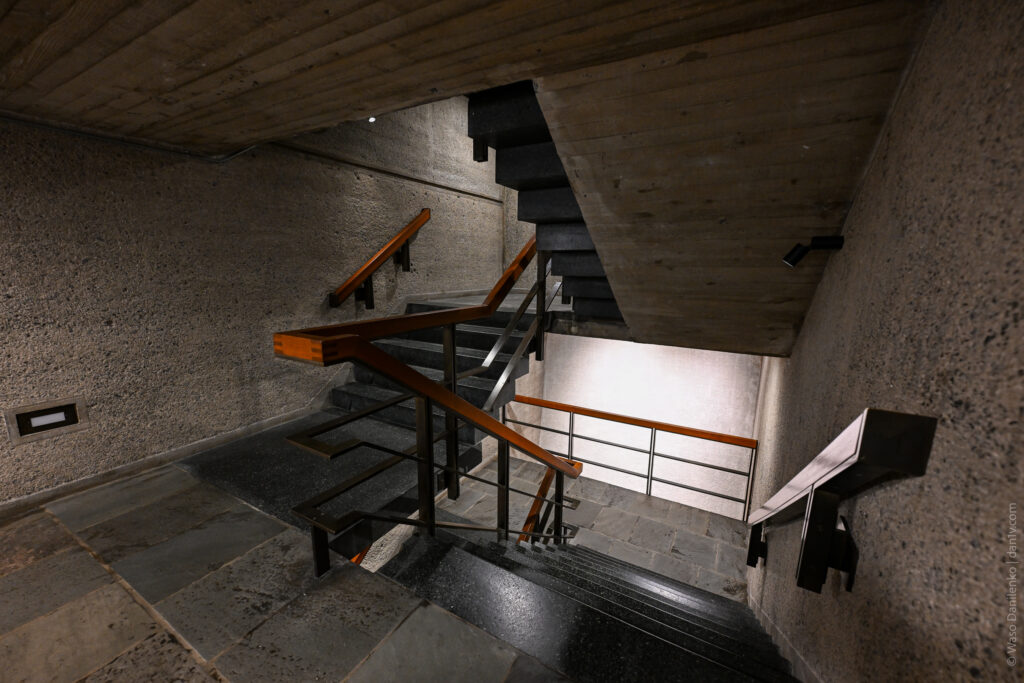
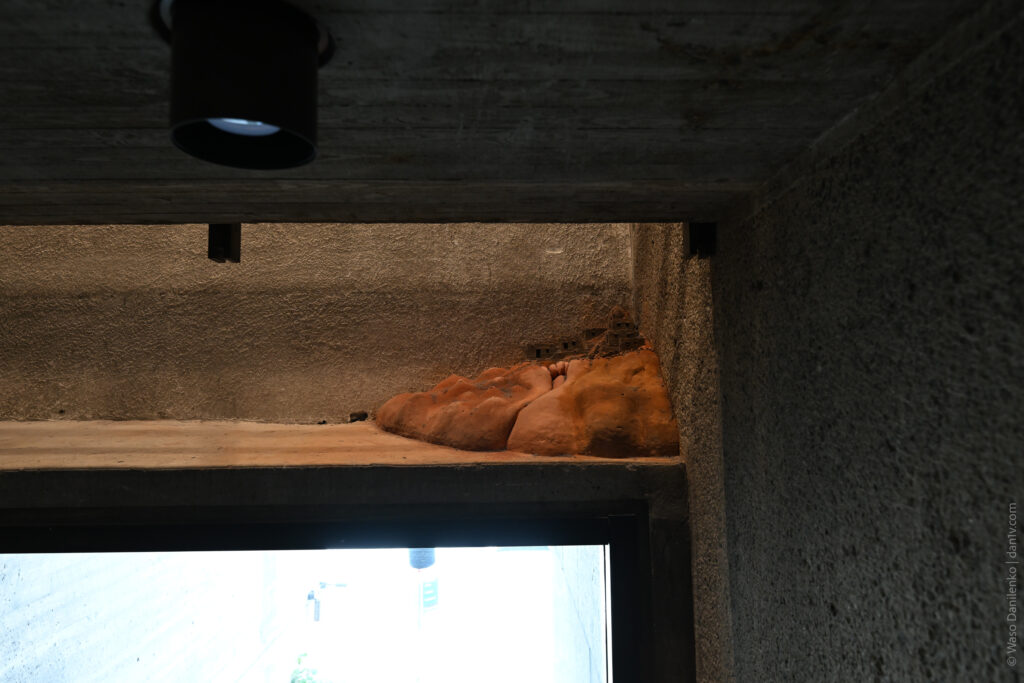
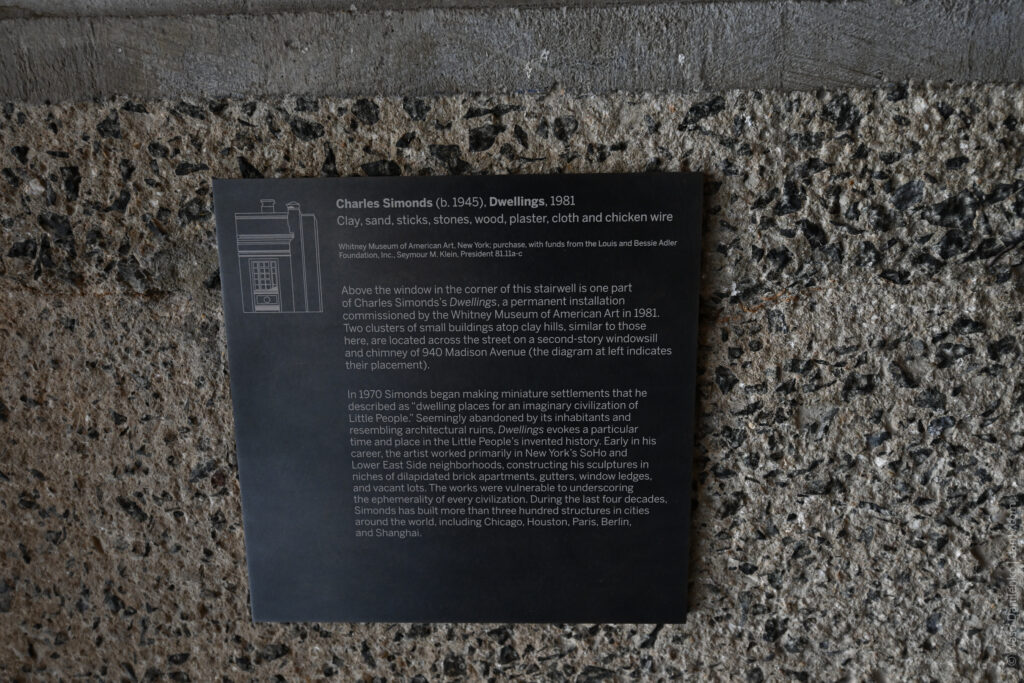
Over the decades, public opinion about Brutalist architecture changed dramatically. Today, the building is recognized as one of New York City’s most important Brutalist landmarks. In May 2025, its exterior and parts of its interior, including the dramatic double-height lobby, officially received New York City landmark designation.
Marcel Breuer arrived in the United States from Hungary through the Bauhaus, where he both studied and taught under Walter Gropius. He became one of the leading figures responsible for bringing Bauhaus ideas into American architecture and design. Many people know him less as an architect than as the creator of the iconic Wassily Chair, whose bent steel tubing and leather construction became one of the defining symbols of twentieth-century modernist furniture.
The Madison Avenue building proved enormously influential. Its distinctive arrangement of stacked projecting floors and oversized elevators later inspired elements of Renzo Piano’s new Whitney Museum building, as well as projects such as the north wing of the Cleveland Museum of Art.
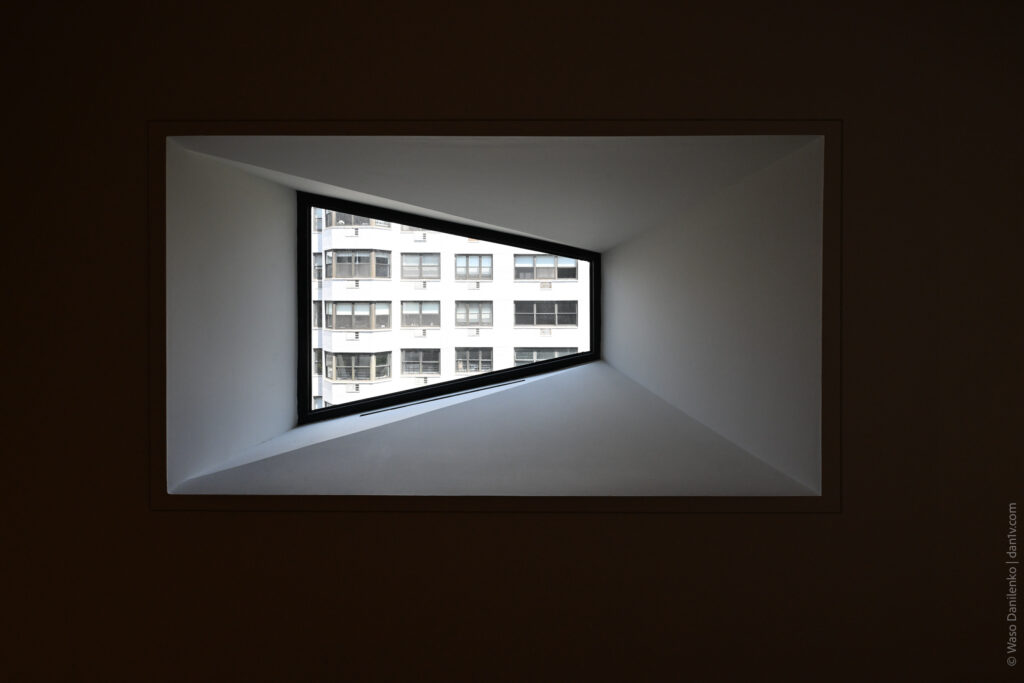
After the Whitney Museum relocated to Renzo Piano’s new building in the Meatpacking District in 2015, the Breuer Building did not remain empty for a single season. From 2016 to 2020, it housed The Met Breuer, the Metropolitan Museum of Art’s contemporary art outpost. Then, from March 2021 through March 2024, while the Frick mansion on Fifth Avenue was undergoing restoration, it became home to Frick Madison. Each institution added another chapter to the building’s cultural legacy, so by the time Sotheby’s acquired it, the building had already earned a reputation that was almost museum-like in its own right.
Sotheby’s purchased the property from the Whitney Museum in 2023 for approximately 100 million dollars, with the transaction officially completed in November 2024. The restoration was carried out by the Swiss architectural firm Herzog & de Meuron together with PBDW Architects of New York City. Their work carefully modernized the building’s infrastructure and accessibility while preserving the original Brutalist concrete and granite surfaces.
The new headquarters opened to the public on November 8, 2025, replacing Sotheby’s previous home at 1334 York Avenue, a former Kodak warehouse and cigar factory where the auction house had operated for more than three decades. In a fitting coincidence, the new headquarters stands less than two blocks from Sotheby’s first American office at 980 Madison Avenue, which the company acquired in 1964 as part of its purchase of the auction house Parke-Bernet.
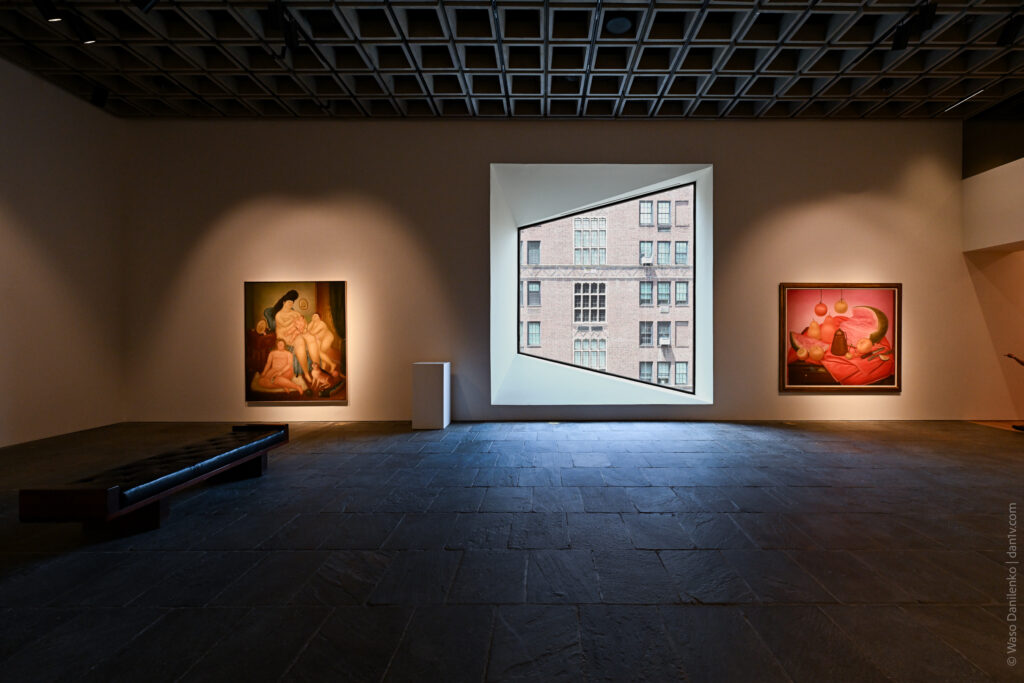
Botero in New York: Who Was Fernando Botero?
Fernando Botero was born in Medellín, Colombia, into the family of a traveling salesman. He began drawing at an early age and, while still a teenager, worked as a stage designer. In the early 1950s, he moved to Bogotá, then to Barcelona, and later to Madrid, where he studied at the Real Academia de Bellas Artes de San Fernando while earning money by copying paintings from the Prado Museum for tourists.
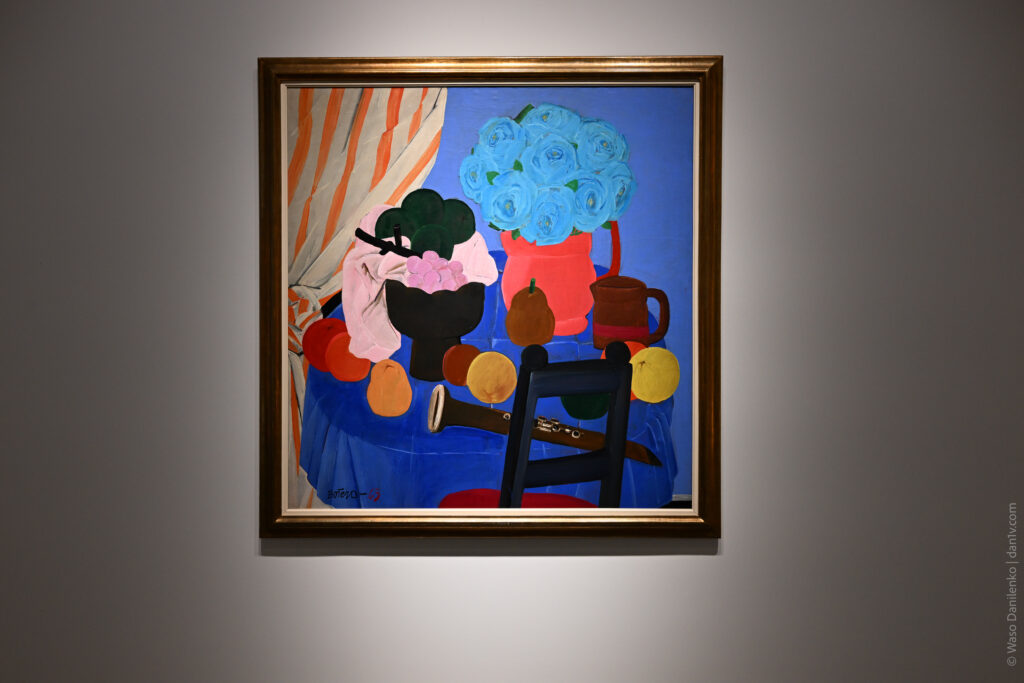
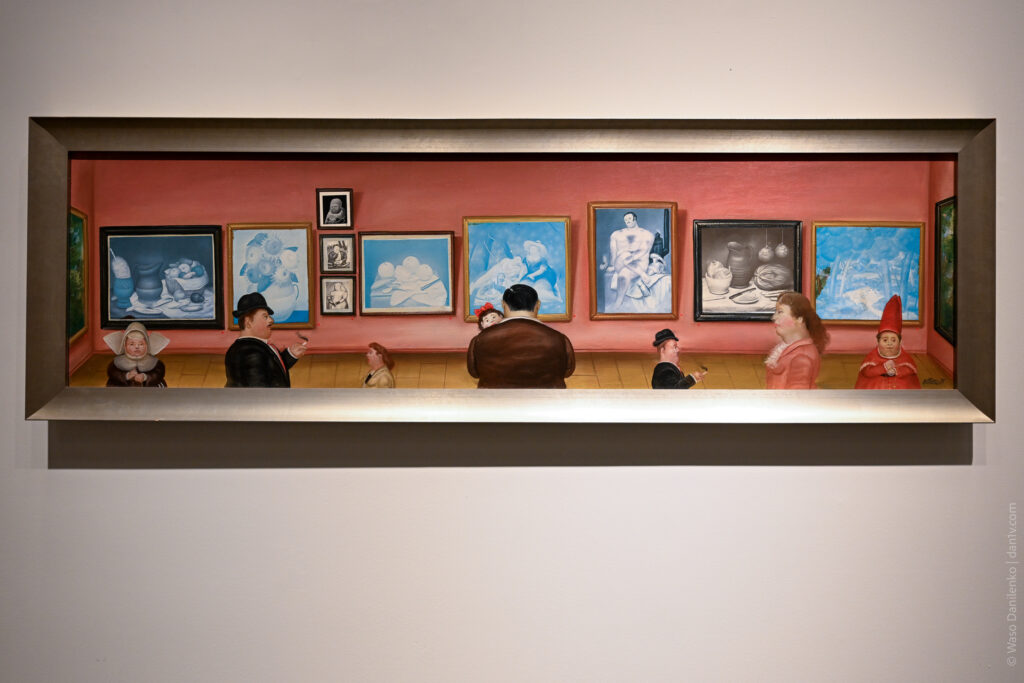
Botero developed his signature volumetric style gradually throughout the 1950s. By the time he moved to New York City in 1960, his artistic voice was already clearly recognizable. After his New York years, he relocated to Paris in 1973 and became increasingly interested in bronze sculpture. It was during this period that his famous oversized figures began appearing in public squares and along major boulevards around the world, from the Champs-Élysées in Paris to Park Avenue in New York City.
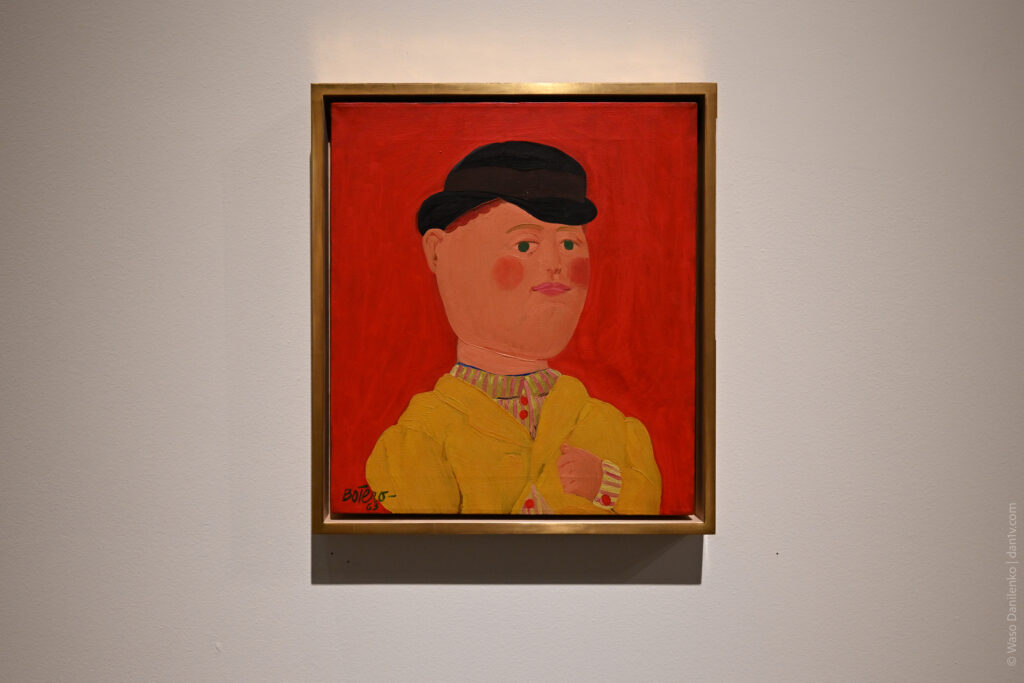
Botero passed away in September 2023, remaining until the end of his life one of the most widely published and internationally recognized artists from Latin America. During his lifetime, he donated twenty-three sculptures to Colombia and presented the country’s Central Bank with 180 paintings, which became the foundation of the Botero Museum in Bogotá.
The Breuer Building itself has accumulated a few remarkable coincidences over the years. Sotheby’s chose to inaugurate its first solo exhibition in the building with the work of an artist whose career, much like the history of the building itself, spanned several completely different eras and cultural contexts.
The building’s first full week of auctions in its new role, in November 2025, also proved to be historic. Gustav Klimt’s Bildnis Elisabeth Lederer sold for 236.4 million dollars, becoming the second most expensive work of art ever sold at auction. Across six evening sales that week, Sotheby’s generated 1.17 billion dollars in total. The autumn exhibition previews attracted 25,000 visitors, and the momentum from that successful opening helped Sotheby’s finish 2025 with 7.1 billion dollars in annual sales, surpassing its main competitor, Christie’s, whose sales for the same year totaled approximately 6.2 billion dollars.

Practical Information
📍 Sotheby’s Headquarters / 945 Madison Ave, New York, NY 10021
Admission: Free
Opening Hours:
- Monday through Saturday: 10:00 AM – 5:00 PM
- Sunday: 1:00 PM – 5:00 PM
The Botero in New York exhibition runs through September 7, 2026.
Website: sothebys.com
Directly across the street, you will also find one of the most interesting Apple Stores in New York City with a historic bank vault inside: