David Zwirner is one of the four leading mega-galleries of contemporary art in the world, alongside Gagosian, Hauser & Wirth, and Pace. In Chelsea, David Zwirner occupies several buildings. Three of them stand next to each other on West 19th Street: 519, 525, and 533, while another is located one block away, on West 20th Street.
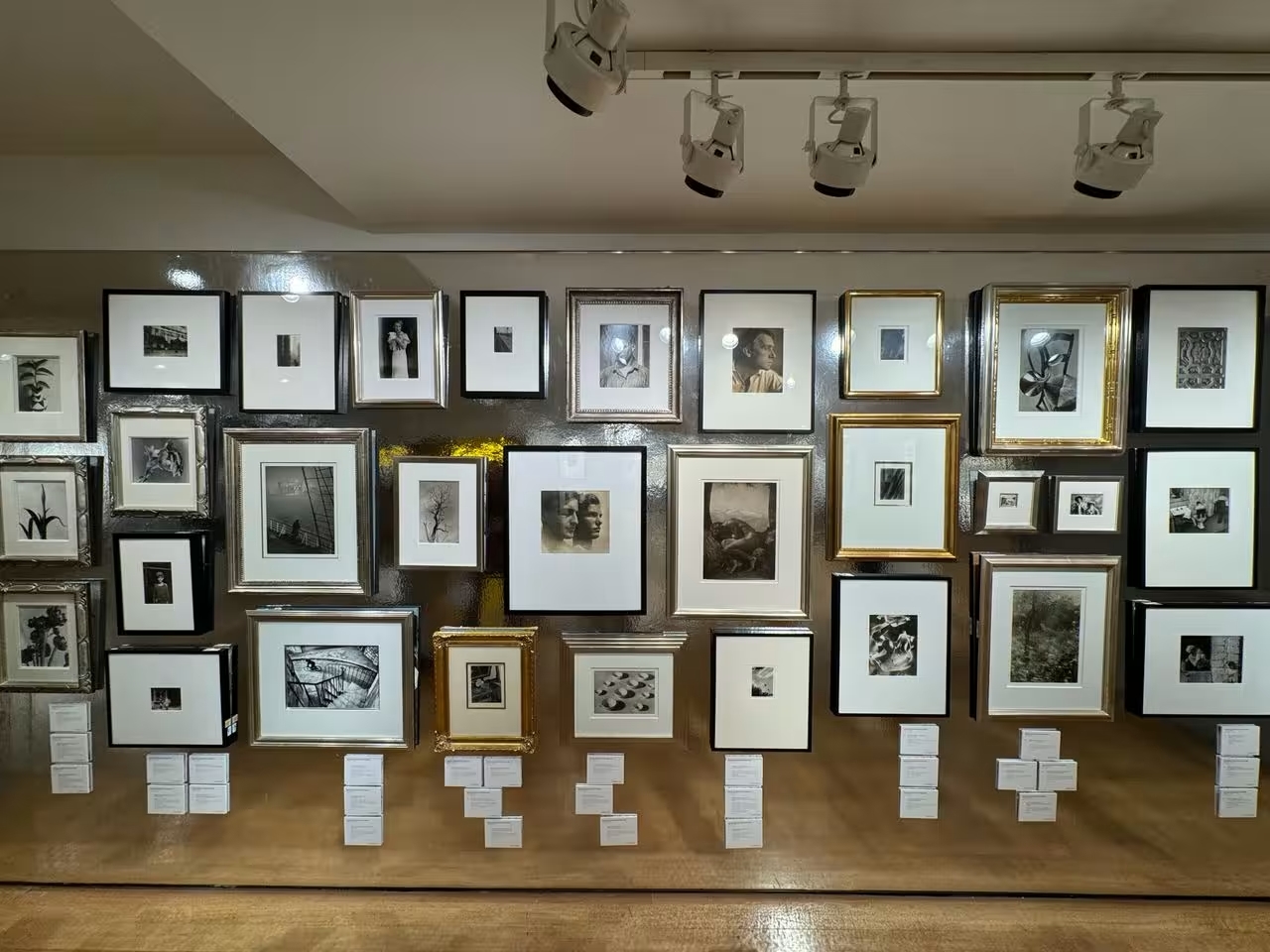
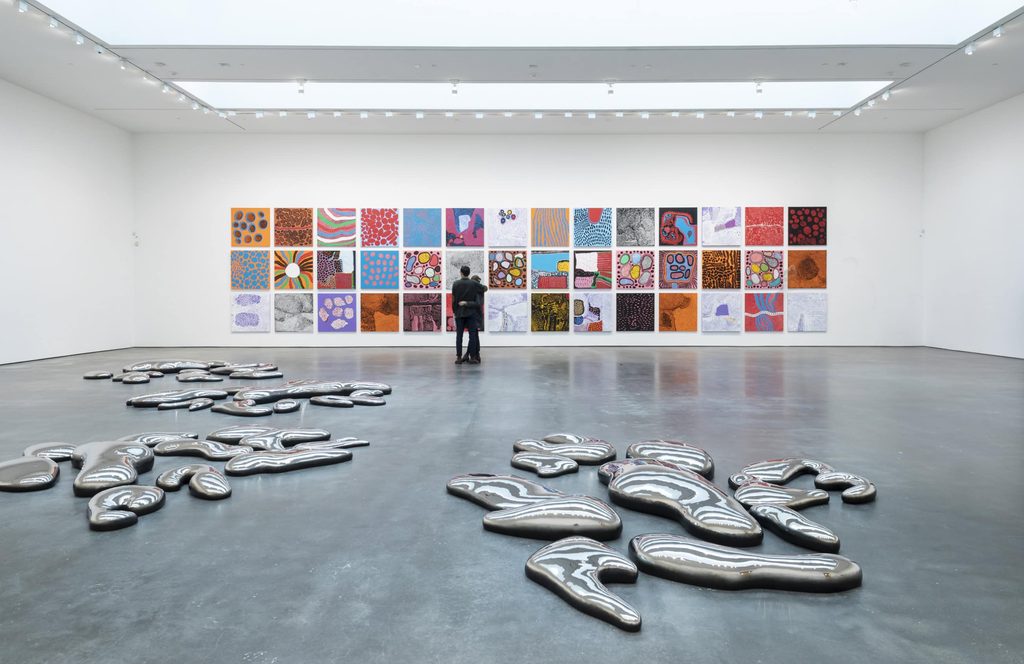
Inside, you might find works by Gerhard Richter, Alice Neel, Paul Klee, or recent works by Yayoi Kusama. Admission is free, no tickets or reservations are required, and the gallery is open five days a week. In practice, it is one of the best free ways to see contemporary art in Chelsea.
Interesting Facts About the David Zwirner Galleries
- A $50 million building designed by architect Renzo Piano, announced in 2018, was never built. The developer went bankrupt, after which it emerged that Piano’s architectural firm was owed $300,000, while David Zwirner himself had a claim of $28.8 million.
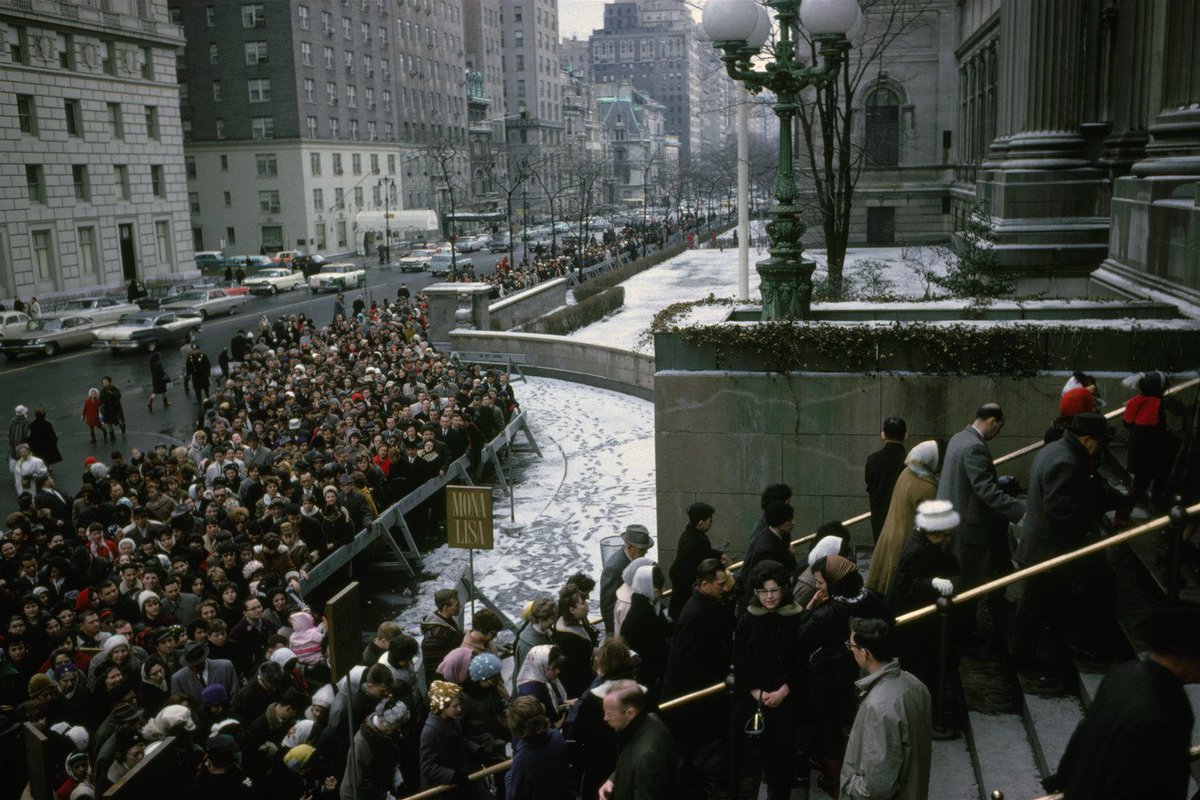
- In 2013, during Yayoi Kusama’s exhibition, the line stretched around the block for four hours, and visitors were allowed into the infinity mirror room one person at a time for 45 seconds.
- The gallery’s founder studied to become a jazz drummer at New York University and only entered the art business after graduating.
- His father, Rudolf Zwirner, conceived and organized the world’s first contemporary art fair in Cologne in 1967. It later became Art Cologne.
- In June 2026, the first official portraits of the Obamas opened at the Barack Obama Presidential Center in Chicago. The portraits were painted by gallery artist Njideka Akunyili Crosby.
- 7. From 2000 to 2009, David Zwirner ran a joint business with Iwan Wirth, who would later become the founder of the competing mega-gallery Hauser & Wirth.
- Every gallery space around the world, from the 1990s Soho location to the new 2025 building, was designed by the same architect, Annabelle Selldorf.
- The building on West 20th Street, completed in 2013, became the first commercial gallery in the United States to receive LEED certification. Its rooftop terrace was designed by the same landscape architect who worked on the High Line.
- In July 2026, the gallery closed its Upper East Side townhouse, which had operated for nine years, and completed its move downtown.
- Admission to the galleries is free and always has been.
The History of David Zwirner: From Jazz Drummer to New York’s Leading Art Dealer
David Zwirner was born on October 23, 1964, in Cologne, into the family of art dealer Rudolf Zwirner and artist Ursula Reppin.
His father, Rudolf Zwirner, is himself a significant figure in the history of the art market. In 1963, he presented the first exhibition of Joseph Beuys, and in September 1967 he opened Kunstmarkt Köln in Cologne, the world’s first event in the format of an art fair, which later became today’s Art Cologne. He stepped away from the active gallery business in 1992, exactly one year before his son opened his own gallery in New York.
After spending a year at a New York high school as part of a student exchange program, David Zwirner enrolled at New York University, where he studied music and played drums in jazz bands. After returning to Germany, he worked in Hamburg in a music talent scouting department associated with the PolyGram record label.
He then began collecting contemporary art and took his first job in the United States with New York art dealer Brooke Alexander.
In 1993, he opened his own gallery on the ground floor of 43 Greene Street in Soho. The inaugural exhibition was a solo show by Austrian sculptor Franz West, whom the gallery continues to represent to this day.
The David Zwirner Gallery Building and Architect Renzo Piano
In January 2018, marking the gallery’s twenty-fifth anniversary, Zwirner announced plans to build a five-story, 4,600-square-meter building of its own on the corner of 21st Street in Chelsea, at a cost of $50 million. The project was designed by Renzo Piano, a Pritzker Prize winner and the architect of the Whitney Museum of American Art building, located two blocks away. For Piano, this would have been the first commercial art gallery of his career.
The gallery building was planned as a separate structure, but its construction was tied to a neighboring residential tower being developed by the same developer, who had purchased the site in 2014. The gallery was supposed to open in the fall of 2020, but by the end of 2021, construction had reached only the foundation. Then the pandemic began, the developer ran into financial difficulties, and in 2023 he filed for bankruptcy.
Following the bankruptcy, creditors filed claims totaling approximately $225 million against the company. Zwirner was among them: his entity had a $28.8 million claim for an unrealized option and was the largest unsecured creditor. Renzo Piano’s architectural firm was also on the list of creditors, with $300,000 owed for work that had already been completed. It was a rather revealing situation: the owner of a mega-gallery and a world-renowned architecture firm were both waiting for money from the same bankrupt developer, with the amounts differing by almost one hundred times.
In July 2023, Zwirner decided to withdraw from the project. Instead of completing Piano’s building, the gallery purchased 533 West 19th Street, which it had previously rented, and commissioned a new design from its longtime architect, Annabelle Selldorf. The new building was 8 percent larger than the one Piano had planned. At the same time, according to The New York Times, the budget remained the same at $50 million.
In the end, almost everything changed: the location, the architect, and, most importantly, the status of the building. Instead of participating in someone else’s development project, Zwirner ended up with a gallery building of his own. Renzo Piano, meanwhile, ultimately built only one building in Chelsea: the Whitney Museum of American Art.
The Three David Zwirner Gallery Locations in New York
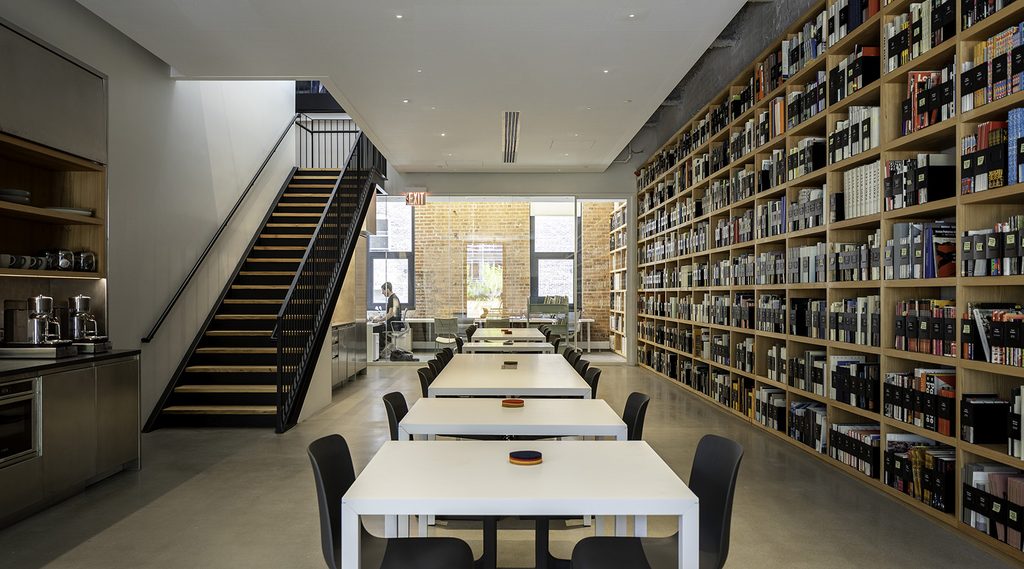
Today, David Zwirner has several spaces in New York. The gallery’s main campus is in Chelsea, on West 19th Street: buildings 519, 525, and 533 stand next to one another and have been operating here since 2002. Originally, they were three former stables that architect Annabelle Selldorf converted into gallery spaces with skylights. The newest building is 533, which opened on May 8, 2025, with an exhibition by Kenyan-British artist Michael Armitage. The neighboring building at 525 houses the David Zwirner Books bookstore.
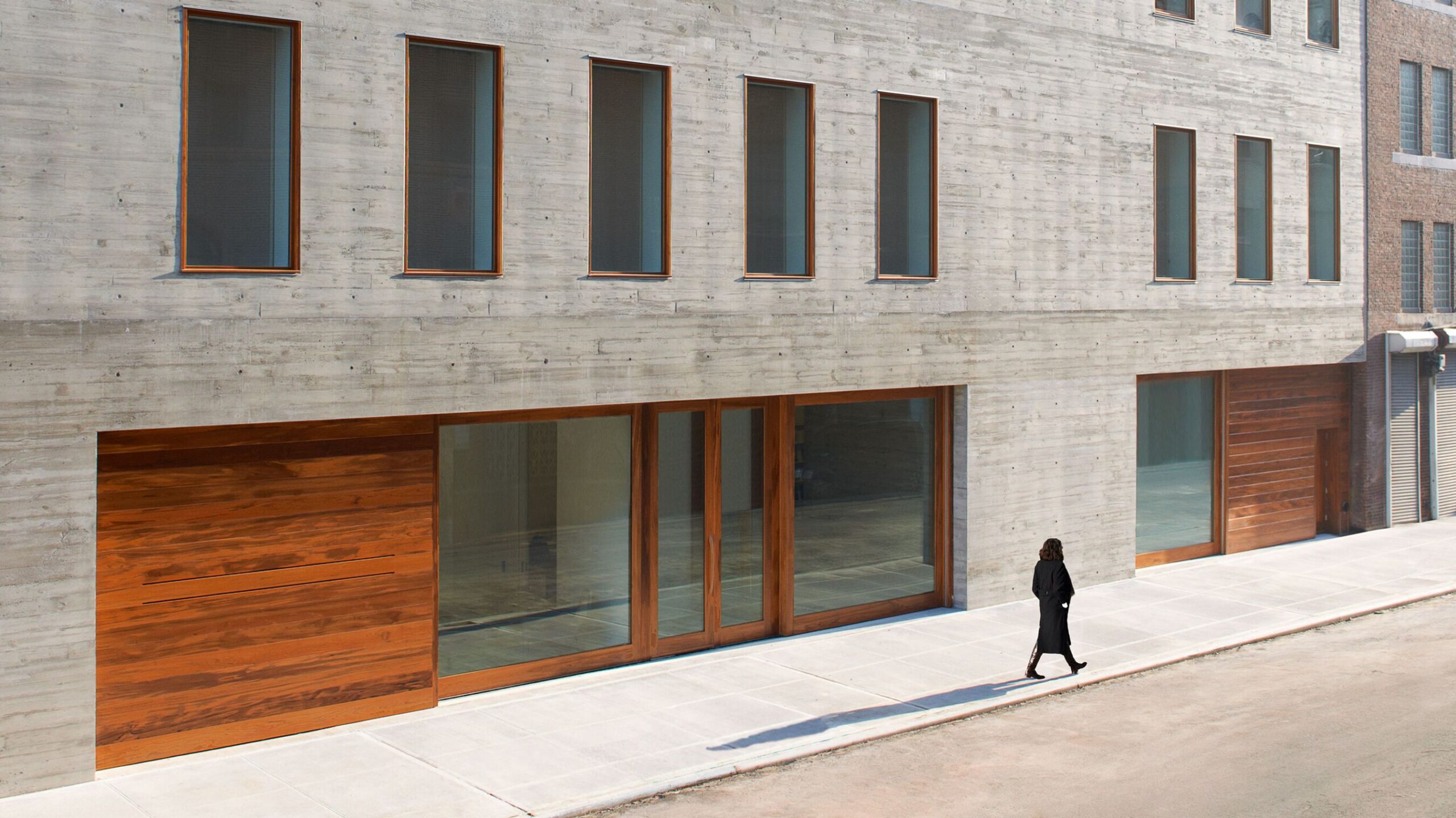
Across the street, on West 20th Street, is a separate five-story building at 537, constructed specifically for the gallery in 2013 on the site of a former garage. It was the first commercial gallery in the United States to receive LEED Gold certification. The building has five planted roofs, while the rooftop terrace garden was designed by landscape architect Piet Oudolf, the same designer responsible for the plantings on the High Line just one block away.
Another space is located in Tribeca, at 52 Walker Street. It opened in 2021 as an experimental space with complete curatorial autonomy under the direction of Ebony L. Haynes. In 2026, the space became a conventional David Zwirner Tribeca exhibition venue, while Haynes moved into the position of the gallery’s global curator.
Until recently, David Zwirner had another New York space: a townhouse on the Upper East Side at 34 East 69th Street. It operated from 2017 but closed in July 2026, following the completion of the new Chelsea building. Significantly, another mega-gallery, Hauser & Wirth, moved out of the same neighborhood a year earlier.
Yayoi Kusama at David Zwirner
In late 2013, an exhibition by Yayoi Kusama occupied all three galleries on West 19th Street, including two infinity mirror rooms. There was no line at all on opening day, but several weeks later, the line stretched around the block, and the wait reached four hours. Visitors were allowed inside one person at a time for 45 seconds.
The year 2013 was a moment when Instagram began to determine which exhibitions became cultural events, and Kusama’s mirror room was an ideal subject for this new visual language. By then, the artist was already in her eighties and had been working with this vocabulary since the 1960s; the world had simply finally caught up with her. It is often said that museums turned Kusama into a global star, but the chronology was the reverse: the commercial gallery came first, and only afterward did the major museum exhibitions follow.
Visitor’s Information
📍David Zwirner Gallery / 533 W 19th St, New York, NY 10011
📍David Zwirner Gallery / 537 W 20th St, New York, NY 10011
📍David Zwirner Gallery / 52 Walker St, New York, NY 10013
Hours: Tuesday through Saturday, 10:00 a.m. to 6:00 p.m.; closed on Sundays and Mondays
As of late August 2026, all New York gallery spaces are closed for the summer break. The new season opens on September 10, 2026.
Website: davidzwirner.com
Admission: free, no ticket or reservation required