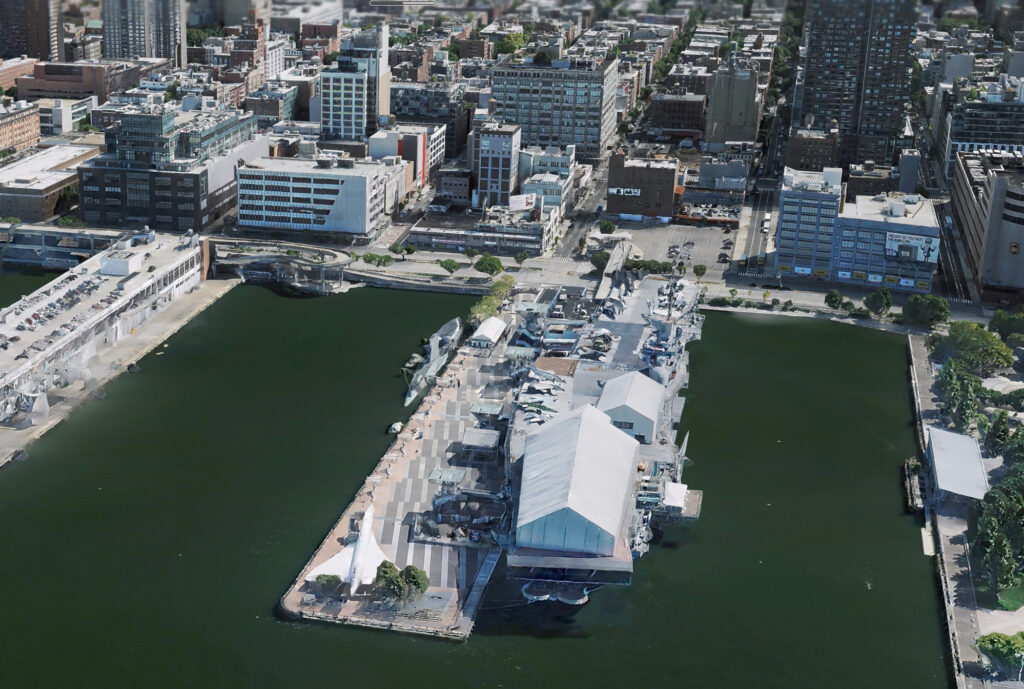
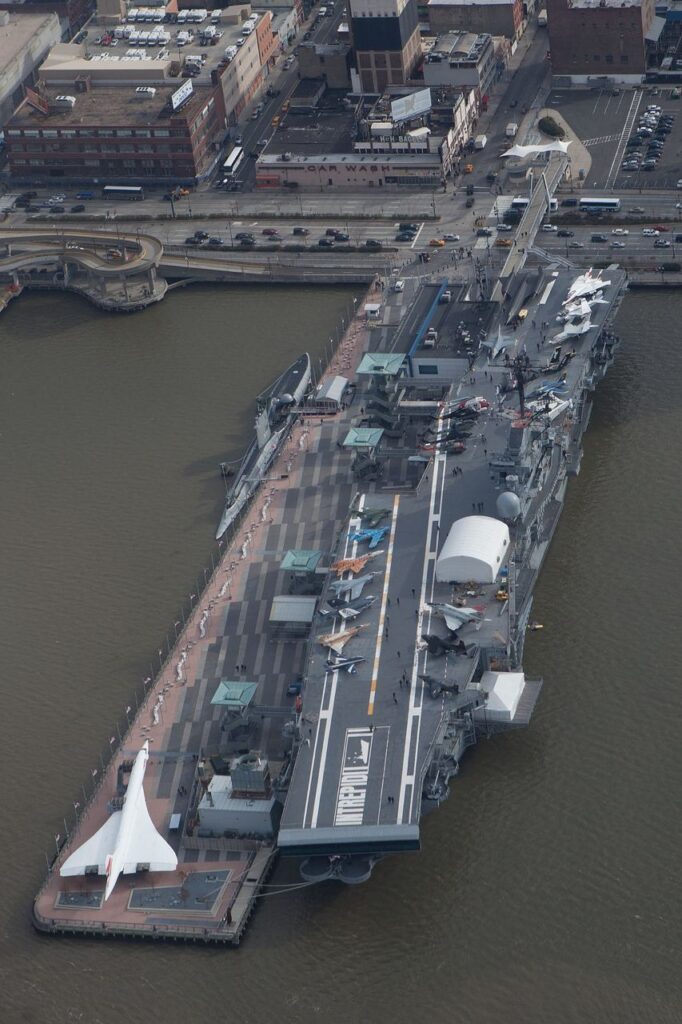
On the west side of Manhattan, at Pier 86 on the Hudson River, stands the aircraft carrier Intrepid. It survived a torpedo attack, five kamikaze attacks, and three decades of service. Today, its decks are home to aircraft, helicopters, and space artifacts. On the neighboring pier, there is a missile-carrying submarine and a supersonic Concorde, while the space shuttle Enterprise is displayed beneath a glass dome.
The Intrepid Sea, Air & Space Museum brings together three realms: the sea, the air, and space. It appeals to history enthusiasts, families with children, and anyone who simply wants to see New York from an unusual perspective.
Interesting Facts About the Intrepid Sea, Air & Space Museum
- During World War II, the Intrepid was hit by a torpedo in 1944 and survived five more kamikaze attacks. Because of the repeated damage and repairs, sailors nicknamed it Fighting I, as well as Evil I and Decrepit.
- In 1962, the Intrepid participated in the recovery of astronaut Scott Carpenter, retrieving his Aurora 7 capsule from the ocean after his Mercury program flight.
- In 1965, the ship rescued the crew of Gemini 3, astronauts Gus Grissom and John Young, who had returned to Earth after the first crewed flight of the Gemini program.
- In the 1970s, the Intrepid was scheduled to be scrapped, but New York developer and philanthropist Zachary Fisher saved the ship and helped turn it into a museum.
- In 1977, the Enterprise space shuttle was used for atmospheric test flights, but it never flew into space. Its name was chosen after a massive campaign by Star Trek fans.
- During the Cold War, the Growler submarine carried Regulus cruise missiles equipped with nuclear warheads.
- The deck is home to the Lockheed A-12 Blackbird, a predecessor of the SR-71 capable of reaching speeds of more than Mach 3.
- On February 7, 1996, Concorde G-BOAD flew from New York to London in 2 hours, 52 minutes, and 59 seconds. This remains the record for the fastest passenger flight across the Atlantic.
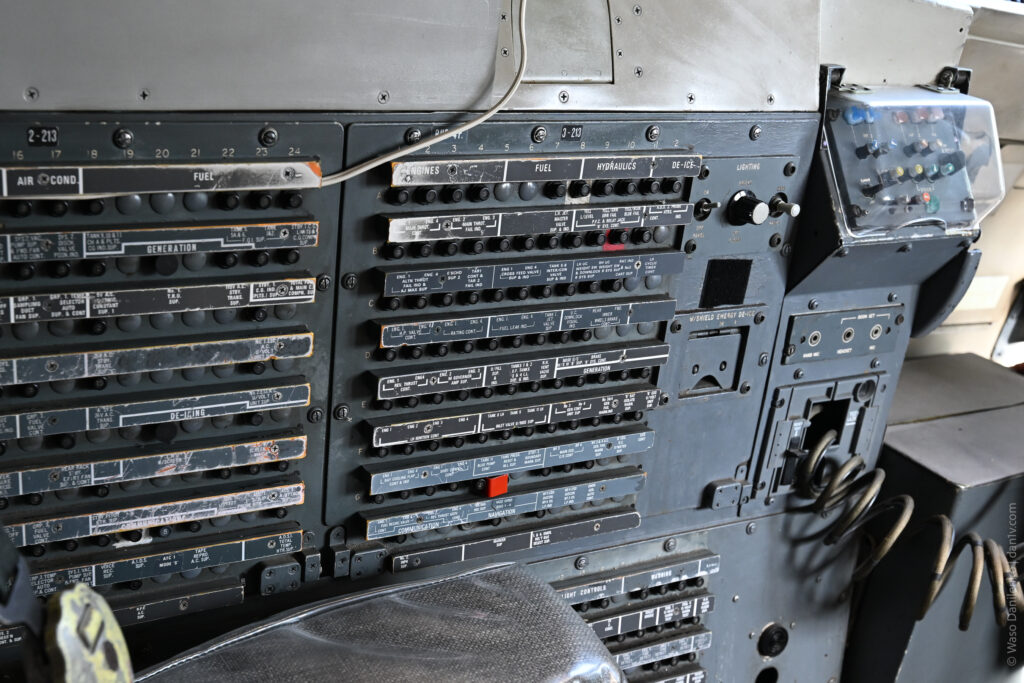
- The Concorde was the first passenger aircraft to use a fly-by-wire and computer-controlled system.
- Despite its record-breaking speed, its routes were planned so that supersonic flight took place over the ocean rather than over land.
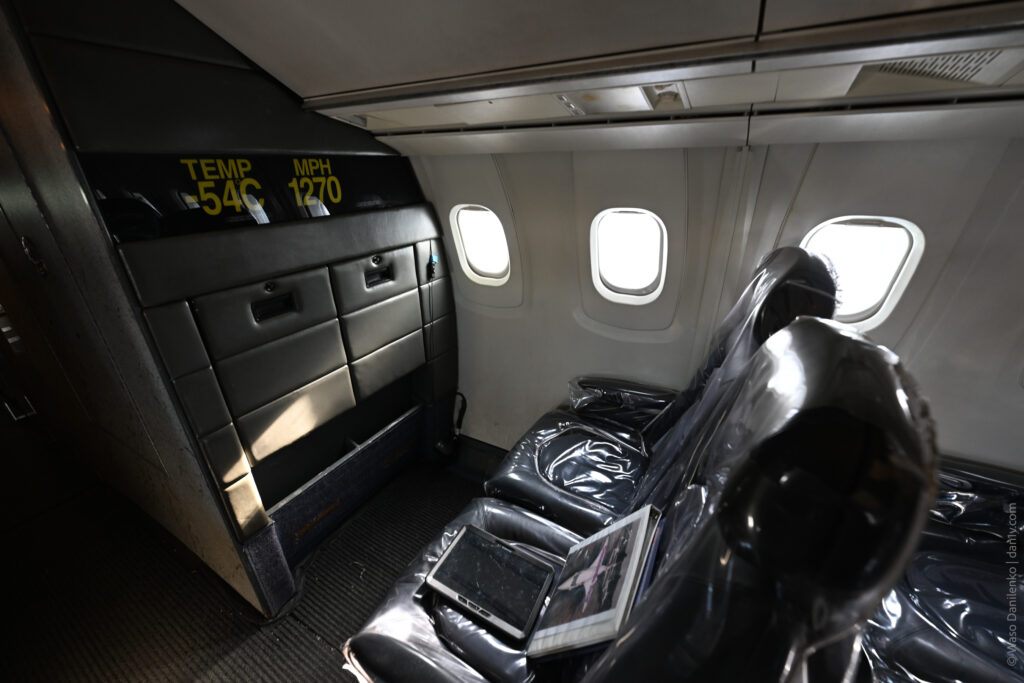
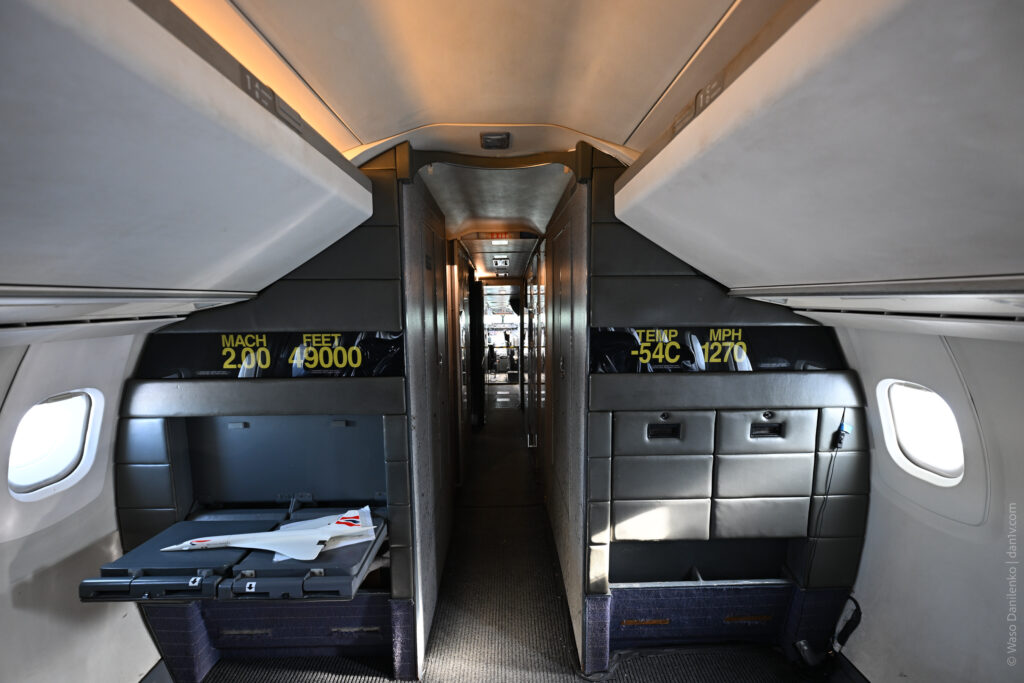
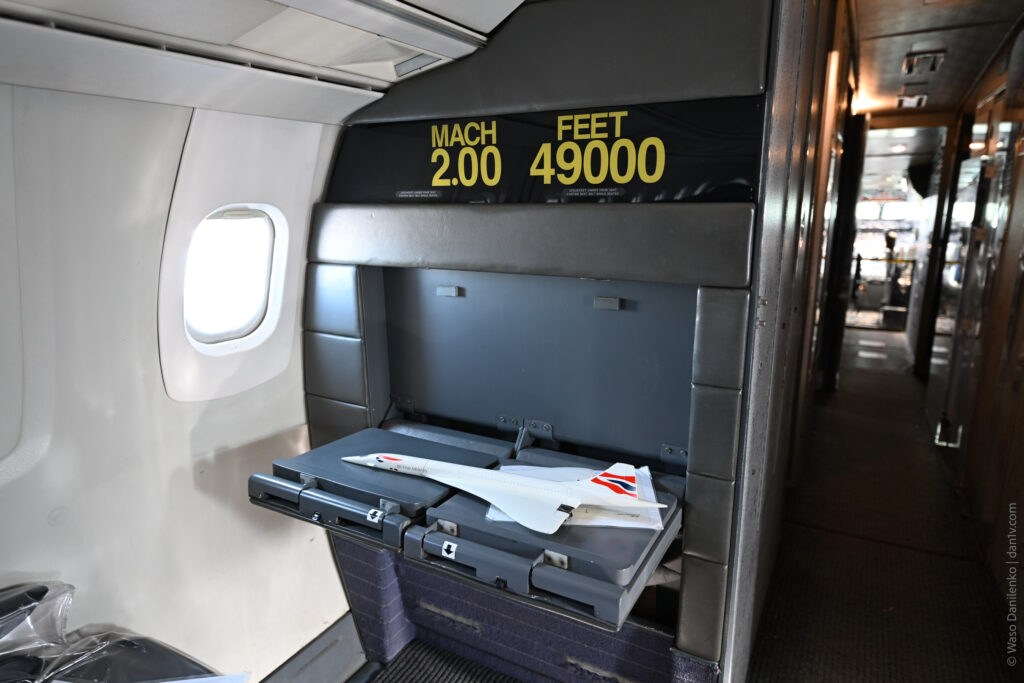
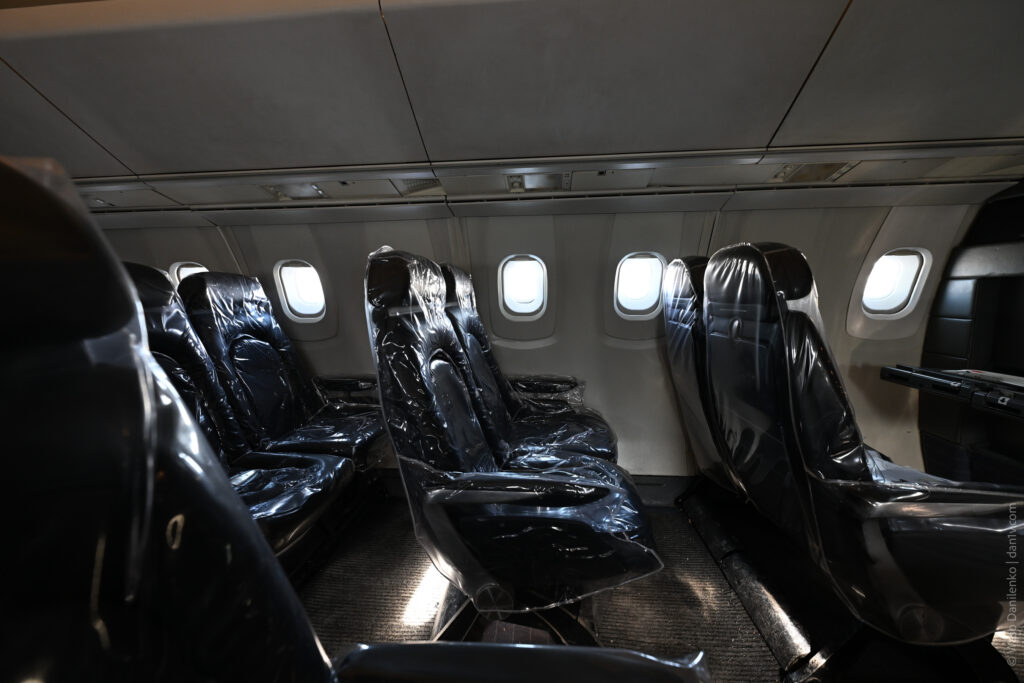
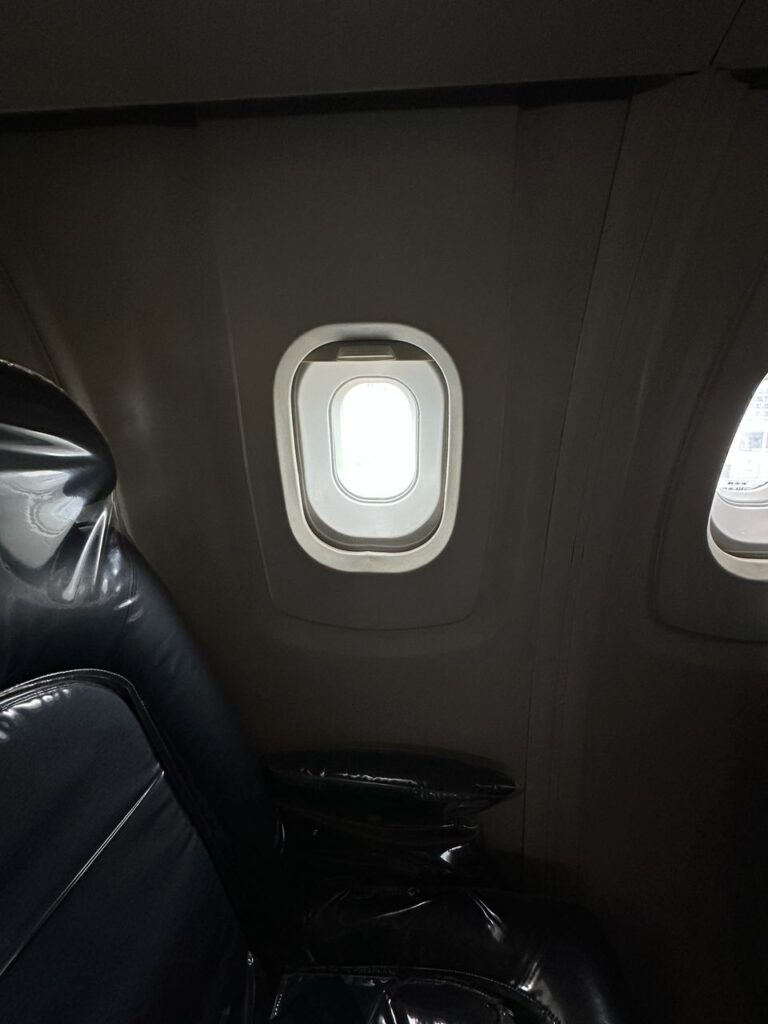
- The small windows were part of the cabin design, which was adapted for extreme speeds and altitudes.
History of the Intrepid Sea, Air & Space Museum
The Intrepid belongs to the Essex-class aircraft carriers, which the United States built in large numbers during World War II for combat operations in the Pacific. The ship was launched on April 26, 1943, and entered service with the United States Navy on August 16 of the same year. About 3,000 crew members served aboard the ship.
The Intrepid faced its first major test in February 1944 during an attack on the Japanese naval base at Truk. The aircraft carrier was hit by a torpedo and sent for repairs. After returning to service, the Intrepid took part in major operations in the Pacific, including the Battle of Leyte Gulf, and its aircraft attacked the Japanese battleship Musashi.
In November 1944, Japanese kamikaze pilots attacked the aircraft carrier twice. The attacks killed dozens of sailors and caused serious damage to the ship. The Intrepid was hit by two more kamikaze aircraft in 1945. Because of the repeated damage and repairs, sailors nicknamed it Fighting I, as well as Evil I and Decrepit.
After the war, the Intrepid was modernized to operate jet aircraft and received an angled flight deck. During the postwar years, the aircraft carrier served in the Atlantic and Mediterranean, and later took part in three combat operations off the coast of Vietnam.
The Intrepid also became part of the United States space program. In 1962, it participated in the recovery of astronaut Scott Carpenter after his Aurora 7 flight. In 1965, it recovered the Gemini 3 capsule carrying astronauts Gus Grissom and John Young.
In 1974, the Intrepid was decommissioned by the United States Navy. The ship was scheduled to be scrapped, but New York developer and philanthropist Zachary Fisher saved it. Thanks to his efforts, the Intrepid was brought to New York and transformed into a museum.
The ship opened to visitors at Pier 86 on August 3, 1982. In 1986, the Intrepid was designated a National Historic Landmark. From 2006 to 2008, the museum closed for a major restoration. After the restoration, the ship returned to Pier 86 and reopened as a museum dedicated to the history of naval aviation, aviation, and space exploration.
Exhibits at the Intrepid Sea, Air & Space Museum
Flight Deck
This is the museum’s main attraction. Dozens of aircraft and helicopters from different eras are displayed here, while the deck offers panoramic views of the Hudson River and Manhattan. The collection includes Cold War-era jet fighters, including the F-14 Tomcat, carrier-based attack aircraft, and helicopters.
Visitors can also go up to the bridge and see the navigation room and flag bridge. Some of the most interesting aviation exhibits are aircraft connected to the history of American military aviation and the United States space program.
Hangar Deck
Below the flight deck are exhibition halls, the interactive Exploreum area, and various exhibits dedicated to aviation, the navy, and space exploration. Visitors can try flight simulators, “land” a space shuttle, or watch a 4D film.
The Hangar Deck is also home to the Combat Information Center, the aircraft carrier’s command center. Here, the crew received and processed radar data, monitored air and sea activity, and coordinated the ship’s operations.
Space Shuttle Pavilion
The pavilion housing the Enterprise space shuttle consists of seventeen themed areas. Visitors can see authentic artifacts, photographs, videos, and audio recordings of communications with Mission Control during the shuttle’s test flights. Nearby, visitors can also try the Apollo & Beyond virtual reality experience dedicated to the Apollo Moon missions.
The shuttle arrived in New York in 2012 by air on the back of a Boeing 747 and was then transported along the Hudson River on a barge.
Growler Submarine
A diesel-electric Growler submarine, built during the Cold War, is moored next to the aircraft carrier at the pier. It carried Regulus cruise missiles with nuclear warheads and was designed to strike targets on land.
Inside, the submarine’s living and working spaces have been preserved, including the torpedo room, narrow passageways, crew quarters, and former missile control center. The tour gives visitors a good sense of how cramped conditions were aboard the submarine and what everyday life was like for its crew.
Concorde
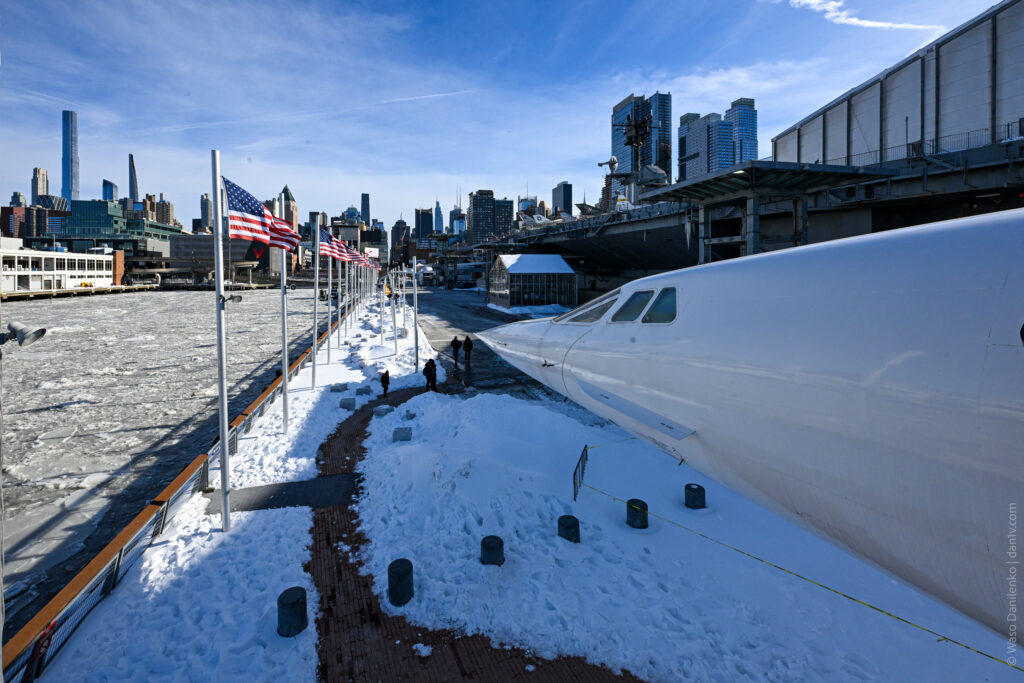
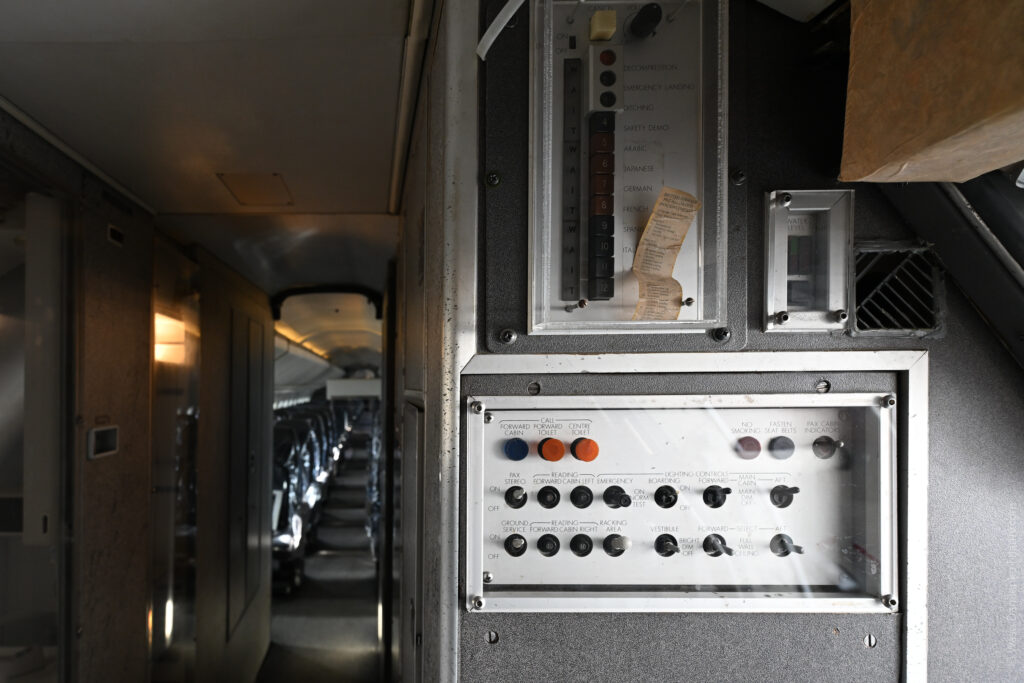
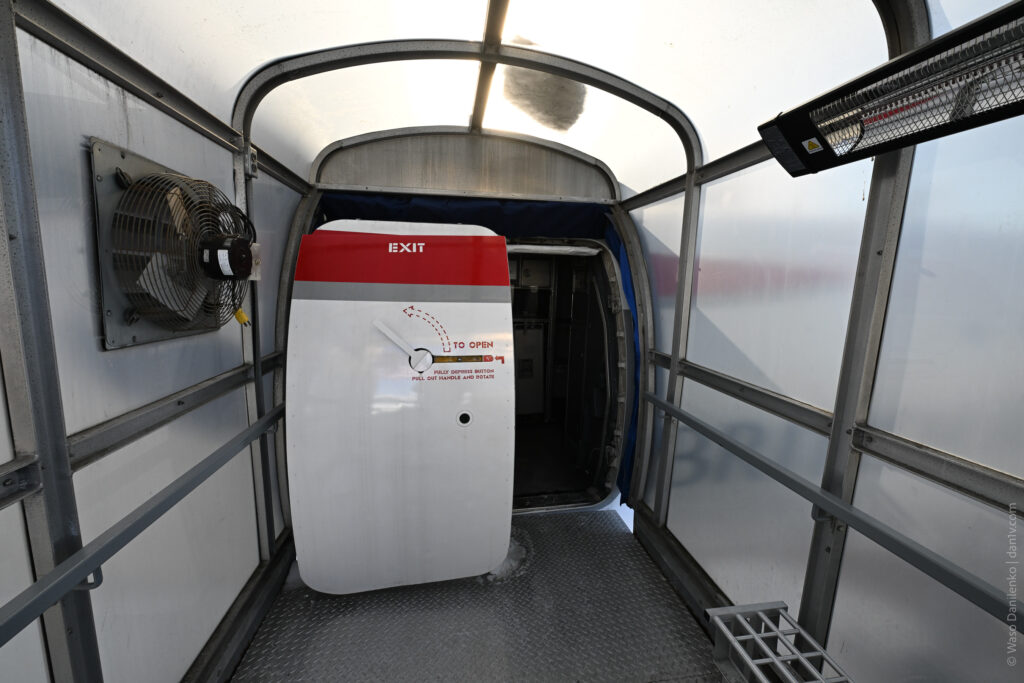
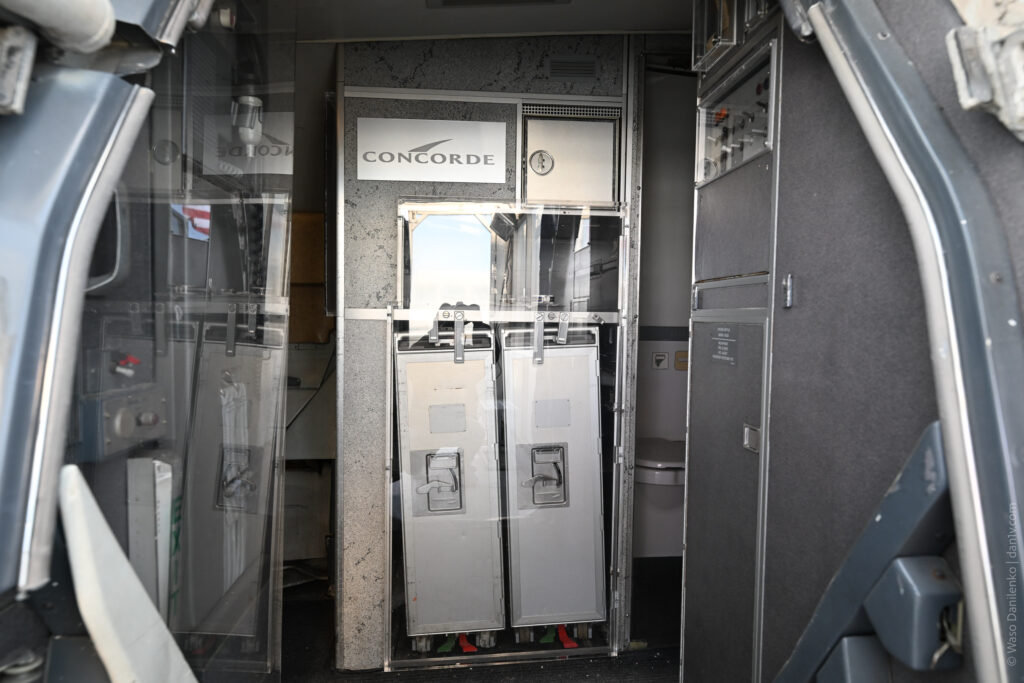
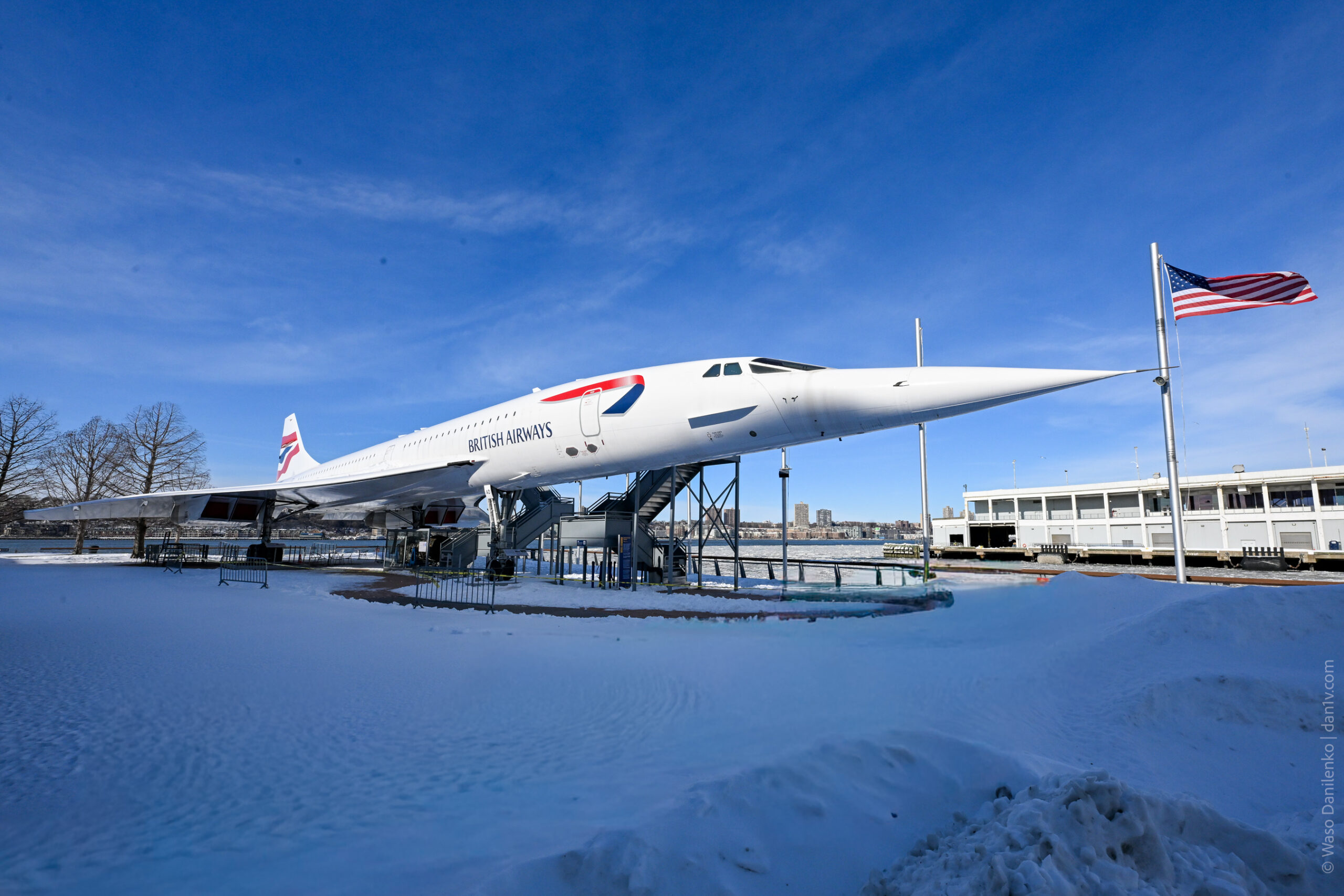
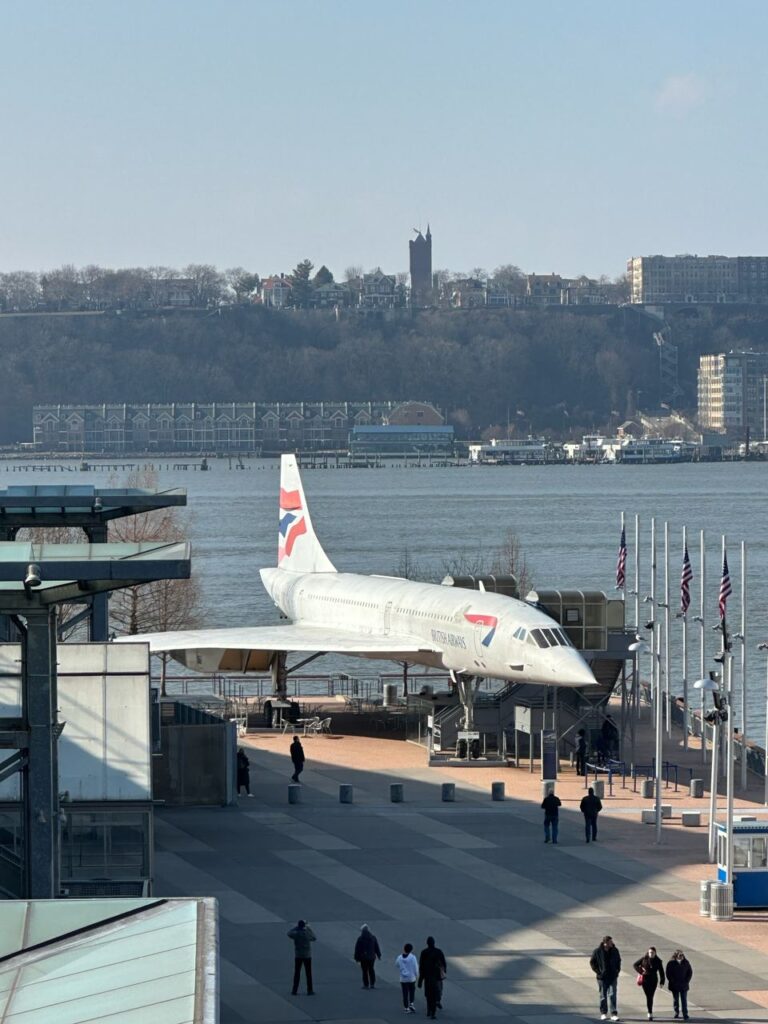
The white Concorde G-BOAD operated by British Airways stands on the pier and can be seen from a distance. It remained in service until 2003 and flew at speeds of around Mach 2. Visitors can view the aircraft from the outside for free, while tours of the interior are not included in the general admission ticket and require a separate fee.

During the Concorde Tour, you can:
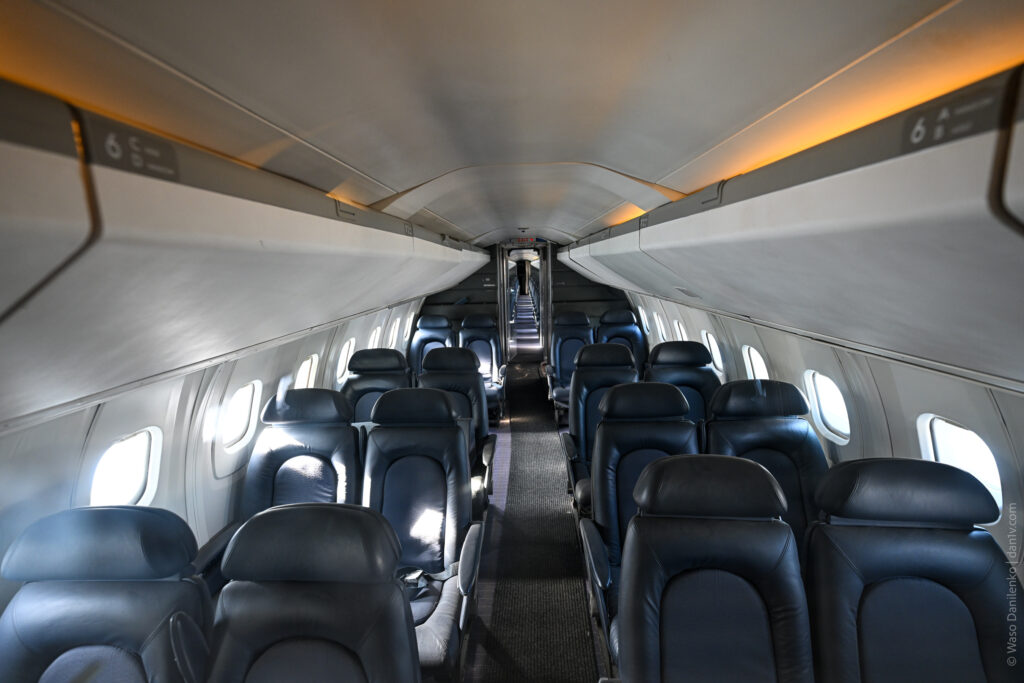
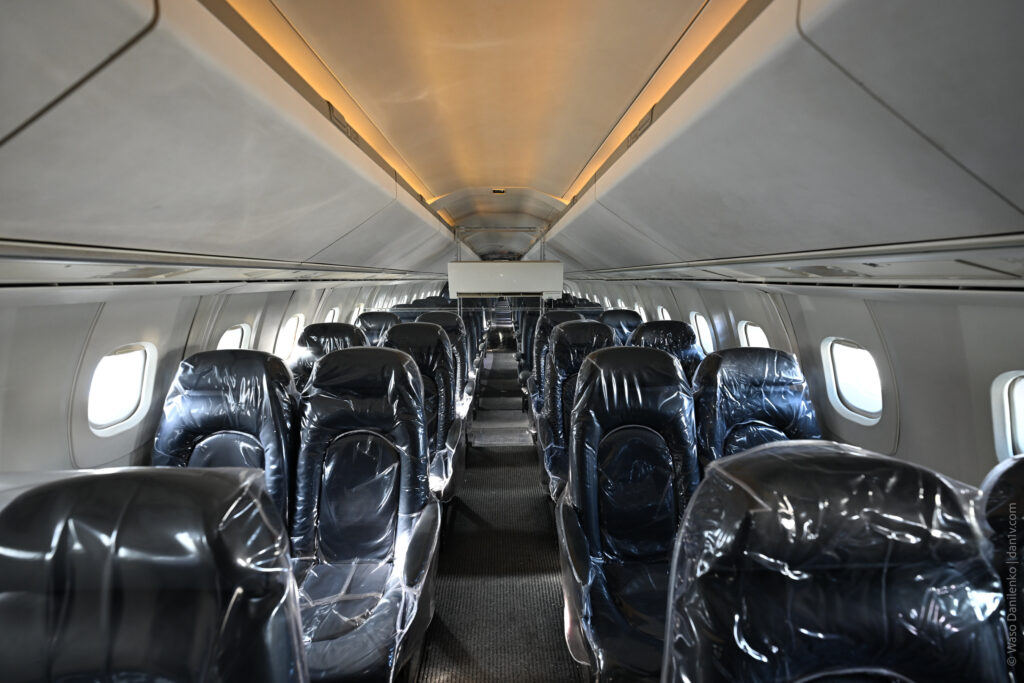
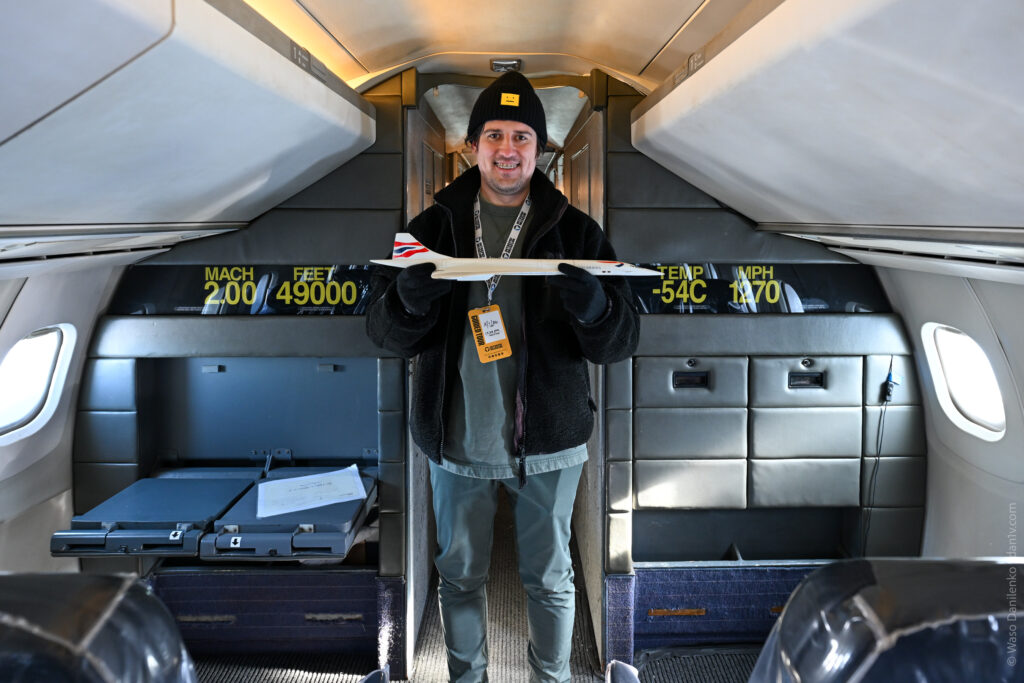
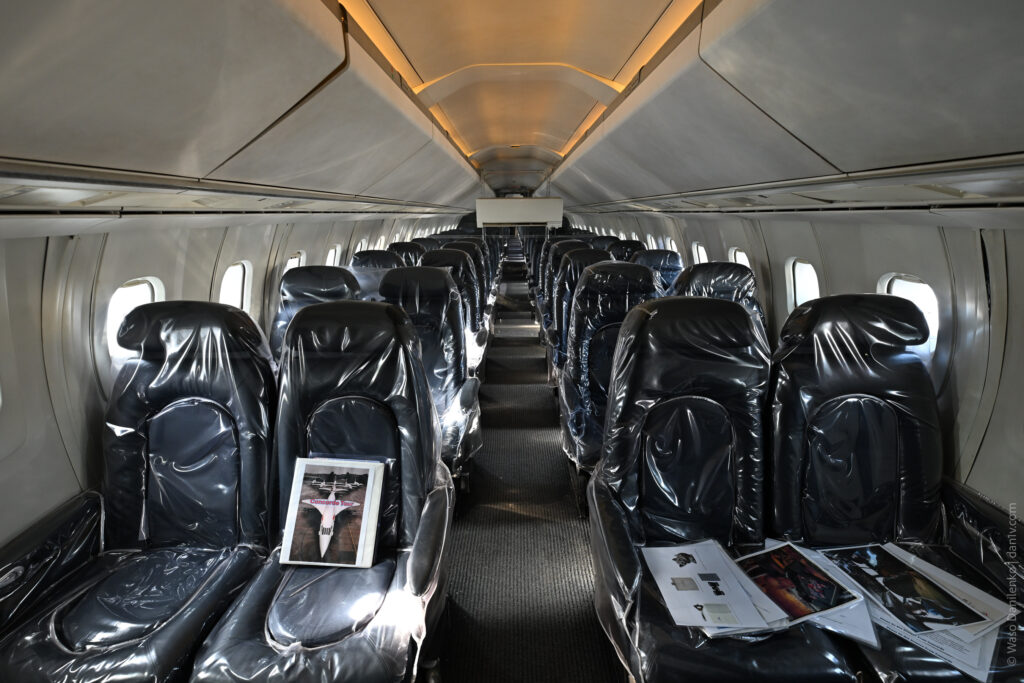
- Sit in the Concorde cabin.
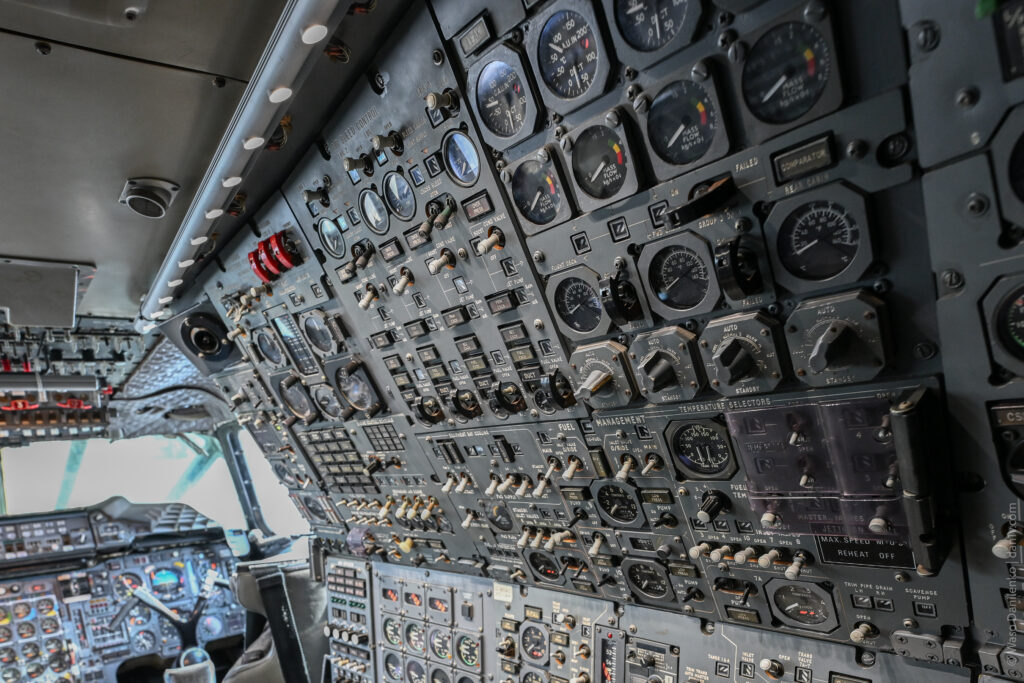
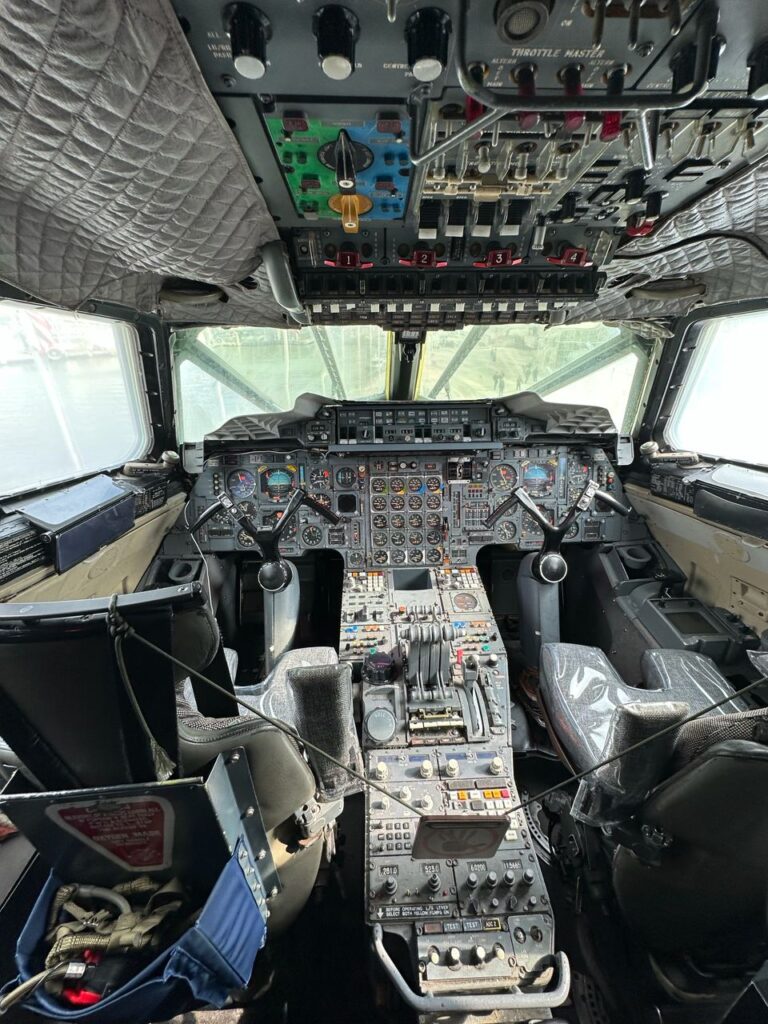
- Peek into the cockpit and sit in the pilot seats.
- Learn about the Tu-144, the Soviet supersonic passenger plane, which completed only 55 passenger flights.
The tour includes a brief history of the Concorde and its unique records.
Concorde History
Only 20 Concorde planes were ever built, and New York is home to the 14th (210 / G-BOAD). This aircraft operated from 1976 to 2003 and set an aviation record by flying from New York to London in just 2 hours and 53 minutes in 1996. It’s also the most flown Concorde in terms of total flight hours.
The Concorde is famous for its records:
- Flight speed: 2,167 km/h and the first passenger aircraft with fly-by-wire technology, meaning electronic rather than hydraulic controls.
- Noise: so loud that local residents protested, leading the US Congress to ban Concorde landings in the United States. Routes were also restricted in Malaysia and India.
- Flight altitude: up to 18,000 meters, high enough to see the curvature of the Earth.
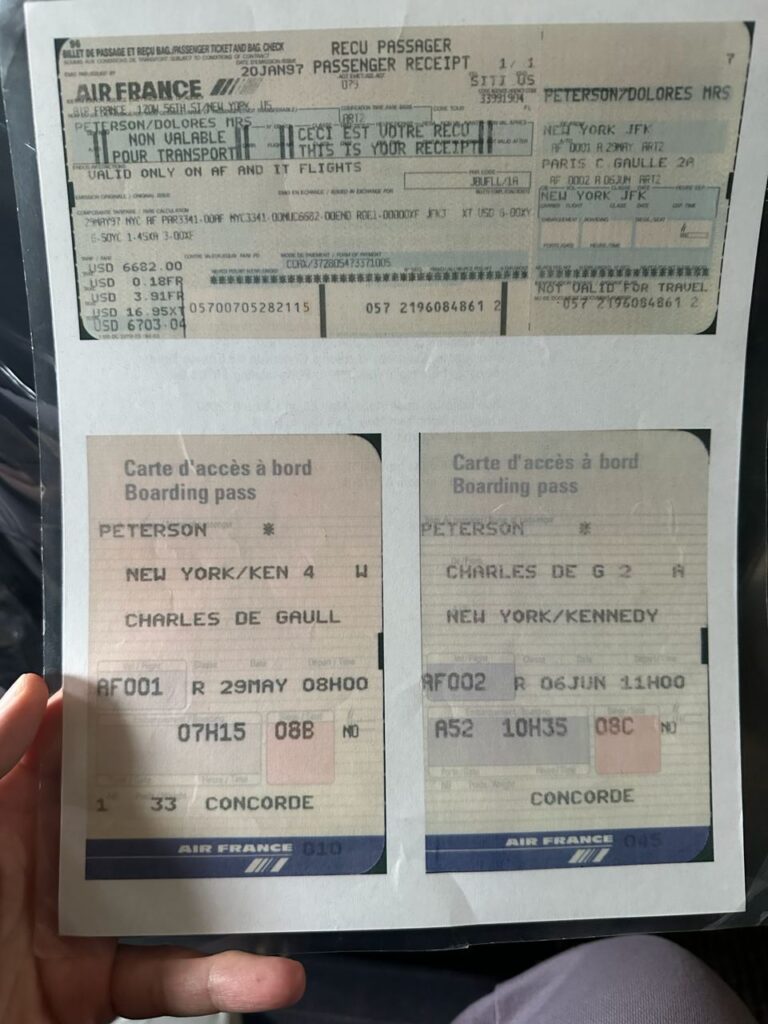
- Fuel consumption and ticket cost: a one-way ticket cost $6,703 in 1997, and the cabin, with its tiny windows, looks modest by modern standards.
- Rarity of photos: over almost 40 years of operation, there is only one photograph of the Concorde in supersonic flight, as nothing else moves fast enough to capture it.