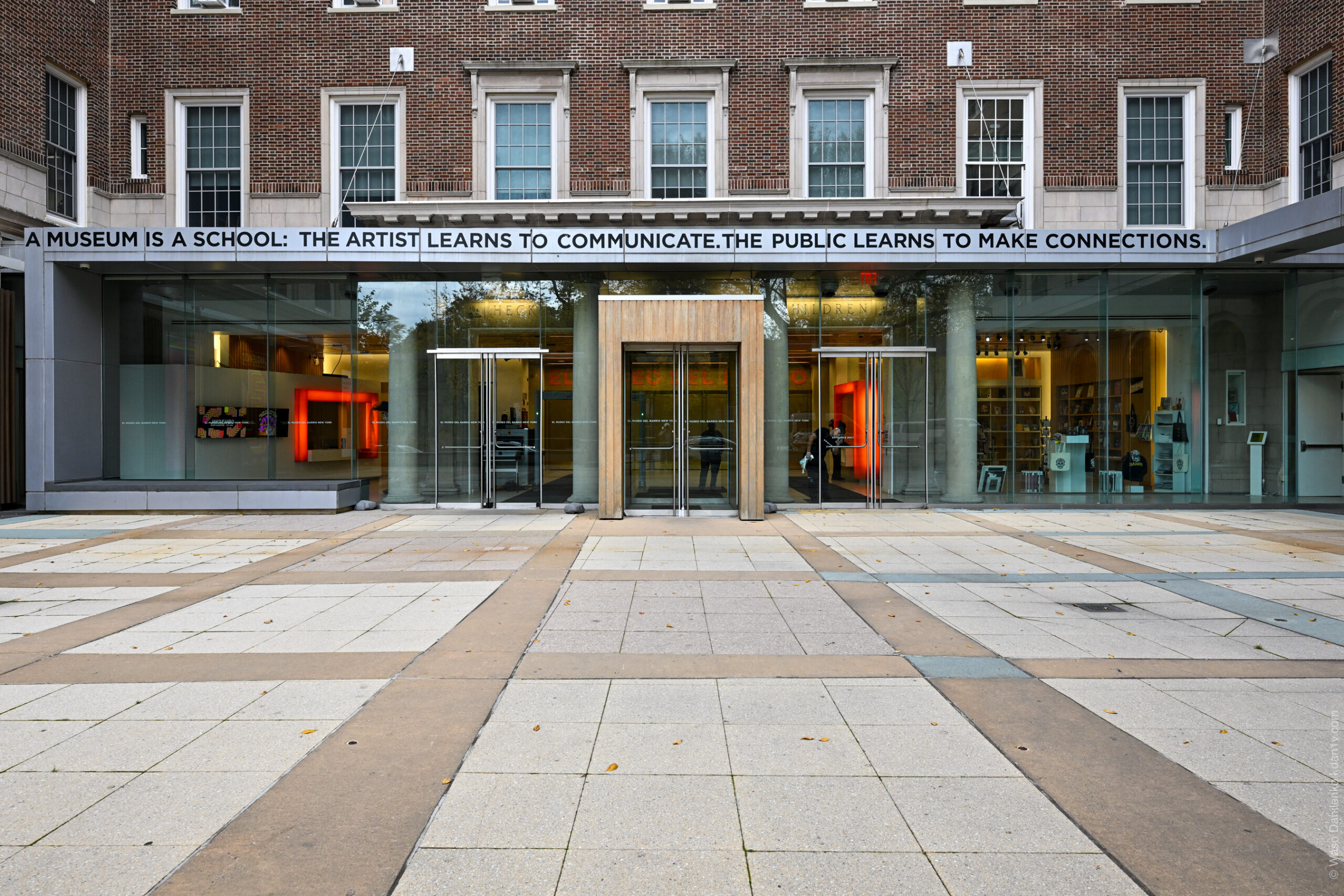
Located in East Harlem, El Museo del Barrio showcases the vibrant art and culture of Latin America and the Caribbean. The museum regularly hosts carnivals, workshops, and live music performances, as well as educational programs and children’s classes on Latin American history, art, and crafts.
Interesting Facts About El Museo del Barrio
- In 1969, artist and educator Raphael Montañez Ortiz founded El Museo del Barrio so that children in East Harlem could learn about their history and culture. The museum’s name translates from Spanish as “The Neighborhood Museum.”
- At first, the museum operated as part of a bilingual education program for Puerto Rican schoolchildren. Exhibitions were held directly in schools, with the exhibits brought to the classrooms.
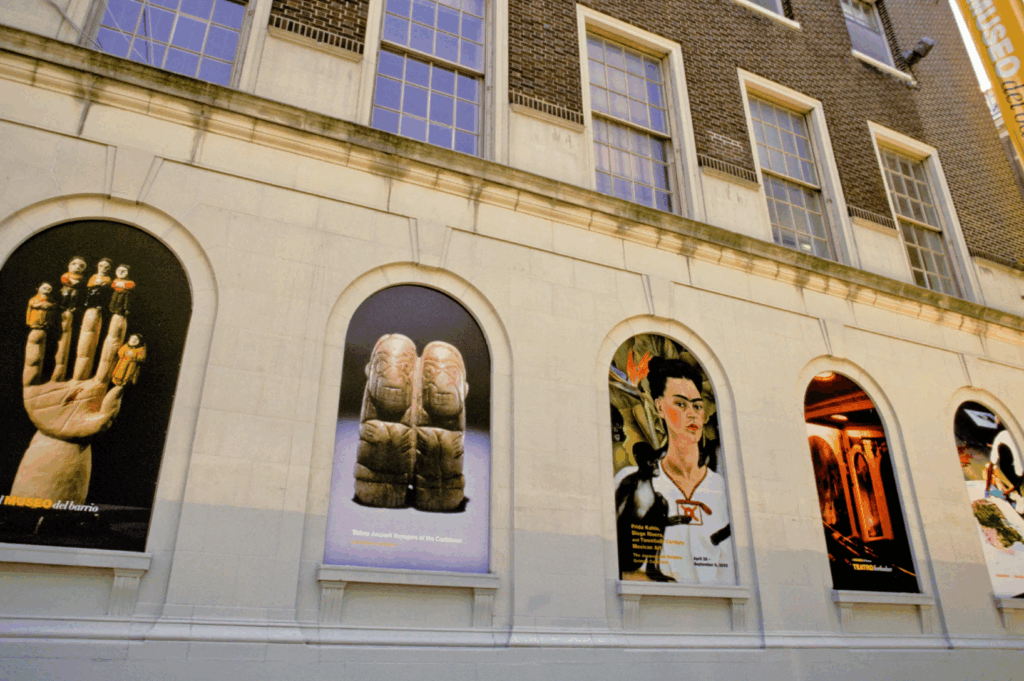
- In 1977, the museum moved to the Heckscher Building on Fifth Avenue, where it remains today.
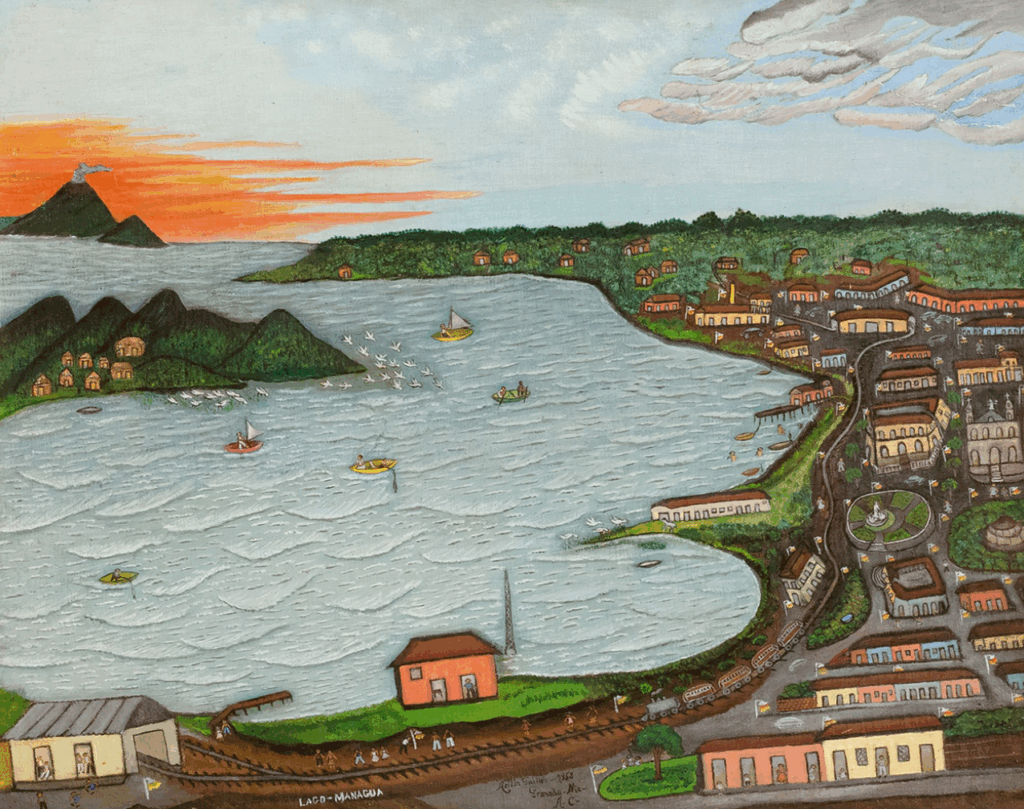
- The collection includes thousands of objects reflecting the cultures of Latin America and the Caribbean, from ancient artifacts of the Taíno people, who lived in what is now Puerto Rico and other parts of the Caribbean, to contemporary works of art.
- The museum is known for its collection of santos — hand-carved wooden figures of saints made and painted by Puerto Rican artisans.
- The museum holds an extensive collection of posters and graphic art connected to New York’s cultural life, social movements, and the struggle for civil rights.
- El Museo del Barrio is part of Museum Mile on Fifth Avenue.
- The museum organizes The (S) Files Biennial, showcasing contemporary Latino and Latin American artists, including those who live and work in New York City.
- Every January, the museum celebrates Three Kings Day, known as Día de los Reyes. The parade features people dressed as the Three Kings, and special festive activities are organized for children.
Founding History of El Museo del Barrio
El Museo del Barrio was founded in 1969 by artist and educator Rafael Montañez Ortiz together with a coalition of Puerto Rican activists. Initially, the museum focused on Puerto Rican culture and the education of children and young people. Over time, however, its mission expanded to encompass the art and culture of all Latin America, the Caribbean, and Latino communities in the United States.
It became the first museum in New York City dedicated to presenting and preserving the rich cultural heritage of Latin American communities. Today, El Museo plays an important role in the city’s cultural life by supporting artists, organizing exhibitions, educational programs, and community events — remaining a vital center of cultural identity and dialogue.
Collection and Exhibitions at El Museo del Barrio
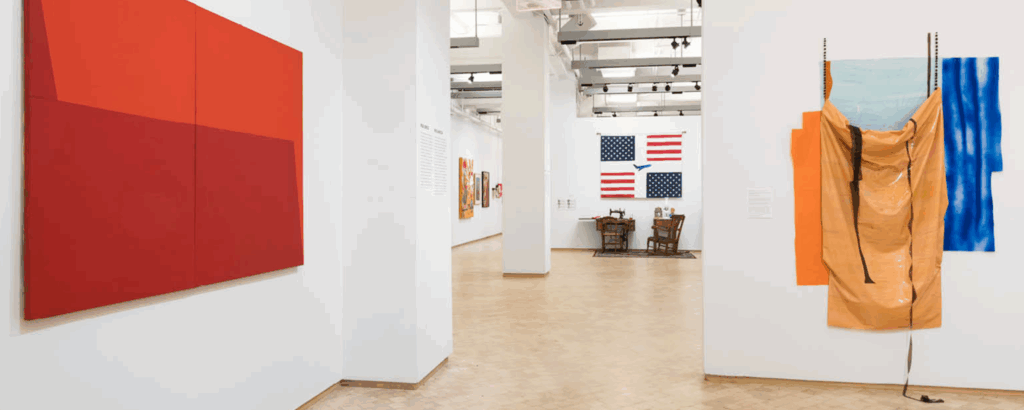
The museum’s permanent collection includes more than 8,500 objects, spanning over 800 years of Latin American, Caribbean, and U.S. Latino art. The collection features pre-Columbian artifacts, as well as modern and contemporary drawings, paintings, sculptures, installations, textiles, prints, photographs, documentary films, and video art.
Key areas of the collection:
- Pre-Columbian art: artifacts from the Taíno and other Indigenous cultures of Latin America and the Caribbean.
- Colonial period: religious and secular works reflecting the blend of Spanish, African, and Indigenous influences.
- Modern and contemporary art: paintings, prints, sculpture, installations, video art, and photography from Puerto Rican, Mexican, Cuban, Dominican, and other Latin American artists.
- Folk art and crafts: masks, textiles, ritual objects, and folk sculptures, with special emphasis on Puerto Rico.
- Multimedia: a growing archive of documentaries, videos, and digital projects exploring Latin American cultural and political experiences.
Exhibitions
El Museo regularly presents both permanent and temporary exhibitions that explore the diversity of Latin American identities, histories, and artistic practices. Topics include:
- Puerto Rican migration and diaspora
- Political art and activism
- Gender, identity, and representation in art
- Contemporary trends in Latin American painting and photography
- Solo exhibitions by artists such as Pepón Osorio, Myrna Báez, Carmen Herrera, and more
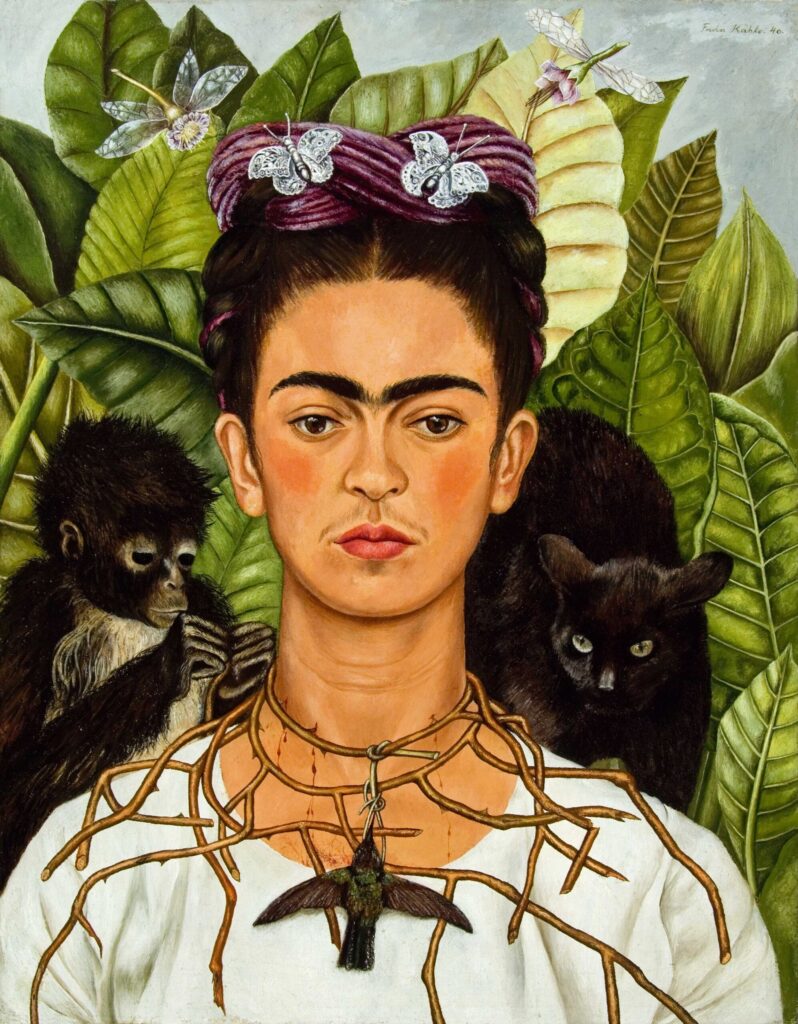
In 2002, the museum hosted one of its most important exhibitions: “Frida Kahlo, Diego Rivera, and Twentieth-Century Mexican Art: The Jacques and Natasha Gelman Collection.” This landmark show included 10 works by Kahlo — among them her famous self-portrait in traditional Mexican dress with a dog at her feet — and attracted record-breaking attendance.
Beyond major exhibitions, El Museo del Barrio actively collaborates with emerging artists, offers a platform for new voices and experimental practices, and organizes curatorial residencies, lectures, festivals, family programs, and guided tours, making art accessible to a wide and diverse audience.