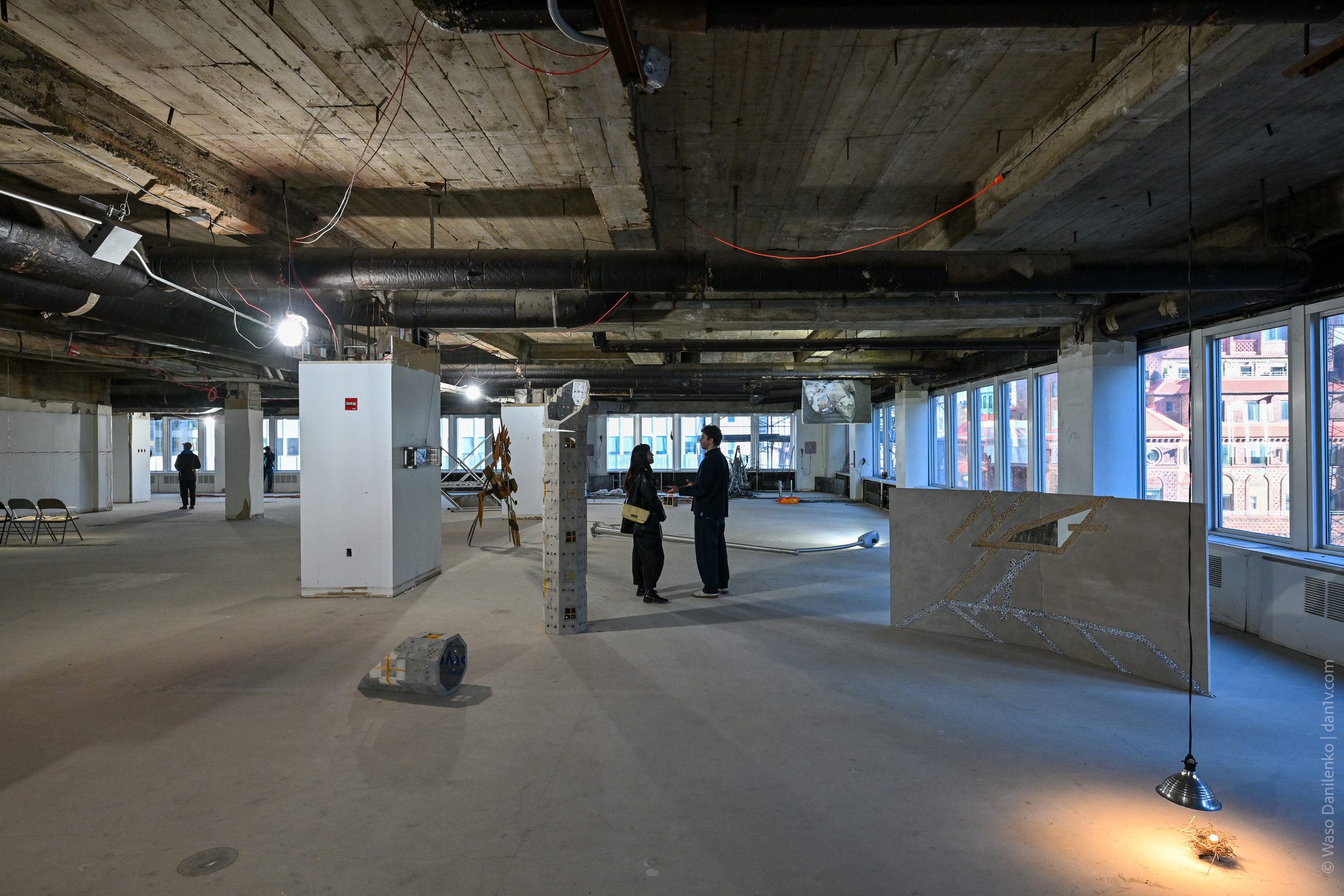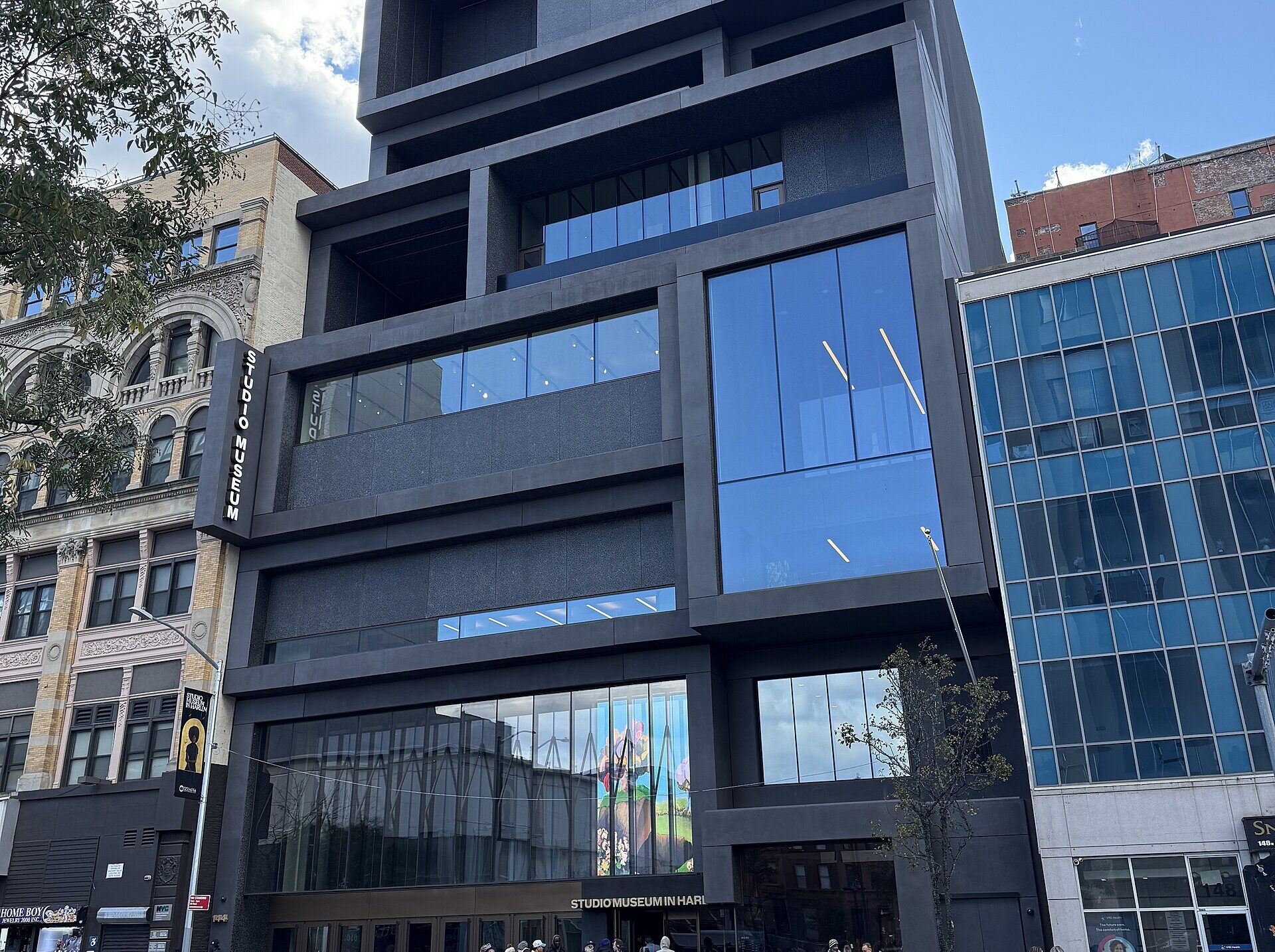

The Miriam and Ira D. Wallach Art Gallery is located on the campus of Columbia University in New York City. It is a university exhibition space showcasing projects that explore various fields of art and academic research. The gallery hosts temporary exhibitions covering both well-established subjects and emerging artistic approaches.
Interesting Facts About the Miriam and Ira D. Wallach Art Gallery
- Many of the gallery’s exhibitions are curated by graduate students, faculty members, and researchers. As a result, its projects are often based on academic work and scholarly research.
- In 2018, Denise Murrell presented Posing Modernity: The Black Model From Manet and Matisse to Today, an exhibition developed from her doctoral dissertation. It was later shown at the Musée d’Orsay in Paris under the title Le Modèle noir, de Géricault à Matisse.
- The elevators in the building are painted bright orange. Columbia Magazine compared them to a “visual sorbet” that refreshes the eye before visitors enter the gallery.

History
The gallery was founded in 1986 by Miriam and Ira D. Wallach. It was originally located in Schermerhorn Hall on the Morningside Heights campus. It later moved to a new building, the Lenfest Center for the Arts on the Manhattanville campus.

Ira D. Wallach, an American businessman and philanthropist who founded a gallery at the university where he studied, is also known beyond the art world.
During World War II, he served as a lieutenant in the U.S. Navy. In 1946, he joined Gottesman & Company, his wife’s family business. Under his leadership, the company grew into one of the world’s leading distributors of wood pulp, paper, and newspaper products.
In 1980, he also co-founded the EastWest Institute (Institute for East-West Security Studies).
Furthermore, his name was included in White House documents as one of the Nixon administration’s “political opponents” for his criticism of the Vietnam War.
Miriam Wallach, Ira Wallach’s wife, co-founded the gallery. Miriam served on the Council on Art History and Archaeology at Columbia University. After her husband’s death, she continued her philanthropic work.
The Lenfest Center for the Arts was designed by Italian architect Renzo Piano, also known for the Centre Pompidou in Paris and The Shard skyscraper in London. The center became part of Columbia University’s new Manhattanville campus, which was conceived as an open space connected to the surrounding neighborhood. The gallery’s move made the Wallach Art Gallery more visible and accessible to New York residents than it had been in its previous home in Schermerhorn Hall.
Collection and exhibitions
The Wallach Art Gallery does not have a permanent exhibition. Instead, it hosts temporary exhibitions dedicated to art history, contemporary artists, and university collections. Some projects are developed by Columbia University faculty members and researchers, while others introduce visitors to works from the university’s own art collections.
For example, the exhibition Time and Face: Daguerreotypes to Digital Prints (2021–2022) was drawn entirely from Columbia University’s Collection of Art Properties. It explored the history of photography and presented different techniques for creating images, from daguerreotypes to digital prints.
Contemporary artists also have a prominent place in the gallery’s program, including Columbia University students and members of local creative communities. The gallery regularly organizes exhibitions featuring students from the university’s graduate programs. For example, in 2026, it presented works by first-year students studying visual arts and sound art.