Have you ever dreamed of stepping back into the Middle Ages? Imagine wandering through grand castle-like halls and gardens, enjoying views of unspoiled nature, admiring tapestries depicting unicorns up close, and watching sunlight shimmer through colorful stained-glass windows. You don’t need a time machine to experience this — all you have to do is visit The Met Cloisters in New York City.
The Met Cloisters is part of the famous Metropolitan Museum of Art. Its collection features medieval Western European art and architectural elements brought from Europe, including paintings, sculptures, tapestries, stained glass, ivory objects, and much more.
Interesting Facts About The Met Cloisters
- Every autumn, nearby Fort Tryon Park hosts a medieval festival featuring jousting tournaments, music, craft workshops, and participants dressed in historical costumes.
- The museum building incorporates authentic medieval architectural fragments brought from Europe.
- The museum’s gardens are designed based on medieval botanical texts. They feature medicinal herbs and flowers that were once cultivated by monks.
- The famous unicorn tapestries contain several layers of meaning. In the Middle Ages, the unicorn could symbolize Christ, love, and purity.
- Thanks to the efforts of John D. Rockefeller Jr., who helped establish the museum and protected the surrounding land from development, the terraces offer beautiful views of the Hudson River and its green banks.
- From April through October, the museum’s Trie Café serves light refreshments outdoors. It is named after the medieval monastery of Trie-sur-Baïse, parts of which are represented in the museum.
History of The Met Cloisters
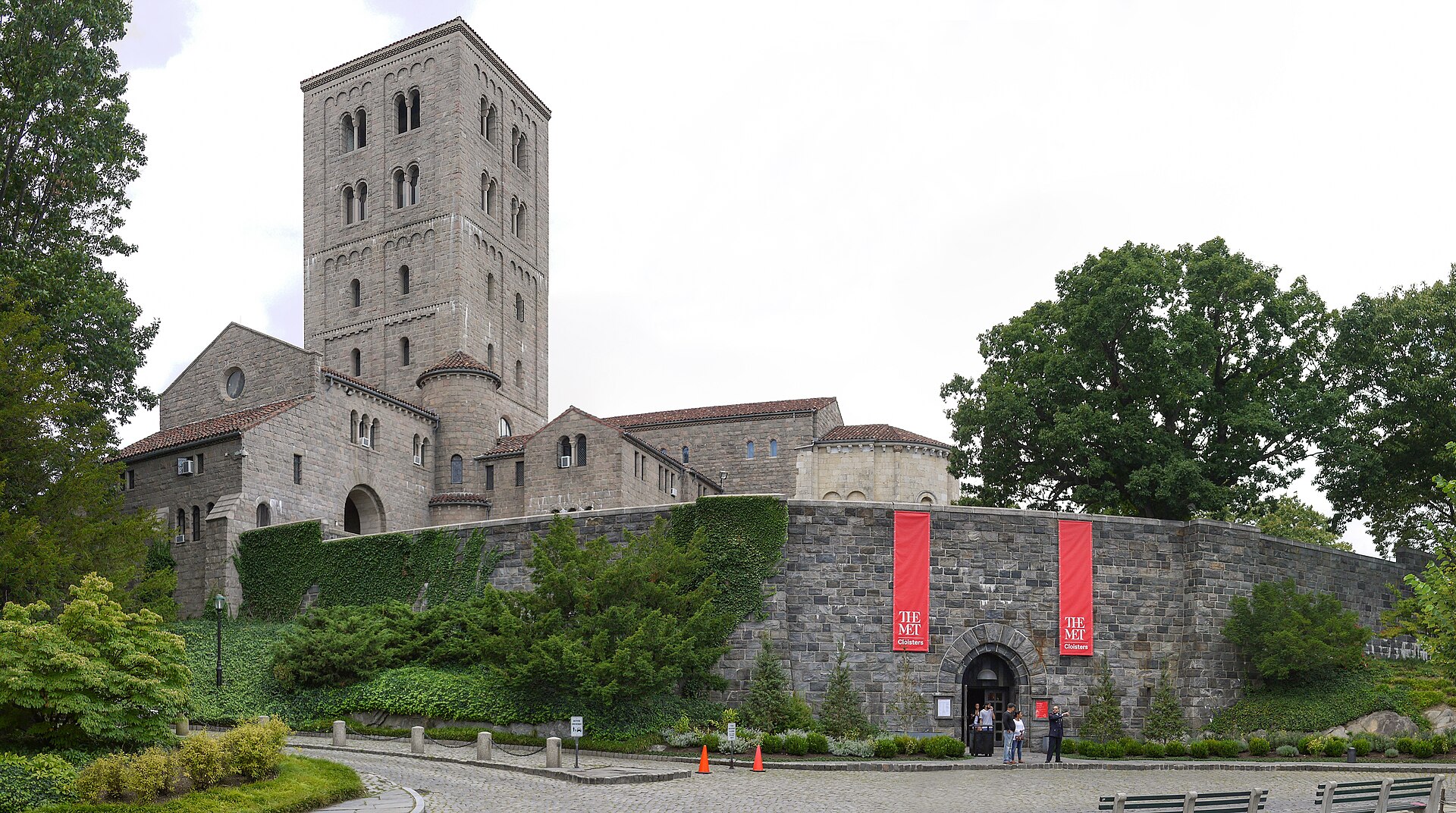
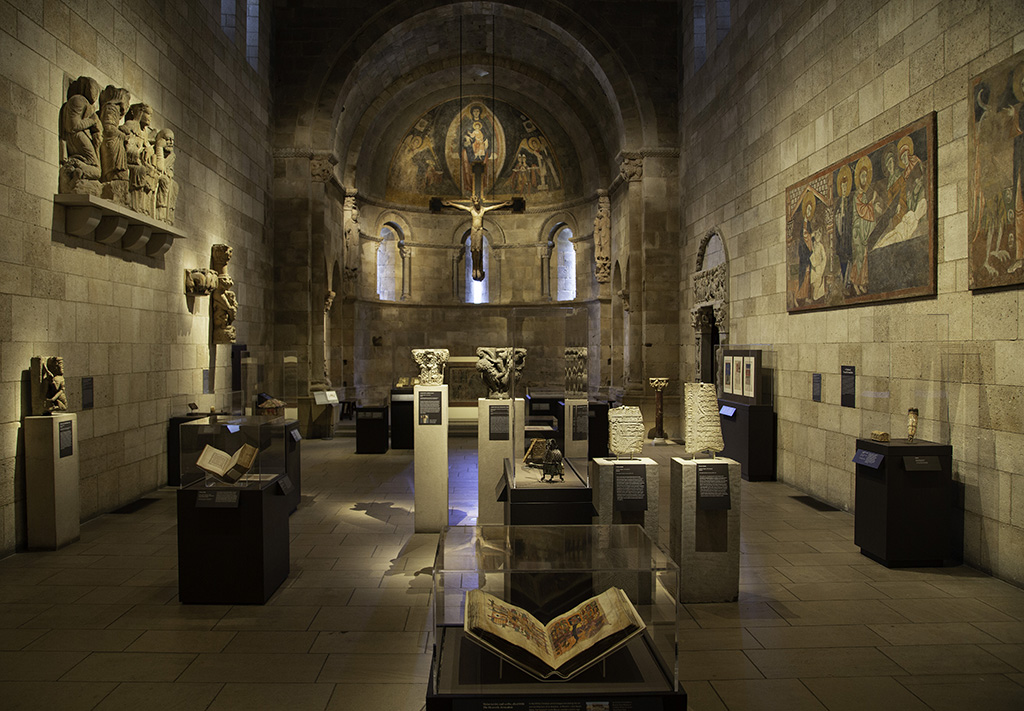
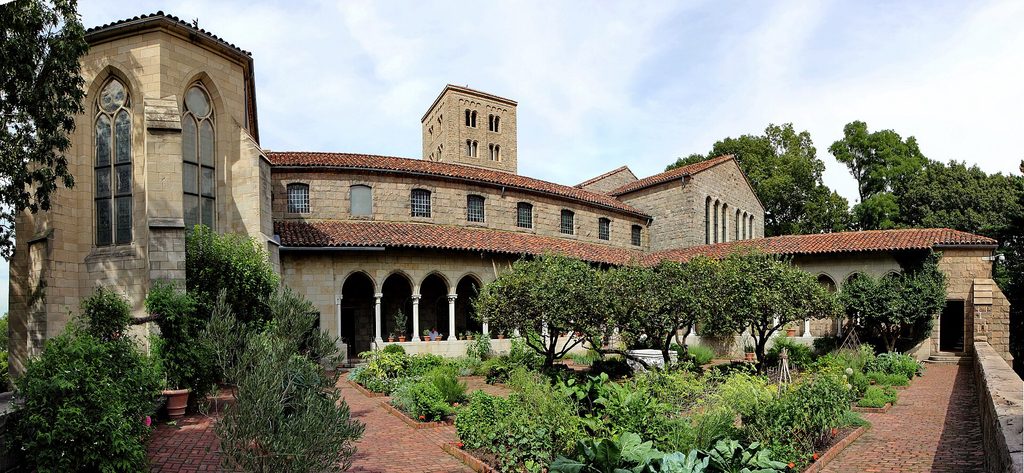
The Met Cloisters is a branch of the Metropolitan Museum of Art dedicated to the art and architecture of medieval Europe. It is located in Fort Tryon Park in northern Manhattan. The building resembles a medieval monastery, incorporating historic architectural elements brought from Europe and surrounded by gardens overlooking the Hudson River.
The museum’s history began in the early 20th century, when American sculptor George Grey Barnard traveled through France collecting fragments of old monasteries. He acquired columns, arches, capitals, and other architectural elements from buildings that were gradually falling into ruin or had been abandoned. Barnard eventually opened his own museum in New York, but soon faced financial difficulties.
In 1925, the Metropolitan Museum of Art acquired Barnard’s collection with support from philanthropist John D. Rockefeller Jr. Rockefeller also donated part of his own medieval art collection, including the famous tapestries, and helped find a location for the future museum. He donated land for Fort Tryon Park and purchased property on the opposite bank of the Hudson River to protect the scenic Palisades cliffs from development and preserve the view from the museum.
The building was designed by architect Charles Collens. Authentic medieval architectural fragments brought from Europe were incorporated into the design and combined to create a unified architectural ensemble.
The museum was named The Met Cloisters after the word cloister, which refers to a covered walkway surrounding a monastery courtyard. These galleries became a defining feature of the building. The museum opened to the public on May 10, 1938.
Today, its collection includes more than 5,000 works of medieval art, including sculptures, paintings, tapestries, stained glass, and objects made of metal and ivory.
Architecture of The Met Cloisters
The architecture of The Met Cloisters differs from that of most museum buildings. Rather than replicating a single castle or monastery, it brings together elements from different periods to create the impression of a medieval monastery. Authentic architectural fragments from buildings in France and Spain were used in its construction, including columns, arches, portals, capitals, and window openings. These elements were incorporated into the new building, so many parts of the museum retain their original medieval stonework.
An important feature of the museum is its courtyards surrounded by covered walkways known as cloisters. The Cuxa Cloister, assembled from 12th-century elements, features elegant columns and capitals made of pink Pyrenean marble. The Bonnefont Cloister is surrounded by a garden of medicinal, culinary, and ornamental plants that were grown in medieval monasteries. The glazed Trie Cloister contains a garden with plants depicted in the famous Unicorn Tapestries.
Among the museum’s most impressive spaces are the Romanesque Hall, which features a reconstructed apse from a 12th-century Spanish church in Fuentidueña, and the Gothic Chapel with its stained-glass windows. The museum has nine themed galleries in total. The exhibits are arranged chronologically, from the Early Middle Ages to the Gothic period, allowing visitors to trace how architecture and art evolved over the centuries.
Collection and Exhibitions at The Met Cloisters
The collection at The Met Cloisters is dedicated to medieval European art and covers approximately the 12th through the 15th centuries. It includes tapestries, paintings, sculptures, stained glass, illuminated manuscripts, jewelry, and religious objects. Many of the exhibits offer insight not only into the religious beliefs of the period but also into people’s everyday lives.
One of the museum’s best-known treasures is the Unicorn Tapestries, a series created in the Southern Netherlands in the late 15th and early 16th centuries. The seven tapestries depict the hunt for a mythical creature. Their compositions feature hundreds of plants and symbols whose meanings scholars continue to investigate. In the early 20th century, John D. Rockefeller Jr. acquired the tapestries and later donated them to the museum.
Another famous work is the Mérode Altarpiece, a 15th-century triptych from the workshop of Robert Campin. The central panel depicts the Annunciation, which takes place not in a church but in an ordinary domestic interior. The carefully rendered furnishings and household objects make the painting particularly valuable for understanding everyday life during the period.
The collection also includes the 12th-century Cloisters Cross, made of ivory and decorated with intricate carvings depicting biblical scenes and inscriptions. Medieval manuscripts with colorful miniature illustrations hold a special place in the collection, including the Hours of Jeanne d’Evreux and The Belles Heures of Jean de France, Duke of Berry, both created for members of the French nobility.
The collection is complemented by stained-glass windows, tombs, wooden sculptures, furniture, jewelry, and religious vessels. Together, these objects reveal the character of medieval art and its close connection to religion and everyday life.
In addition to its permanent collection, the museum organizes temporary exhibitions devoted to medieval art. It also hosts lectures, medieval music concerts, and family events.