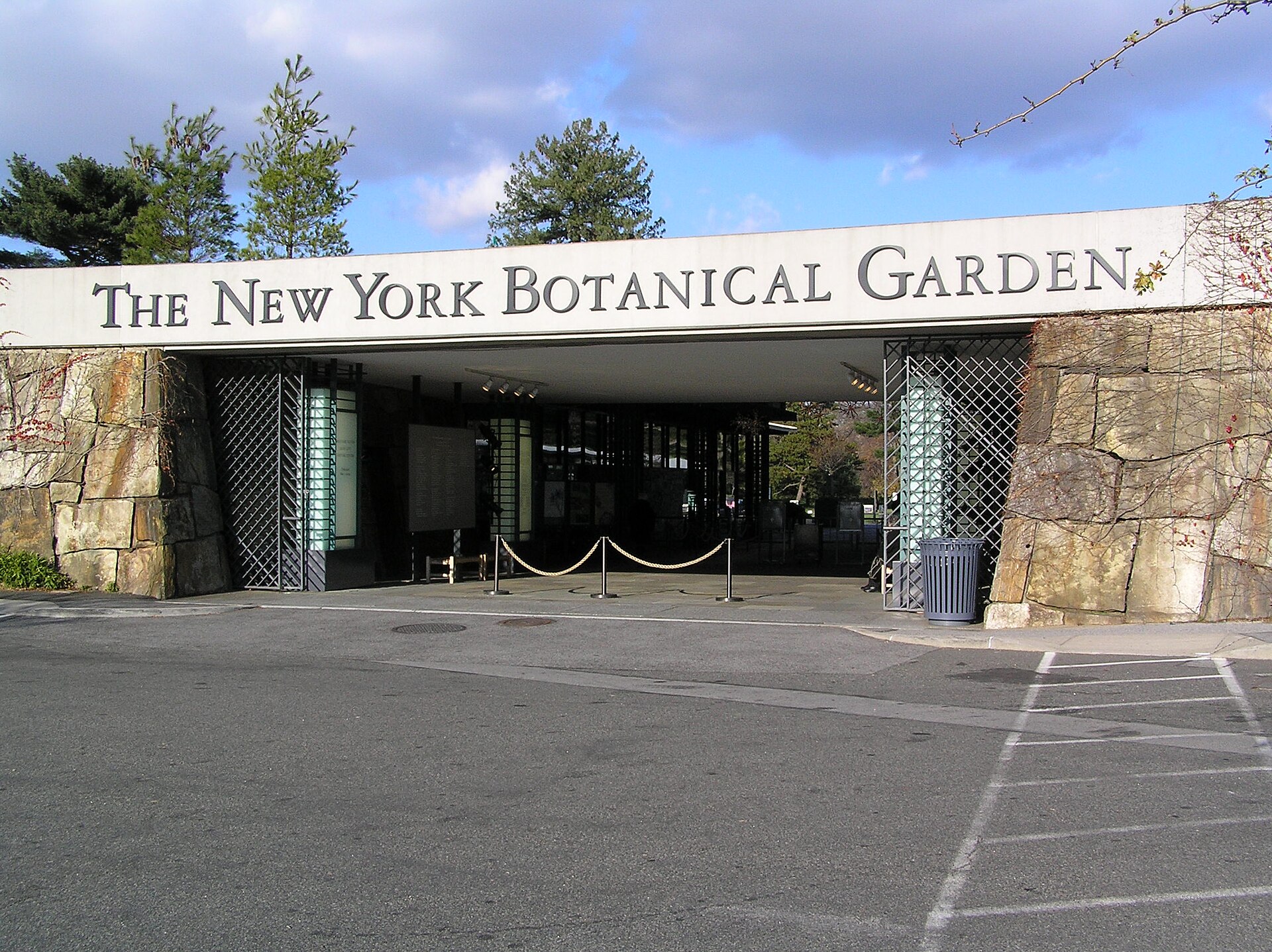
Located in the Bronx, the New York Botanical Garden (NYBG) is one of the largest botanical gardens in the world. Spanning over 100 hectares, it houses more than a million living plants under conservation.
Here, you can explore plant life from diverse ecosystems and climates — from cacti and succulents to conifers and some of the rarest orchids. A highlight is the greenhouse, where lush greenery flourishes even in the depths of winter.
In addition to its living collections, NYBG is home to a dedicated library that regularly hosts lectures and talks on botany and plant science — for both specialists and the general public.
Interesting Facts About the New York Botanical Garden
- The New York Botanical Garden was founded in 1891 after botanist Nathaniel Lord Britton and his wife, Elizabeth, visited the Royal Botanic Gardens, Kew, in London and were inspired to create a similar place in New York City.
- In 1902, the garden opened the Enid A. Haupt Conservatory, a vast glass greenhouse that recreates different natural environments, including tropical rainforests and deserts.
- In 1967, the garden was designated a National Historic Landmark.
- The grounds are home to the Thain Family Forest, a roughly 20-hectare (50-acre) woodland that existed long before modern New York City developed. The Bronx River flows through it, and an old mill dating back to the 1840s stands nearby.
- The garden’s herbarium houses more than seven million specimens of plants, algae, and fungi. Scientists use this collection for research and to study rare species.
- Every winter, the conservatory hosts an orchid exhibition. The annual Holiday Train Show features toy trains winding through miniature replicas of famous New York City landmarks made from natural materials.
- Today, the garden covers approximately 100 hectares (250 acres) in the Bronx. It remains not only a popular place to stroll but also a major scientific center dedicated to plant research and the conservation of rare species.
History of The New York Botanical Garden
The New York Botanical Garden was founded in 1891, thanks to a campaign by the Torrey Botanical Society. It was established in the northern section of Bronx Park, on land that once belonged to a tobacco magnate’s estate. The ruins of the original estate buildings still remain — including a stone tobacco mill built in 1840.
In 1896, the garden’s first director, Nathaniel Britton, established a botanical research center and began offering public lectures.
- 1902: A collection of tropical and agriculturally significant plants was brought to the garden.
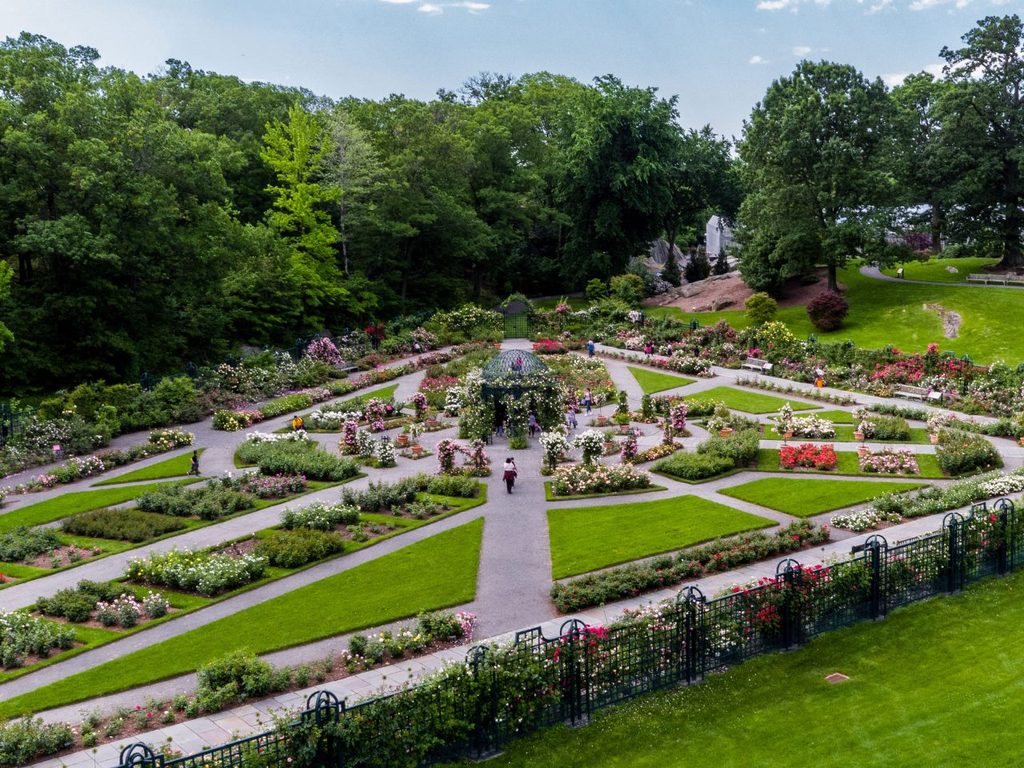
- 1916: The Rose Garden, designed by landscape architect Beatrix Farrand, officially opened.
- 1932: NYBG staff member Thomas Everett founded a horticultural school and built the rock garden two years later.
- 1981: Two new scientific institutions were launched: the Institute of Economic Botany and the Institute of Ecosystem Studies.
- 2006: Pharmaceutical company Pfizer funded a state-of-the-art 28,000 sq ft plant research laboratory, designed by Polshek Partnership Architects, at a cost of $23 million.
Plant Collections at The New York Botanical Garden
NYBG is home to 47 plant collections representing a wide variety of ecosystems and climate zones. Some highlights include:
- Orchids: Thousands of orchids on display in the greenhouse, including rare species from Mexico.
- Azalea Garden: Features 3,000 azalea varieties from North America, China, Georgia, and beyond.
- Cacti and Succulents: Representing the flora of arid regions around the world.
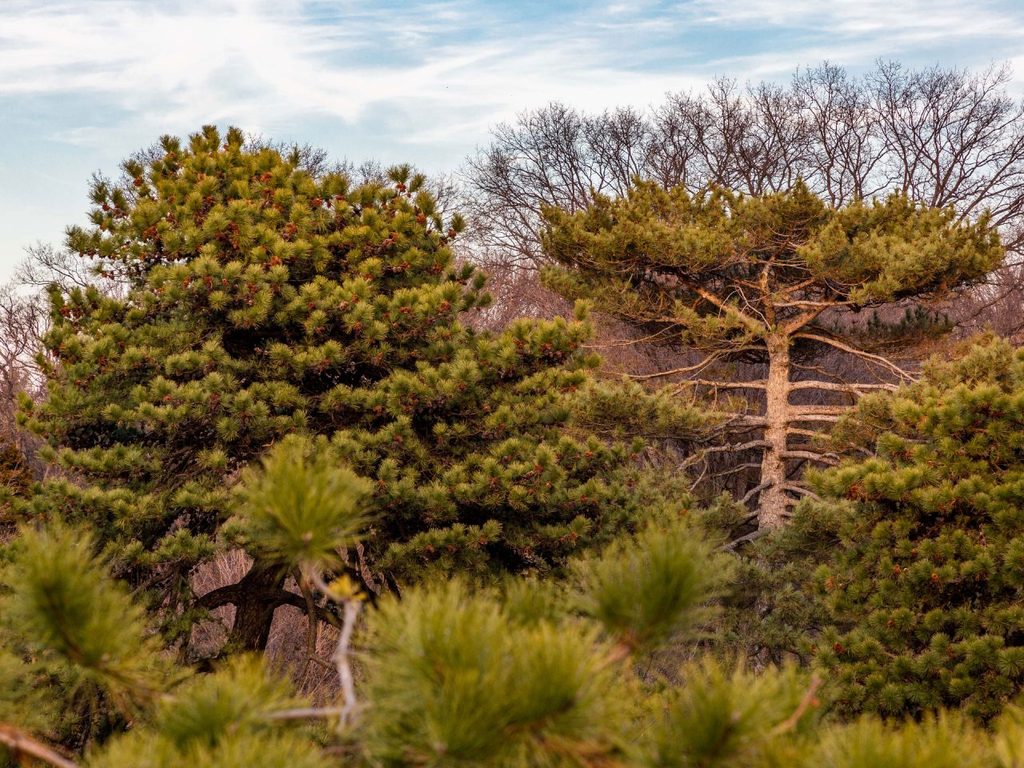
- Ferns and Conifers: Species adapted to various climates and elevations.
- Magnolias: A blooming celebration of spring’s arrival.
- Alpine Plants: A collection of high-altitude species adapted to harsh mountain conditions.
- Roses: The Peggy Rockefeller Rose Garden is one of NYBG’s most visited spots from May through October, with over 650 varieties in bloom.
- Tropical Plants: A vibrant collection showcasing the biodiversity of tropical ecosystems.
These collections are continually studied and enriched through scientific research and expeditions. To date, over 2,000 botanical expeditions have been conducted to document the world’s plant life.
Library and Scientific Work at The New York Botanical Garden
The LuEsther T. Mertz Library is dedicated to promoting environmental awareness and stewardship. It holds rare and valuable works in the fields of botany, horticulture, and landscape design. It serves NYBG staff, scientists, gardeners, as well as the academic, research, and art communities.
Since its founding in 1896, NYBG has led public education initiatives — and today, it continues to offer lectures, workshops, and symposia, welcoming scholars and experts to explore today’s most pressing botanical topics.