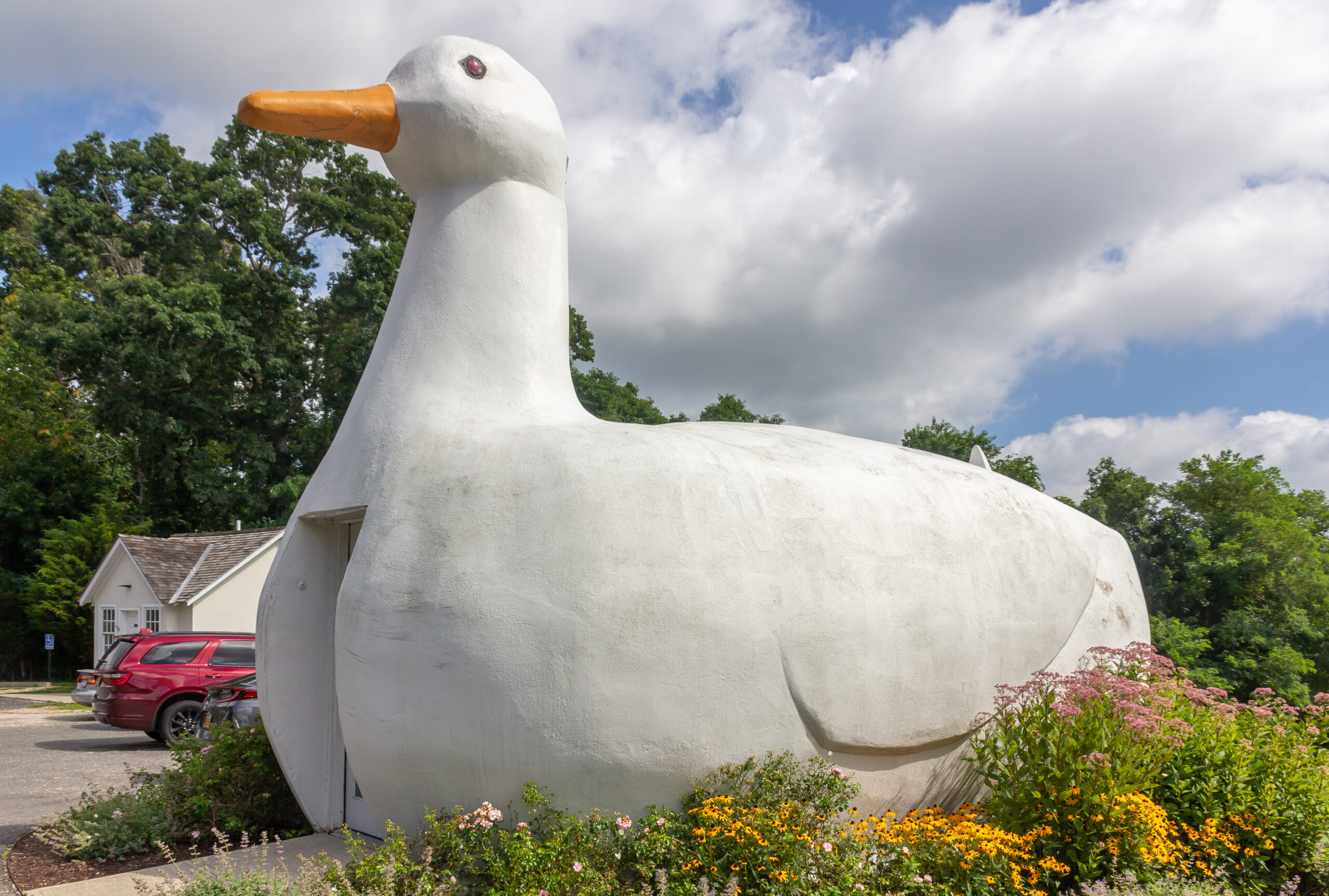
It turns out there is an architectural genre called novelty architecture. The term refers to buildings designed in the literal shape of an object or recognizable figure.
The main purpose of this style is to attract attention. That is why novelty architecture became especially popular in the United States between the 1920s and the 1960s, when road trips, roadside diners, motels, and gas stations were rapidly expanding. Many of these eye-catching buildings were constructed along major highways to draw in passing drivers.
For example, on Long Island, on the way to the famous Hamptons, you can stop to see a duck-shaped building appropriately named The Big Duck.
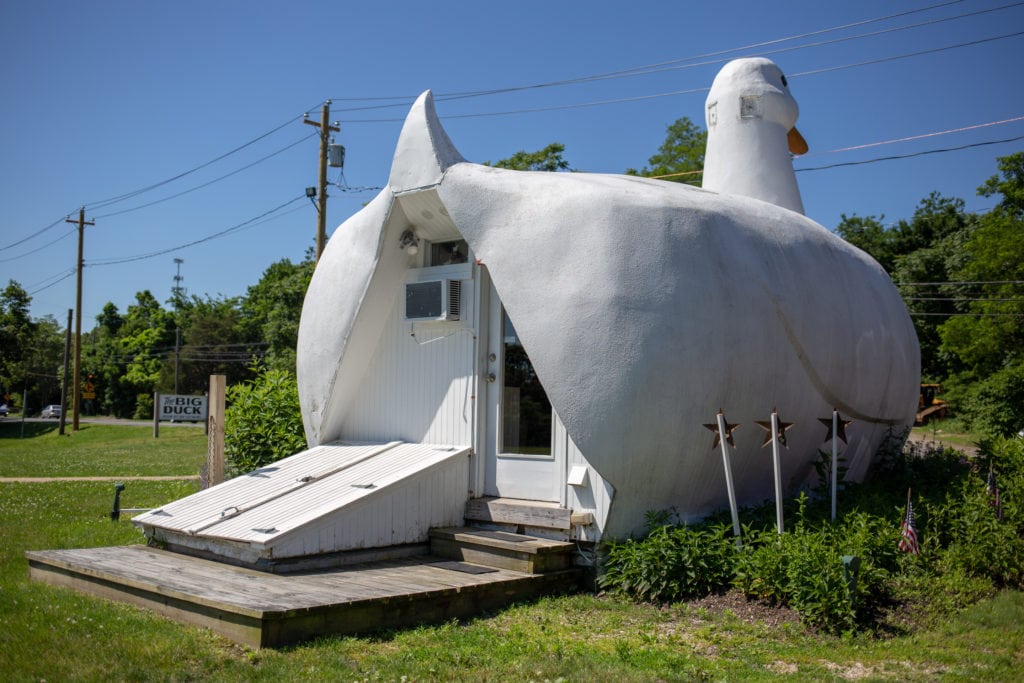
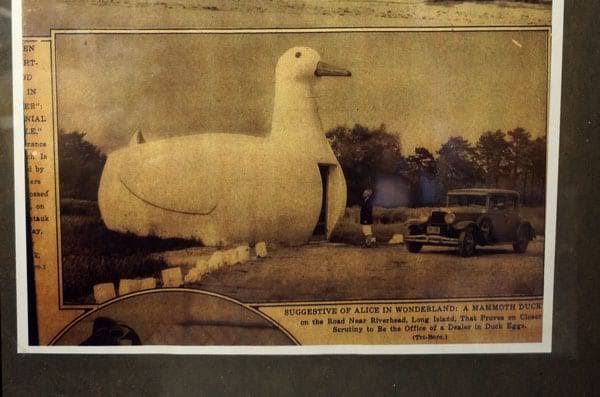
In 1931, farmer Martin Maurer and his wife decided to build a store where they could sell the Pekin ducks and duck eggs they raised. Instead of constructing a traditional shop, they created a building in the shape of the very product they were selling — a giant duck.
The builders used a live duck as their model, and to better understand its anatomy, they studied the skeleton of a butchered chicken. They first built a wooden frame, then covered it with metal mesh and several layers of concrete.
Construction cost approximately $3,800, which was a considerable amount of money in 1931. The finished building measured about 30 feet (9 meters) long, 16 feet (5 meters) wide, and 20 feet (6 meters) high. The interior, however, was quite small, measuring only about 11.5 by 15 feet (3.5 by 4.6 meters).
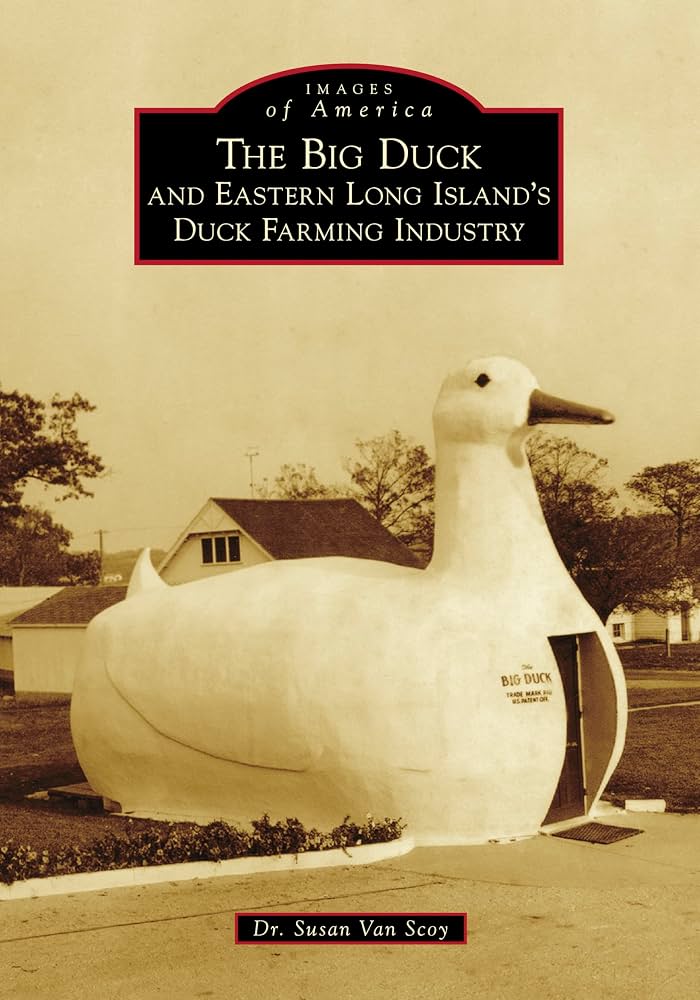
The store remained in operation until 1984. In 1988, Suffolk County purchased The Big Duck, helping preserve the unusual landmark. In 1997, it was added to the National Register of Historic Places. Today, the building houses a small museum and gift shop dedicated to the history of Long Island duck farming and the region’s roadside automobile culture.
Save the address in case you happen to be passing by:
📍The Big Duck / 1012 NY-24, Flanders, NY 11901