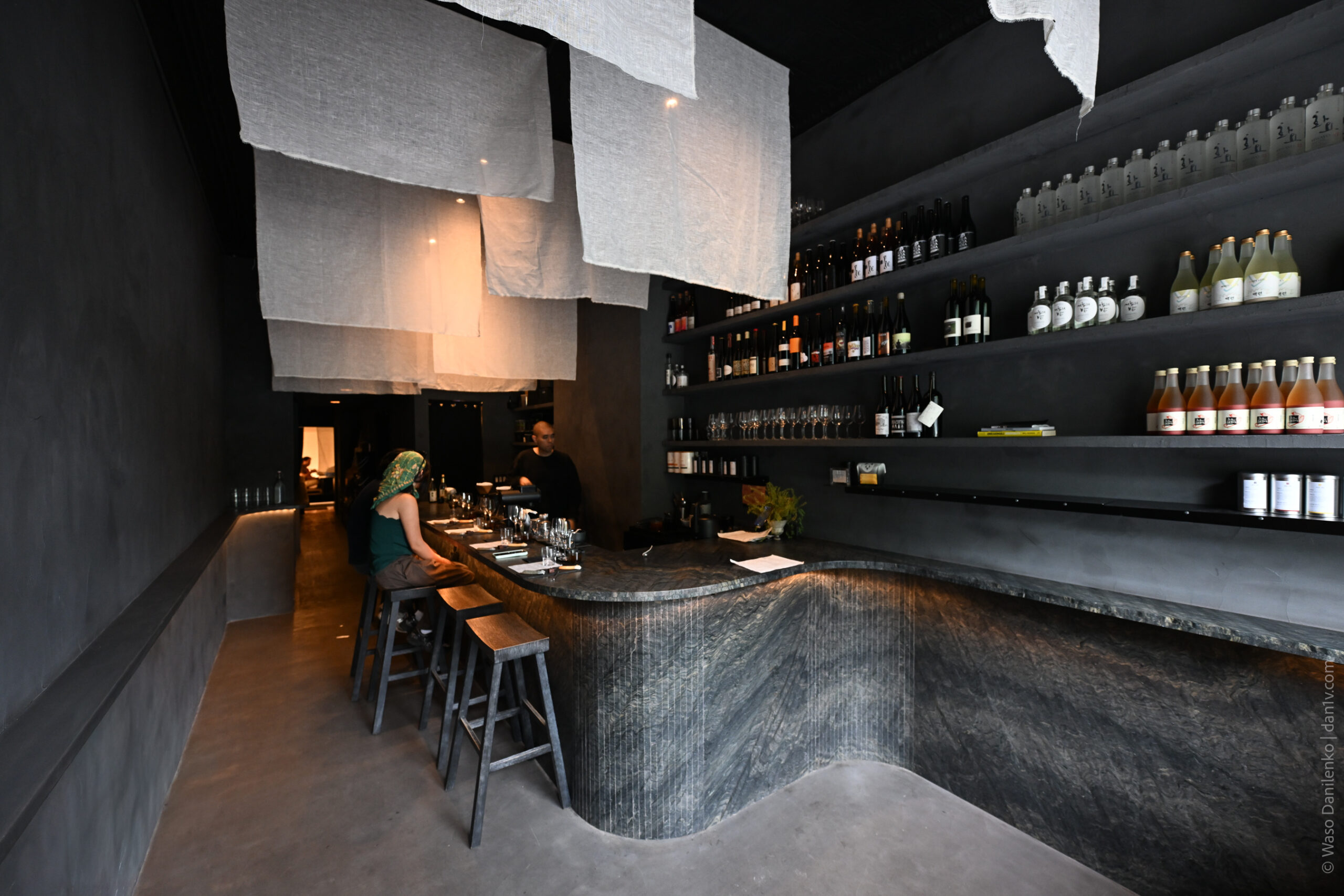
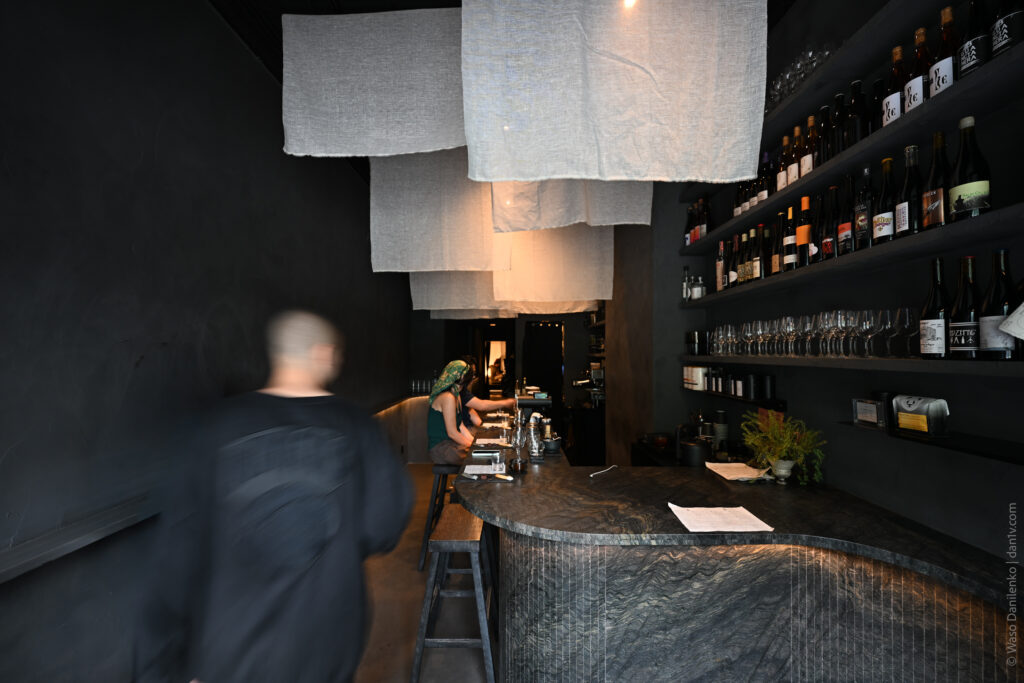
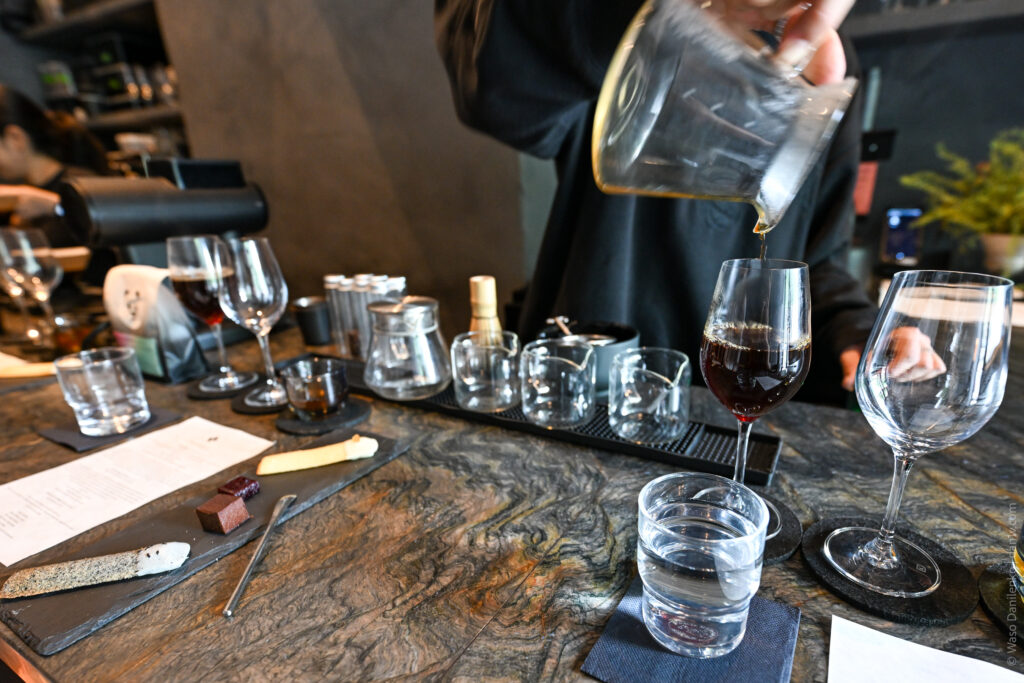
Tera NYC is a tiny spot on the Lower East Side serving coffee in the omakase style: a three-cup tasting menu, served at an eight-seat counter and strictly by reservation. By day, it’s arguably the slowest and quietest coffee bar in New York City; by night, it’s a Korean bar serving natural wine and traditional liquor, sool. And all this fits into the space of a two-bedroom apartment in a tenement building — where other coffee shops have lines for takeout.
Key Facts about Tera NYC
- Opened in November 2025 at 41 Essex Street, on the border of the Lower East Side and Chinatown. Founder David Wynn was born in Los Angeles and lived in Seoul until he was 12. His business partner and interior designer is Los Angeles architect Matt Royce.
- Coffee omakase is held on weekends at an eight-seat counter; reservations are available through Resy. Classic sets are $45, three-gesh sets are $55, and a cocktail omakase is also available for $65.
- They specialize in co-fermented coffee: beans fermented with fruit. The cup contains watermelon or passion fruit aroma, without any added flavoring.
- At the back of the room is a tatami-mat room with three tables, also known as a listening room: tea sets are available for $45 with Korean teas from Jeju Island and Hadong County. Around 5 p.m., the coffee shop transforms into a bar without a break or shift change: sul (soju, makgeolli, cheongju), natural wine, and Korean anju snacks.
- Pastry chef Janice Sung is responsible for the baked goods; the signature dish is financier, including those with seaweed and yuja (Korean yuzu).
- There are no disposable cups here — there’s simply no room to store them in this space.
- Before Tera, Rabbit House, a Japanese omakase bar, operated at 41 Essex. The address changed the cuisine, but not the genre.
What Is Coffee Omakase at Tera NYC?
Omakase is a Japanese word that translates to “I leave it up to you” or “I trust you.” In sushi restaurants, it means the guest does not choose anything — the chef decides what to serve and in what order. Over the past few years, the concept has expanded far beyond sushi. Today, you can find meat, dessert, and, as it turns out, coffee omakase experiences.
The idea of coffee omakase was perfected in Tokyo. The best-known example is Koffee Mameya, where baristas in white lab coats guide guests through a curated tasting of several coffees, much like a sommelier leading a vertical wine tasting. Despite New York City’s enormous coffee scene, this niche remained surprisingly empty for years until Tera stepped in with almost no direct competition. Tellingly, many of the café’s first visitors immediately compared Tera to Tokyo’s Mameya rather than to neighboring coffee shops.
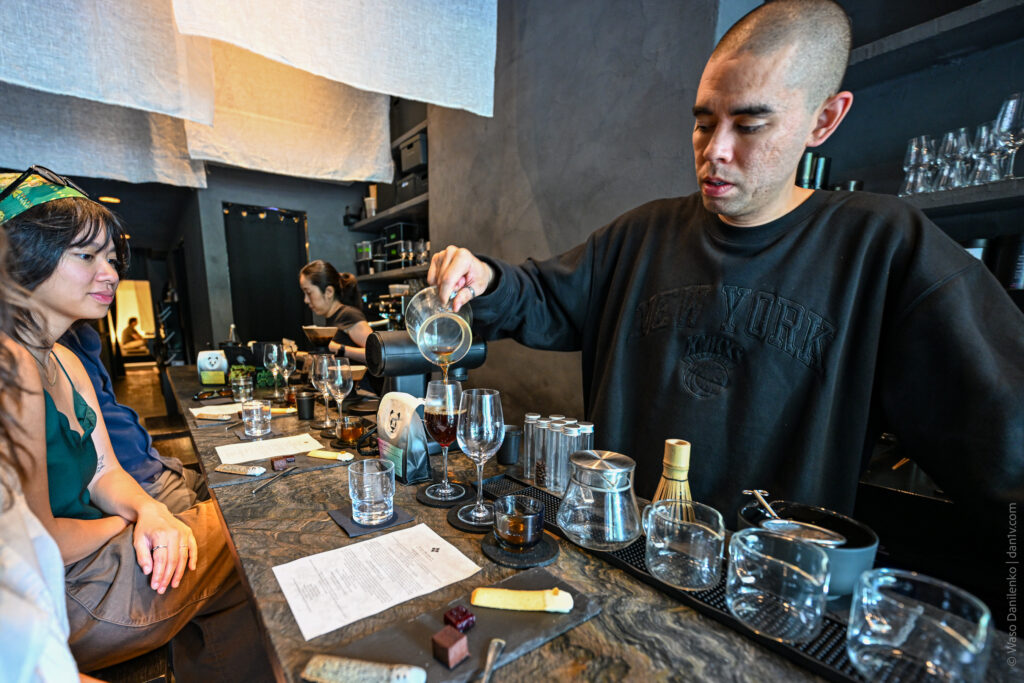
The concept is simple: the barista prepares a three-coffee tasting course one cup at a time, explaining the origin, processing method, and flavor profile of each bean. The café focuses exclusively on pour-over and other manual brewing methods. The only exception is the cortado — a drink made with equal parts espresso and steamed milk.
How Tera NYC’s Coffee Omakase Works
Coffee omakase at Tera NYC takes place on weekends at the café’s counter, with seating limited to just eight guests per session. Reservations are required. Sessions usually begin in the morning, around 11:00 a.m., although the schedule at this relatively new café is still changing, so it is worth checking the latest availability before your visit.
There are three tasting formats:
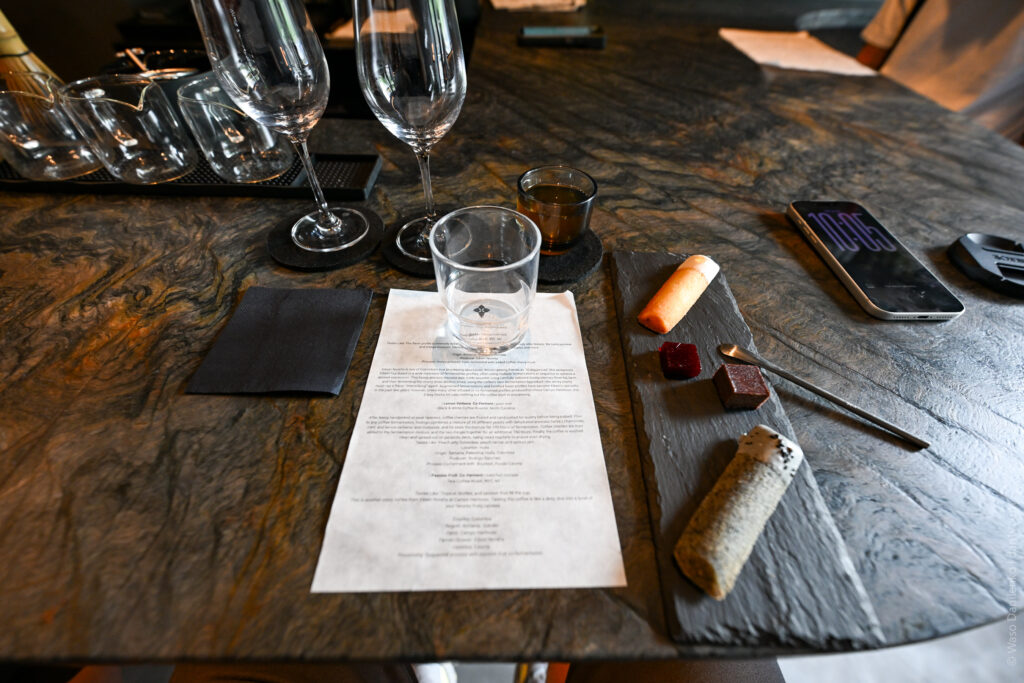
- Classic Omakase — $45. This three-course experience includes a pour-over Geisha, a co-fermented pour-over coffee, and a cortado made with co-fermented espresso. Each drink is paired with a seasonal financier.
- Geisha Omakase — $55. Guests taste three different Geisha coffees in succession, each accompanied by its own financier. It is a rare opportunity to compare one of the world’s most prized and delicate Arabica varieties side by side.
- Cocktail Omakase — $65. A tasting of three seasonal coffee cocktails, each paired with a financier.
The financiers are far more than a side accompaniment — they are an essential part of the experience. These small French almond cakes are made with beurre noisette, browned butter cooked until it develops a rich, nutty flavor. They are baked by pastry chef Janice Son in a kitchen measuring just six meters long and, according to the local press, barely wider than a New York City subway bench.
The flavors change with the seasons and often go well beyond traditional pastry. Alongside classic versions, guests may find financiers flavored with seaweed for a savory twist or with yuzu. Outside the omakase experience, they are sold separately in pairs for $8.
Geisha (also spelled Gesha) is a rare variety of Arabica coffee that originated in Ethiopia’s Gori Gesha forest. It rose to international fame in 2004 when a lot from Panama’s Hacienda La Esmeralda won the Best of Panama competition by a wide margin and set a record auction price. Since then, Geisha has become synonymous with the highest tier of specialty coffee, known for its jasmine-like aroma, bergamot notes, tea-like body, and prices that can surprise even seasoned New York coffee enthusiasts. Against that backdrop, a tasting of three different Geisha coffees for $55 is considered remarkably good value.
Co-Fermentation: Tera NYC’s Signature Specialty
Co-fermented coffee is the defining specialty at Tera NYC, and the café’s entire coffee program is built around it. In a traditional coffee fermentation process, the coffee cherries ferment on their own after harvesting. With co-fermentation, however, fruits, fruit juices, or carefully selected yeast cultures are added to the fermentation tank. During this process, aromatic compounds become integrated into the coffee beans, resulting in a cup with vivid notes of watermelon, passion fruit, strawberry, or other fruits — without the use of any artificial flavorings.
One of Tera NYC’s signature drinks is its Watermelon Cortado, which has quickly become a customer favorite.
Tera does not roast its own coffee. Instead, it sources beans from small, experimental specialty roasters, and the selection rotates frequently. The name guests mention most often is California-based Hydrangea Coffee Roasters, although coffees from Ondo also appear regularly on the menu.
Founded in Berkeley, California, in 2024 by coffee enthusiasts Bill and Shuxin, Hydrangea Coffee Roasters specializes in light roasts with vibrant fruit-forward flavor profiles. The company focuses on coffees where processing methods — particularly experimental fermentation techniques — play a central role in shaping the final cup. In just a few years, Hydrangea has earned a cult following among specialty coffee enthusiasts.
Tera NYC: A Small Space with a Story
Founder David Winn opened Tera more than 3,000 kilometers from home. Originally from Los Angeles, he drew on memories of his childhood in Seoul, where he lived until the age of 12, to shape the café’s Korean influences. The space at 41 Essex Street is roughly the size of a modest two-bedroom apartment in a classic Lower East Side tenement, and its limited footprint has influenced nearly every aspect of the business. Even the kitchen is essentially a narrow corridor — about six meters long and only as wide as a New York City subway bench.
That constraint led to one of Tera’s most distinctive policies: the café does not use disposable cups, lids, or straws at all. While it may sound like an environmental statement, the decision is primarily practical—there is simply no room to store single-use supplies. It is a rare example of Manhattan’s notoriously limited real estate reinforcing a business concept rather than working against it.
The name Tera is inspired by the dark, earthy tones and textured finishes of the walls and ceiling, referencing “terra”, the Latin word for “earth.” The interior was designed by Winn’s business partner, architect Matt Royce, who remained based in Los Angeles. Seating is intentionally intimate, with just six counter seats and two more by the window.
Before Tera opened, the address was home to Rabbit House, an intimate bar operated by chef Yoshiko Sakuma that specialized in contemporary Japanese cuisine, six-course omakase dinners, and sake. Rabbit House had relocated there from nearby Forsyth Street and later shared the space with the sushi concept Storage Room Sushi. In a way, the tradition of omakase at 41 Essex Street never disappeared — it simply evolved from sushi to coffee, with the tasting format remaining while the subject of the experience changed.
The Tatami Room at Tera NYC
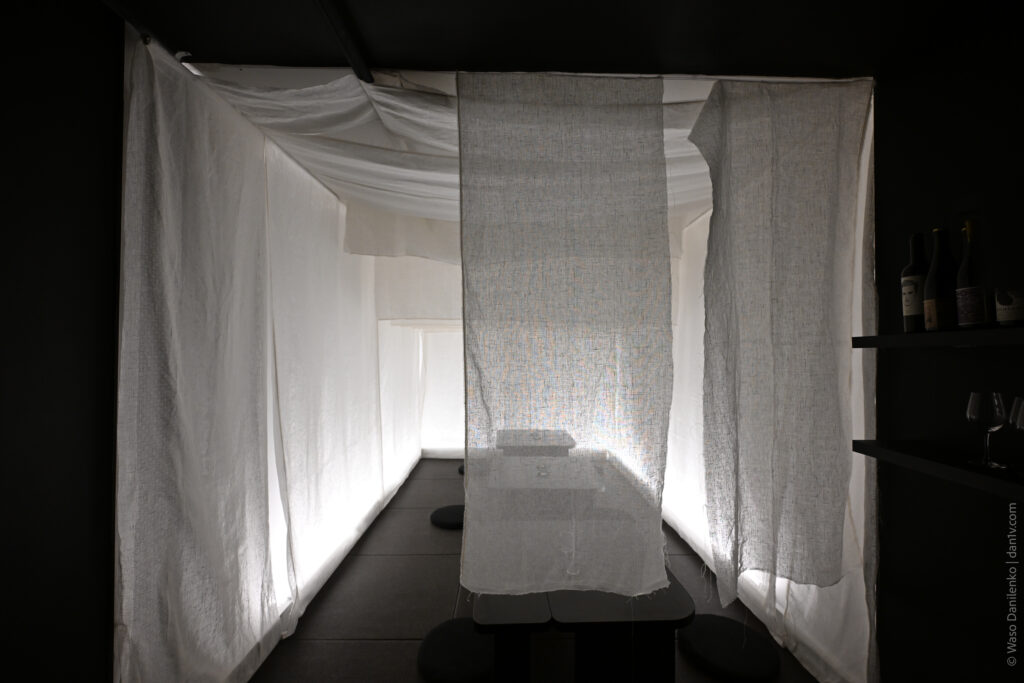
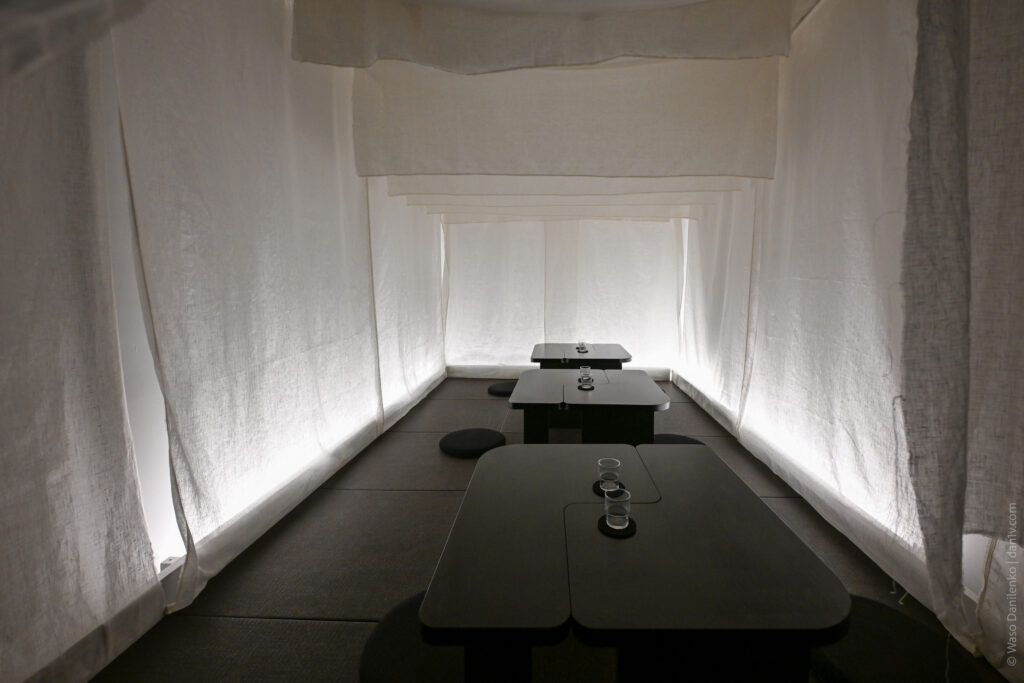
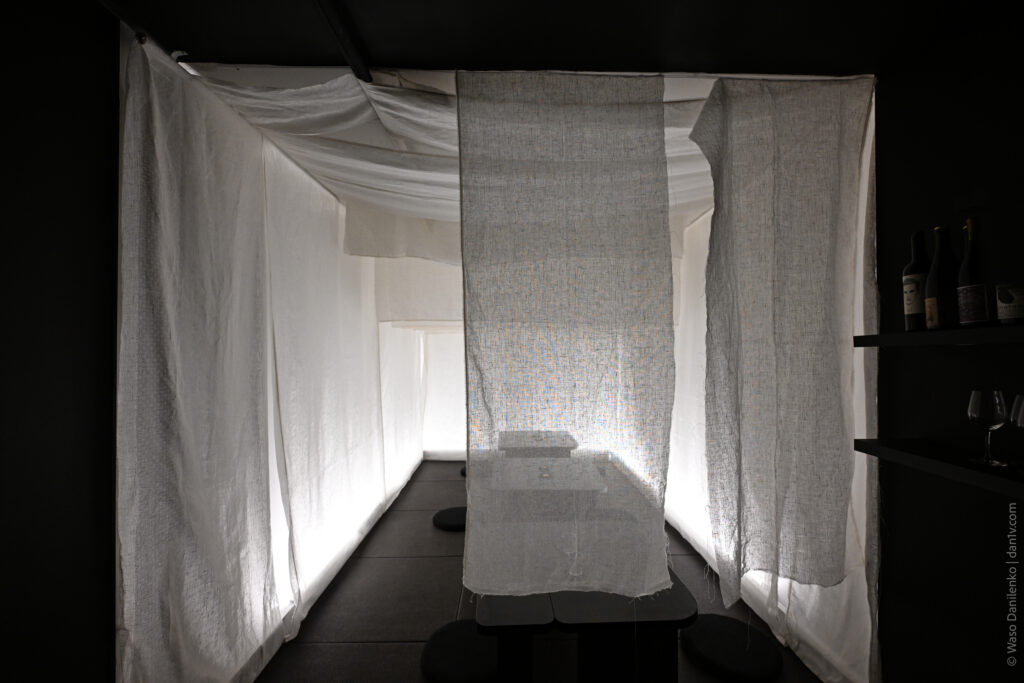
Tucked away at the back of the café is Tera’s most distinctive architectural feature: a raised tatami platform with three low tables, each accommodating two to four guests. Officially, it is a tea room, but in practice it functions as a listening room. Directional speakers, a subwoofer concealed beneath the platform, in-wall audio systems, and a lighting installation inspired by the work of Isamu Noguchi create an immersive, contemplative atmosphere.
Guests remove their shoes before stepping onto the platform, and, in a thoughtful touch, the café even provides deodorizing spray for socks — an attention to detail that is surprisingly uncommon in New York City.
On weekends, the tatami room hosts tea tastings priced at $45. Each set features loose-leaf teas sourced from Jeju Island and Hadong County, South Korea’s most celebrated tea-growing region. Guests choose a teapot from the menu, which is served alongside a selection of house-made dagwa, traditional Korean tea sweets. The assortment includes three financiers, pâte de fruit, mugwort fudge, Korean-style dried persimmon, chestnuts, homemade sweet-and-spicy candied nuts, and candied yuzu peel.
The rules are intentionally simple to preserve the atmosphere: one tea set per table, one beverage per guest, and a request to keep conversations quiet. The tatami room can also be reserved for private use for up to one hour, accommodating groups of as many as 12 people.
Tera NYC After 5:00 p.m.: Sul, Anju, and Natural Wine
Around 5:00 p.m., Tera transitions from a specialty coffee bar into an intimate evening dining and drinking destination. Dinner service runs from Wednesday through Sunday, 5:30 p.m. to 11:00 p.m.
The beverage program centers on two specialties. The first is sul, the Korean umbrella term for alcoholic beverages. The rotating selection includes craft soju, makgeolli, cheongju, and less common traditional styles such as takju and yakju. The second focuses on natural wines, sourced from a small group of artisanal importers, with the list changing regularly.
The drinks are paired with an anju menu — Korean dishes specifically designed to accompany alcohol. Highlights include kimchi chips served with yuzu-pepper guacamole, jeon (savory Korean pancakes) with shrimp or pork, rice topped with abalone and oyster mushrooms and presented in an abalone shell, and a hot noodle soup made with delicate somen, gamtae seaweed, and marinated shimeji mushrooms.
In the evening, the tatami room also offers a sot-bap tasting set centered around heirloom Korean rice cooked in a traditional sot cast-iron pot. Guests can choose from accompaniments such as salmon glazed with garlic and honey, mushrooms with abalone, or Wagyu bulgogi.
The evening concept appears to be every bit as successful as the café’s coffee program. Just two months after opening, in January 2026, Eater New York included Tera’s anju dishes in its roundup of the city’s standout restaurant offerings.
The café is located on Essex Street, an area once known as Pickle Alley. In the early twentieth century, this stretch of the Lower East Side was the heart of New York’s Jewish pickle trade, where dozens of shops and street vendors sold pickles directly from wooden barrels. A reminder of that history still survives just around the corner on Grand Street, where The Pickle Guys continues the neighborhood’s long-standing pickling tradition.
Visitors’ Information
📍TERA NYC / 41 Essex St, New York, NY 10002
Website: tera.nyc