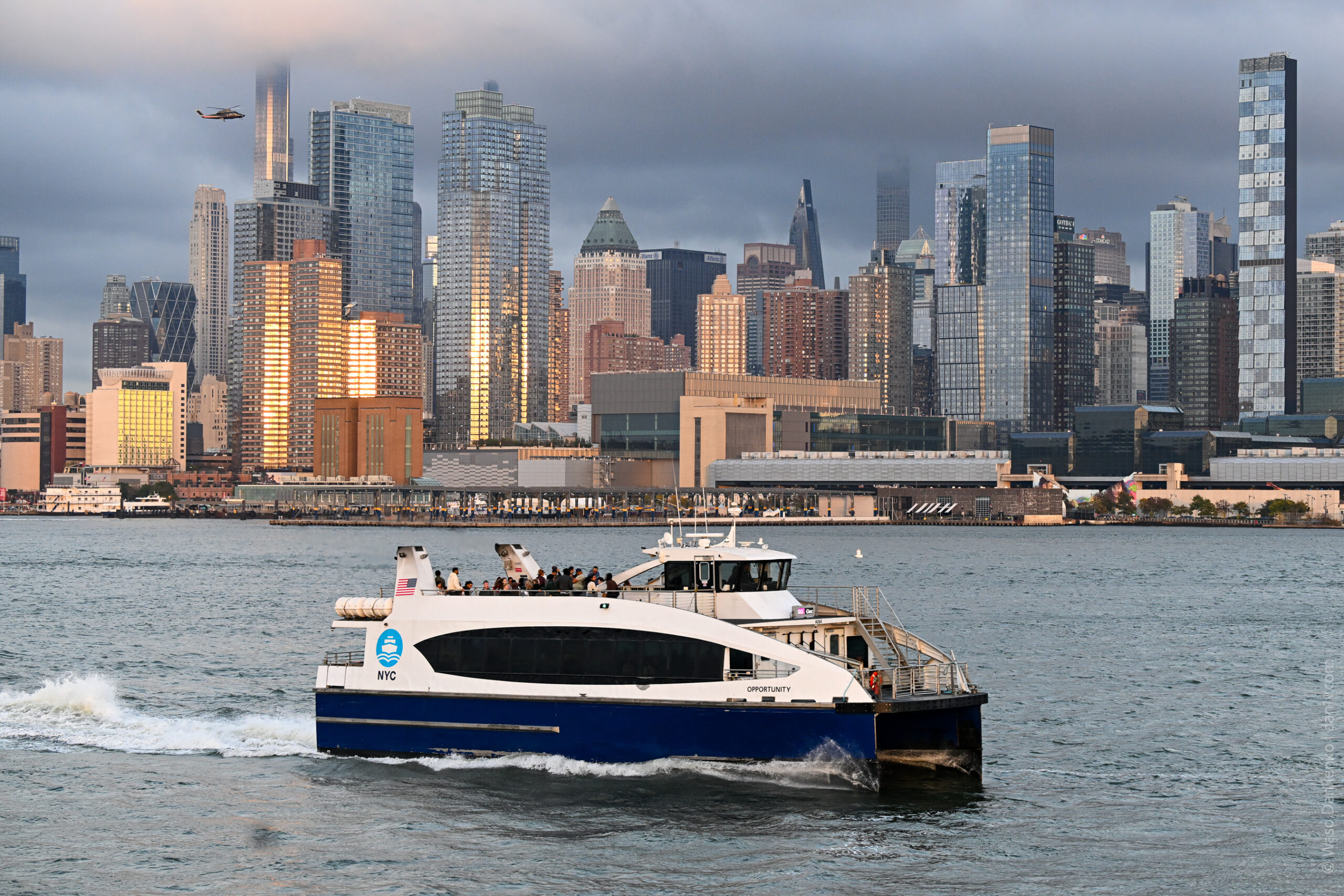
It seems to me that there is only one form of public transportation in New York City that everyone genuinely loves. As you have probably guessed, it is NYC Ferry.
It would seem logical that a city where 85% of the population lives exclusively on islands would have an excellent ferry network. I assumed it had existed throughout the city’s entire 400-year history.
However, it turns out that ferries only served as an effective transportation system from 1626 until the end of the nineteenth century. Everything changed in 1883 with the opening of the Brooklyn Bridge. Once people could cross without getting splashed while riding the waves, ferries quickly became less appealing.
At the beginning of the twentieth century, new tunnels were built beneath the rivers surrounding Manhattan, and New York City’s then-new, clean subway system began operating regular service.
As a result, with only a few minor exceptions, New York City did not have a well-developed public ferry system from the end of World War II until roughly the early 2010s.
In 2011, the Citywide Ferry pilot program was launched. By 2017, it had evolved into the regular ferry network that we now know as NYC Ferry.
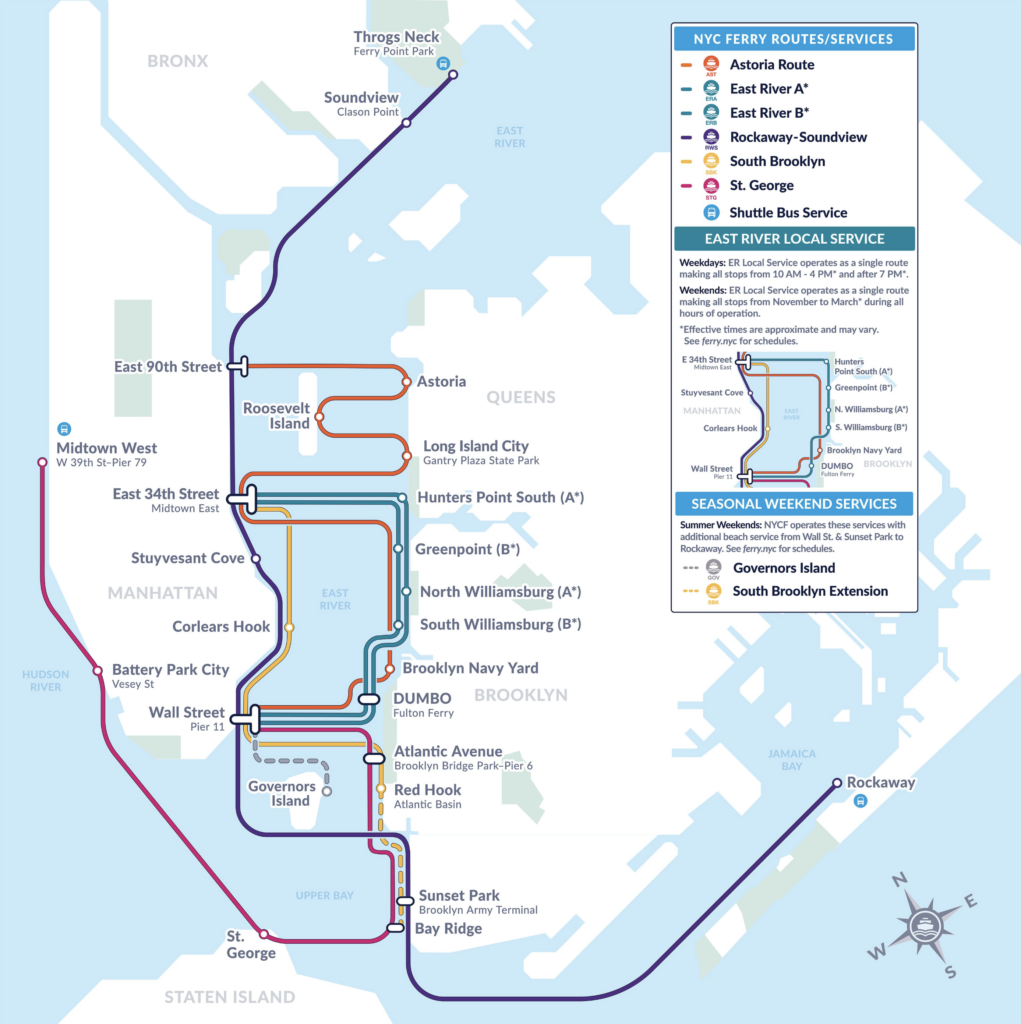
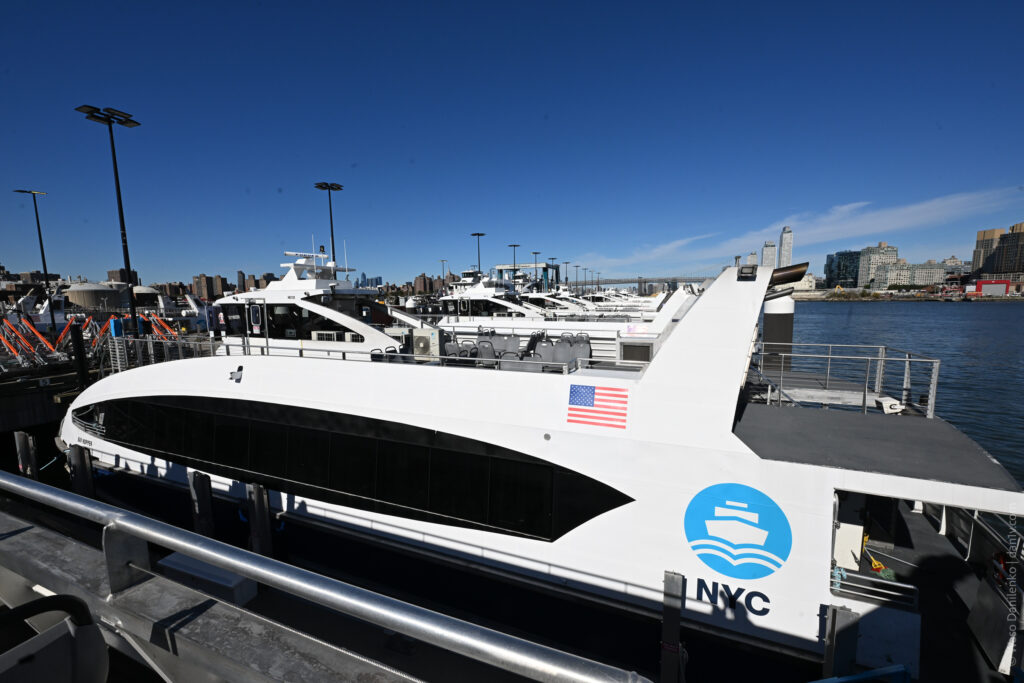
Today, it operates the largest civilian ferry fleet in the United States: 38 aluminum passenger catamarans carrying more than 7 million riders every year. In January 2026, the system welcomed its 50 millionth passenger since the service began.
The network includes six regular routes plus a seasonal route to Governors Island, serving 25 ferry landings across all five boroughs. Altogether, the network stretches approximately 130 kilometers (70 nautical miles).
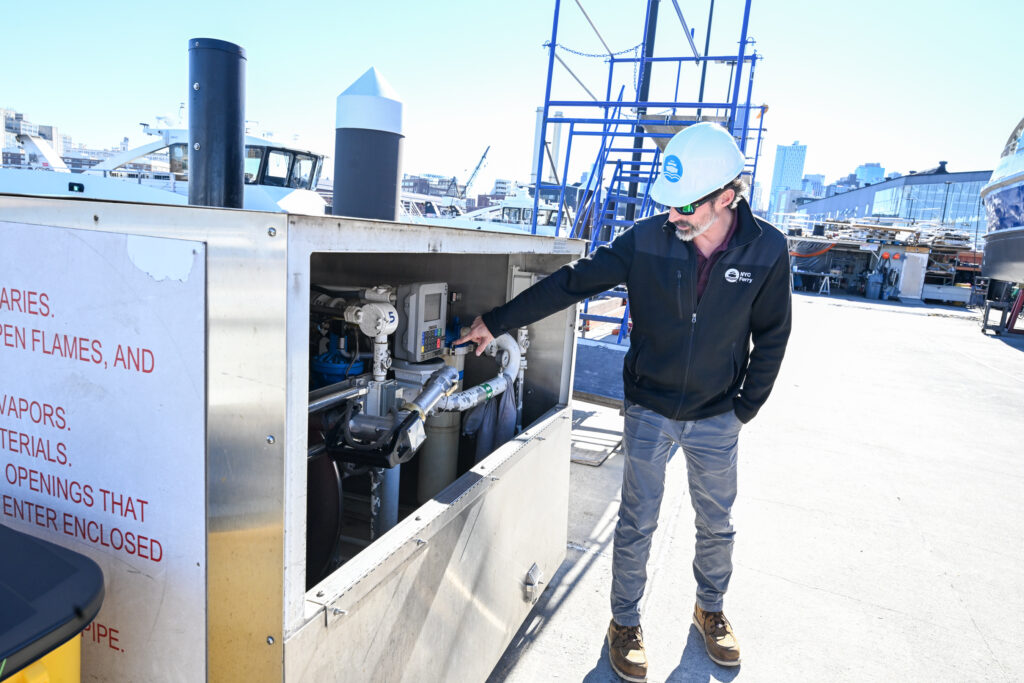
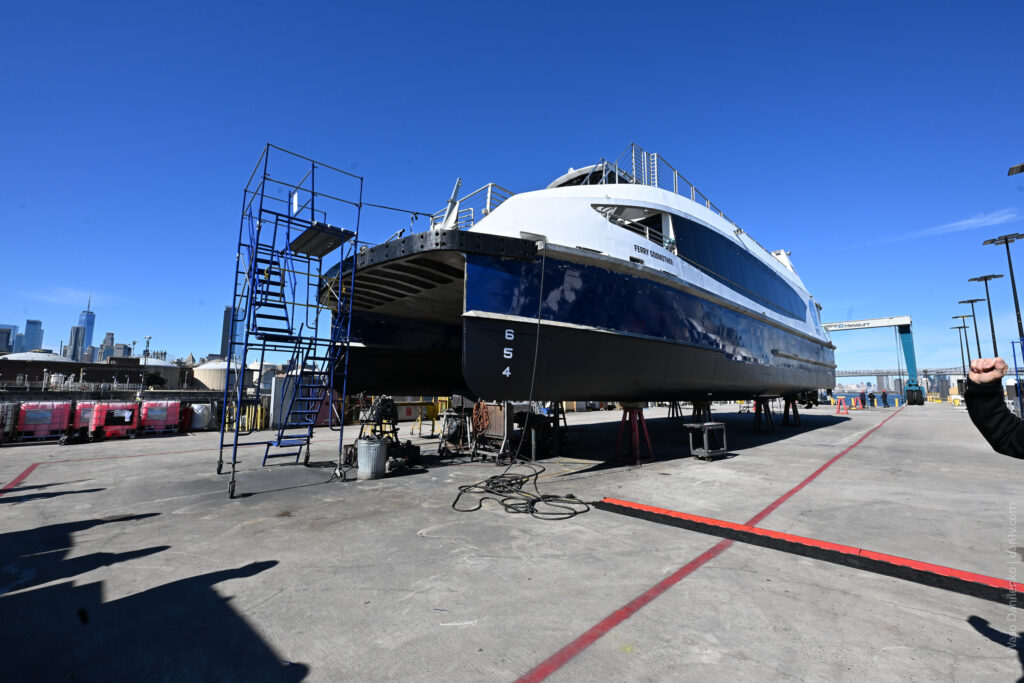
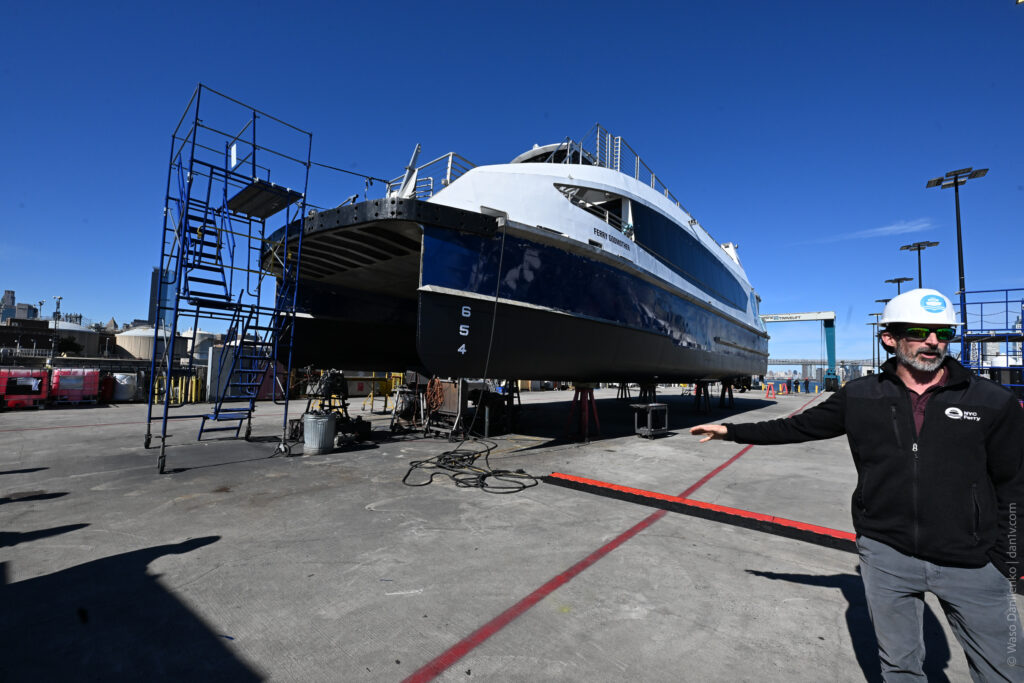
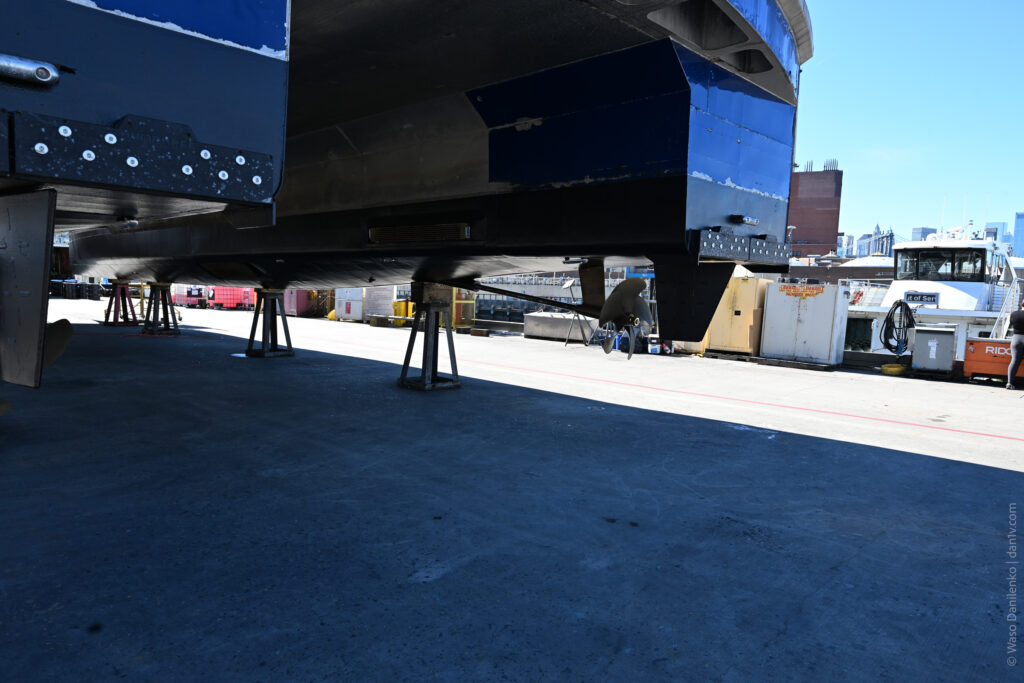
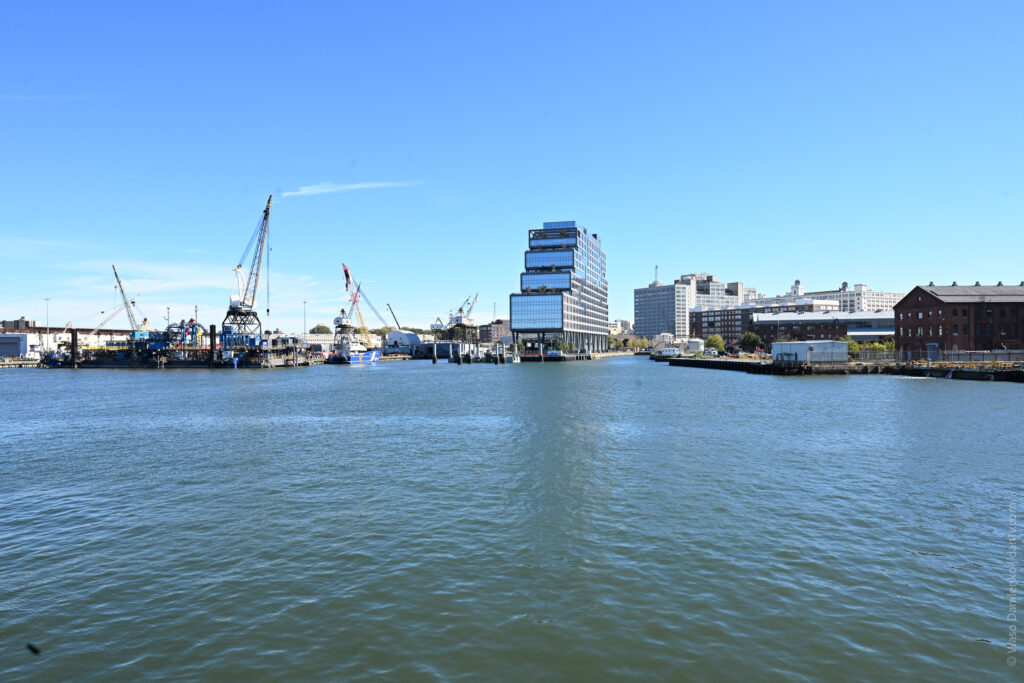
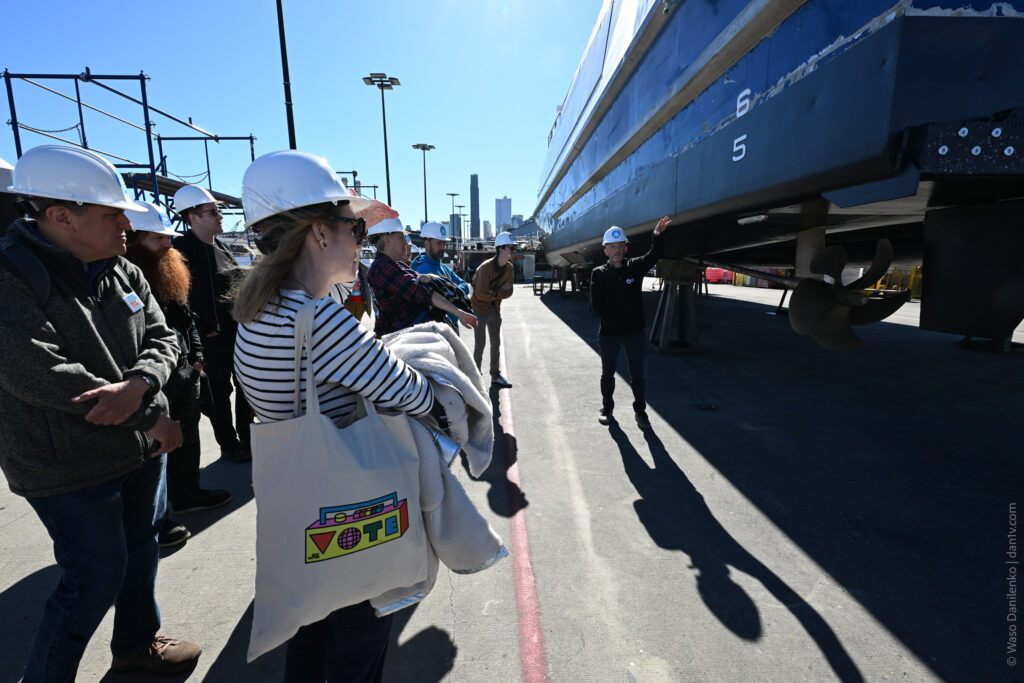
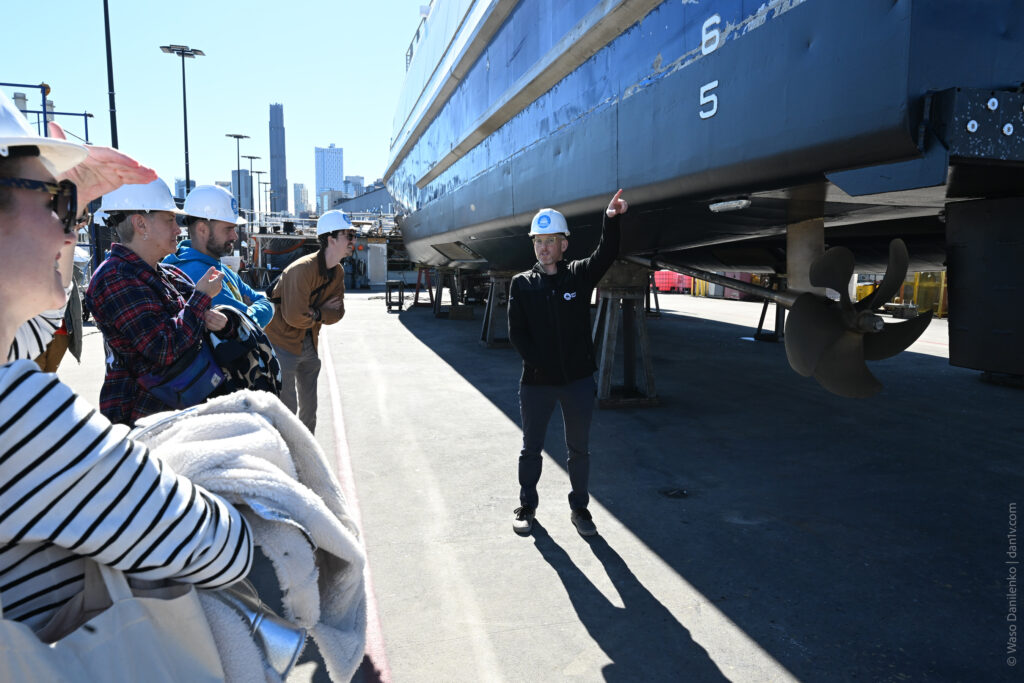
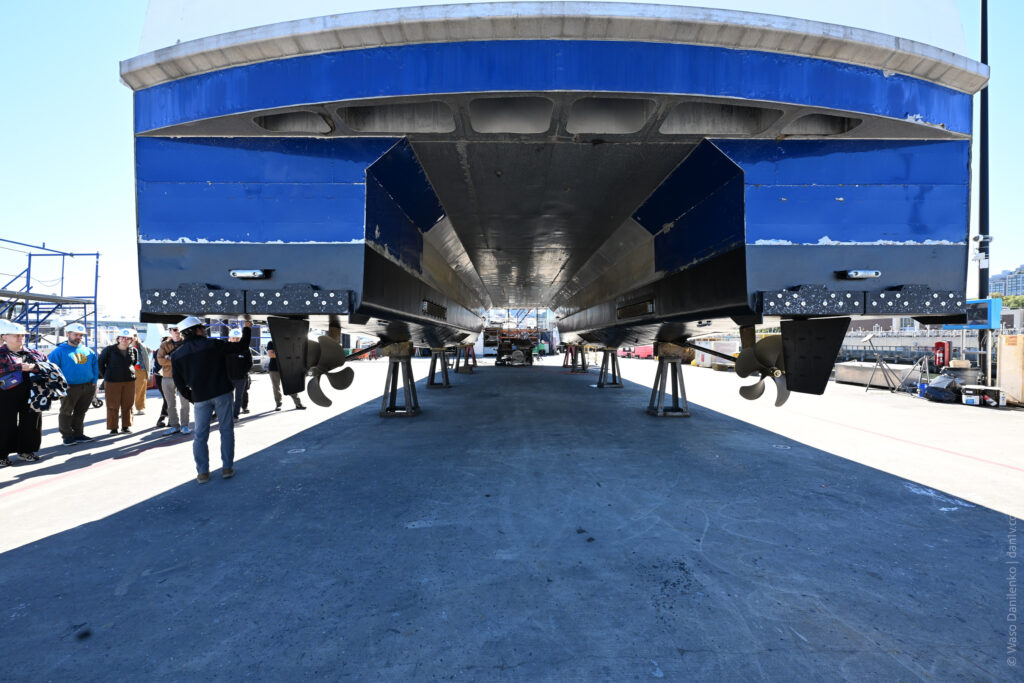
Interestingly, even though the fleet consists of 38 vessels, no more than 26 catamarans are normally in service at the same time. Several vessels are always kept in reserve, while others undergo scheduled maintenance at the home facility located in the Brooklyn Navy Yard.
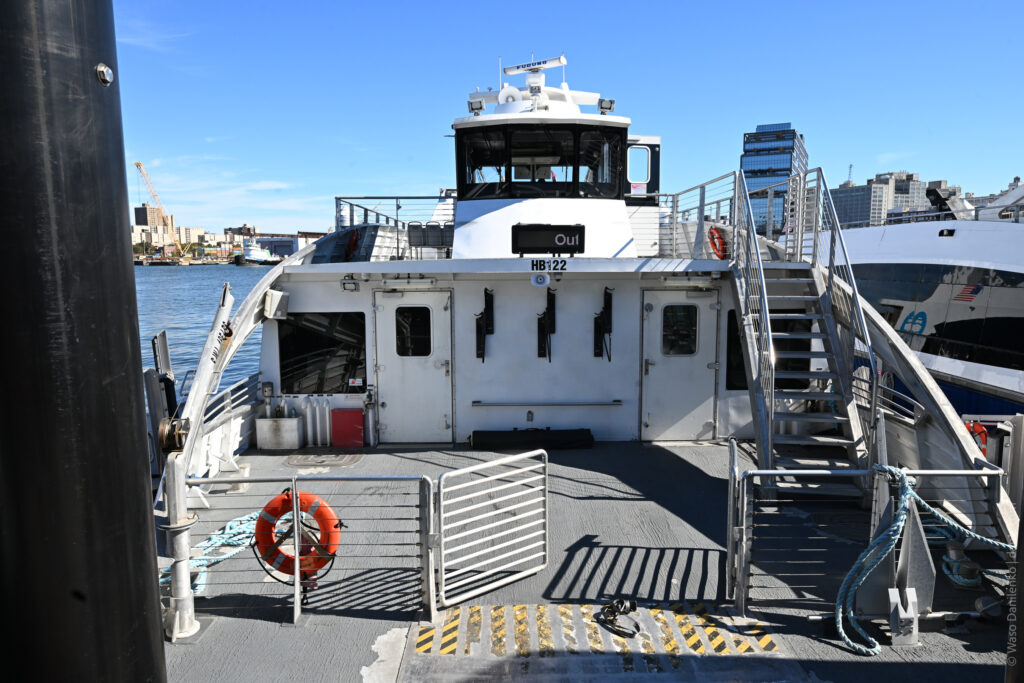
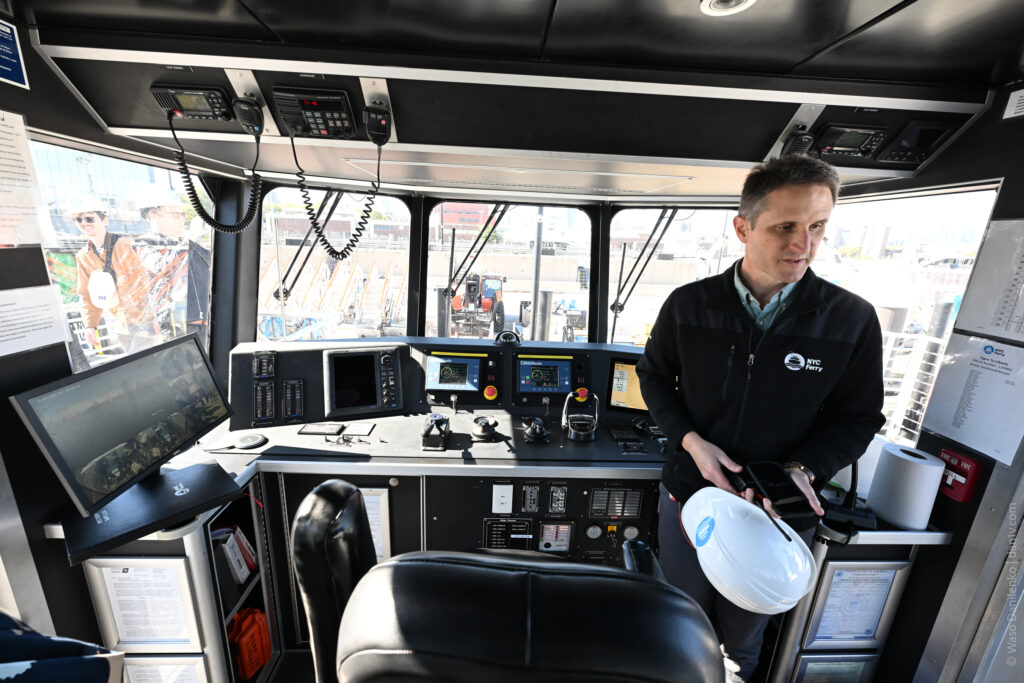
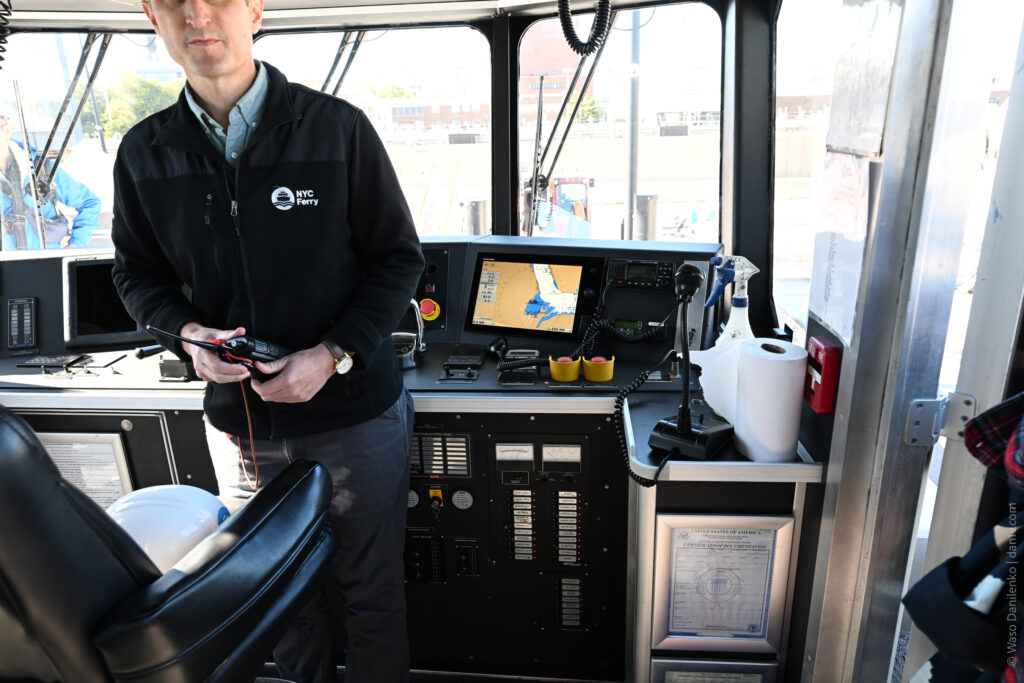
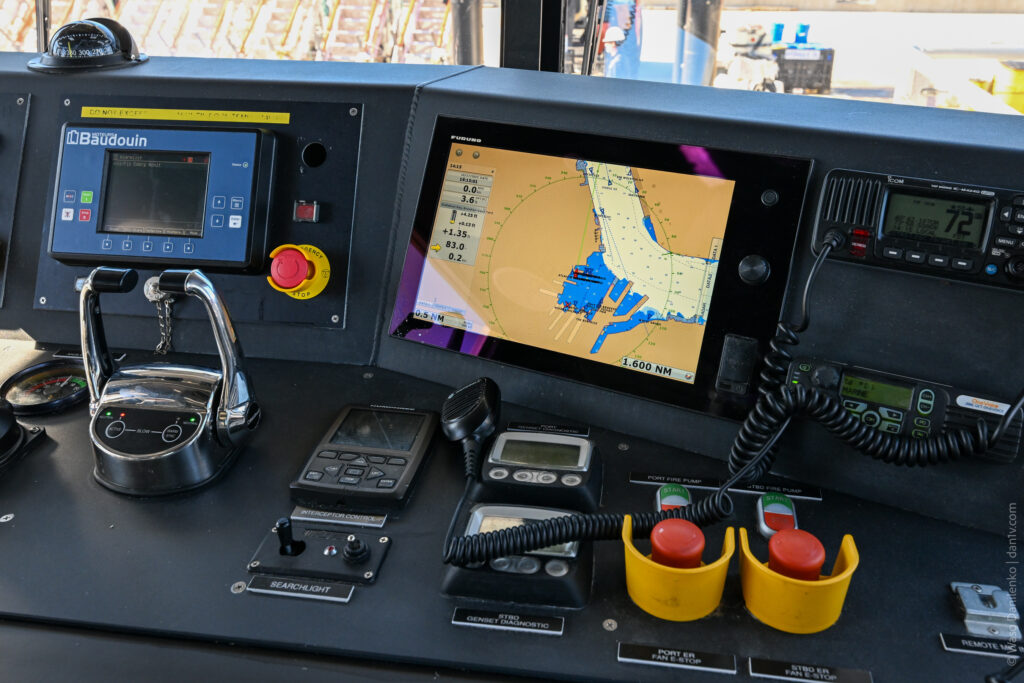
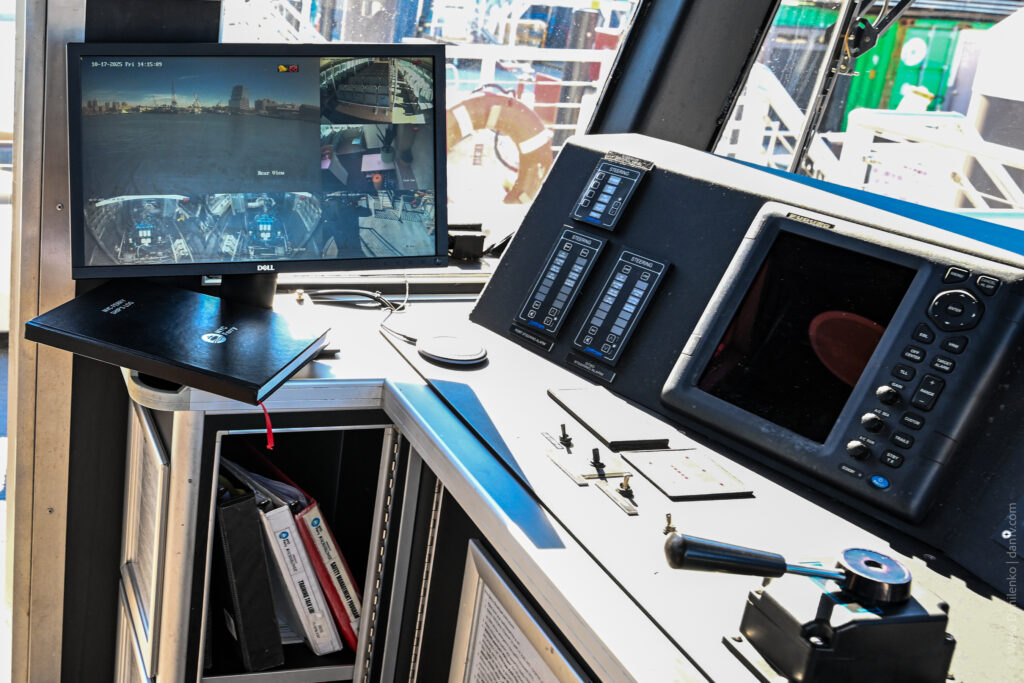
I recently visited that maintenance facility and was surprised to learn that the ferry maintenance dock operates twenty-four hours a day.
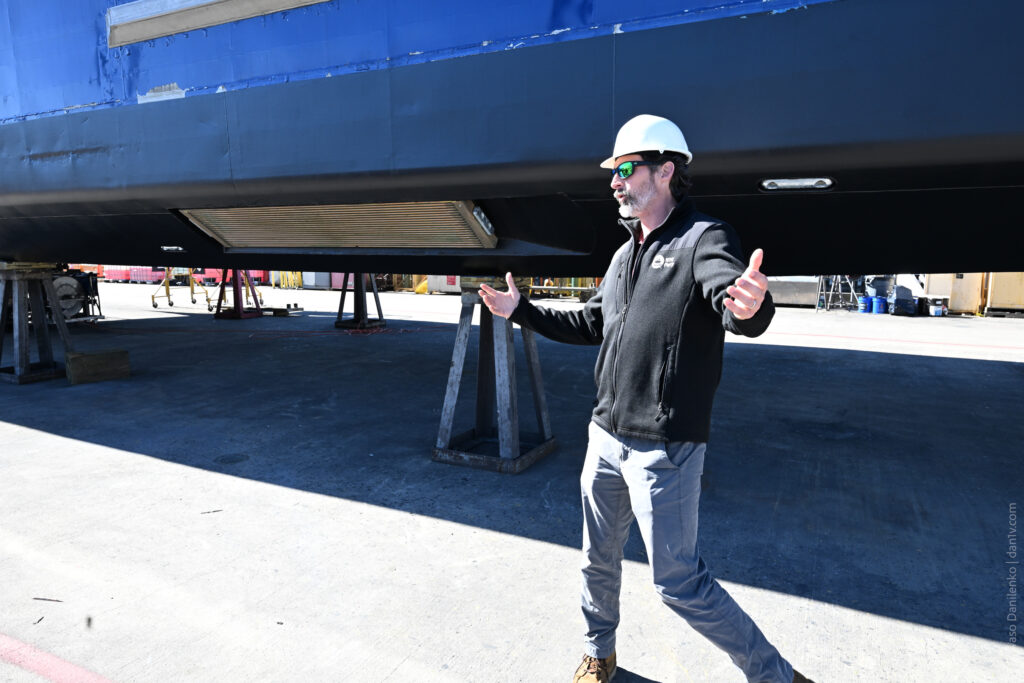
Of course, I had to ask why the city chose catamarans. Besides the expected answer that this type of vessel is safer, I also learned that catamarans produce significantly smaller wakes. That makes navigation safer and more comfortable for all the other vessels sharing the waterways.
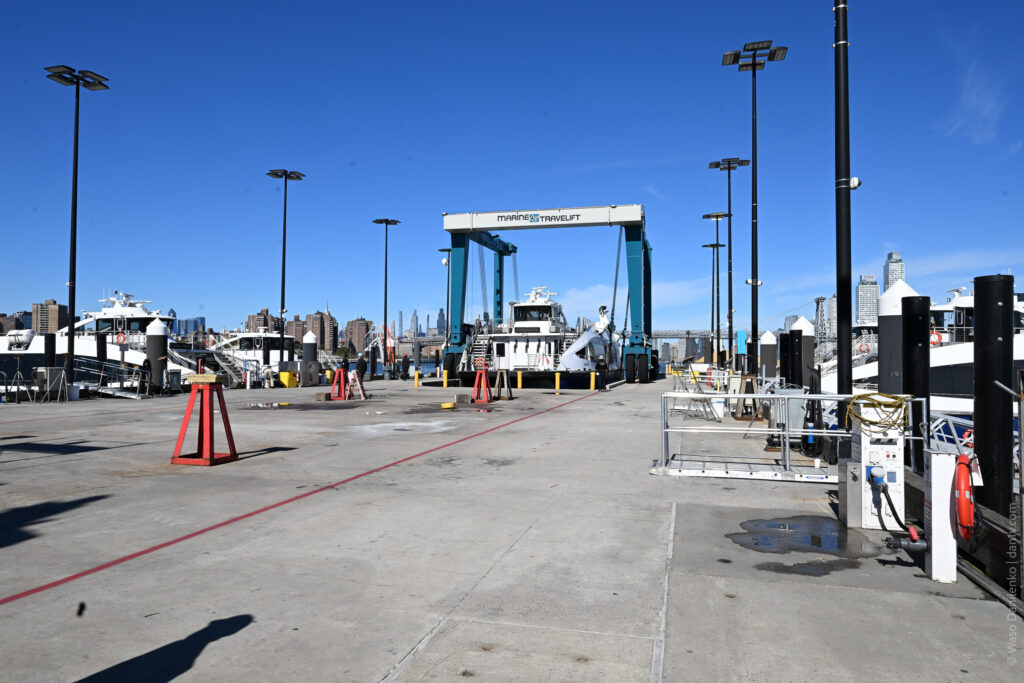
And there are plenty of them. New York City’s rivers are considered one of the busiest waterways in the United States.
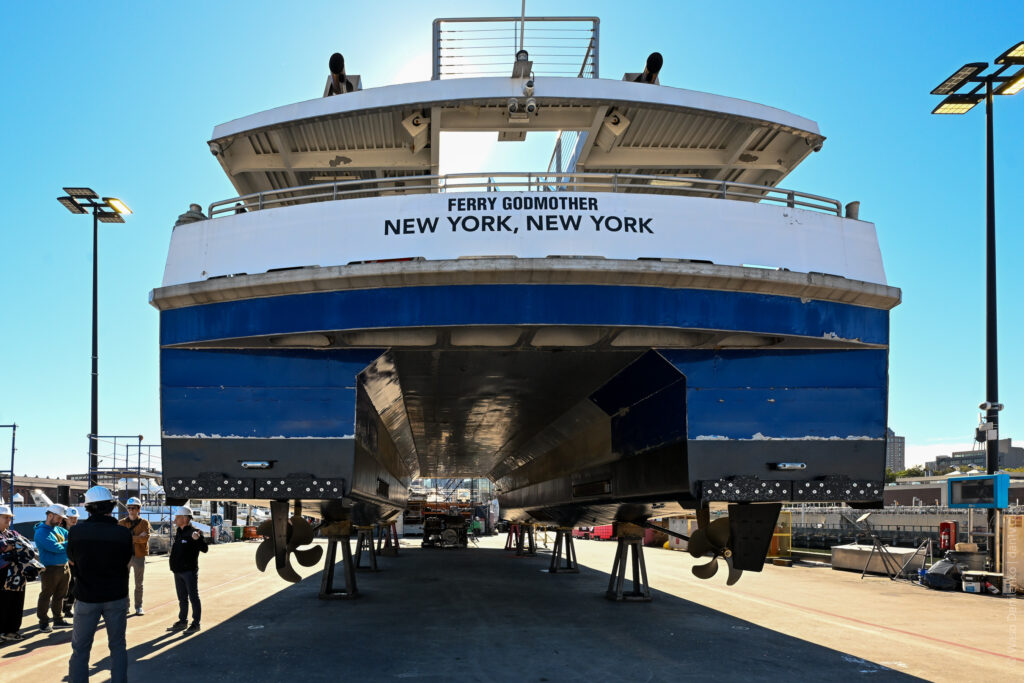
A fun fact: the names of the catamarans were chosen by second-grade students from New York City schools through official citywide competitions. That is how vessels with names such as Lunchbox, McShiny, Friendship Express, Waves of Wonder, Happy Hauler, and Seas the Day joined the fleet. The vessel The Ocean Queen Rockstar was named by students from Public School 197 in Far Rockaway, and the 350-passenger ferry now serves their own route. At the time, Deputy Mayor Alicia Glen said that the children who came up with the name “Ocean Queen Rockstar” perfectly captured why she loves New York City.
Even with a fare of $4.50, riding the ferry is worth it for the views alone.
Editor’s tip: Take the Rockaway route from Pier 11 for a one-hour journey featuring views of the Statue of Liberty, passage beneath the Verrazzano-Narrows Bridge, and a finish at the Atlantic Ocean, all for only slightly more than the cost of a subway ride. At sunset, the East River route is just as spectacular, with views of the bridges, DUMBO, and the Manhattan skyline from the water. Bring an extra layer of clothing even during the summer. At 25 knots, the upper deck can feel surprisingly chilly.
On board: free Wi-Fi, power outlets and USB charging ports, restrooms, and a snack bar serving coffee, snacks, as well as beer and wine, which feels almost rebellious for New York City public transportation.
Operating hours: approximately 6:00 AM to 10:30 PM, depending on the route and season.
The latest schedules and route map are available at ferry.nyc.
This story and these photographs would not have been possible without the wonderful Open House New York festival. My heartfelt thanks to the organizers and the entire OHNY team for giving us such an incredible opportunity to explore our city—the greatest city on Earth!