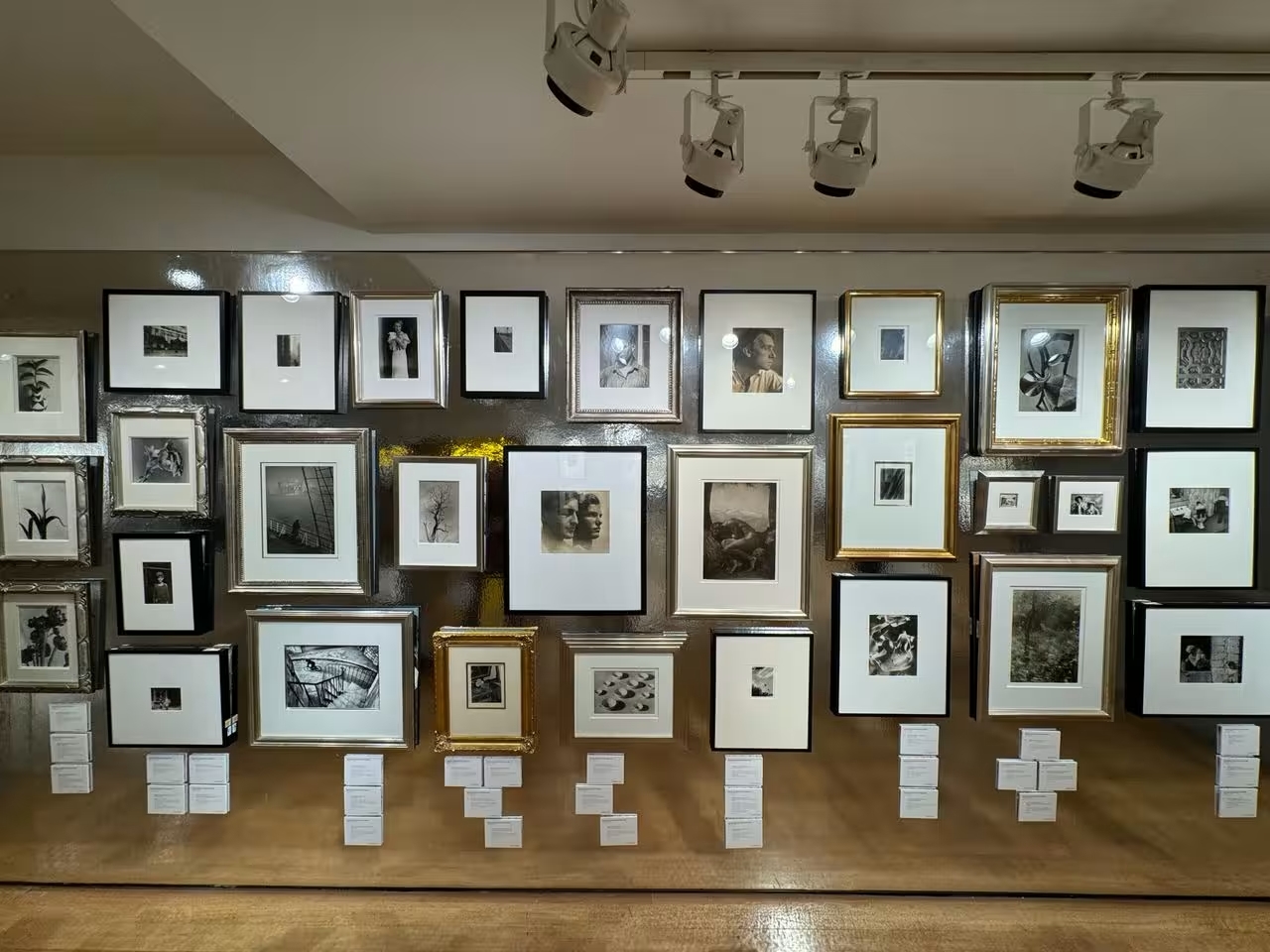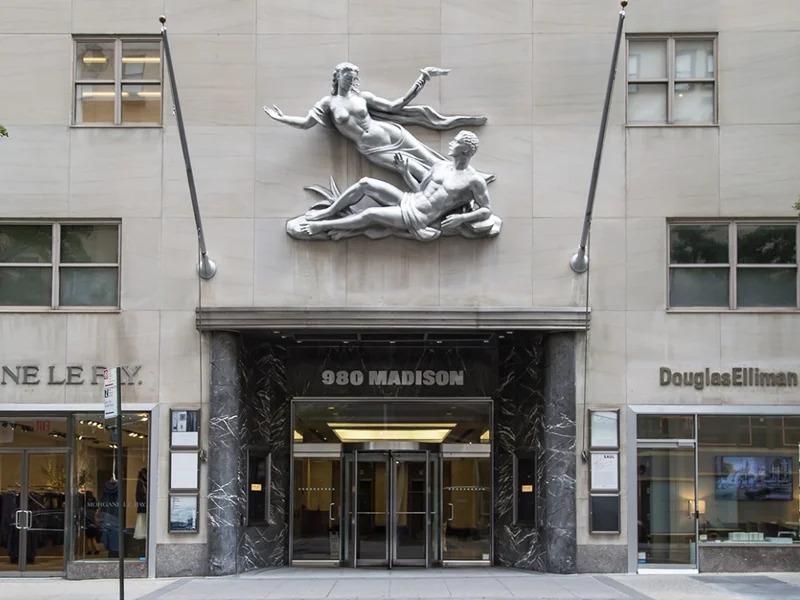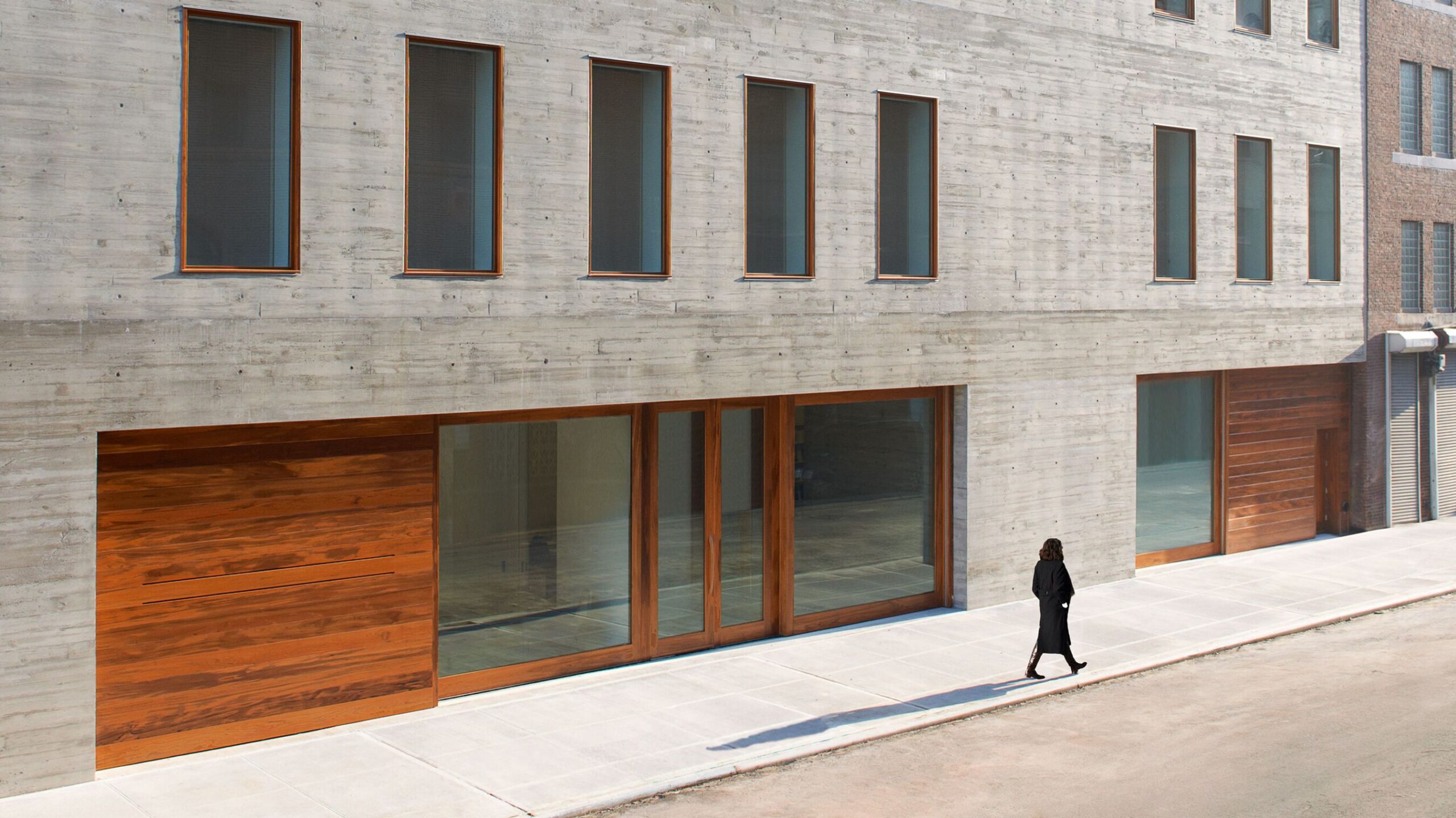
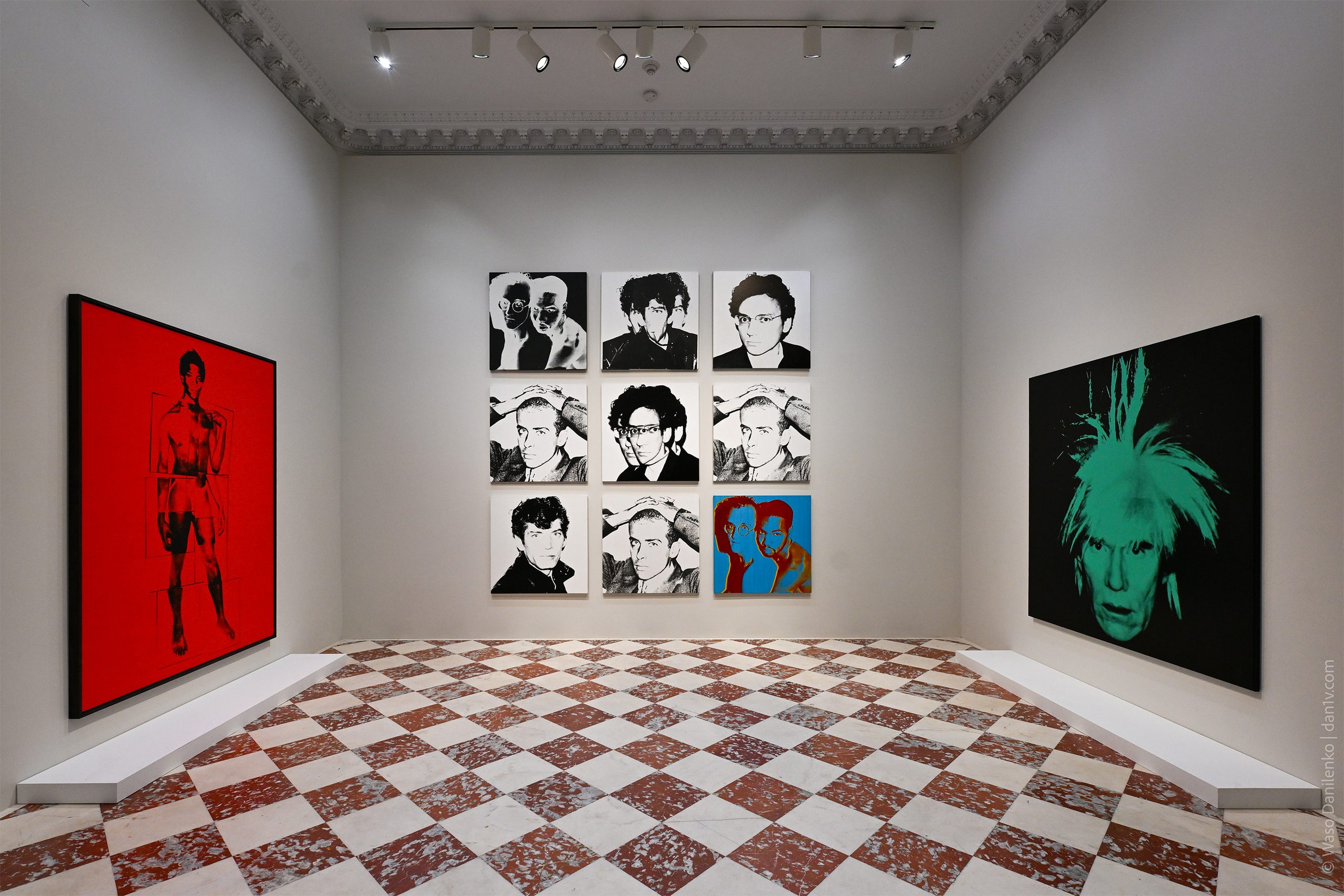
In New York, there is a peculiar thing that visitors do not get used to immediately: the best exhibition in the city on a particular Tuesday evening may very well be in a commercial gallery rather than a museum. And you can get in for free, without a ticket, a queue, or the need to book admission a month in advance.
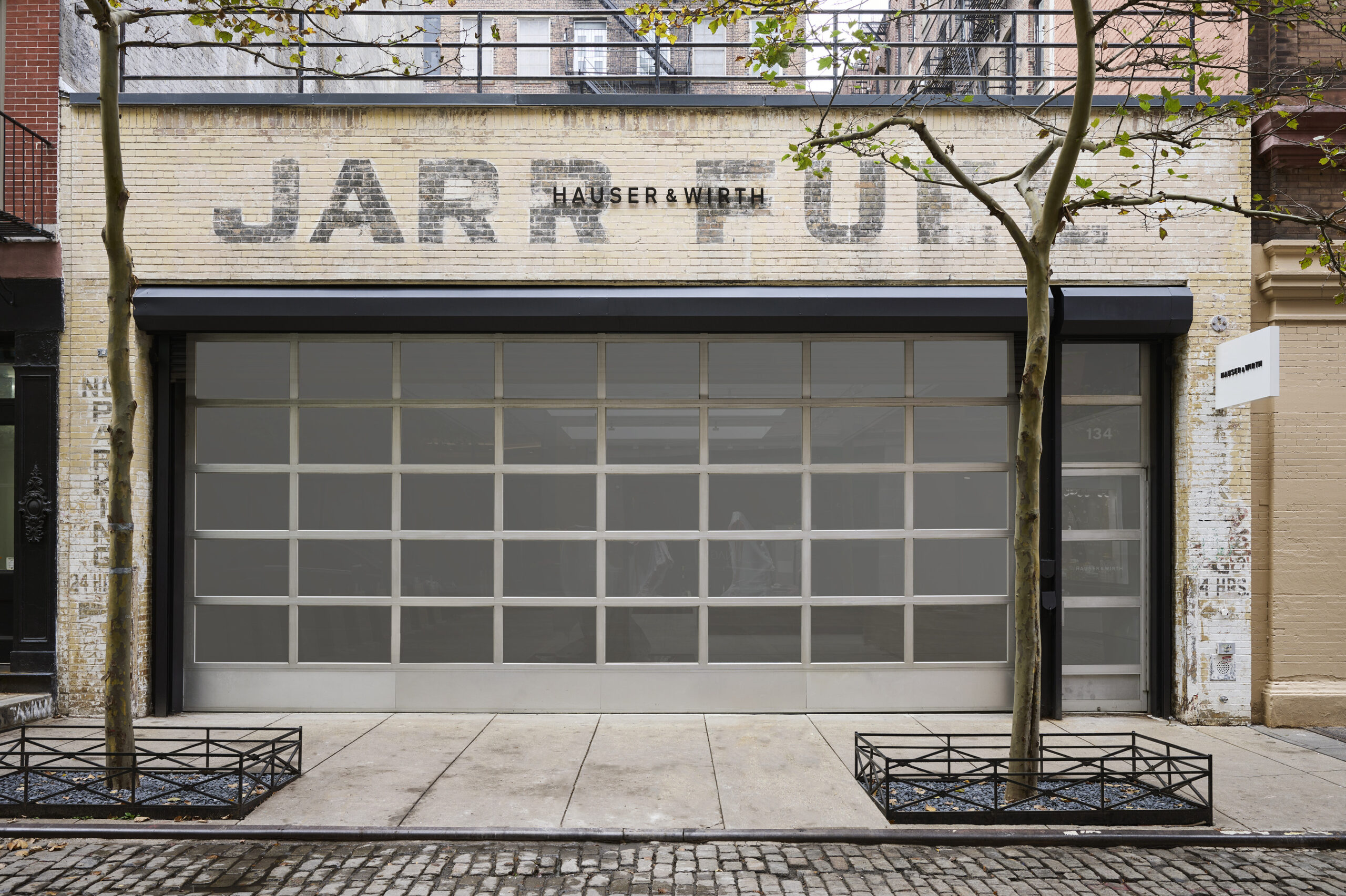
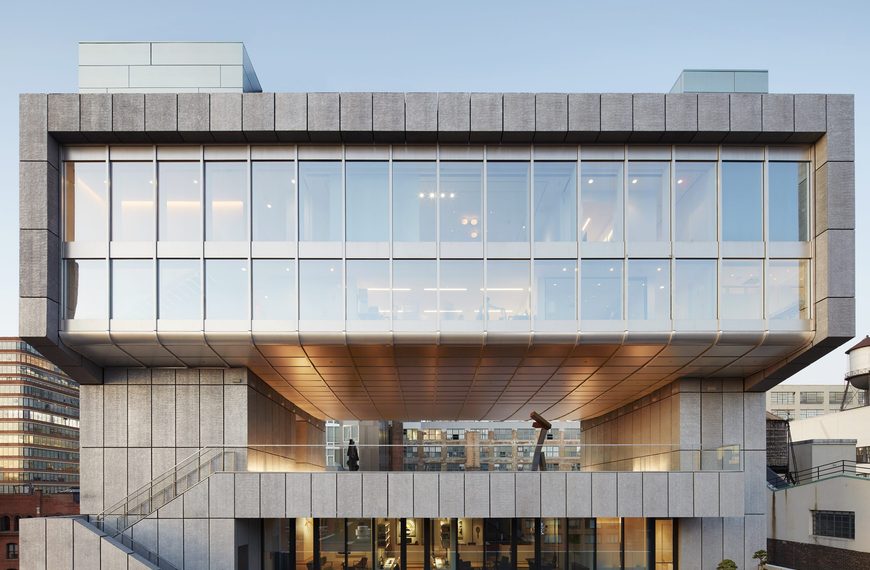
Here, a gallery is by no means necessarily a small room with paintings for sale. New York’s largest galleries have long since become independent art institutions in their own right. Pace occupies its own eight-story building at 540 West 25th Street, designed specifically for exhibitions. Hauser & Wirth operates from a building at 542 West 22nd Street designed by Annabelle Selldorf. Gagosian’s space at 555 West 24th Street contains a vast exhibition hall large enough to accommodate sculptures for which there simply is not enough room in museum interiors. David Zwirner occupies several buildings in Chelsea as well as a separate space at 52 Walker in Tribeca. On the Upper East Side, Acquavella and Mnuchin are located in old mansions where works by Picasso and other masters can be seen literally within the interiors of former living rooms.
But it is not only about scale. Major galleries increasingly operate according to museum standards: they invite independent curators, publish scholarly catalogues, and bring together works from private collections and museum holdings. Sometimes, these are the very places where you can see works that have spent decades in someone’s New York apartment and have never appeared in a museum’s permanent collection.
There is also the format itself. In a museum, you try to swallow five centuries of art in a single visit and leave with your head full of information. In a gallery, there is one artist, one idea, forty minutes, silence, and almost empty rooms. Looking at art this way is much more interesting.
Gagosian
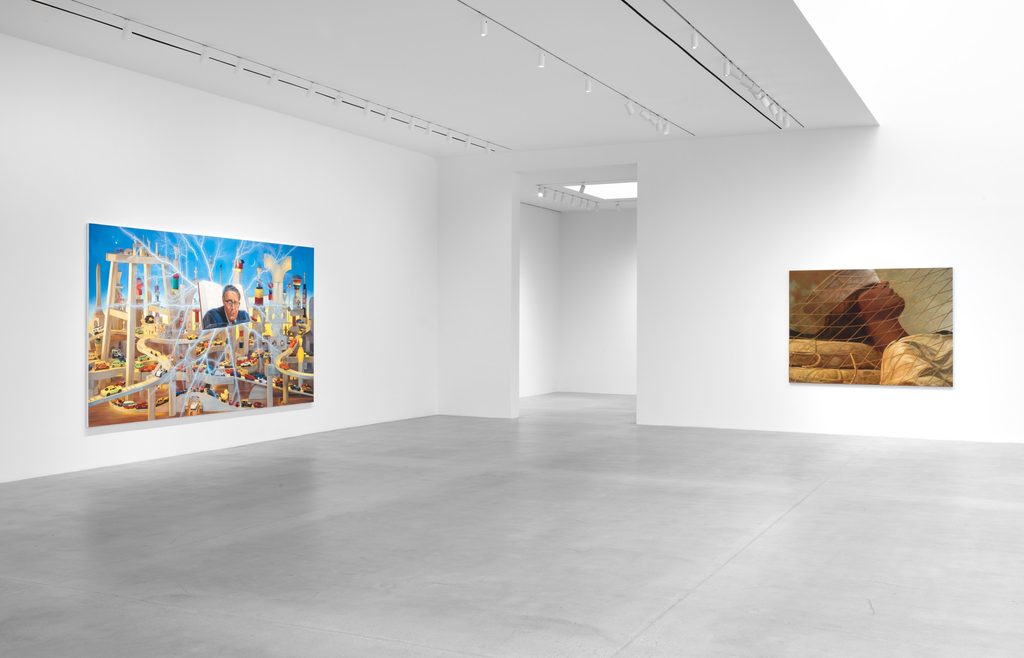
Gagosian is one of the largest commercial contemporary art galleries and, according to the Financial Times, one of the most influential art dealers in the world. The gallery has 15 exhibition spaces in seven countries, more than 300 employees, its own publishing house with hundreds of books published, and a quarterly magazine. Admission to all of its galleries is free, with no tickets or advance reservations required.
In New York, Gagosian has five galleries: two on the Upper East Side and three in Chelsea. They feature works by Marcel Duchamp, Robert Rauschenberg, Pablo Picasso, Jasper Johns, and Richard Serra.
Pace
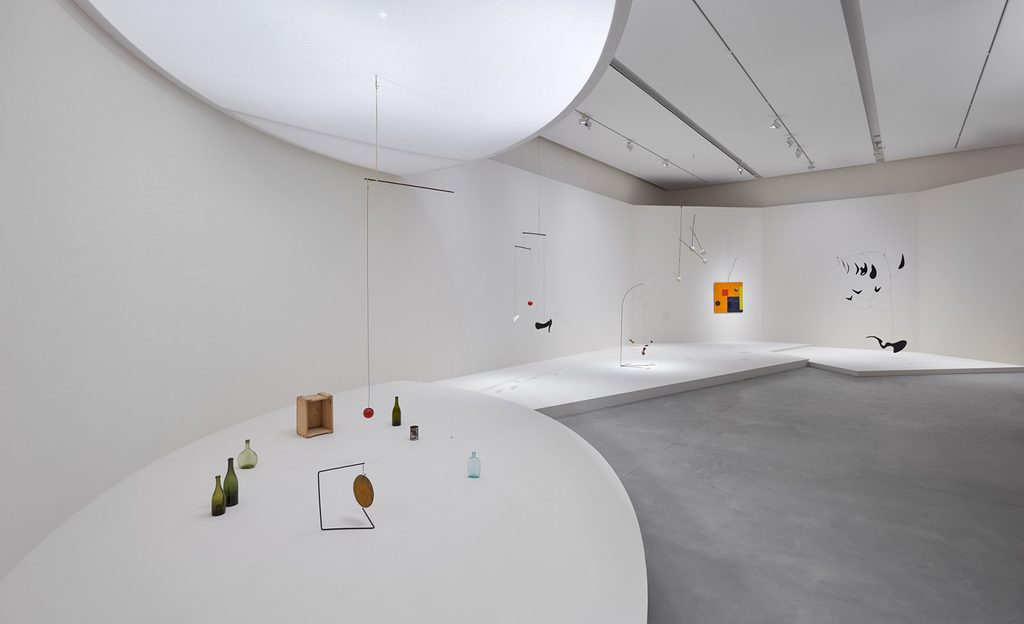
Pace Gallery in Chelsea is one of a handful of galleries in the world that seriously influence what is considered art and how much it is worth. Although the gallery was founded in 1960 as a tiny shop in Boston, its program today includes Picasso, Rothko, Calder, Brancusi, de Kooning, Modigliani, and Agnes Martin. Admission is free, and no reservation is required.
The building has eight floors, five of which are dedicated to exhibitions, as well as a library with 10,000 volumes, a 150-seat auditorium, and a sculpture terrace.
Hauser & Wirth
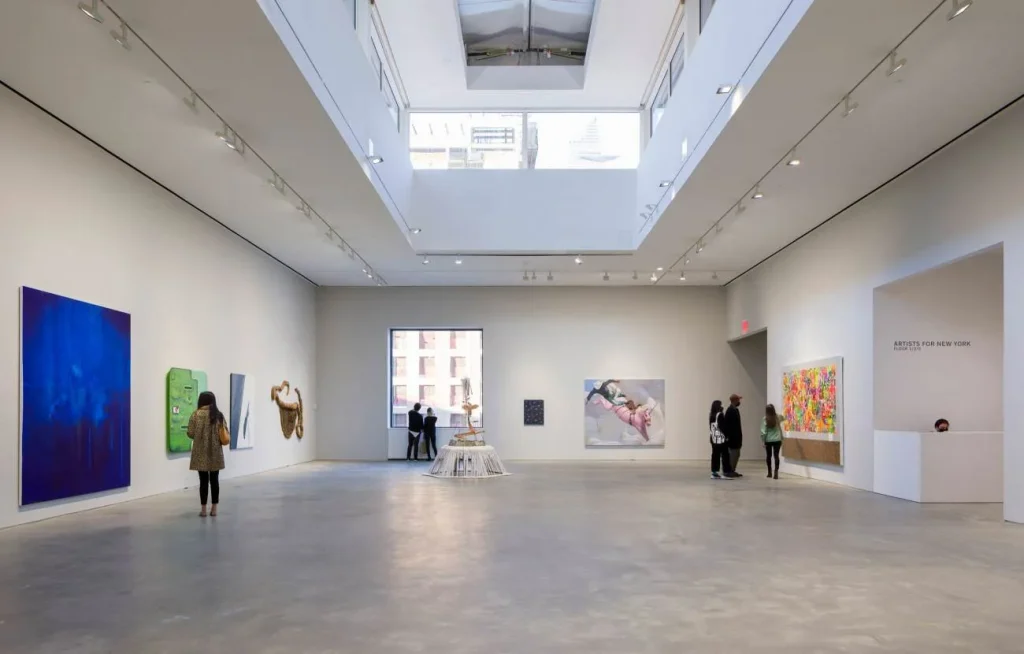
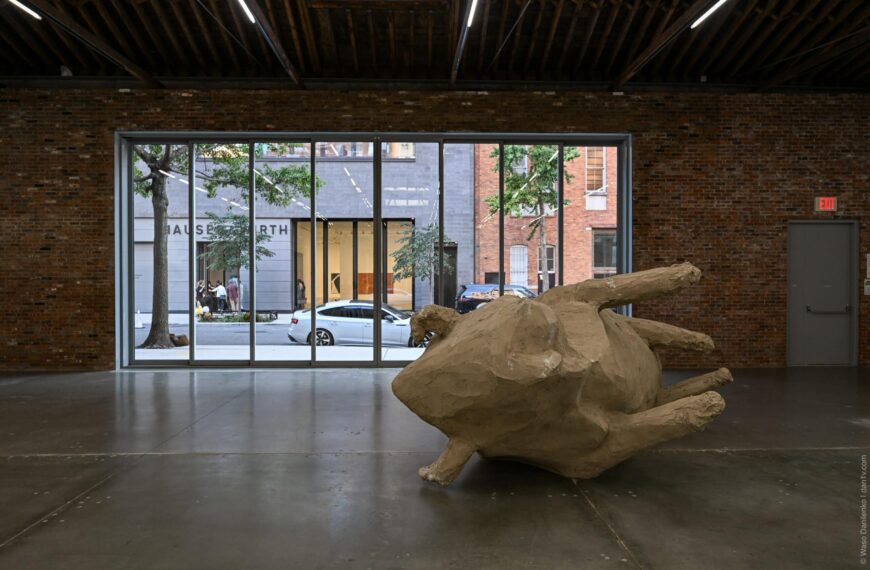
Hauser & Wirth, also known as the “Swiss megagallery,” has three locations in New York, all of which are free to enter, with no tickets or reservations required. And yet, almost no one comes inside. It is perhaps one of Chelsea’s greatest paradoxes: between Tenth and Eleventh Avenues are museum-quality exhibition spaces showing works by Louise Bourgeois, Philip Guston, Alexander Calder, and Cindy Sherman, while most people simply walk past along the High Line.
The gallery really does look like a place where people come to buy art they cannot afford. But you can visit entirely for free—and that is precisely what these spaces are open for.
David Zwirner
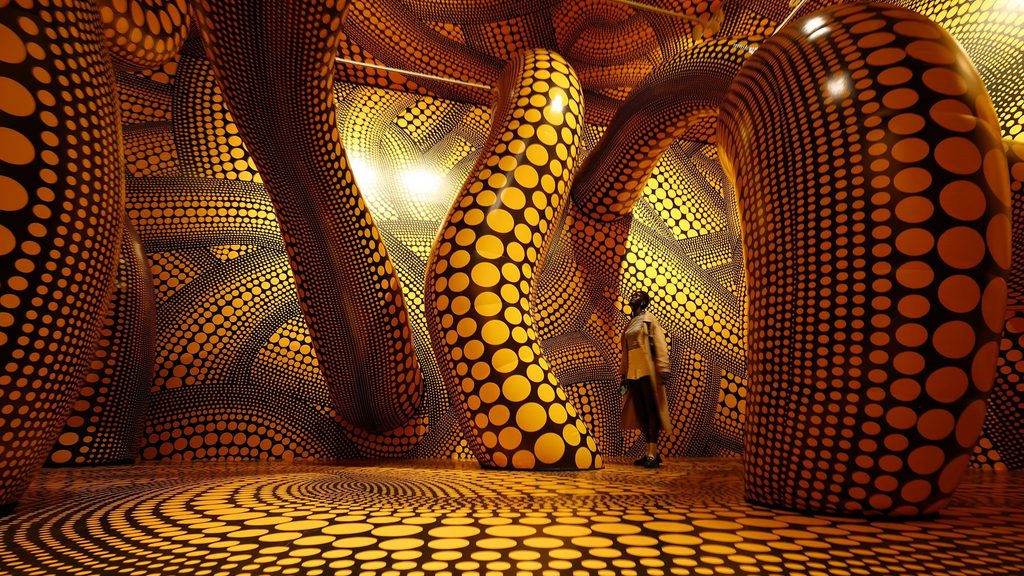
David Zwirner is one of the four leading megagalleries of contemporary art in the world, alongside Gagosian, Hauser & Wirth, and Pace. In Chelsea, David Zwirner occupies several buildings. Three of them stand next to one another on West 19th Street: 519, 525, and 533, while another is located one block away, on West 20th Street.
Inside, you might find works by Gerhard Richter, Alice Neel, Paul Klee, or recent works by Yayoi Kusama. Admission is free, with no tickets or reservations required, and the gallery is open five days a week. In fact, it is one of the best free ways to see contemporary art in Chelsea.
Dia:Chelsea
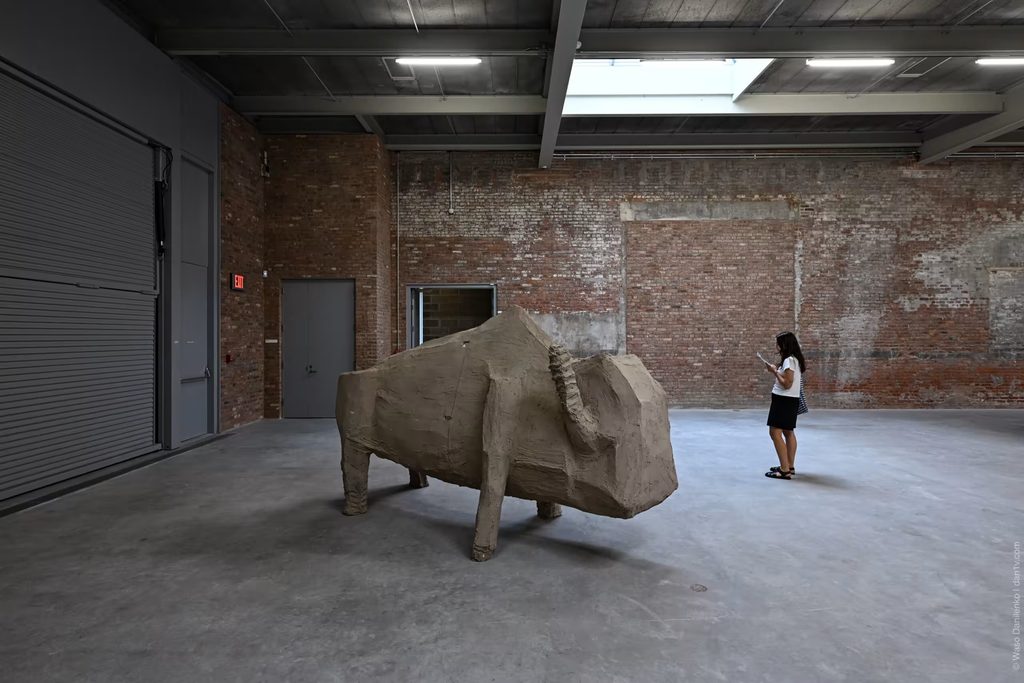
Dia:Chelsea is one of the key spaces of the Dia Art Foundation, dedicated to contemporary art and large-scale artistic projects. Unlike traditional galleries, Dia focuses on long-term solo exhibitions, performances, and public programs, allowing visitors to engage with the art on a deeper level. It is not simply a gallery, but a space where art, architecture, and community come together.
The Earth Room & The Broken Kilometre
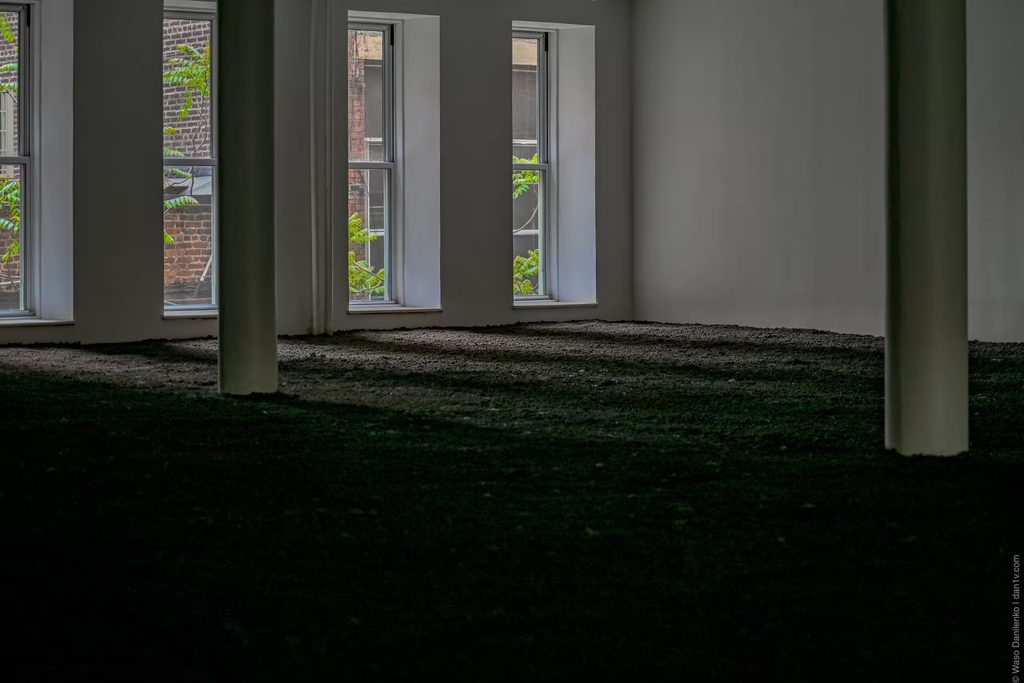
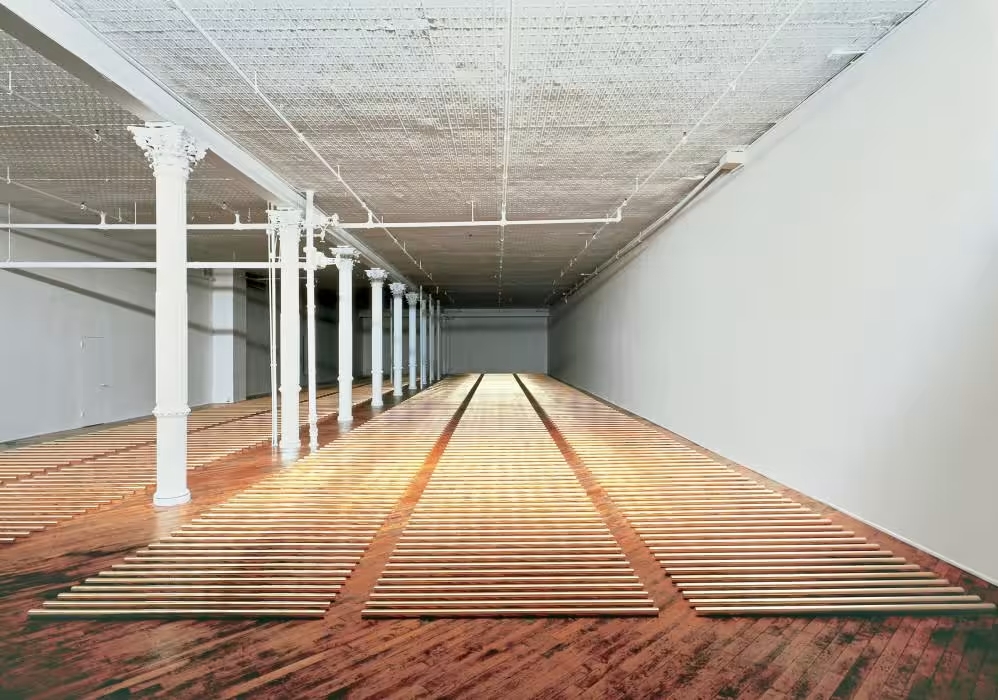
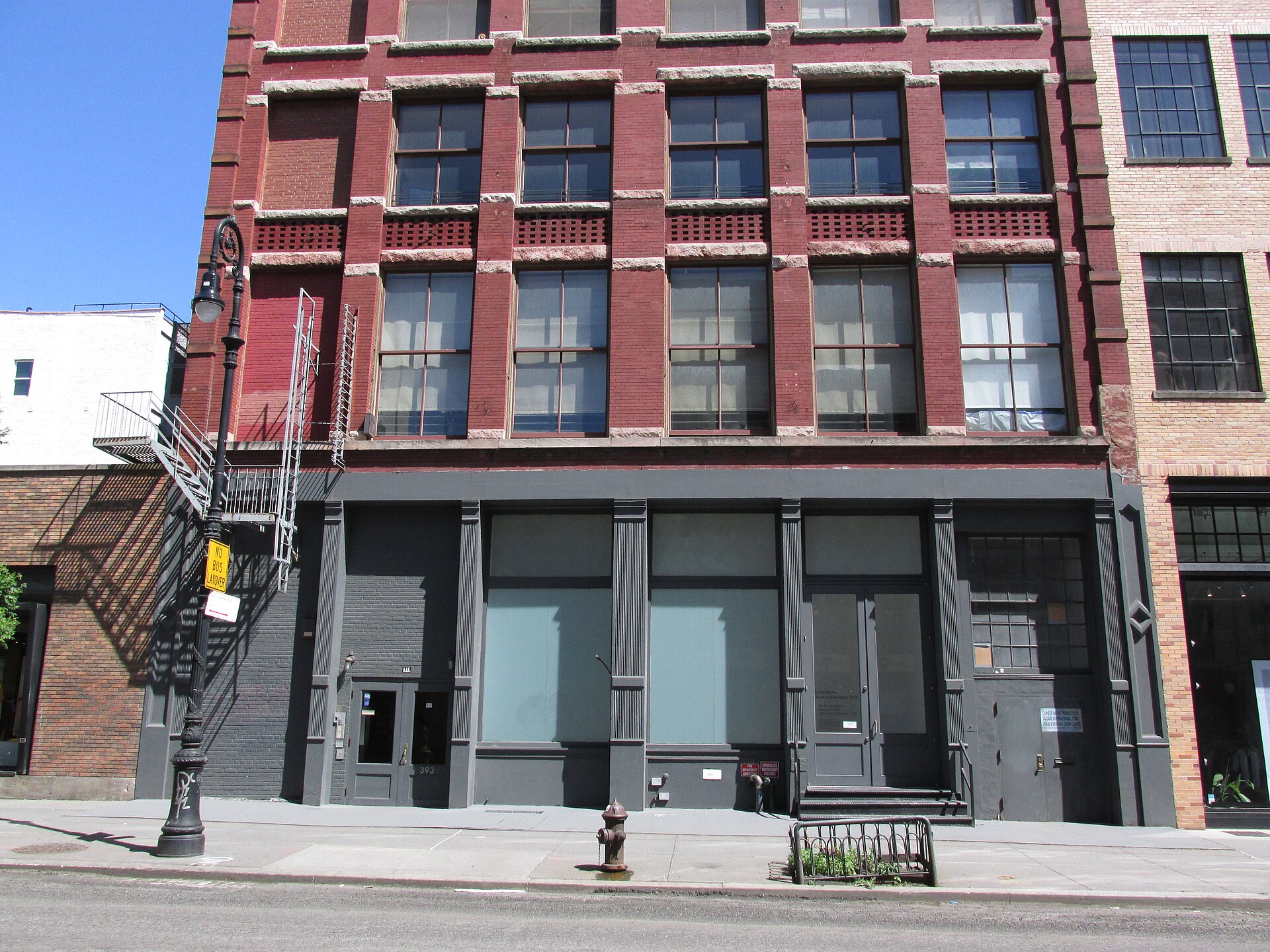
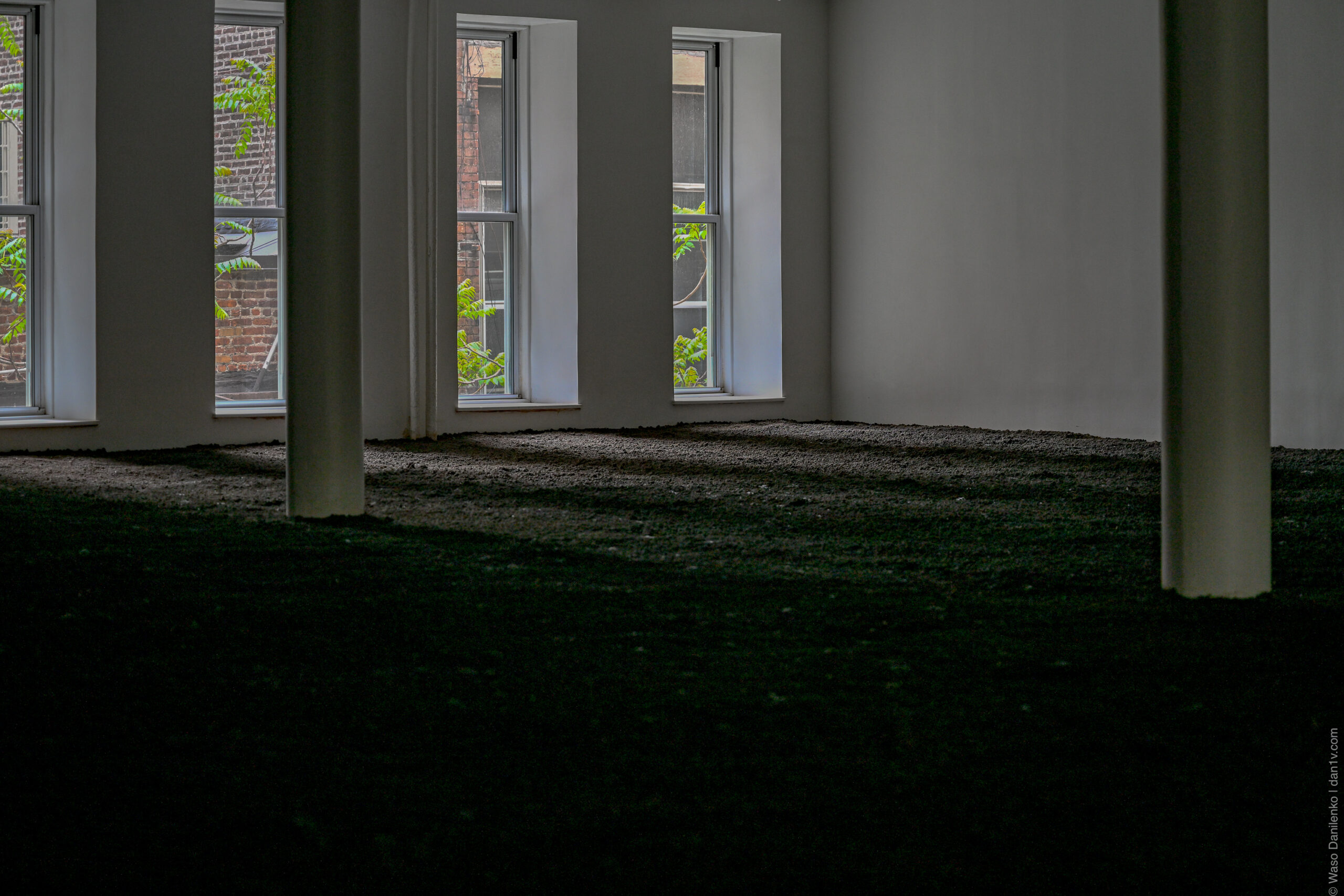
New York is full of unusual places, but two of the most paradoxical and memorable are The Earth Room and The Broken Kilometer. Located in the heart of fashionable SoHo, surrounded by boutiques and galleries, they stand in stark contrast to the noise of the metropolis and offer visitors a strange, almost meditative experience.
The Earth Room contains approximately 127 tons of earth spread in an even layer about 60 centimeters thick across an area of 335 square meters. The Broken Kilometer consists of 500 massive brass rods, each two meters long, arranged in five perfectly straight rows. The distance between the rods gradually increases, creating a hypnotic effect of perspective. Both works were created by the American artist Walter De Maria (1935–2013), a master of conceptual art and land art.
Lévy Gorvy Dayan & Salon 94
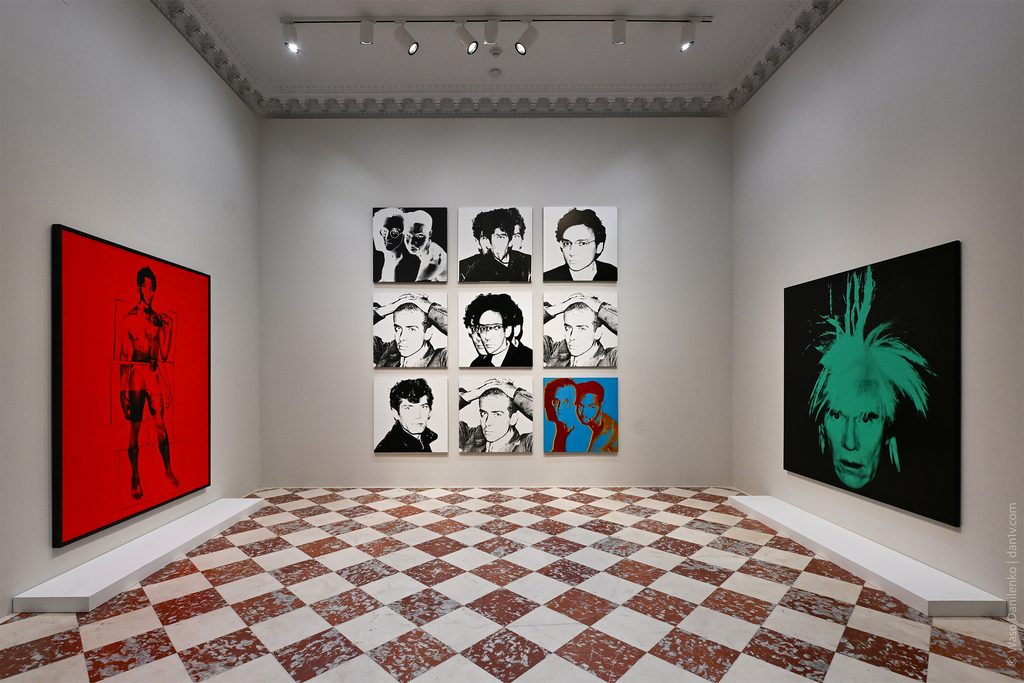
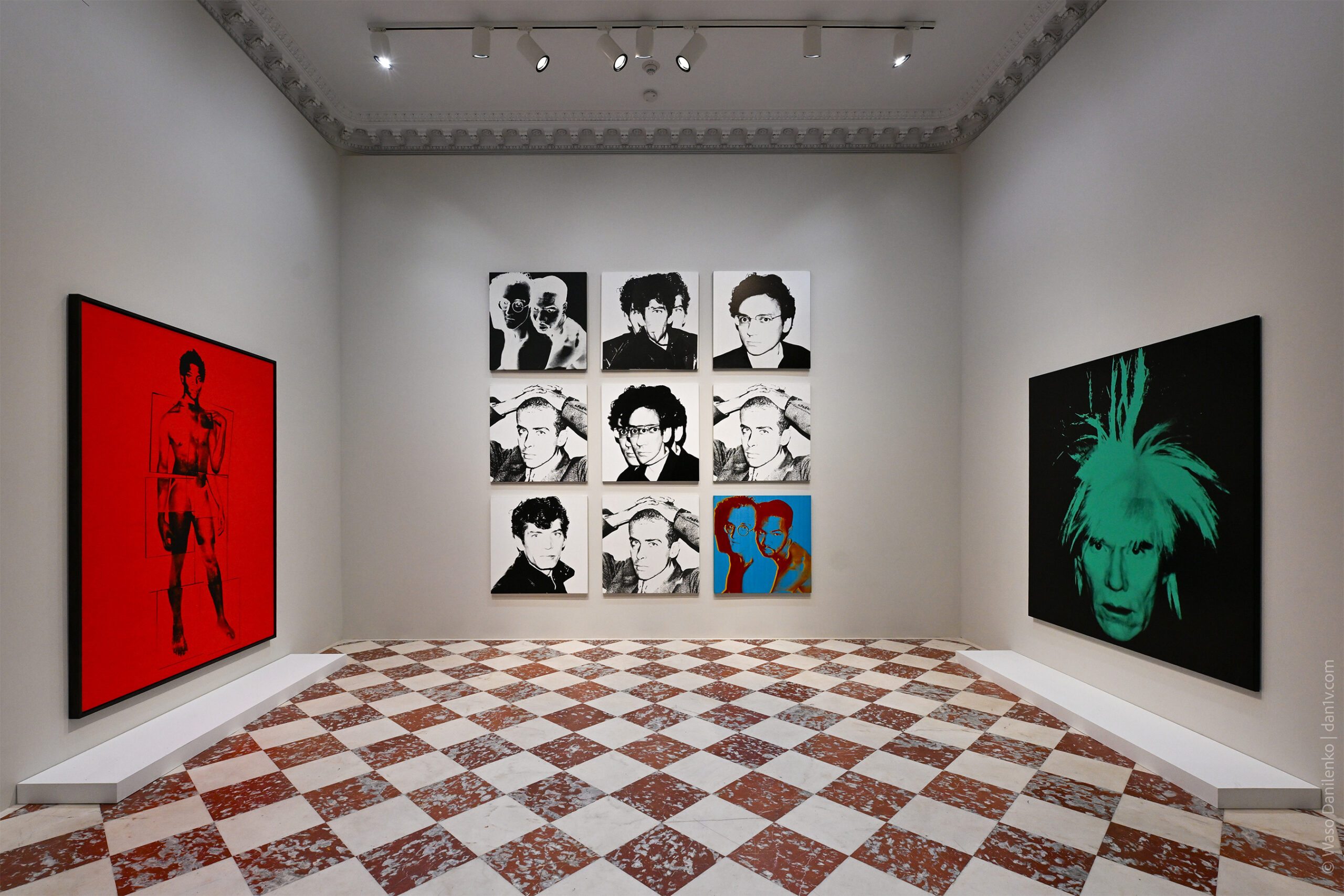
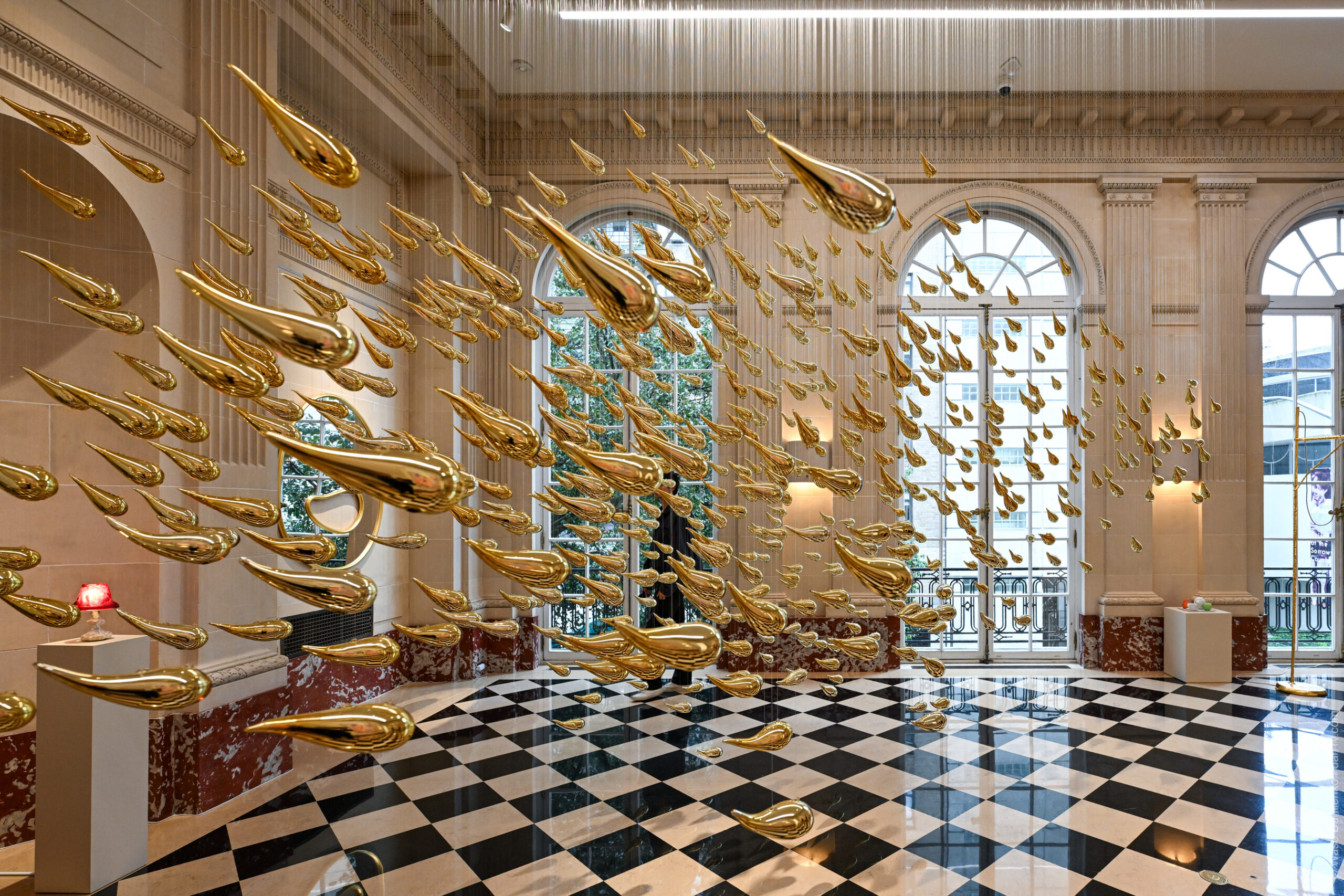
Salon 94 was founded by Jeanne Greenberg Rohatyn, one of the most influential figures in New York’s art world. A gallerist, curator, art dealer, and art consultant, she works with clients such as Jay-Z and Beyoncé. Salon 94 was one of the first galleries in New York to present artist-designed furniture as a fully realized artistic statement. The gallery deliberately blurs the boundary between an art object and a functional piece.
In 2021, Jeanne Greenberg Rohatyn joined forces with Dominique Lévy, Brett Gorvy, and Amalia Dayan, the founders and owners of Lévy Gorvy and other major art businesses. Together, they launched LGDR, a name formed from the first letters of the four partners’ surnames. It was an ambitious project designed to compete with the world’s largest galleries, bringing together the primary market, secondary market, art consulting, and work with collectors.
The experiment lasted less than two years. In 2023, Greenberg Rohatyn left the partnership and reopened Salon 94, returning to her own program and to working directly with artists and collectors. The remaining partners continued under the name Lévy Gorvy Dayan.
Sotheby’s
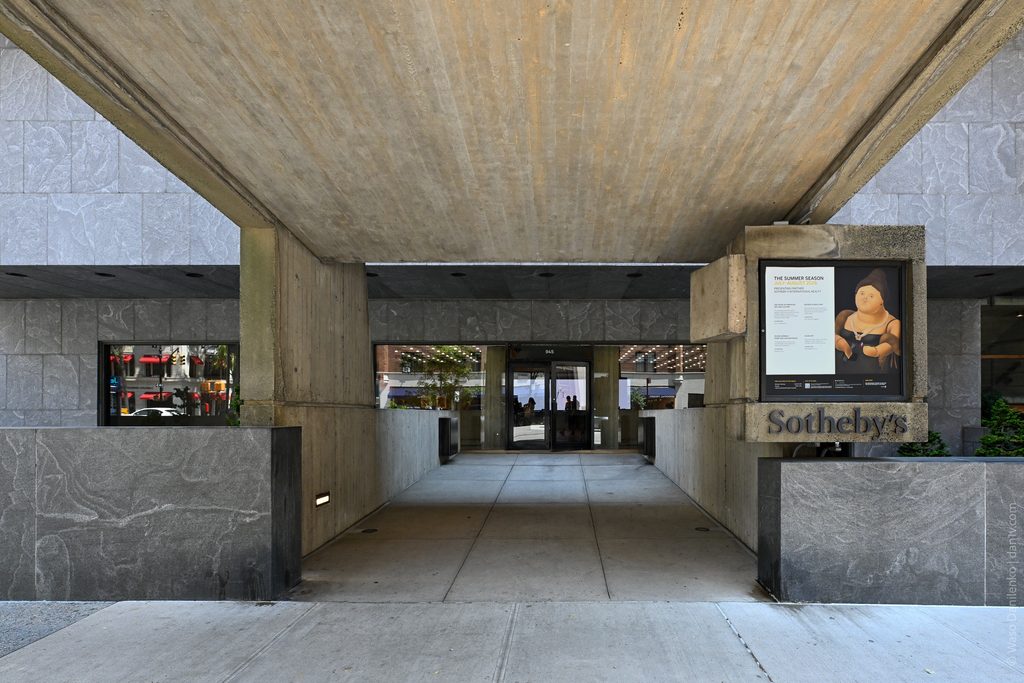
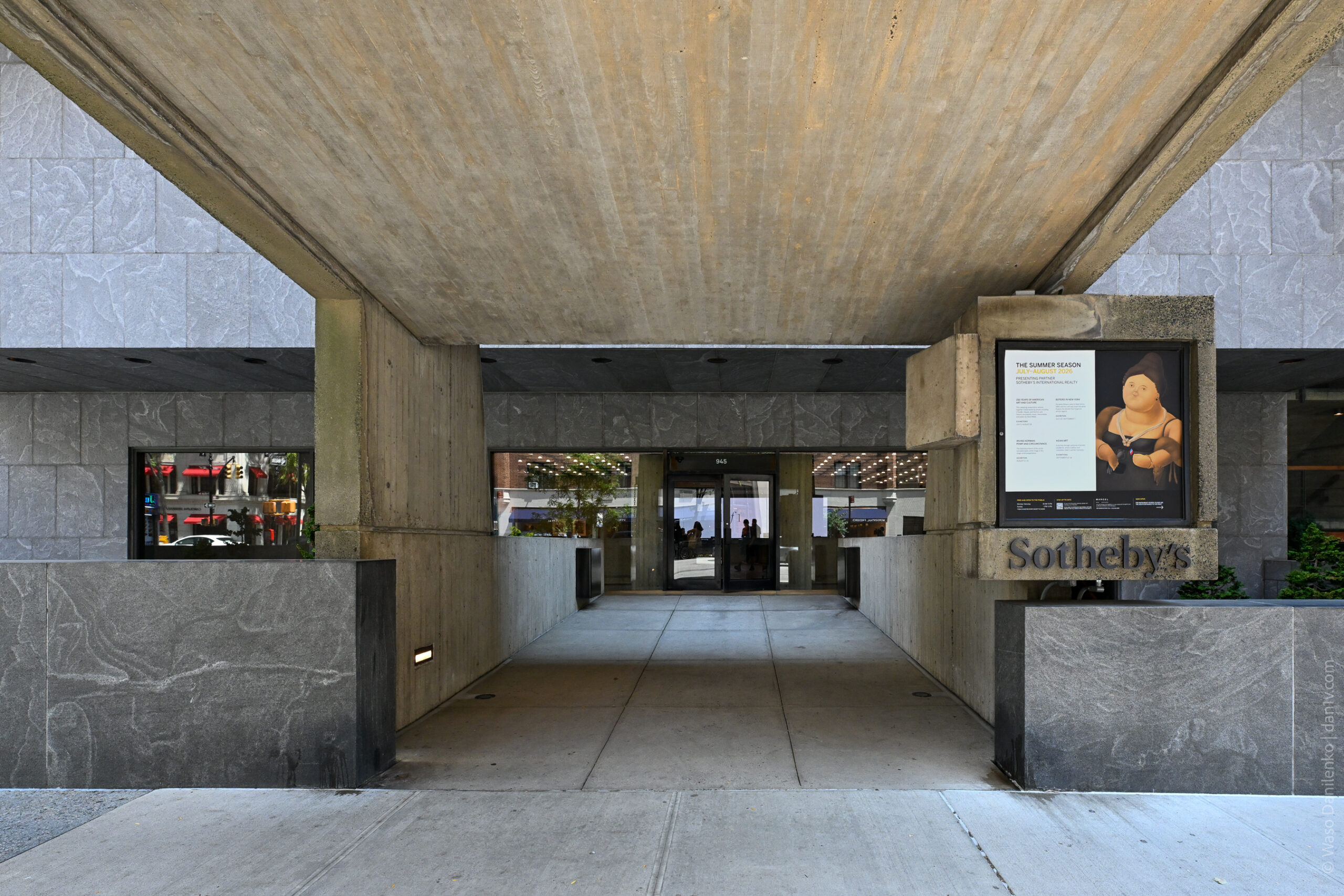
Sotheby’s is not quite a gallery in the traditional sense, but one of the world’s largest auction houses. For exploring New York, however, the distinction is not particularly important: in its exhibition halls, you can see museum-quality art for free before it goes under the hammer. The works on view regularly include pieces by Picasso, Warhol, Basquiat, Monet, Renoir, Botticelli, and other artists, with many of them valued at tens of millions of dollars.
Sotheby’s New York headquarters is located on York Avenue on the Upper East Side. Before major auctions, the building hosts public pre-auction exhibitions where you can simply walk in and see the lots in person without any intention of buying. Admission to these exhibitions is usually free.
Christie’s
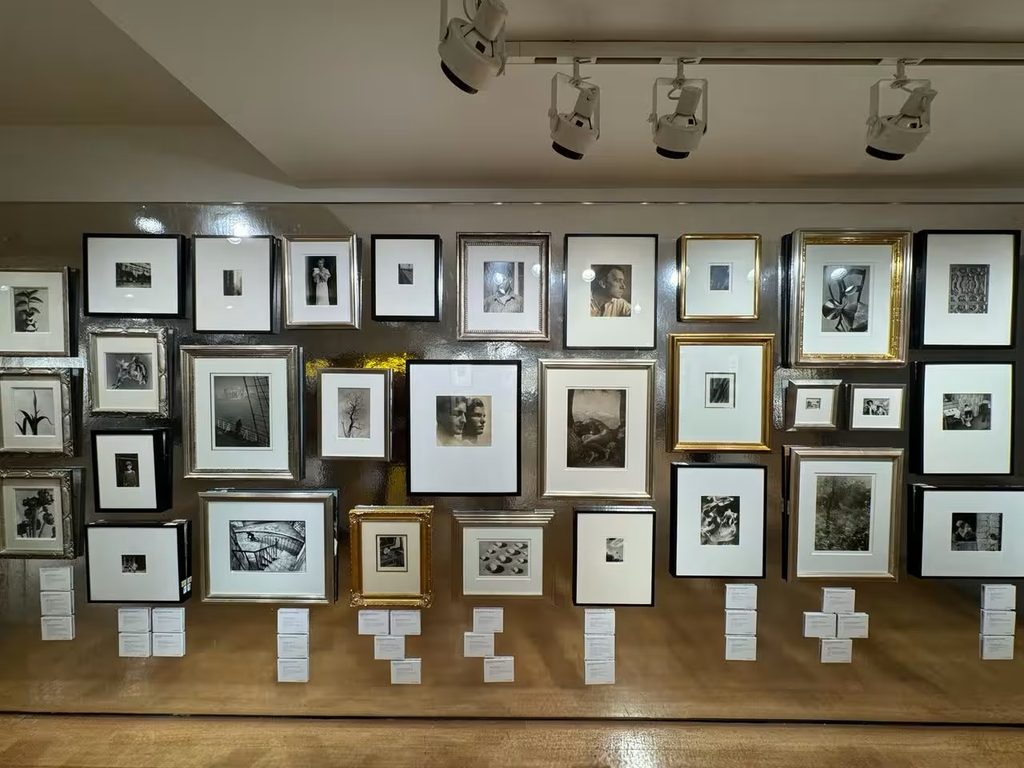
Christie’s is the other giant of the auction world, and in New York it also has its own exhibition space. As at Sotheby’s, it is worth visiting not only for the auctions themselves but also for the public previews: before the bidding begins, some of the most expensive works of art in the world are displayed in the galleries for several days and are open to everyone.
At Christie’s New York on Rockefeller Plaza, you can see Old Masters, Impressionists, modernists, contemporary art, design, and jewelry. Artists whose works regularly appear in exhibitions include Picasso, Warhol, Basquiat, Monet, and Dalí. Admission to public previews is free, and advance registration is generally not required for regular visits.
The Soloviev Foundation
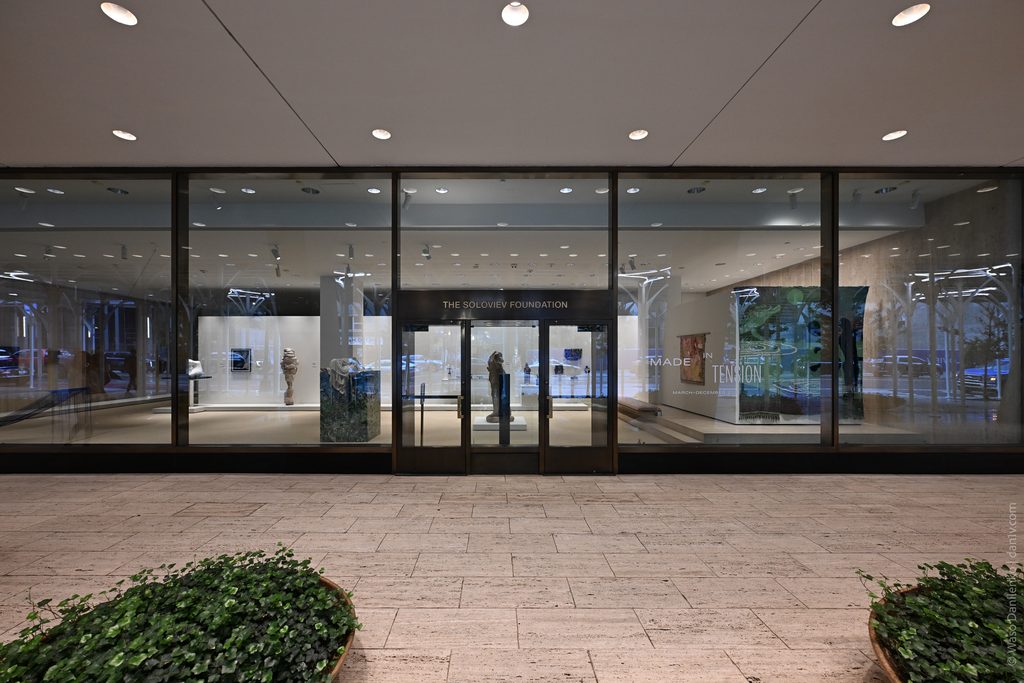
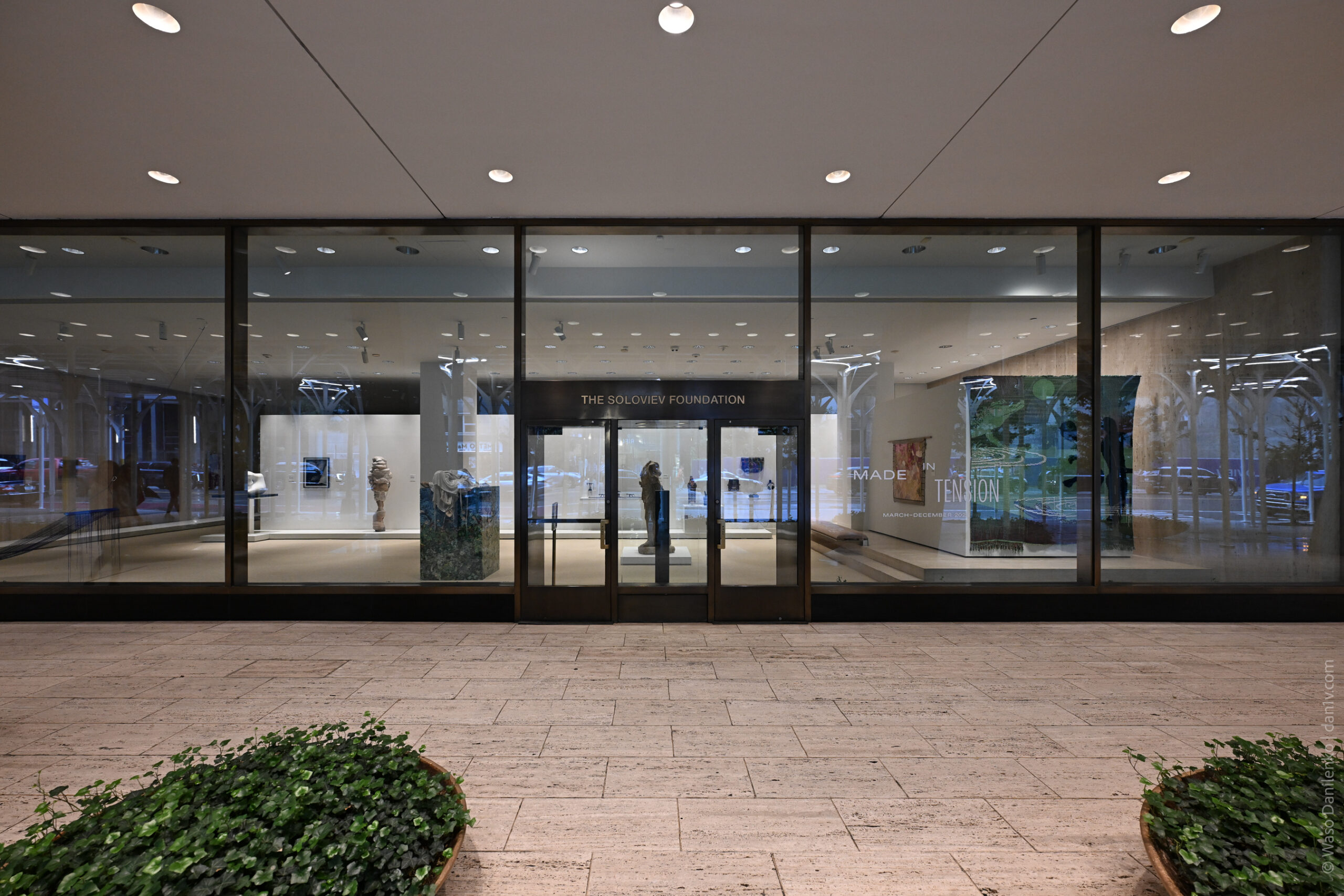
The Soloviev Foundation gallery, also known as “New York’s most secretive museum,” is a collection of paintings and sculptures worth more than half a billion dollars that remained hidden from the general public for nearly half a century.
The building itself is called the Solow Building. It was built by Sheldon Solow, a prominent New York billionaire, real estate developer, and art collector, who died in 2020 and left his fortune to his rather eccentric son, Stefan Soloviev. About 15 years ago, Stefan changed his surname from Solow to Soloviev, emphasizing his family’s Eastern European heritage.
Since May 2023, the gallery has finally been open to the public. Admission is free, but reservations are strictly required.
The Ford Foundation
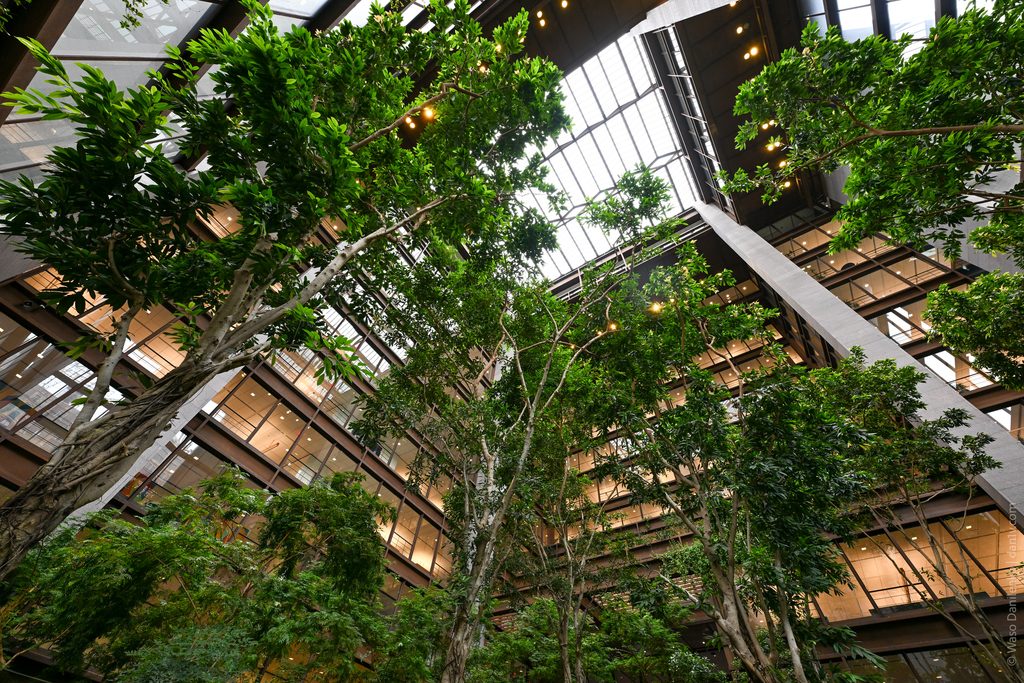
The Ford Foundation is a private American foundation established in 1936 by none other than Henry Ford. Although the foundation had a budget of just $25,000 when it was founded, after the death of Edsel Ford, Henry Ford’s son, it received nearly 95 percent of the shares in the automotive giant.
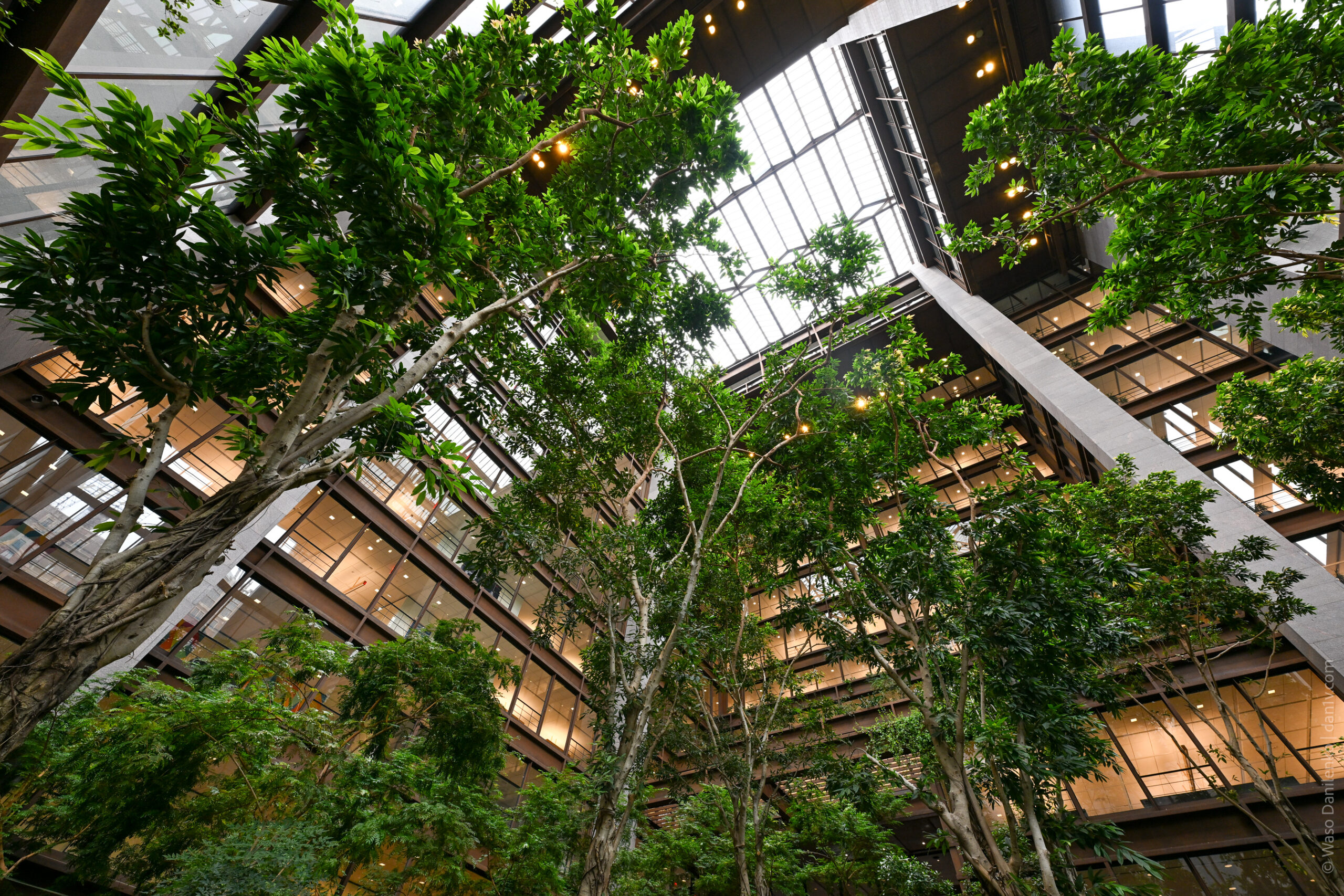
The building’s main attraction is its 53-meter-high atrium, which contains a spectacular tropical garden. In 2018, the garden was refreshed by the landscape architect with the name Raymond Jungles.
Bonus: Carpenters Workshop
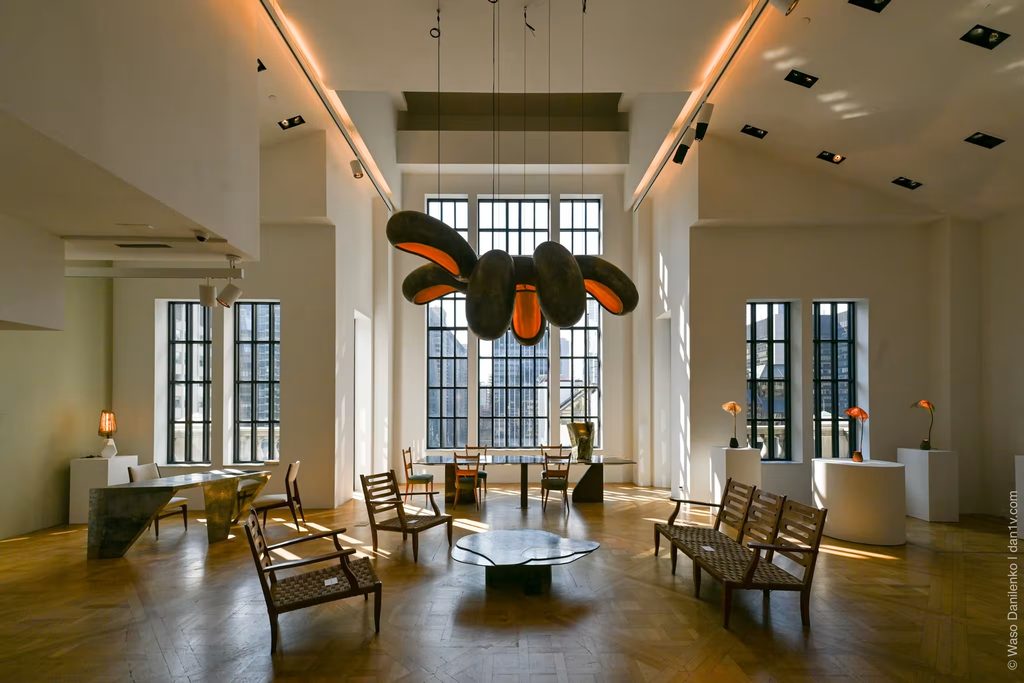
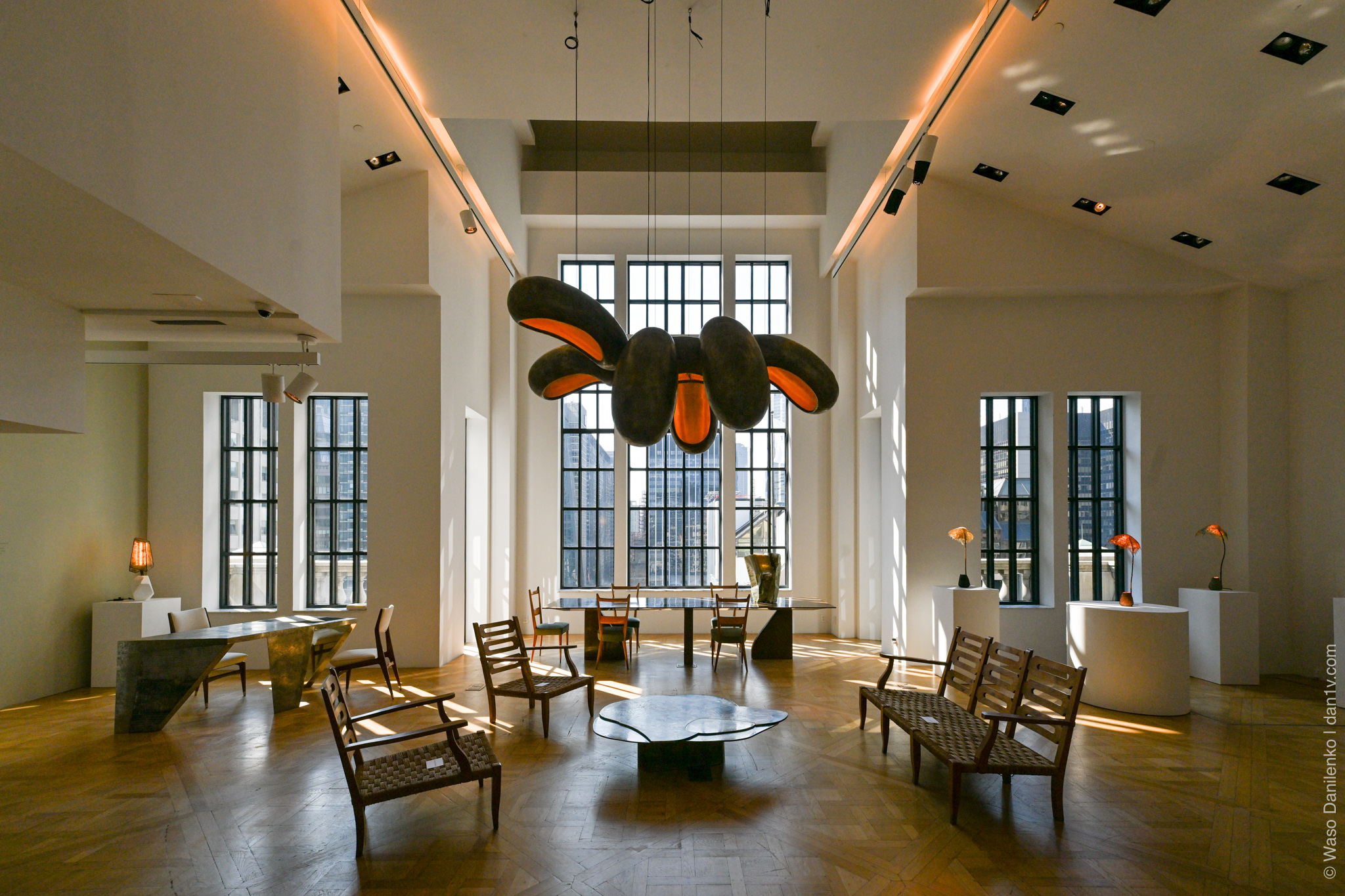
Carpenters Workshop Gallery (“The Carpenters’ Workshop”) occupies a two-story penthouse on the 19th and 20th floors of a building on Fifth Avenue, just a few blocks from Central Park.
At the same time, Carpenters Workshop Gallery is not simply an exhibition space, but a shop wrapped in a museum-and-gallery concept, specializing in so-called “functional sculpture”: furniture and objects that are simultaneously works of art and functional items such as sofas, chairs, and lighting fixtures.